

1960s Steel Wristwatch
A 1960s steel wristwatch combines mid-century utility with robust metal cases built to endure daily wear.
1960s Steel Wristwatch
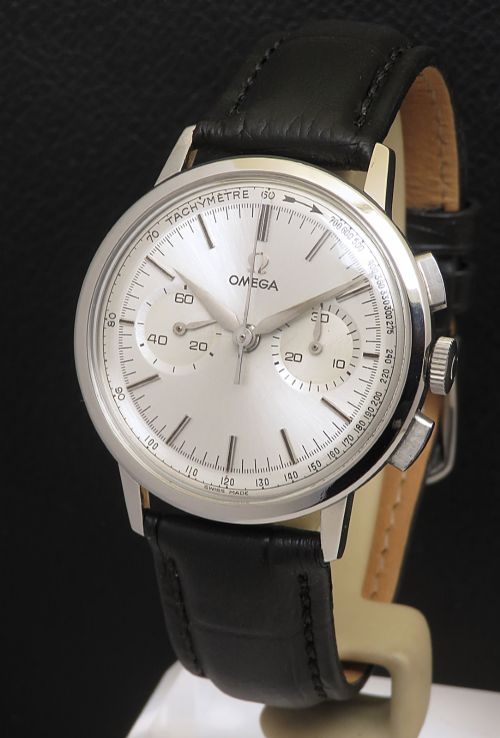
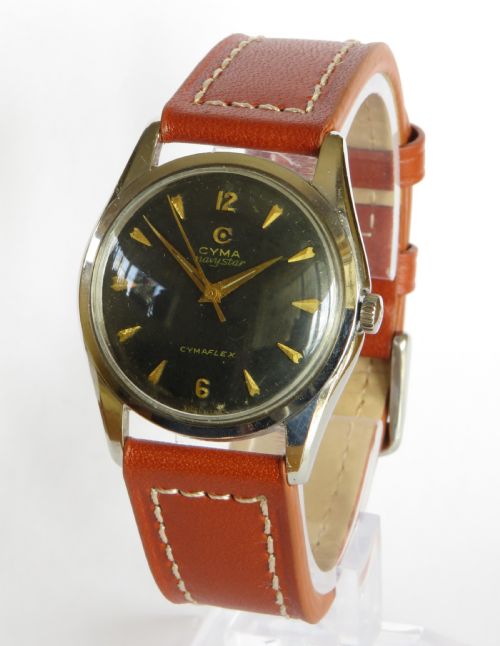
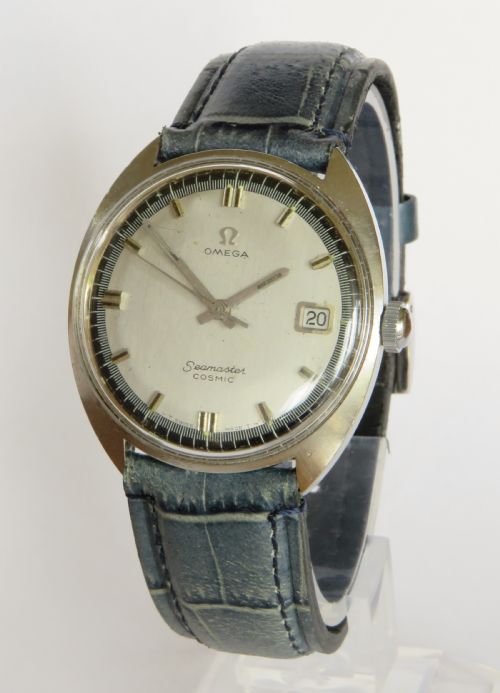
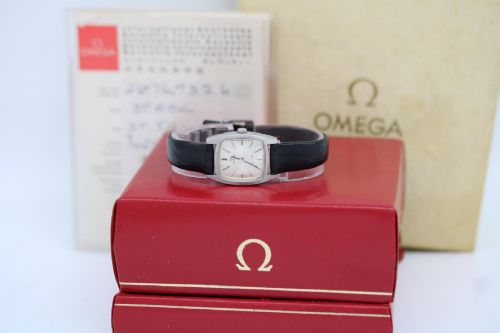
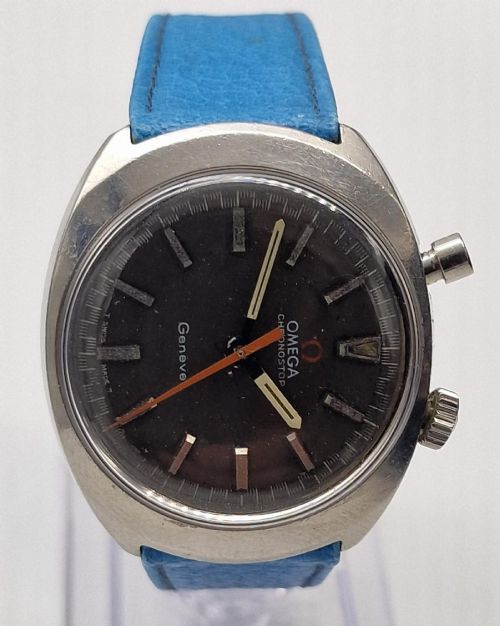
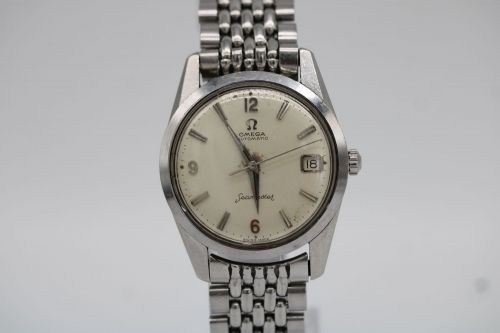
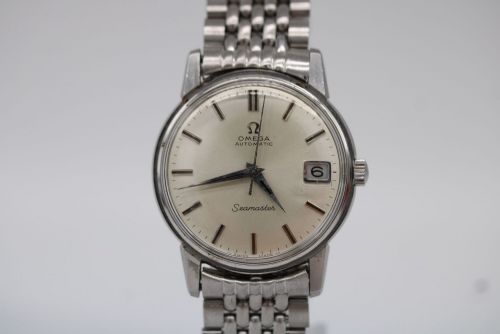
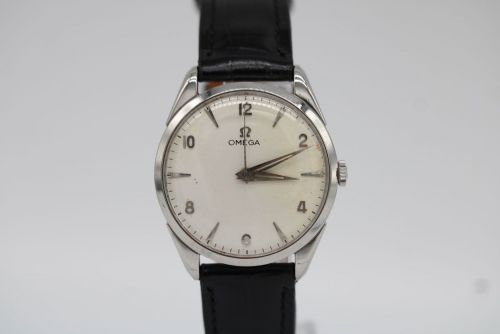
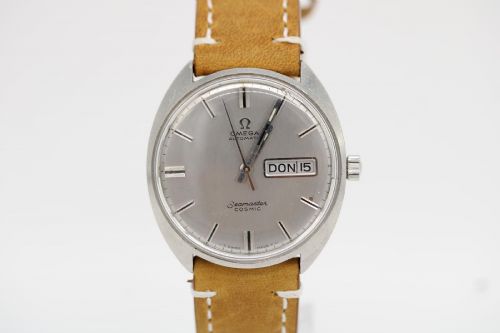
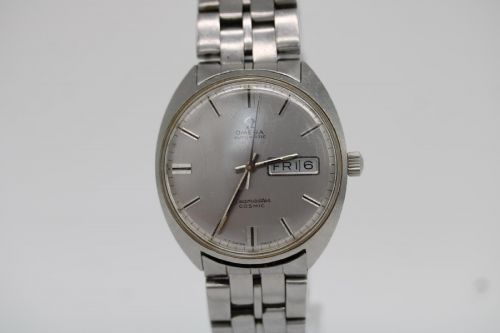
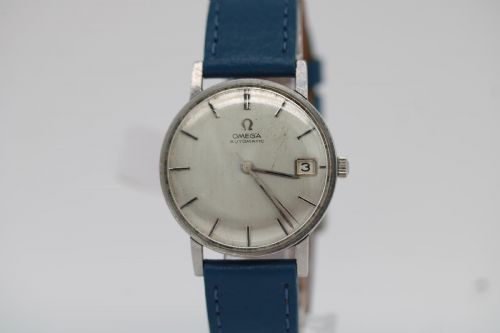
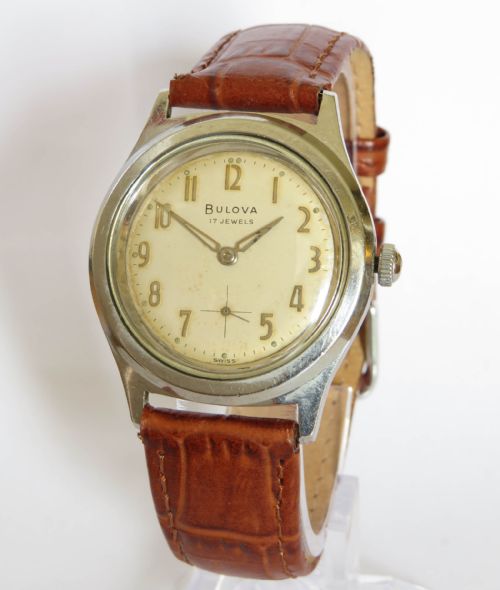
A 1960s steel wristwatch represents a period of practical horology where stainless steel became the dominant metal for durable gents and ladies timepieces. The forms span military issues, aviation chronographs, and automatic dress pieces originating from Swiss and international makers.
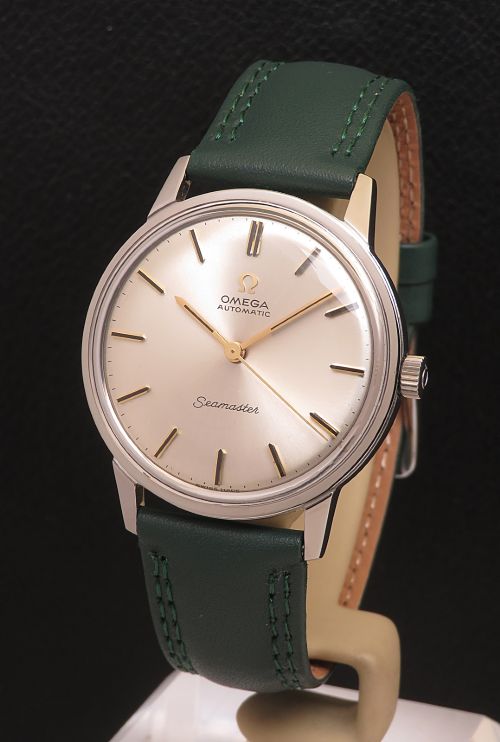
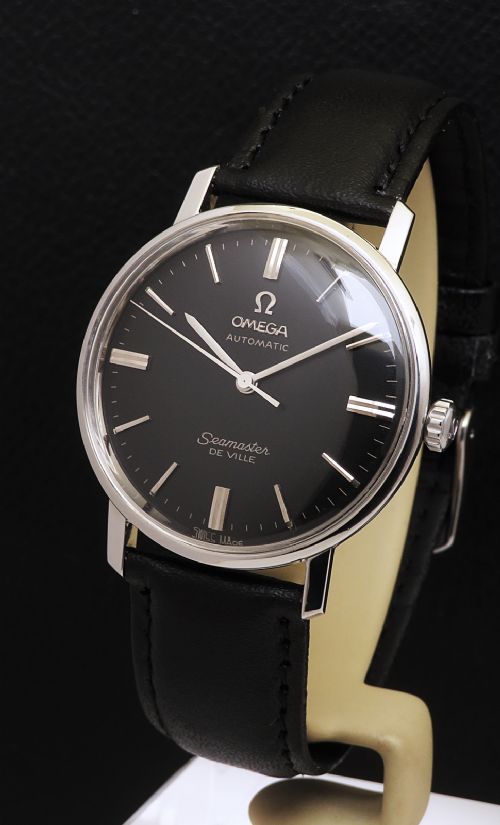
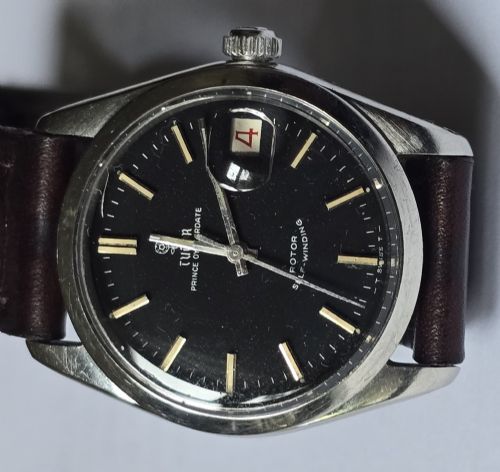
The version most commonly met on this page is the mid-century wrist watch powered by mechanical movements, often housed in a stainless steel case measuring around thirty-five millimetres. These pieces reflect mid-century modern design sensibilities through clean dials, baton markers, and straightforward date displays.
Examples recorded in the archive and current listings range from manual wind chronographs to automatic Seamaster models and military-issued variants. They bridge the gap between functional utility tools and collectable vintage accessories.
How They Were Made
Cases were stamped or machined from stainless steel to provide corrosion resistance and structural integrity, paired with acrylic glass or acrylic crystal over the dial. Dials received painted or applied indices, sometimes accompanied by subsidiary dials for chronograph functions.
Movements relied on manual wind or automatic mechanical calibres containing jewelled pivots to reduce friction. Straps fashioned from leather or fabric secured the watch to the wrist, completing an assembly designed for daily service.
Some dials feature a panda layout, though the bears remain entirely absent from the workshop floor.
What Varies in Quality
The integrity of the dial significantly influences the standing of a 1960s steel wristwatch, as original untouched surfaces command more attention than heavily refinished ones. Patinated dials showing age evenly differ from those damaged by moisture ingress.
Movement preservation and mechanical complexity set examples apart, ranging from standard three-hand manual wind calibres to intricate chronograph mechanisms. Signed crowns, original case proportions, and crisp caseback engravings further distinguish higher-tier specimens.
Omega·Tudor·Cyma·Seiko·Bulova·Longines·Breitling·Eterna·Girard Perregaux·Tissot·Belair·Invicta·Ulysse Nardin
The 1960s Steel Wristwatch Glossary
- Calibre
- The specific internal mechanical movement manufactured to power the watch. Collectors reference the calibre number to identify the exact mechanism housed inside the steel case.
- Automatic
- A self-winding mechanical movement that uses a weighted rotor to tension the mainspring from the natural motion of the wearer's wrist.
- Manual Wind
- A mechanical movement that requires the wearer to manually turn the crown to tension the mainspring.
- Chronograph
- A watch equipped with a stopwatch function alongside the primary time-indication hands.
- Acrylic Glass
- A lightweight, shatter-resistant plastic material commonly utilised for watch crystals during the mid-century period.
- Patinated
- The natural ageing of dial surfaces, hands, or metal components resulting from exposure to time and environment.
1960s Steel Wristwatch: Frequently Asked Questions
How do I wind a manual 1960s watch?
Turn the crown clockwise between your thumb and forefinger until you feel resistance.
Stop immediately when resistance increases to avoid overwinding and damaging the internal mainspring.
Are these watches water resistant?
Mid-century steel watches lack modern rubber gaskets and screw-down systems.
Keep them away from water, rain, and moisture to protect the vintage movement and dial.
What size are 1960s wristwatches?
Most gentlemen's models measure around thirty-four to thirty-six millimetres across the case.
This proportion reflects the standard dress and utility styling typical of the decade.
How do I tell an automatic from a manual watch?
Wind the crown gently and observe whether it runs without daily manual turning.
Automatic movements contain an internal rotor that winds the watch as your arm moves throughout the day.