
Silver Dial Omega Watch
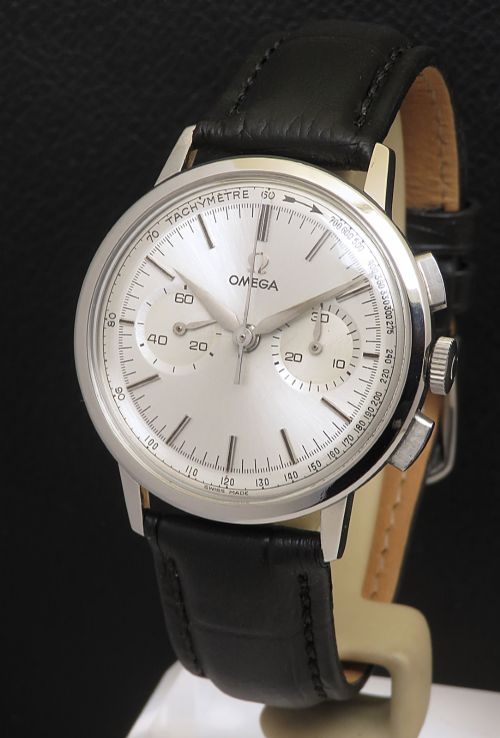
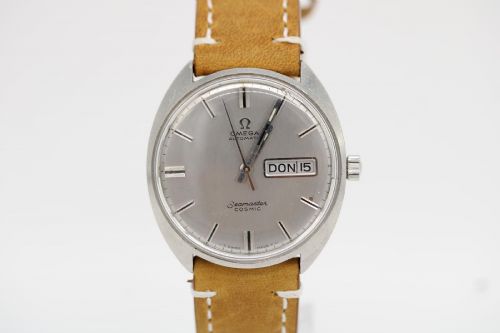
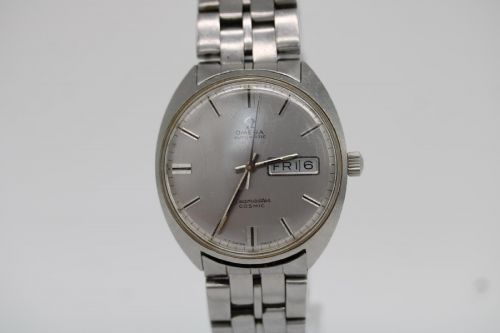
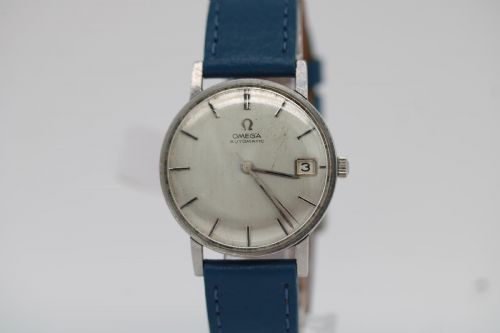
A silver dial omega watch combines enduring horological heritage with versatile mid-century design, offering collectors a reliable timepiece spanning pocket watches to automatic wristwatches.
Silver Dial Omega Watch
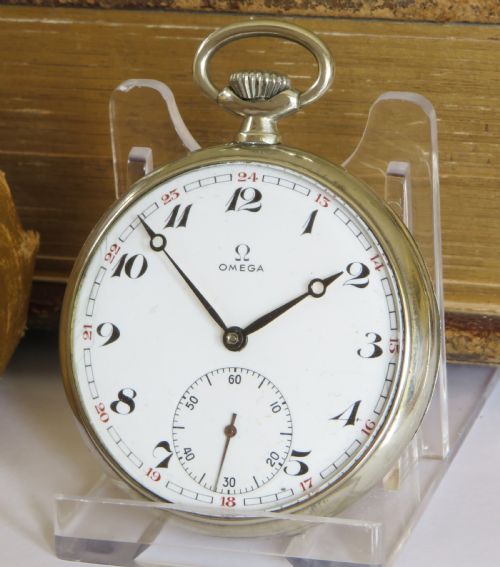
A silver dial omega watch represents a diverse category of timepieces encompassing both pocket watches and wristwatches produced across multiple decades. Buyers searching for this phrase encounter formats ranging from early twentieth-century pocket watches to robust mid-century wristwatches.
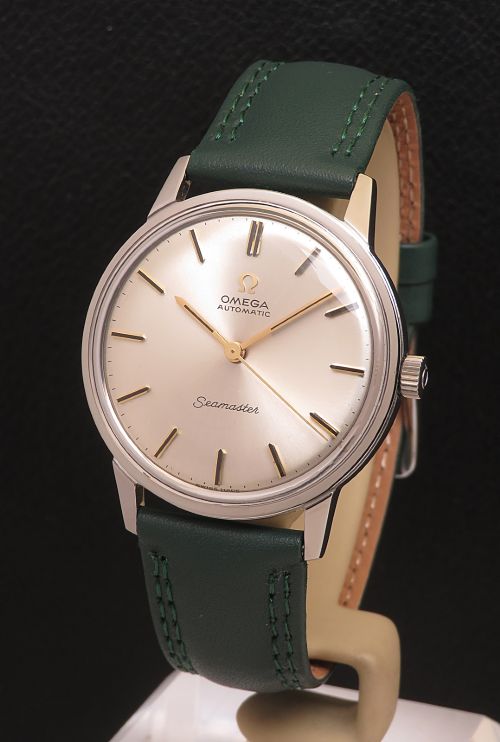
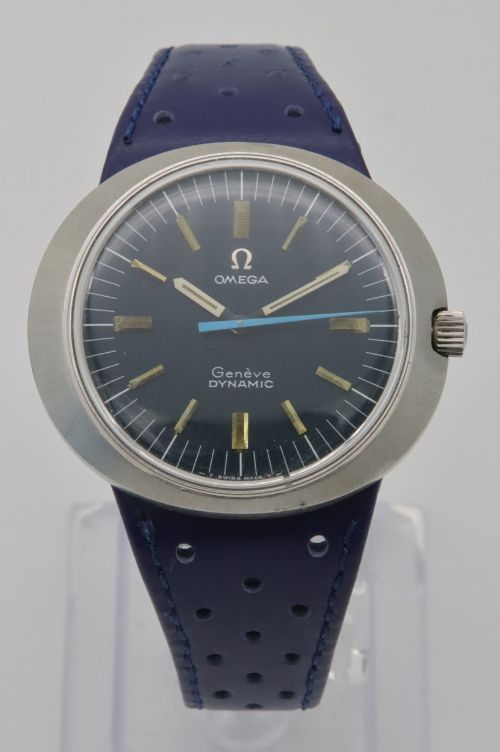
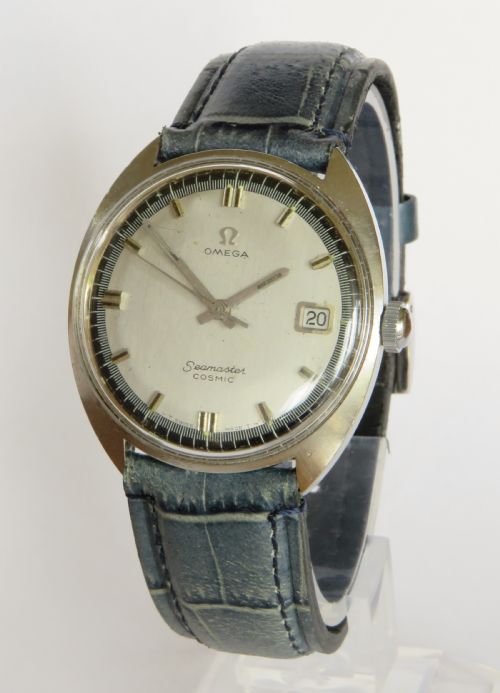
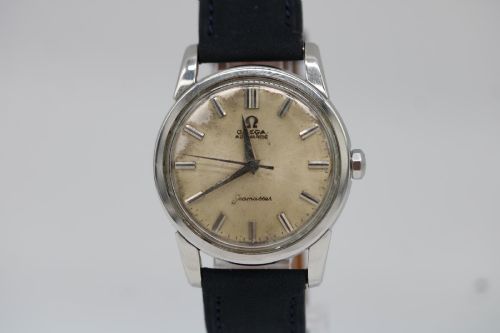
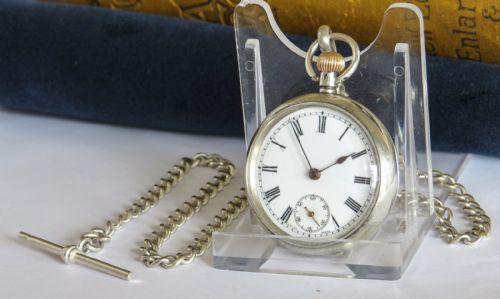
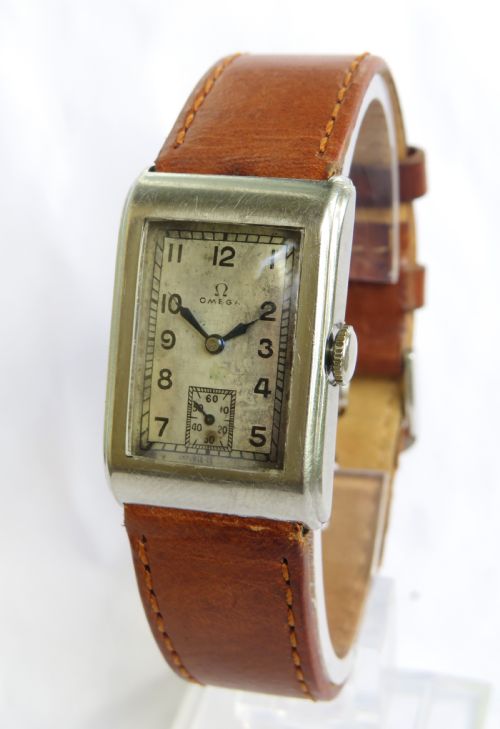
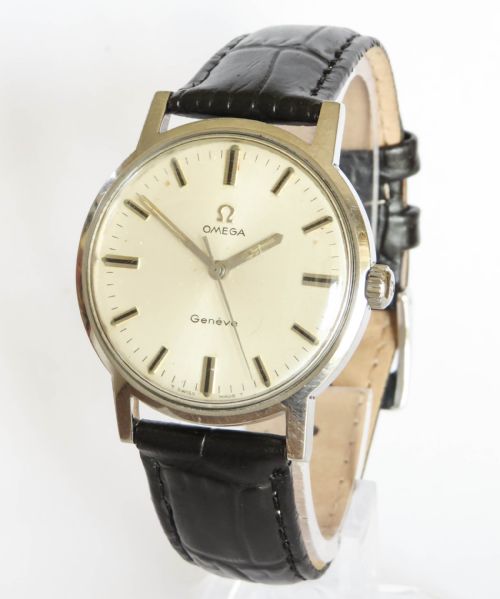
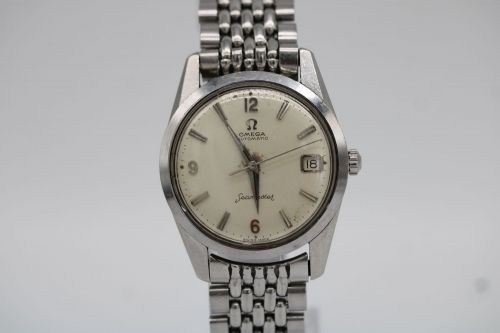
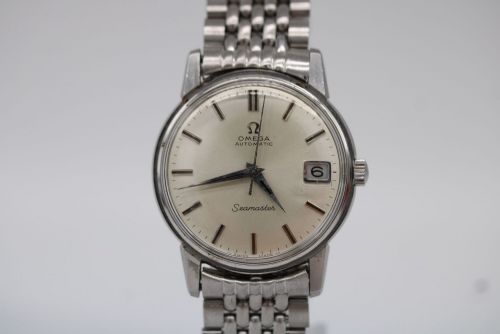
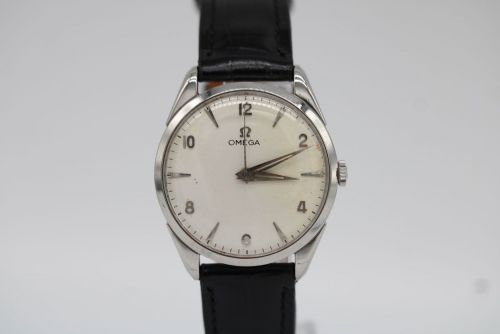
The selections on this page heavily feature mid-century automatic and manual wind wristwatches, particularly models from the Seamaster, Geneve, and Cosmic lines. Alongside these, earlier pocket watches and military-issued pieces appear from periods spanning the Edwardian era through the nineteen-seventies.
Materials and construction
The construction of these timepieces relies heavily on stainless steel cases paired with acrylic glass crystals protecting the delicate dials within. Leather straps typically secure wristwatches to the wrist, while pocket watches utilise matching metal chains.
Some military pieces found a second life in overseas airforces, carrying quiet histories inside unassuming steel cases.
Assessing quality in vintage timepieces
Quality in these horological items rests primarily on the original condition of the dial and the preservation of the case lines. Examples retaining factory finishes on the steel and unblemished silver surfaces command greater interest from discerning collectors.
The mechanical integrity of the movement and the presence of original components further distinguish superior pieces. Items retaining signed crowns, correct calibre movements, and documented servicing histories demonstrate higher standards of preservation.
Omega
The Silver Dial Omega Watch Glossary
- Calibre
- The specific internal movement designation created by the manufacturer. Each calibre number corresponds to a distinct mechanical layout and size.
- Manual wind
- A mechanical movement requiring the user to turn the crown by hand to tension the mainspring. This traditional winding method precedes automatic self-winding technology.
- Automatic
- A self-winding mechanical movement that uses a weighted rotor to tension the mainspring using the natural motion of the wearer's wrist.
- Acrylic glass
- A lightweight, shatter-resistant synthetic material used for watch crystals before the widespread adoption of synthetic sapphire. It can be polished to remove surface scratches.
- Patina
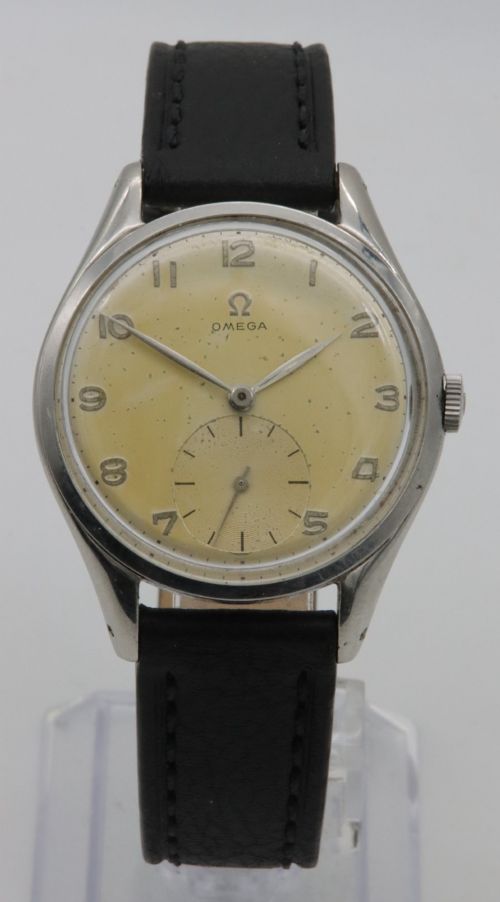
- The natural ageing effect visible on dials and metal components over time. This gentle discoloration signals authentic age and uncompromised originality.
Silver Dial Omega Watch: Frequently Asked Questions
How do I date an omega watch?
Dating these timepieces typically involves referencing the serial number engraved on the internal movement or case back against production ledgers. Movement numbers provide a reliable guide to the year of manufacture.
Stylistic cues such as case geometry, typography on the dial, and calibre types also help narrow down the production decade when serial records are absent.
What is a Seamaster model?
The Seamaster line is a prominent family of water-resistant watches introduced by the manufacturer in nineteen-forty-eight. These versatile pieces evolved from military-inspired waterproof designs into robust everyday dress and sports watches.
Examples from this lineage often feature automatic movements and robust steel cases, making them exceptionally popular among vintage collectors today.
Are pocket watches harder to maintain?
Pocket watches require similar mechanical servicing to wristwatches, typically needing professional cleaning and lubrication every few years to ensure accuracy. Their larger internal components can sometimes be easier for watchmakers to service than miniaturised wristwatch movements.
Daily care involves gentle manual winding and proper storage in a dedicated pocket or protective case to prevent dust ingress.
What does patinated dial mean?
A patinated dial shows natural ageing, such as subtle colour shifts or spotting resulting from exposure to light and air over many decades. Collectors often prize this gentle transformation as evidence of a genuine, untouched surface.
This ageing process differs fundamentally from water damage, maintaining the aesthetic integrity and historical honesty of the piece.