



Old Silver Vessel
An old silver vessel brings heavy metal and Georgian craft straight to the table, offering practical drinking forms and service wares shaped by early plating methods.
Old Silver Vessel
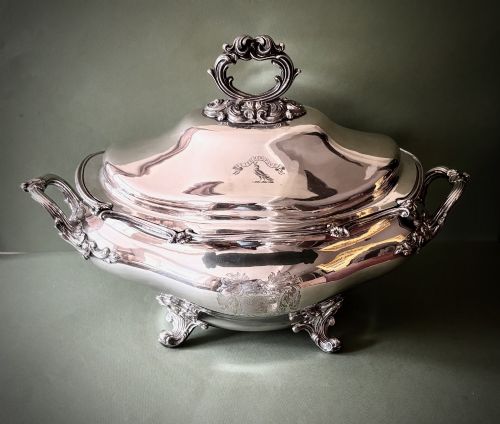
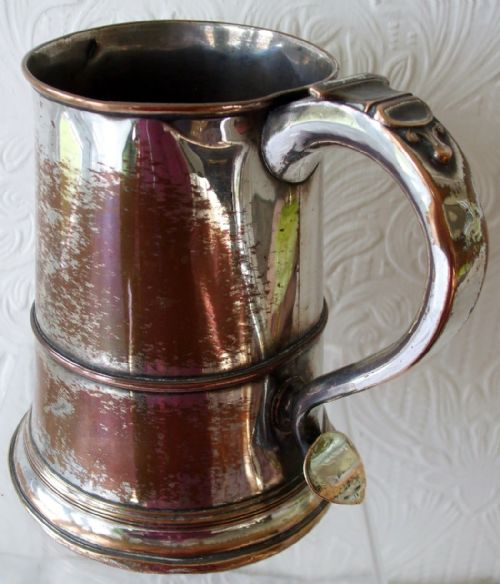
When you search for an old silver vessel, you meet domestic drinking forms and ecclesiastical service pieces spanning the eighteenth and nineteenth centuries. These items include heavy lidded tankards, beer jugs, coffee pots, chalices, and tureens.
The objects on this page belong predominantly to the Georgian and Regency periods, stretching into early Victorian ecclesiastical designs. Tankards and coffee pots appear most frequently among the listings, alongside communion vessels and gravy warmers.
Makers working in Sheffield and English workshops produced these forms using copper bases fused with silver sheets. Buyers encounter both secular drinking vessels and formal dining pieces carrying the weight and presence of their original functional eras.
Materials and construction methods
Makers forged these objects primarily from Old Sheffield Plate and silver plate, applying thin layers of silver fused to a copper core. This technique allowed workshops to produce substantial hollowware that resembled solid silver without the prohibitive cost.
Auxiliary components incorporated wood, cane, and bone, particularly in the handles of coffee pots and tankards to insulate against heat. These organic elements survived alongside sturdy copper bodies and applied metal mounts.
Old Silver Vessel Retail Price Guide 2026
Typical asking prices for old silver vessel among the pieces listed under this phrase on Sellingantiques today, from the lower quarter to the upper quarter. They describe what is for sale here now, not the wider market.
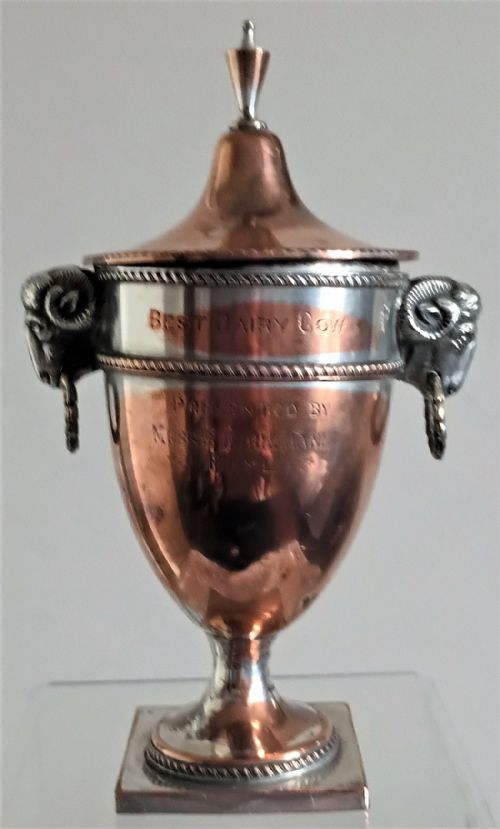
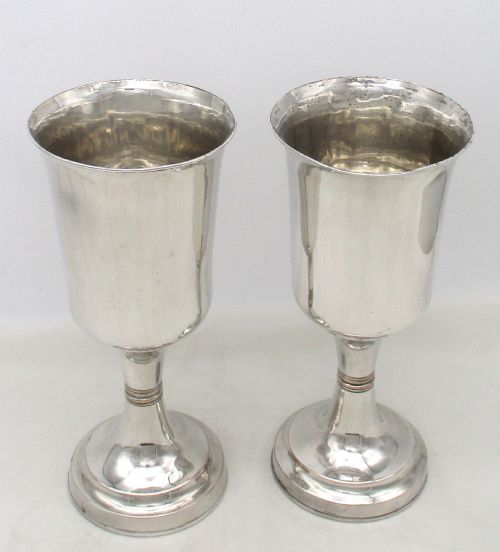
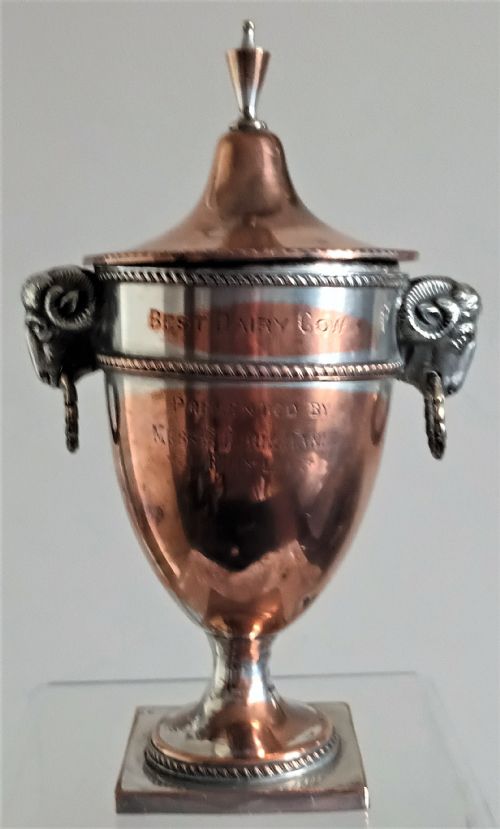
Object forms on this page include communion chalices, miniature chestnut urns, coffee pots, and lidded tankards.
Distinctions in craftsmanship
Quality separates objects by the preservation of the fused silver sheet over the underlying copper base. Pieces retaining crisp cast mounts, sharp maker marks, and minimal bleed of the base metal demonstrate superior original manufacture.
The integration of secondary materials like bone or wood handles and the complexity of the form, such as lidded urns or double-walled argyls, dictate the tier of the piece. Well-balanced proportions and heavy gauge metal separate standard service items from exceptional examples.
Richard Morton
The Old Silver Vessel Glossary
- Old Sheffield Plate
- A composite material formed by fusing a sheet of silver to a copper ingot before rolling them into thin sheets together. This technique created the dominant medium for domestic hollowware before electroplating replaced it.
- Argyle
- A vessel designed to keep gravy warm by utilising an internal cylinder filled with boiling water. This form prevented sauces from congealing during long Georgian meals.
- Chalices
- Stemmed ceremonial cups used during communion services. These ecclesiastical pieces frequently display Gothic or classical revival styling.
- Hollowware
- Table vessels such as pots, jugs, tankards, and tureens formed into three-dimensional containers rather than flatware. These items required skilled raising and soldering techniques from metalworkers.
Old Silver Vessel: Frequently Asked Questions
What is Old Sheffield Plate?
Old Sheffield Plate consists of a thin layer of silver fused to a heavy copper core through heat and pressure. This composite material was invented in the eighteenth century to create affordable luxury tableware.
Under magnification or along worn rims, you can sometimes spot the reddish copper tint showing through where the top silver sheet has thinned.
Can I still use these vessels for drinks?
Most antique hollowware remains structurally sound, but historic solders and lining wear mean modern consumption is discouraged. Many collectors prefer to display these items as decorative art.
If you choose to use a tankard or jug, inspect the interior for cleanliness and ensure no deteriorating materials remain in the handles or joints.
How do I date these metal items?
Dating relies on stylistic shifts from rococo curves to neoclassical restraint, alongside construction details like visible copper seams. Maker marks and registry numbers stamped into the base offer further chronological clues.
Comparing handle attachment methods and weight distributions against documented pieces from the Georgian and Regency eras helps narrow the production window.