



Old Silver Cutlery
Old silver cutlery brings the weight of the Georgian and Victorian table to hand through serving spoons, soup ladles, and knife trays.
Old Silver Cutlery
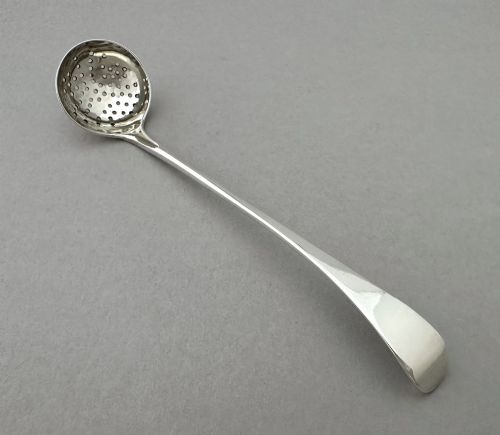
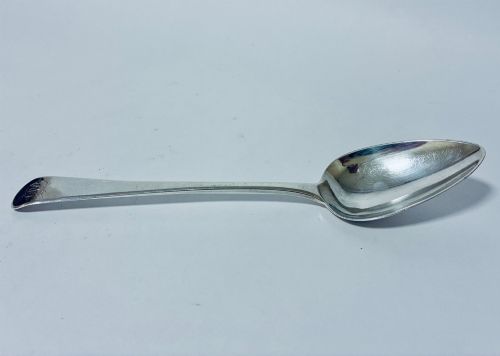
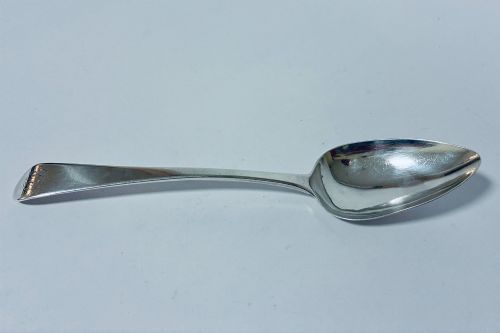
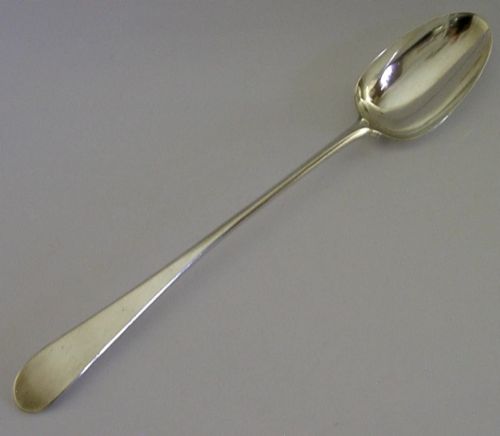
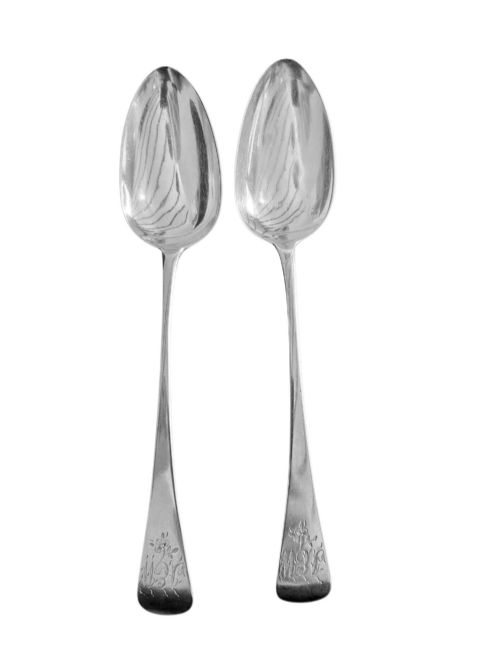
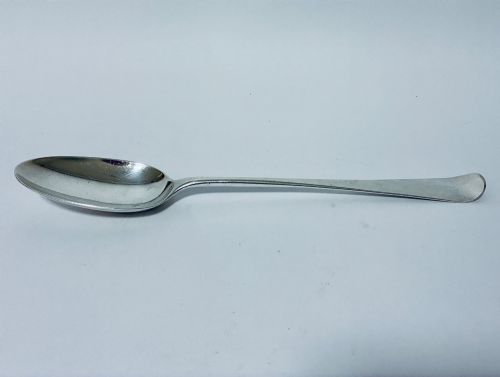
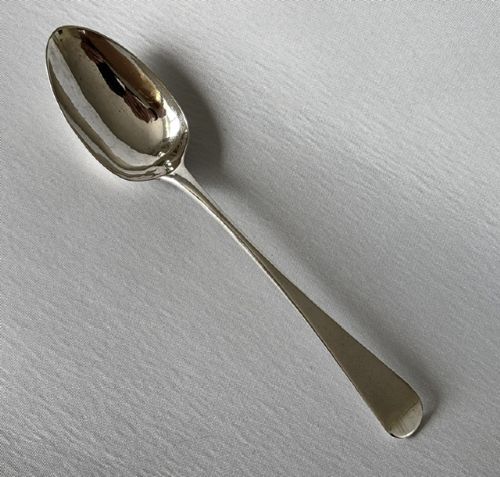
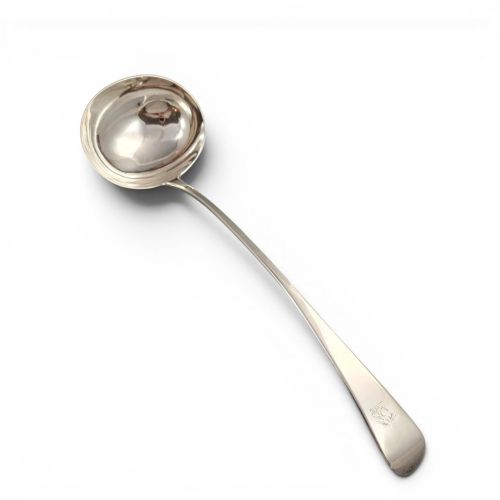
Old silver cutlery encompasses serving spoons, basting spoons, soup ladles, sardine serving forks, and knife trays spanning the Georgian era into the nineteenth century. These pieces reflect the dining customs of eighteenth and nineteenth-century households, where functional silver tableware held a central place at the table.
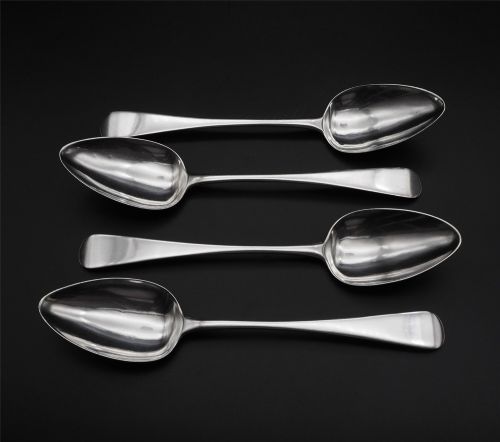
The versions most commonly met on this page belong to the Georgian and George III periods, executed in sterling silver or Old Sheffield plate. Makers worked in London, Exeter, Scotland, and Ireland, producing specific forms such as the Old English pattern or provincial variants.
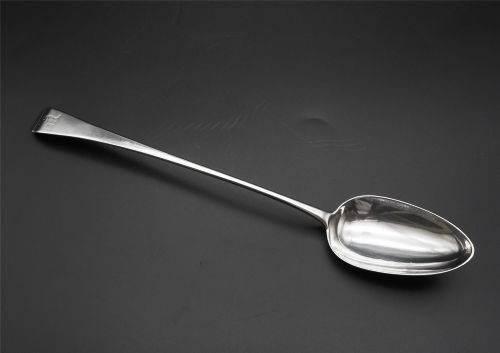
Buyers encounter serving pieces predominantly, including large basting spoons and sets of tablespoons designed for communal service rather than individual place settings. Alongside spoons and ladles, silver-plated knife trays provide the serving vessels that completed the dining room arrangement.
Materials and Methods
The physical construction of old silver cutlery relies primarily on sterling silver and Old Sheffield plate, occasionally incorporating copper elements beneath plated surfaces. Silversmiths hammered and shaped sterling silver into heavy serving forms, applying hallmarks to record assay office origins and dates.
Old Sheffield plate involves fusing a thin layer of silver onto a copper base, creating durable serving trays that mimic solid silver construction. Craftspeople shaped these trays and spoons using traditional hand-hammering and rolling techniques characteristic of eighteenth and nineteenth-century metalwork.
Old Silver Cutlery Retail Price Guide 2026
Typical asking prices for old silver cutlery among the pieces listed under this phrase on Sellingantiques today, from the lower quarter to the upper quarter. They describe what is for sale here now, not the wider market.
Listings feature items spanning the 18th Century, Georgian period, 19th Century, and 1900, utilising sterling silver, silver plate, and Old Sheffield plate.
Assessing Quality and Distinction
Quality in old silver cutlery rests on the crispness of the maker's mark, the preservation of original bowl shapes, and the clarity of engraved patterns. Pieces bearing distinct town marks, date letters, and maker initials command greater interest from collectors.
The thickness of the silver or plate and the absence of heavy wear across scraping edges determine the desirability of spoons and trays. Superior examples retain their original balance and structural integrity without excessive thinning from centuries of use and cleaning.
John Lambe·Peter and Jonathan Bateman·Creswick·Walker Knowles·Alvin
The Old Silver Cutlery Glossary
- Sterling silver
- A silver alloy containing 92.5 percent pure silver by mass, with the remainder composed of copper or other metals. This standard has served as the baseline for British silver tableware for centuries.
- Old Sheffield plate
- An early form of silver plating produced by fusing a sheet of silver to a copper ingot before rolling them into thin sheets. This technique predates modern electroplating.
- Basting spoon
- A large spoon utilised in the kitchen or at the table for pouring juices over meat during roasting or serving. These items frequently exceed the length of standard tablespoons.
- Soup ladle
- A deep-bowled serving spoon with a long handle designed for portioning soup from a tureen into individual bowls. They often feature matching patterns to regional flatware sets.
- Old English pattern
- A traditional flatware and cutlery design characterised by a downward-turned handle end and a central ridge along the back. It became popular during the late eighteenth century.
Old Silver Cutlery: Frequently Asked Questions
What is the difference between sterling and plated cutlery?
Sterling silver consists of solid precious metal throughout, marked with statutory assay symbols to guarantee its composition. Old Sheffield plate applies a thin silver layer over a copper core.
Plated pieces offer the visual weight of silver while utilising a base metal underneath. Over time, heavy polishing can reveal the copper layer beneath the silver surface on plated items.
How do I identify Georgian silver spoons?
Georgian silver spoons typically feature clear hallmarks including a leopard head, a lion passant, and a date letter corresponding to the reign of George III. Maker marks are stamped directly into the reverse of the handle.
Regional pieces carry distinct marks such as provincial town symbols or Dublin figures for Irish items. The Old English pattern is frequently encountered on spoons from this era.
How were basting spoons used?
Basting spoons served to scoop pan drippings and juices over roasting meats in the kitchen. Their generous length kept hands away from heat sources during food preparation.
At the dining table, large serving spoons fulfilled similar duties for portioning out substantial dishes. Their substantial size distinguishes them from standard dining flatware.
How should I clean old silver cutlery?
Old silver benefits from gentle washing in warm water with a mild, non-abrasive liquid soap. Soft cloths prevent scratching the delicate historical surfaces.
Commercial dips can strip away desirable patination and damage plate layers on fused items. Regular handling and minimal cleaning preserve the natural finish developed over generations.
Can I use antique cutlery every day?
Solid sterling silver serving pieces remain durable enough for regular dining use if handled with care. Hand washing prevents the high temperatures and harsh detergents found in modern dishwashers from damaging the metal.
Plated items require more caution to avoid wearing through the thin silver layer over decades of frequent use. Storing pieces in lined drawers protects them from unnecessary friction.