

Old Sheffield Plated Silver
Old sheffield plated silver fuses the rich appearance of solid metal with an ingenious fused-layer technique.
Old Sheffield Plated Silver
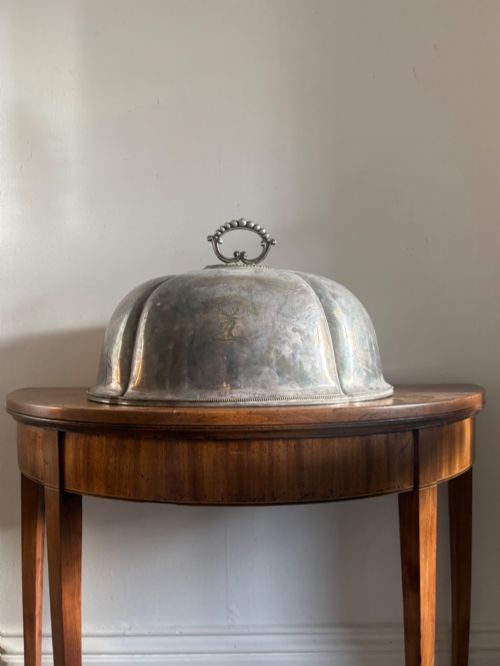
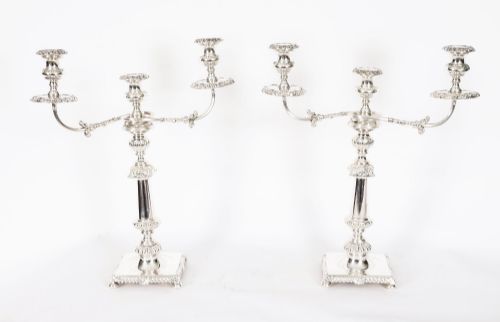
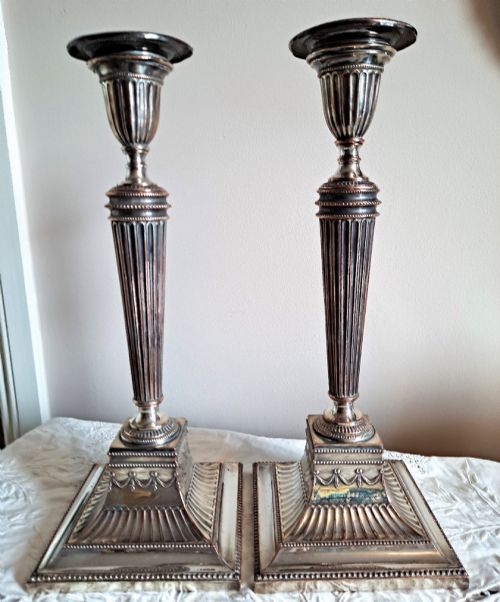
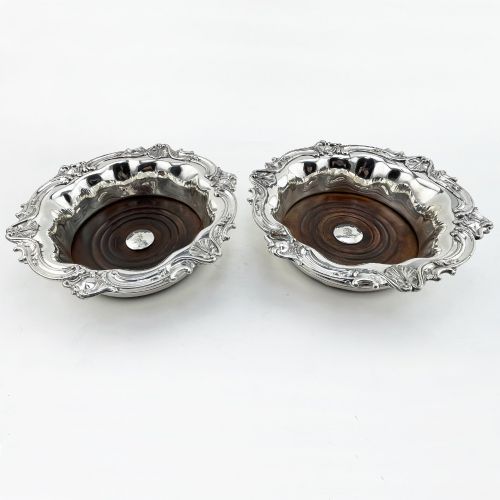
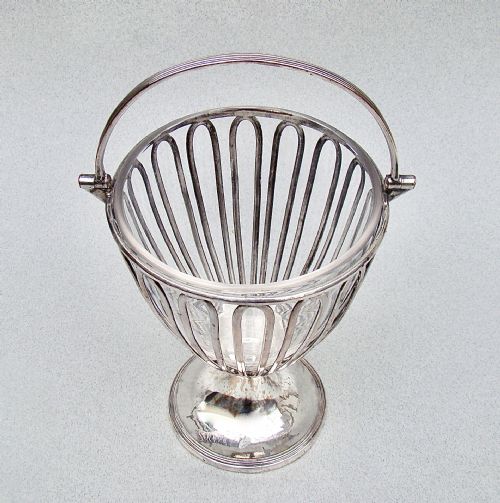
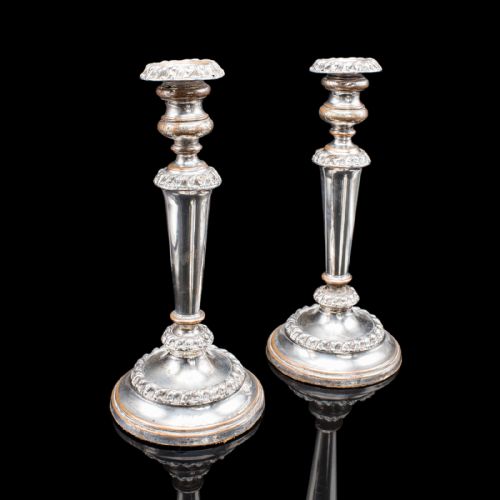
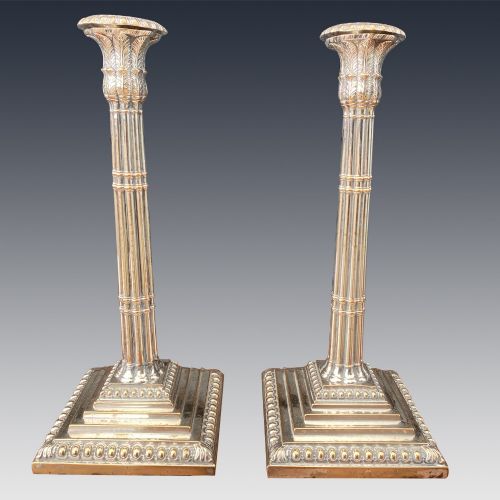
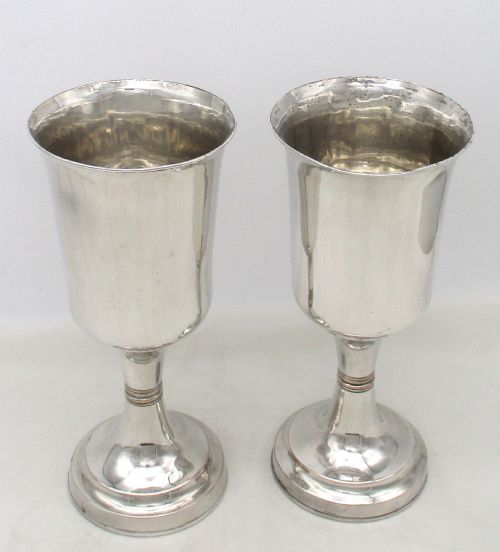
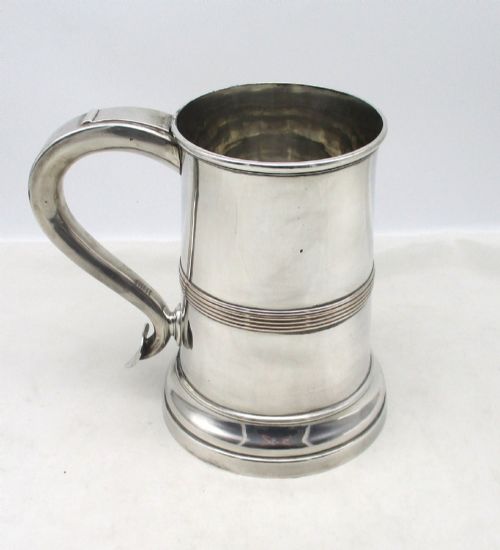
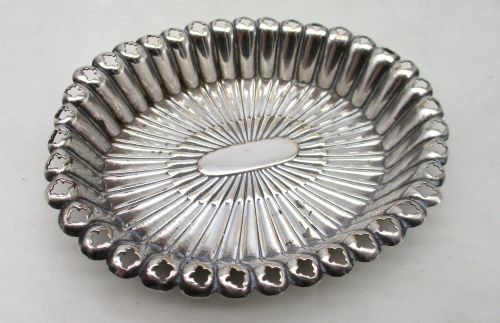
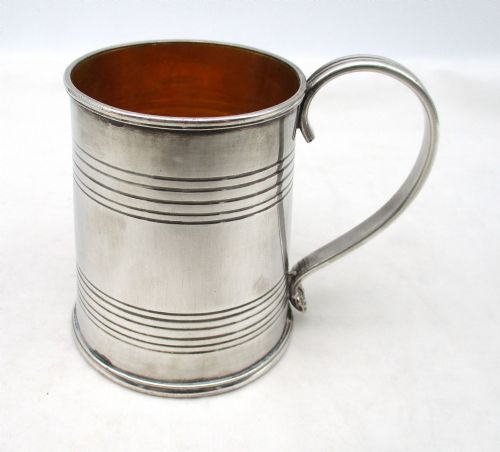
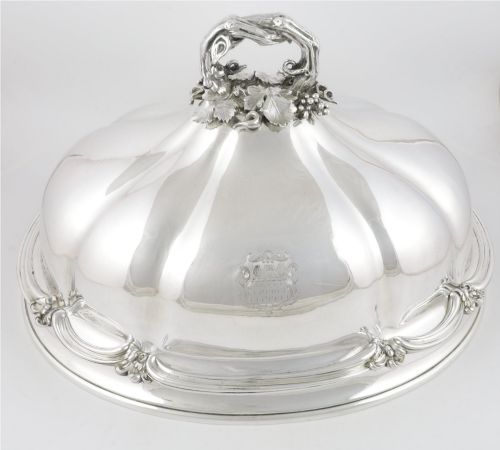
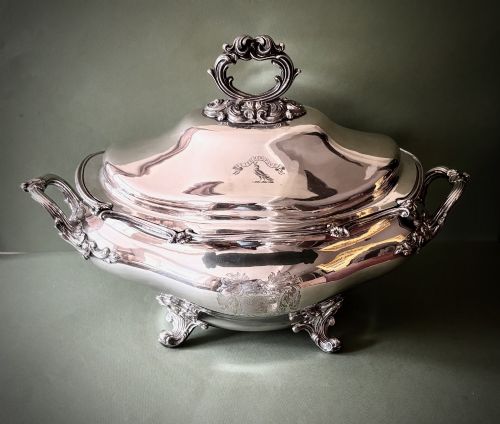
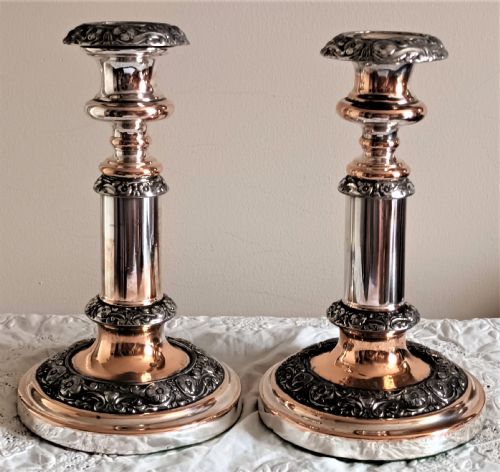
Old sheffield plated silver encompasses domestic and dining wares produced predominantly across the eighteenth and nineteenth centuries, spanning Georgian and Victorian periods. Buyers seeking these items encounter candlesticks, wine coasters, coffee pots, tankards, and meat domes originating from workshops in Sheffield and beyond.
Manufacturing and Materials
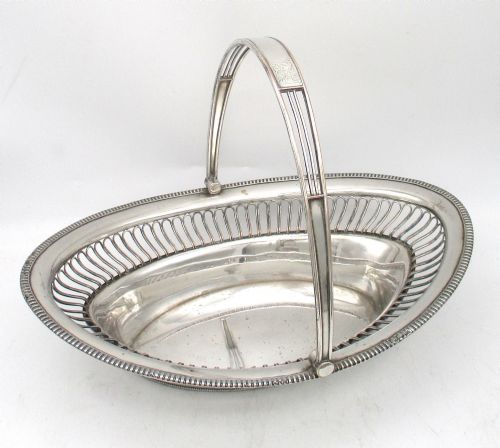
The technique relies upon fusing a thin sheet of silver to a thicker copper core under intense heat, creating a composite material that could then be worked into vessels. Manufacturers often incorporated solid silver wire edges, known as silver mounts or edges, to conceal the exposed copper seams at the rims of trays, baskets, and tankards.
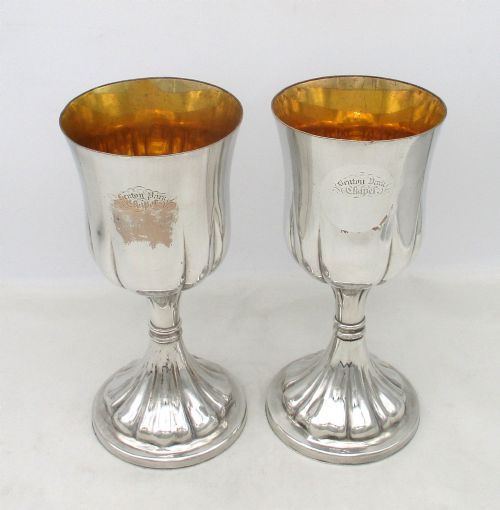
Wood and mahogany frequently appear as supportive elements in the bases of wine coasters and bottle holders, providing structural stability beneath the plated metal. Details such as gilt highlights inside vessels and applied crests or coats of arms demonstrate the layered construction and decorative finishing typical of the method.
Old Sheffield Plated Silver Retail Price Guide 2026
Typical asking prices for old sheffield plated silver among the pieces listed under this phrase on Sellingantiques today, from the lower quarter to the upper quarter. They describe what is for sale here now, not the wider market.
The listings feature eighteenth and nineteenth-century pieces incorporating copper, silver plate, wood, and mahogany across diverse forms.
Assessing Quality and Execution
Quality rests upon the preservation of the original silver layer over the underlying copper base, alongside the crispness of chased or embossed decorative motifs. Pieces exhibiting refined proportional balance and intact silver edging demonstrate superior craftsmanship from established makers.
The integration of maker marks, applied crests, and complex forms like lyre-shaped candelabra or telescopic mechanisms distinguishes higher-tier production. Simpler utilitarian wares retain functional charm, while elaborate multi-piece suites and matched sets represent more ambitious workshop output.
Roberts Cadman·Henry Wilkinson·Creswick·Richard Morton·Matthew Boulton·John Hoyland·Padley Parkin
The Old Sheffield Plated Silver Glossary
- Old Sheffield Plate
- A composite material made by fusing silver onto a copper ingot, developed in the eighteenth century before electroplating replaced the method.
- Meat Dome
- A large domed cover used to keep joints of meat warm on the dining table, often fitted with a handle.
- Wine Cooler
- A vessel designed to chill wine bottles at the table, frequently featuring decorative handles and deep proportions.
- Argyle
- A specialised gravy or sauce pot containing a central compartment for hot water to keep the contents warm.
- Sconce
- A detachable nozzle or drip pan fitted into the top of a candlestick to catch melting wax.
Old Sheffield Plated Silver: Frequently Asked Questions
How do I identify old sheffield plate?
Look closely at exposed edges and worn areas where the underlying reddish copper tone shows through the silver layer. This characteristic dual-layer composition distinguishes the fused technique from later electroplated wares.
Examination of the weight, construction seams, and any maker marks or device stamps further aids identification of pieces from the Georgian and Victorian eras.
Were these items used daily?
Dining wares such as tankards, coffee pots, wine coasters, and meat domes served active roles in period households for serving meals and drinks. Wealthy dining rooms utilised these pieces regularly for entertaining guests and family meals.
Many surviving items bear crests or coats of arms, indicating ownership by prominent families who integrated them into daily domestic life.
How do I clean old sheffield plated silver?
Gentle cleaning with a soft cloth and mild silver polish preserves the remaining metal without wearing through the thin silver sheet to the copper beneath. Avoid harsh abrasive cleaners or aggressive scrubbing that can damage the historical surface.
Regular, careful maintenance keeps the finish bright while respecting the age and delicate nature of the fused metal.
Can I date pieces by their style?
Design vocabulary shifts from Georgian neoclassicism and wirework structures toward heavier Regency forms and later Rococo Revival ornamentation. Comparing decorative motifs with established period aesthetics helps narrow down the decade of production.
Associated hallmarks, maker marks, and secondary materials like mahogany bases provide additional chronological markers for specific items.