



Old Sheffield Plated Dish
An old sheffield plated dish brings heavy Georgian and Regency serveware onto the dining table with genuine fused metal character.
Old Sheffield Plated Dish
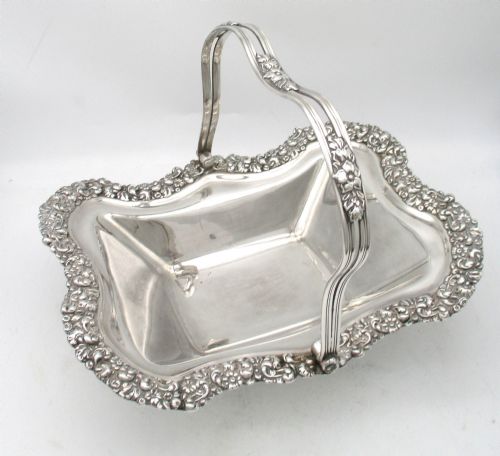
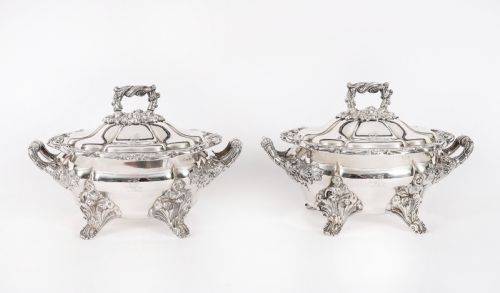
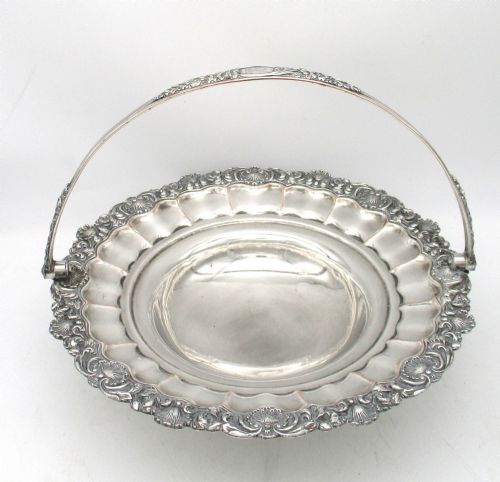
When you search for an old sheffield plated dish, you encounter substantial dining pieces created across the Georgian, Regency, William IV, and Early Victorian eras. These items span functional serveware including meat domes, food covers, tureens, warming dishes, trays, and baskets.
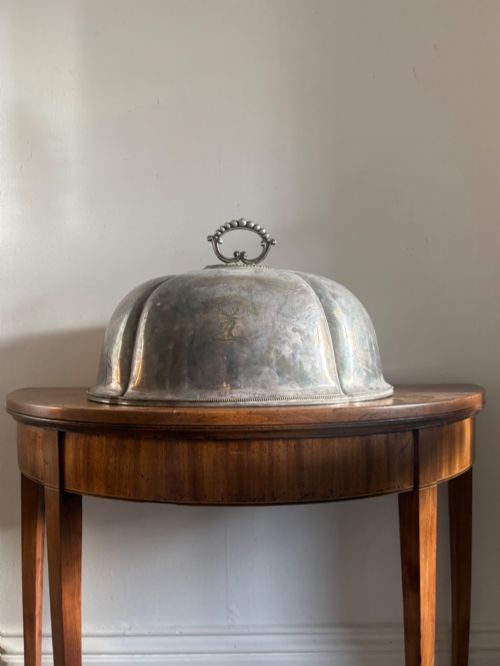
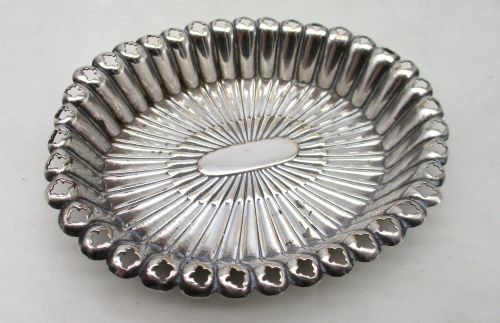
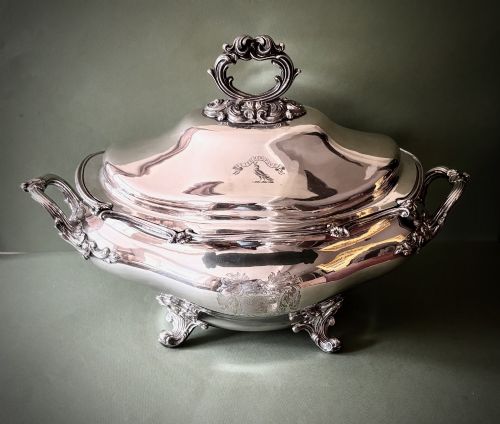
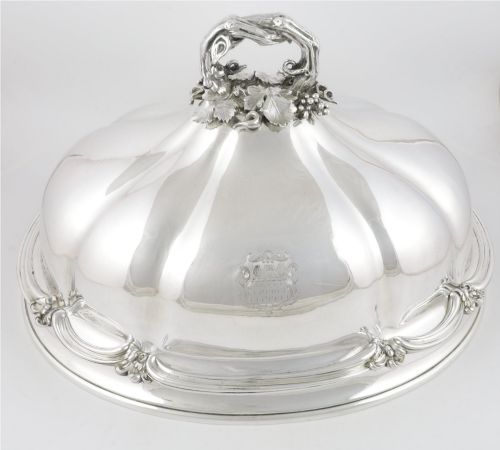
The pieces you are most likely to meet on this page include meat domes, lidded sauce tureens, serving baskets, and dinner plates dating from the mid-eighteenth century through to the nineteenth century. The collection encompasses both singular statement pieces and matched pairs used for grand nineteenth-century dining.
Materials and construction
These items are constructed using a fused layering technique where a thin sheet of silver is fused to a thicker base of copper. This distinct method leaves a tell-tale edge where the underlying copper often shows through subtly.
Makers shaped copper and silver plate into substantial forms such as wirework baskets, lidded serving tureens, and large meat domes. Detailed elements like crests and decorative handles were integrated into the heavy serveware.
Old Sheffield Plated Dish Retail Price Guide 2026
Typical asking prices for old sheffield plated dish among the pieces listed under this phrase on Sellingantiques today, from the lower quarter to the upper quarter. They describe what is for sale here now, not the wider market.
Several heavy meat domes carry the literal weight of aristocratic dinners, including one piece once owned by the Duke of Somerset.
Evaluating the standard
Quality rests in the preservation of the original silver layer over the copper base, where heavy wear reveals the red metal beneath. Pieces that retain their crisp engraving, original crests, and maker marks stand apart from heavily polished examples.
The robustness of large forms like meat domes and warming dishes determines their standing. Substantial gauge metal and intact wirework or lidded mechanisms distinguish the finer pieces from simpler tableware.
Roberts Cadman·Henry Wilkinson·Creswick·Matthew Boulton·Walker Knowles
The Old Sheffield Plated Dish Glossary
- Old Sheffield Plate
- A composite material made by fusing silver to a copper ingot before rolling them into sheets together. This technique predates modern electroplating.
- Meat Dome
- A large cover designed to keep roasted joints warm on the dining table. These are frequently marked by prominent handles and engraved crests.
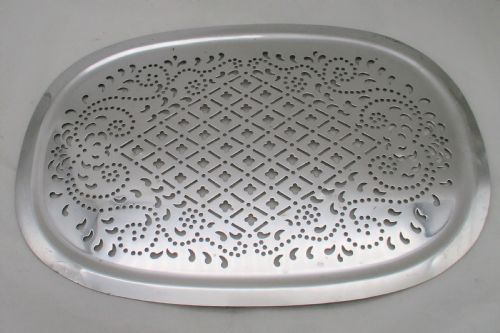
- Mazarine
- A pierced draining plate placed inside a dish to keep food clear of accumulated juices. It is a specialised form of nineteenth-century tableware.
- Wirework Basket
- A decorative vessel formed from crossed metal wires rather than solid sheet metal. They appear in fine Georgian and Regency serveware.
Old Sheffield Plated Dish: Frequently Asked Questions
How do I spot real old sheffield plate?
Genuine old sheffield plate exhibits a visible copper edge or seam where the silver sheet meets the base metal, particularly on rims or worn spots. Modern electroplate lacks this distinctive fused sandwich construction.
Examining the weight and hand-finished details also helps distinguish these early pieces from later Victorian silver-plated reproductions.
What were meat domes used for?
Meat domes were placed over large roasts and joints on the dining table to retain heat and keep food warm between courses. Wealthy households used them during elaborate Georgian and Regency banquets.
They often featured engraved family crests and sturdy handles to lift the heavy cover away when serving.
How do I date a piece?
Dating relies on stylistic clues like Regency wirework, Georgian crests, and the evolution of manufacturing techniques from the eighteenth to nineteenth centuries. Makers marks, where present, help anchor the piece to a specific workshop.
Heavier forms and specific decorative motifs align the items with periods like William IV or Early Victorian.