

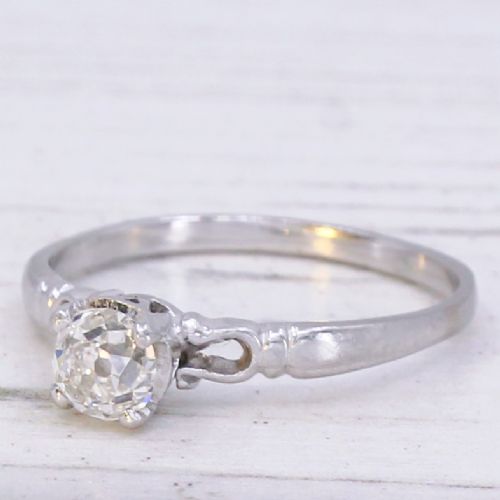
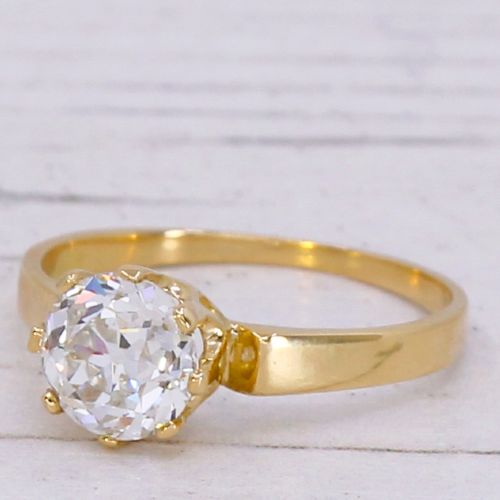
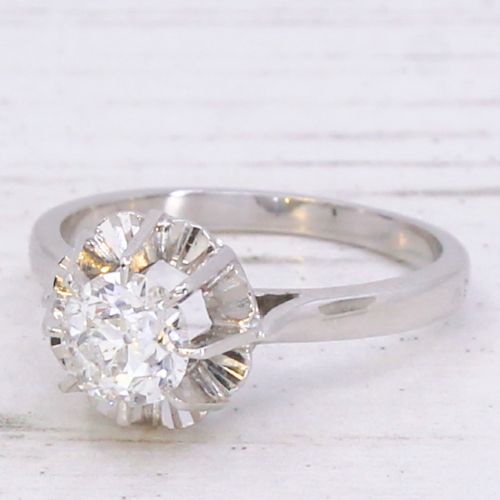
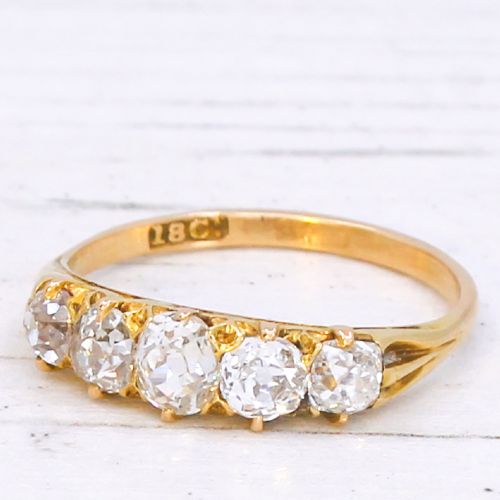
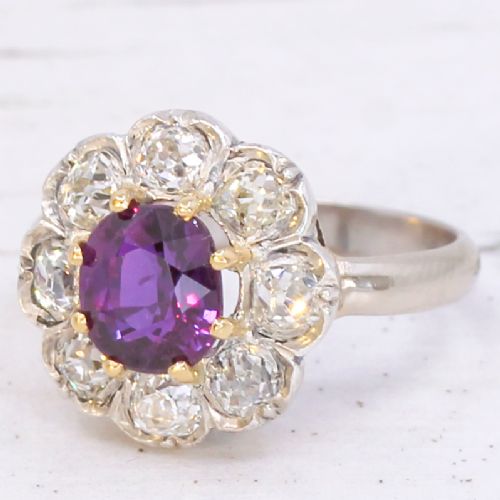
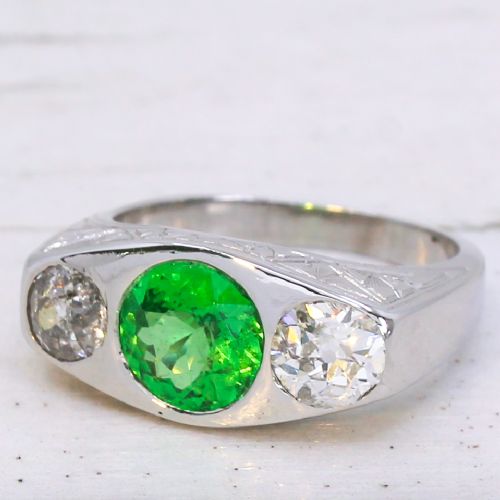
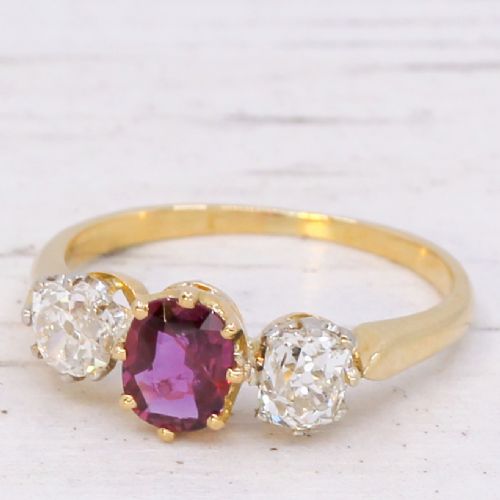
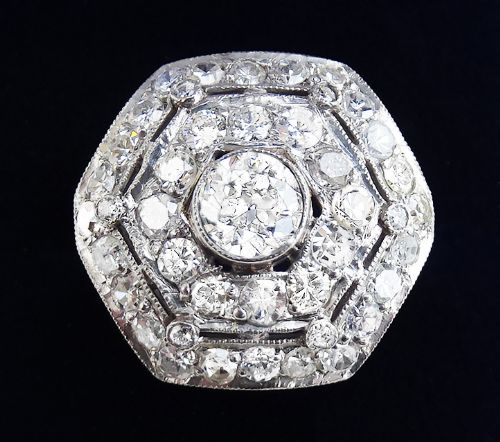
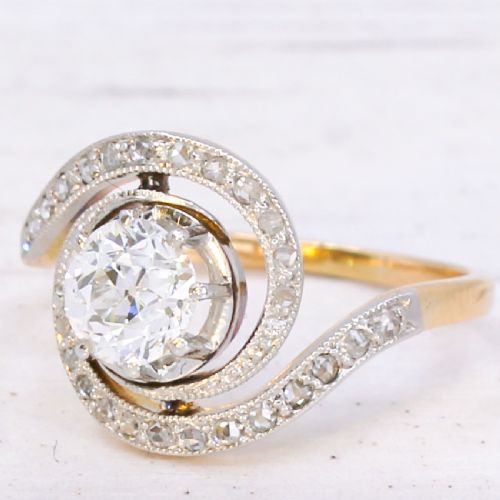
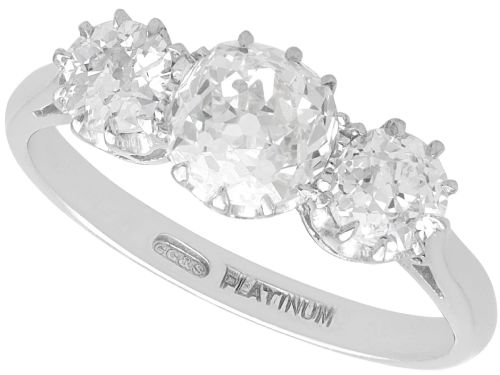
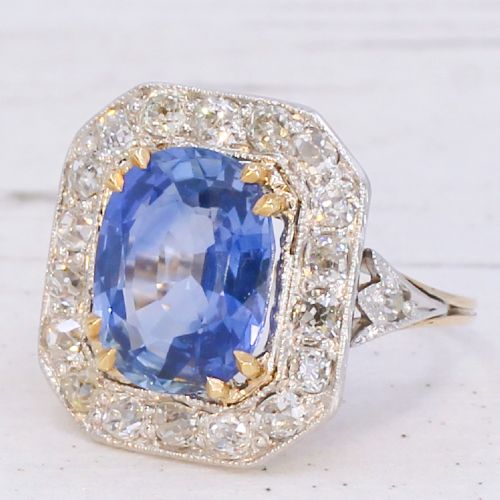
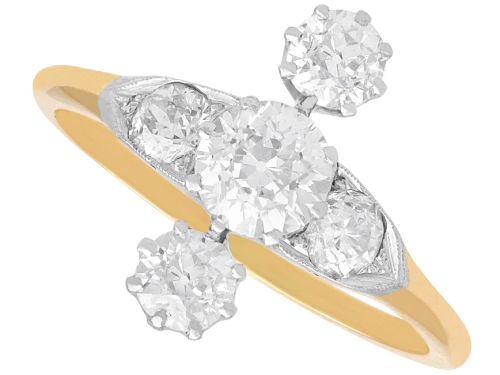
Old Cut Diamond Engagement Ring
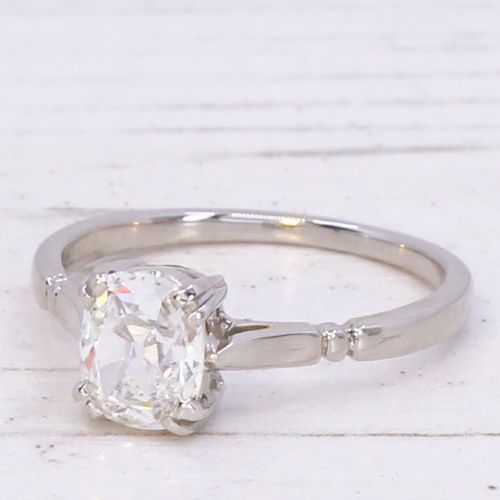
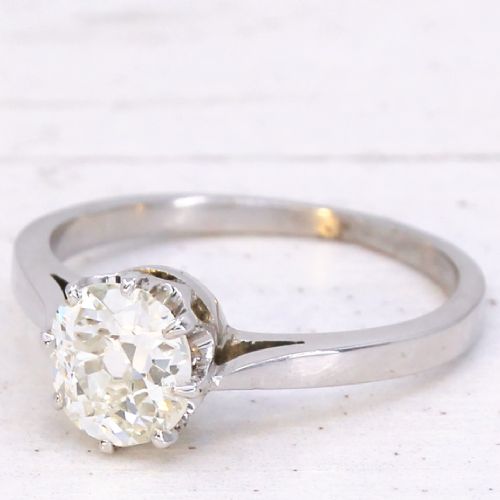
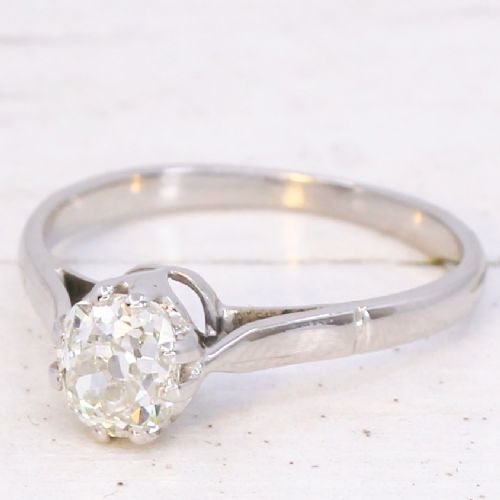
An old cut diamond engagement ring brings together hand-forged metals and deep-faceted stones shaped before modern machinery took over.
Old Cut Diamond Engagement Ring
When you search for an old cut diamond engagement ring, you encounter jewels that bridge the Victorian, Edwardian, and Art Deco eras. These pieces demonstrate the evolution of stone cutting from late nineteenth-century techniques into twentieth-century geometric designs.
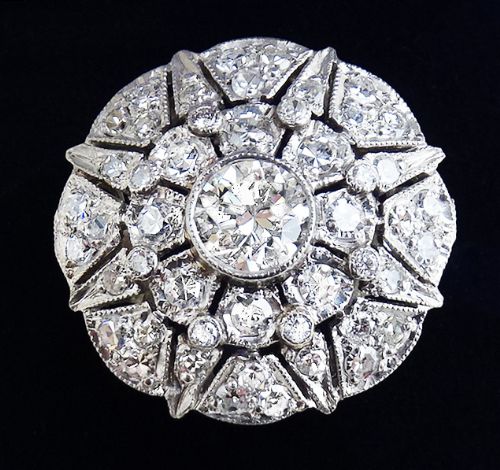
The most common formats on this page include single-stone solitaires, multi-stone rings, and cluster arrangements where diamonds surround rubies, sapphires, or emeralds. Metals span yellow gold, rose gold, white gold, and platinum, often paired within the same mounting during transition periods.
Materials and construction
Goldsmiths utilised yellow gold, rose gold, and platinum to house these hand-faceted stones. Platinum gained popularity in Edwardian and Art Deco settings for its strength in delicate, lace-like mounts.
Diamonds in these mountings display hand-cut facets, including mine cuts, old cushion cuts, and old pear cuts. These stones were shaped by hand to catch candlelight, producing broader flashes rather than the precise brilliance of modern brilliant cuts.
Old Cut Diamond Engagement Ring Retail Price Guide 2026
Typical asking prices for old cut diamond engagement ring among the pieces listed under this phrase on Sellingantiques today, from the lower quarter to the upper quarter. They describe what is for sale here now, not the wider market.
Many stones were shaped to catch the flicker of evening candlelight rather than electric illumination.
Distinctions in quality
Quality in these rings rests on the harmony between the hand-cut diamond and its metal setting. Better examples display careful claw work or grain setting that secures the stone without obscuring its contours.
The integration of coloured gems like rubies, sapphires, or emeralds also influences the character of a piece. Superior settings balance the weight and colour saturation of the central stones with proportional supporting diamonds.
The Old Cut Diamond Engagement Ring Glossary
- Old cut
- A diamond cut by hand before the standardisation of the modern brilliant cut in the early twentieth century. These stones typically feature smaller tables, higher crowns, and larger open culets.
- Mine cut
- An early form of diamond cut originating from the nineteenth century, characterised by a cushion-like outline and high crown. It represents an intermediate step toward modern faceting.
- Cluster ring
- A ring design featuring a central gemstone surrounded by a border of smaller stones. This arrangement maximises visual impact and combines different gem varieties.
- Navette
- A boat-shaped setting that tapers to points at either end. This elongated silhouette sits prominently across the finger.
- Platinum
- A dense, durable white metal widely utilised in Edwardian and Art Deco jewellery. Its strength allowed jewellers to create intricate wirework and secure fragile stones.
Old Cut Diamond Engagement Ring: Frequently Asked Questions
How do I care for an antique ring?
Clean your jewellery gently using warm soapy water and a soft brush, avoiding harsh chemical dips that can damage softer gems like opals or pearls.
Have the settings checked periodically by a professional jeweller to ensure the claws remain secure around the old cut diamonds.
Can these rings be resized?
Most gold and platinum rings from the Victorian, Edwardian, and Art Deco periods can be adjusted by a skilled bench jeweller.
Intricate gallery work or continuous gemstone channels require careful assessment before any alterations take place.
What is an old cut diamond?
An old cut diamond refers to stones shaped by hand rather than modern automated machinery. They possess distinctive proportions designed to catch low-light environments.
These diamonds display characteristic open culets and smaller tables that set them apart from contemporary brilliant cuts.
How do I identify the period?
Dating relies on a combination of metal choices, setting styles, and cutting techniques characteristic of eras like the Victorian period or Art Deco movement.
Hallmarks stamped inside the band often provide official assay office markers and date letters for further verification.