
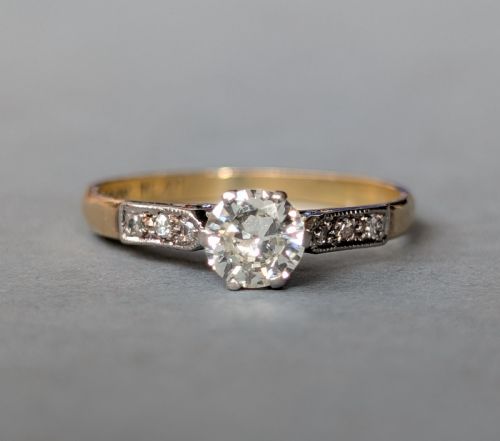


1930s Solitaire Engagement Ring
A 1930s solitaire engagement ring brings enduring Art Deco geometry and hand-cut stones to the finger.
1930s Solitaire Engagement Ring
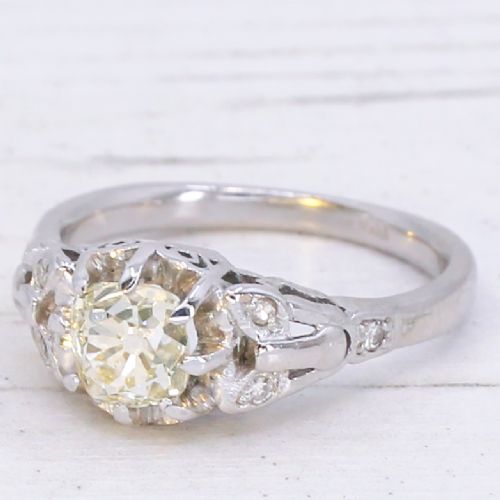
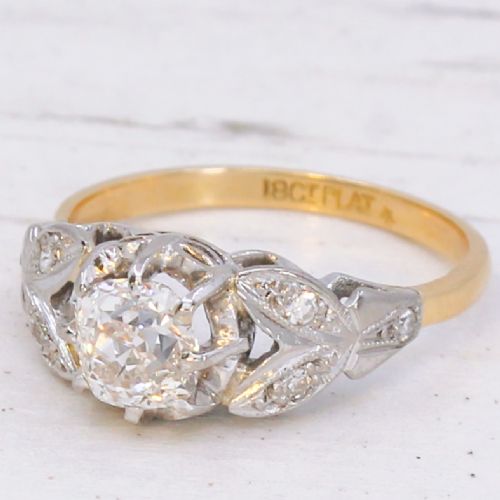
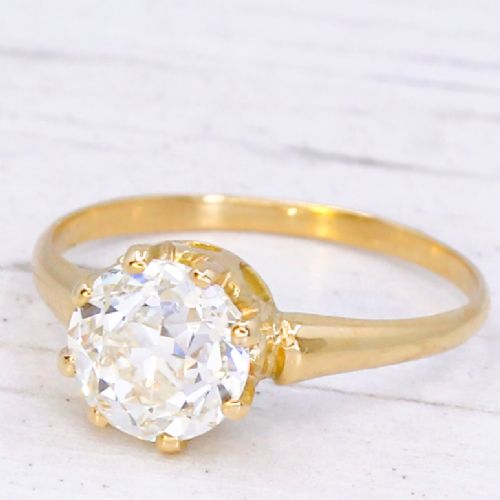
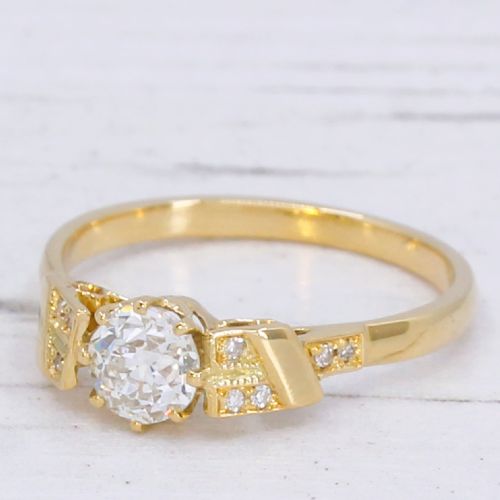
A 1930s solitaire engagement ring centres on a single stone, most commonly an old cut diamond framed by the distinct geometry of the Art Deco period. These rings span periods from the 1920s to the 1940s, reflecting the design transitions of the era.
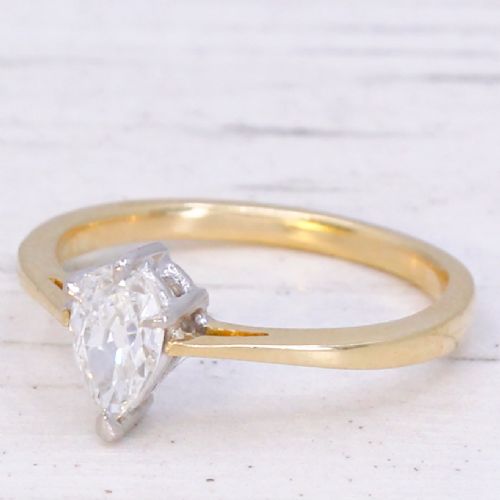
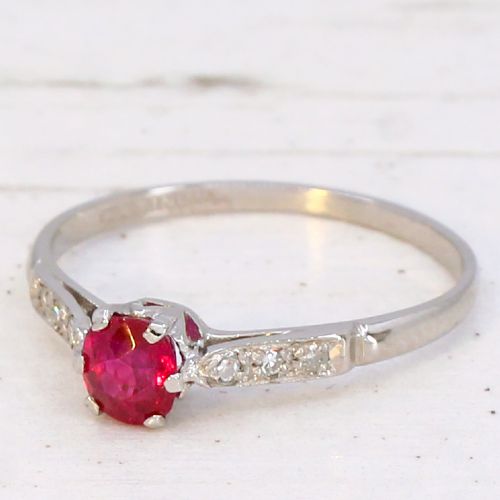
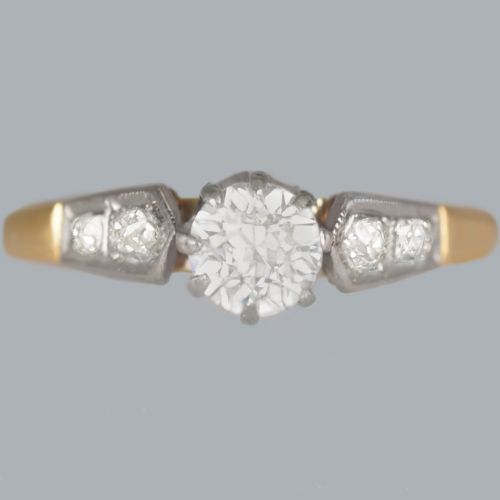
Most examples found here feature a single diamond mounted in platinum or gold, though alternatives set with rubies, emeralds, opals, or pearls also appear. The predominant form is the ring designed to showcase one prominent gem held securely above the band.
How they were made
Metals such as platinum, white gold, yellow gold, and 18ct gold form the foundations of these rings, often combining white and yellow tones within a single mount. Platinum gained favour during this period for its strength and bright finish, allowing for delicate yet secure settings.
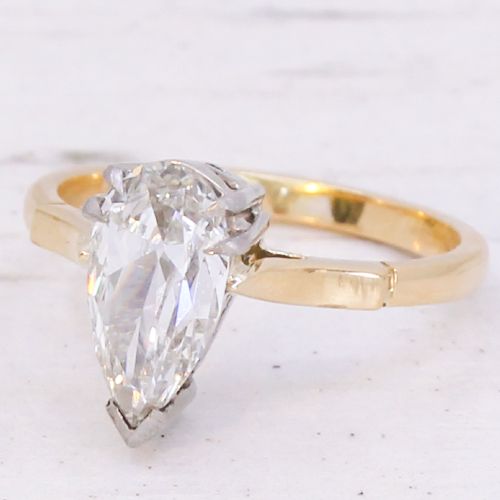
Stones are hand-cut in traditional shapes, notably old cut, old European cut, old pear cut, and transitional cut facets, which produce a softer light return than modern brilliant cuts. Settings utilise precise metalwork to position the central gem firmly while highlighting its natural contours.
Listings feature periods spanning 1920 to 1940, encompassing platinum, white gold, and yellow gold alongside diamonds, rubies, emeralds, opals, and pearls.
What varies in quality
Quality rests in the proportion and optical liveliness of the central stone, alongside the finesse of the metal setting. Stones with generous carat weights and harmonious old-cut faceting command attention, displaying a depth of character unique to hand-cut gems.
The architectural integrity of the mount distinguishes finer examples, where platinum or gold work remains crisp, balanced, and sympathetic to the stone it holds. Superior craftsmanship ensures the setting integrates seamlessly with the band without overpowering the central gem.
The 1930s Solitaire Engagement Ring Glossary
- Solitaire
- A ring featuring a single central gemstone, designed to draw the eye entirely to that main stone. This setting style prioritises the character and presence of one prominent gem.
- Old Cut
- A diamond cut by hand before modern machinery standardised proportions, typically featuring a smaller table and larger culet. This facet arrangement creates a distinctive, gentle pattern of light.
- Platinum
- A dense, durable white metal widely utilised in the period for secure, fine-claw settings. Its strength allowed jewellers to create delicate metalwork that held stones firmly.
- Transition Cut
- A diamond cutting style bridging old cuts and modern brilliant cuts, produced around the early twentieth century. It combines traditional depth with increased facet symmetry.
- Art Deco
- A design style characterised by sleek geometric lines, symmetry, and architectural influence, prevalent during the period. It remains the defining aesthetic for rings of this decade.
1930s Solitaire Engagement Ring: Frequently Asked Questions
How do I identify a 1930s ring?
Look for characteristic Art Deco design elements such as geometric shoulders, step-cut details, and the combination of platinum settings on yellow or white gold bands. The presence of hand-cut stones like old European or transitional cuts further points to this specific era.
Material choices also offer clues, as platinum-topped gold was standard practice for durability and colour contrast during the period. Hallmarks and stylistic markers together confirm the decade of manufacture.
Are these rings suitable for daily wear?
These rings were built to be worn, utilising durable metals like platinum and 18ct gold to secure the central gem. Regular care and gentle cleaning keep the metal and stone in robust condition for everyday life.
While sturdy, the hand-cut stones and delicate vintage settings benefit from routine checks by a jeweller to ensure claws remain tight. Treating the jewellery with mindfulness preserves its historical structure over time.
What cuts of diamonds are common?
Old European cuts, old mine cuts, and transitional cuts appear frequently in rings from this period. These traditional cuts display smaller tables and deeper pavilions compared to modern stones.
Pear cuts and baguette accents also feature in specific designs, adding variety to the geometric aesthetic. Each cut reflects the hand-polishing techniques of the era.
Can I resize a vintage ring?
Most gold and platinum rings from this period can be adjusted by a skilled jeweller experienced in antique pieces. The process involves altering the band while preserving the structural integrity of the setting and shoulders.
It is advisable to consult a specialist who understands vintage metalwork to ensure any alteration respects the original craftsmanship. This maintains the balance and aesthetic of the piece.