





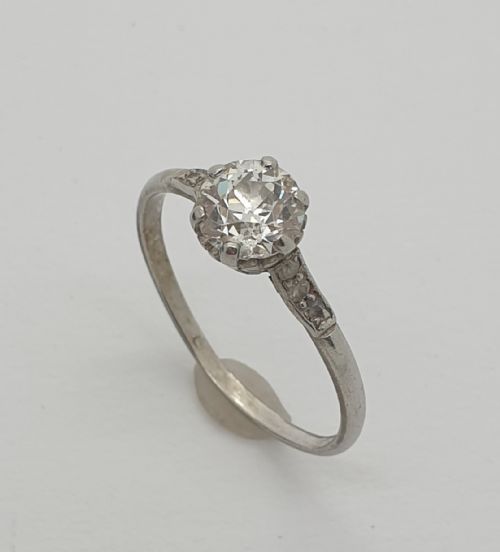
Classic Diamond Solitaire Band
A classic diamond solitaire band offers a single stone set on precious metal, embodying simplicity and lasting design.
Classic Diamond Solitaire Band
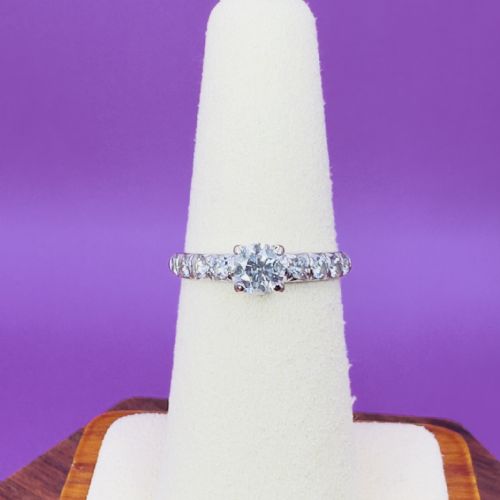
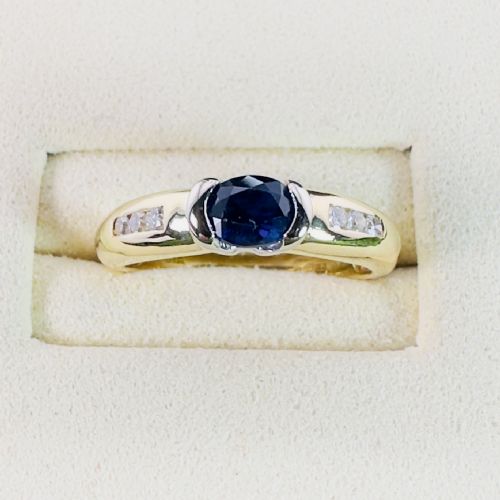
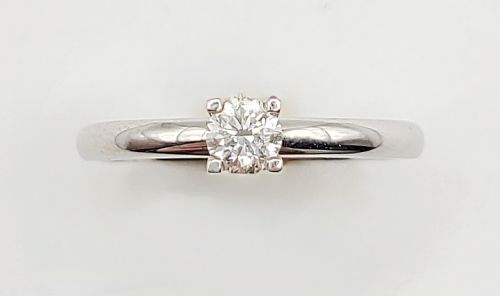
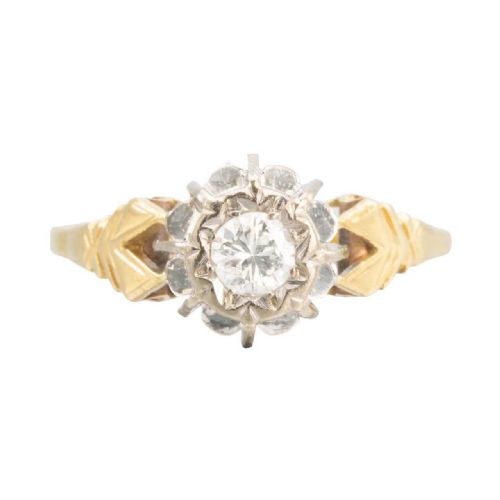
A classic diamond solitaire band centres on a single stone mounted on a precious metal band, appearing primarily as engagement rings across periods from the 1920s to the later twentieth century. These pieces highlight individual diamonds ranging from pear and old cuts to oval and round formations, mounted securely on the metal.
The selections span distinct historical aesthetics, including Art Deco designs and mid-century modern classic styles. Metal choices vary from traditional yellow gold to cooler tones of platinum and eighteen-carat white gold, providing different visual weights to the ring.
Most examples function as engagement rings, carrying a tradition of single-stone prominence that has endured across multiple decades. Buyers encounter variations in band thickness and stone setting heights, ranging from high-set mountings to flush settings.
How they were made
The construction of these rings relies on precious metals including platinum, eighteen-carat gold, and eighteen-carat white gold to support the central diamond securely. Metals are shaped into bands that often combine yellow gold with platinum highlights, particularly in pieces from the nineteen-thirties.
Stone cutting techniques involve traditional old cuts, pear cuts, and oval cuts, shaping the diamond to maximise light return before mounting. Artisans secure the stones using prongs or bezels integrated directly into the metal band.
Listings feature periods spanning from the 1920s through the mid-century and later 20th century, using platinum and various gold alloys.
What varies in quality
Quality differences depend on the cut and proportion of the central diamond, alongside the precision of the metalwork in the band. Stones featuring older cut styles show distinct facet arrangements that influence how light reflects across the surface.
The choice of metal contributes to the structural integrity and finish of the ring, with platinum offering dense durability while gold provides traditional warmth. Settings that hold the stone firmly without excess metal mass demonstrate higher levels of bench craftsmanship.
The Classic Diamond Solitaire Band Glossary
- Solitaire
- A ring featuring a single prominent gemstone mounted on a metal band. This design focuses attention entirely on the central stone.
- Platinum
- A dense, silvery-white precious metal used for durable jewellery settings. It provides secure prongs for holding diamonds safely.
- Old Cut
- A historic diamond cutting style characterised by a smaller table and larger facets. These cuts reflect candlelight and low-light environments effectively.
- Art Deco
- A design style spanning the nineteen-twenties and nineteen-thirties emphasising geometric lines and structured forms. Jewellery from this period often pairs platinum with diamonds.
Classic Diamond Solitaire Band: Frequently Asked Questions
How do I identify the period of a ring?
Period identification relies on observing mounting styles, metal combinations, and stone cut characteristics. Pieces from the nineteen-thirties often utilise platinum combined with eighteen-carat gold.
Later mid-century examples introduce different band widths and alternative setting heights that reflect changing aesthetic preferences of the time.
Which metals are common in these rings?
Common metals include platinum, eighteen-carat gold, and eighteen-carat white gold. Platinum offers a strong, bright white finish that holds secure settings for larger stones.
Yellow gold provides a warmer contrast against the diamond, frequently appearing in vintage mid-century designs.
How should I care for an old cut diamond?
Care involves regular cleaning with warm soapy water and a soft brush to remove everyday oils from beneath the stone. Periodic checks by a professional jeweller ensure the prongs remain tight.
Avoiding harsh chemicals protects both the diamond and the surrounding precious metal band from unnecessary wear.