



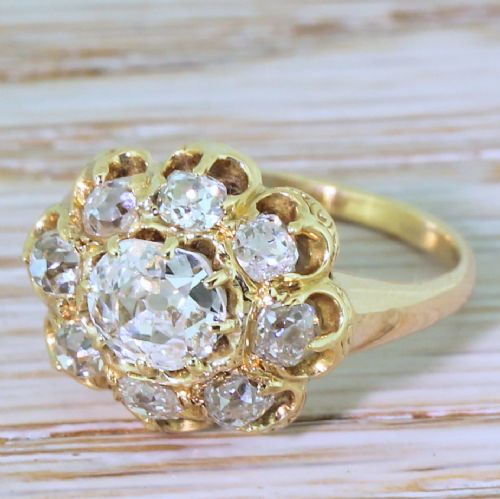


Mine Cut Diamond Solitaire
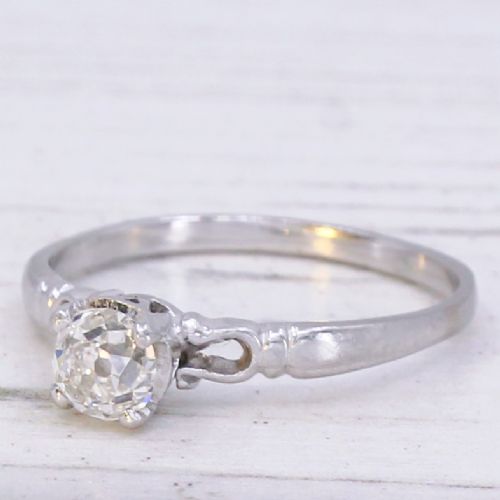
A mine cut diamond solitaire brings a distinct hand-polished sparkle and historic character to the finger.
Mine Cut Diamond Solitaire
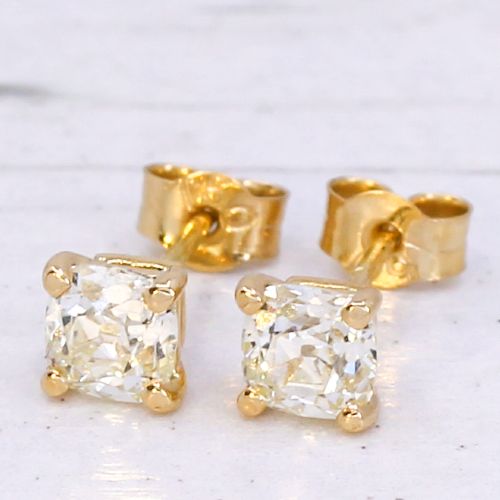
When you search for a mine cut diamond solitaire, you are looking at antique jewellery featuring singular, hand-faceted stones set in precious metals. These pieces primarily take the form of engagement rings, along with select pairs of stud earrings.
The selections span from the Victorian and Edwardian eras through to the Art Deco period, capturing styles from the 1870s up to about 1930. Rings dominate the selection, appearing in yellow gold, 18ct yellow gold, 18k yellow gold, and platinum settings.
Materials and Construction Techniques
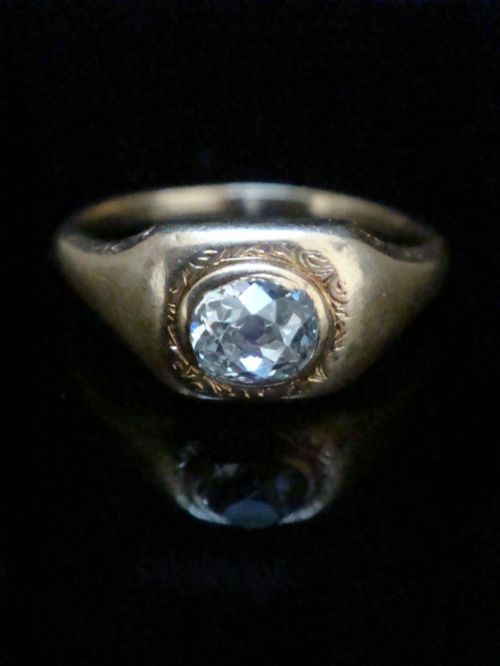
The stones in these pieces are mounted in durable settings such as platinum and yellow gold, including 18ct and 18k variations. Certain designs incorporate rubover settings where the metal wraps securely around the edge of the diamond.
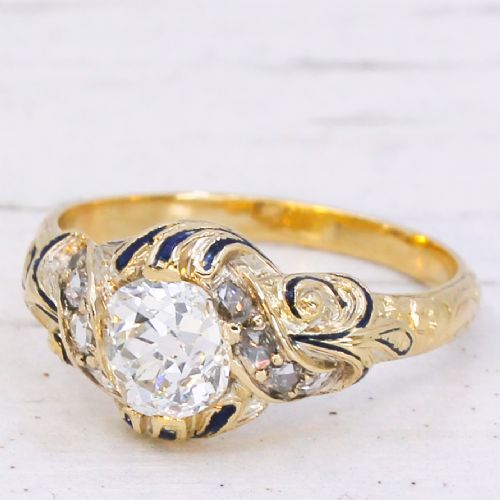
Goldsmiths of the nineteenth and early twentieth centuries shaped these mounts by hand to house individual old mine cut diamonds. Enamel accents also appear on select pieces alongside the central stones.
Mine Cut Diamond Solitaire Retail Price Guide 2026
Typical asking prices for mine cut diamond solitaire among the pieces listed under this phrase on Sellingantiques today, from the lower quarter to the upper quarter. They describe what is for sale here now, not the wider market.
Materials utilised across the current selection include diamond, platinum, yellow gold, 18ct yellow gold, 18k yellow gold, and enamel.
Factors Distinguishing Quality in Antique Stones
The visual appeal of these items rests heavily on the character of the individual diamond and the precision of its antique faceting. Stones possessing higher clarity grades, such as VS1 paired with desirable colour ratings, elevate the overall standard of the piece.
The harmony between the central diamond and its metal mounting, whether platinum or yellow gold, shapes the refinement of the finished ring or earring. Heavier carat weights combined with balanced proportions distinguish the finer examples within the periods represented.
The Mine Cut Diamond Solitaire Glossary
- Old mine cut
- An antique diamond cutting style characterised by a cushion-like shape, high crown, small table, and deep pavilion. This hand-cut form predates modern brilliant cutting techniques.
- Solitaire
- A piece of jewellery designed to showcase a single gemstone. In this context, it refers to rings and earrings featuring one prominent diamond.
- Rubover setting
- A method of setting a gemstone where a thin collar of metal is pushed over the edge of the stone to hold it securely in place. This technique creates a smooth, continuous border around the diamond.
- Cluster ring
- A ring design featuring a central stone surrounded by a group of smaller gemstones. This layout adds visual breadth and complexity to the face of the ring.
- Platinum
- A dense, strong, and ductile precious metal used for fine jewellery settings. Its neutral white colour holds securely and does not tarnish over time.
Mine Cut Diamond Solitaire: Frequently Asked Questions
What is an old mine cut diamond?
An old mine cut diamond is a historic gemstone shape hand-faceted before the advent of modern machinery. These stones typically feature a square or slightly rounded cushion outline with larger facets.
Such cuts capture candlelight and low lighting with a distinctive chunky sparkle. They reflect the hand craftsmanship of Victorian and Edwardian lapidaries.
How do I care for my antique ring?
Cleaning an antique diamond ring requires gentle care using warm water, mild soap, and a soft brush. Avoid harsh chemical cleaners that might damage the gold or platinum settings.
Periodic checks by a professional jeweller ensure the claws or rubover settings remain secure around the stone. Regular maintenance preserves the structural integrity of these historic mountings.
Can I wear a mine cut ring daily?
Many people wear these antique rings every day, provided the settings are checked and reinforced if necessary. Platinum and 18ct gold offer the durability needed for regular wear.
Removing the jewellery during heavy manual tasks or strenuous physical activity prevents unnecessary wear and tear. Proper mindfulness protects the historic metalwork and stone over decades of use.
How do I identify the period?
Dating these pieces involves examining the mounting style, metal purity hallmarks, and the specific characteristics of the diamond cut. Victorian, Edwardian, and Art Deco designs each utilise distinct aesthetic motifs.
Consulting independent laboratory reports, such as those from the GIA, provides precise details on stone proportions and era attributes. Comparing the craftsmanship against known historical styles confirms the likely decade of origin.