

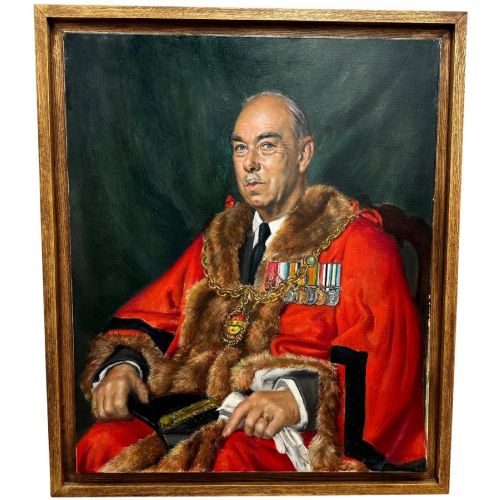
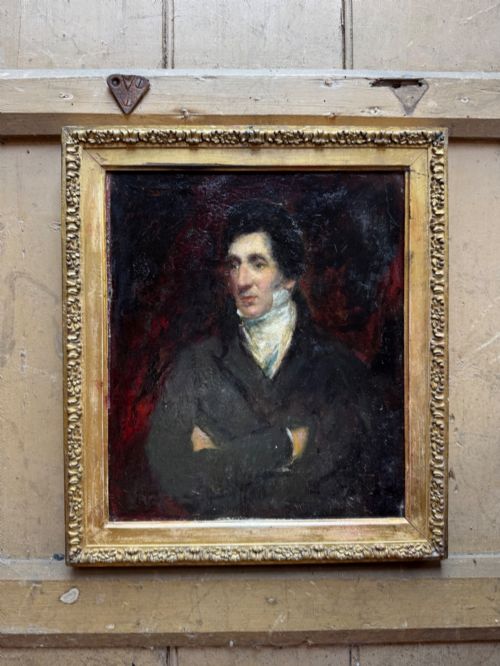
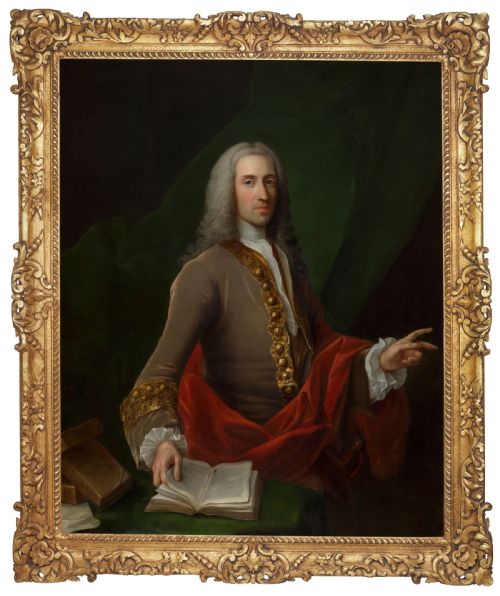
Oil Portrait of Gentlemen
An oil portrait of gentlemen captures the gravitas of historical figures through enduring canvas and pigment.
Oil Portrait of Gentlemen
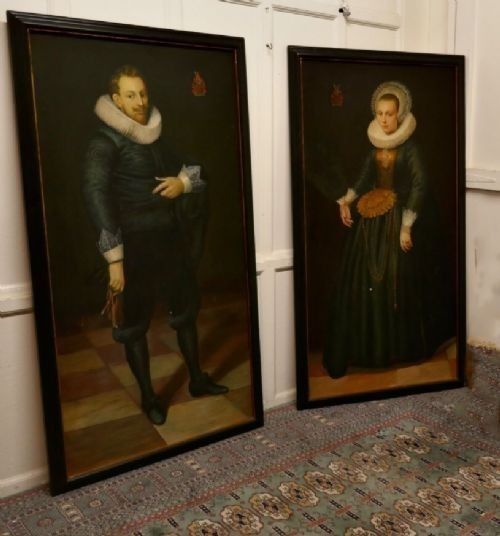
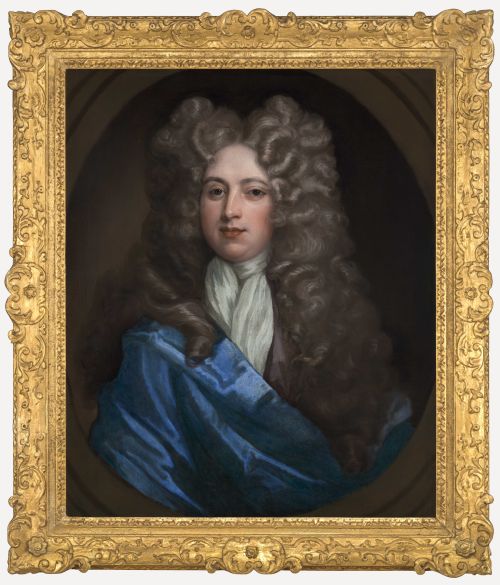
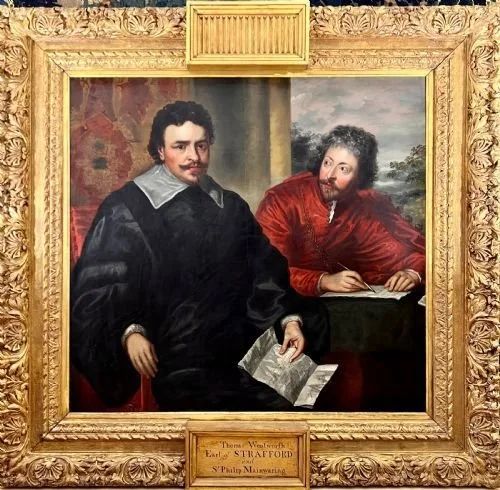
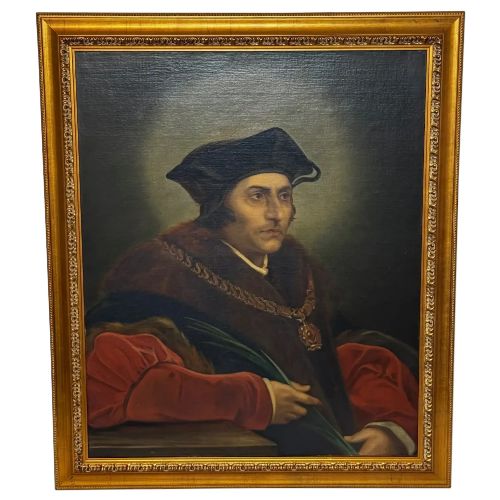
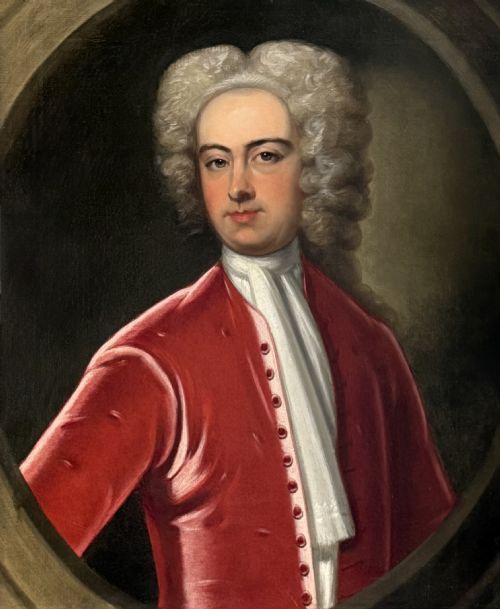
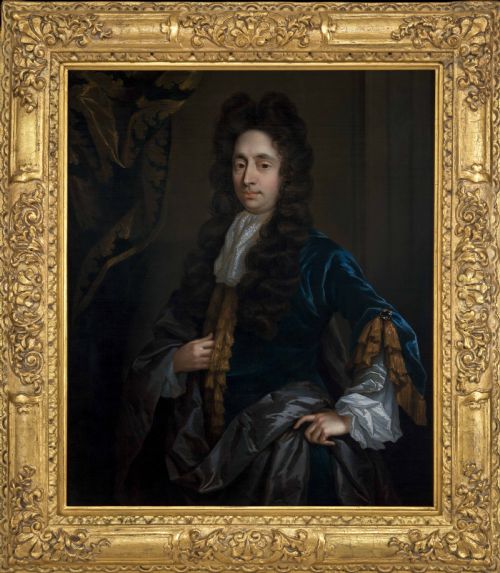
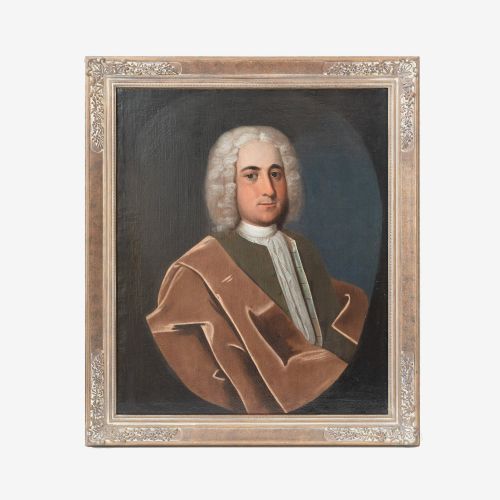
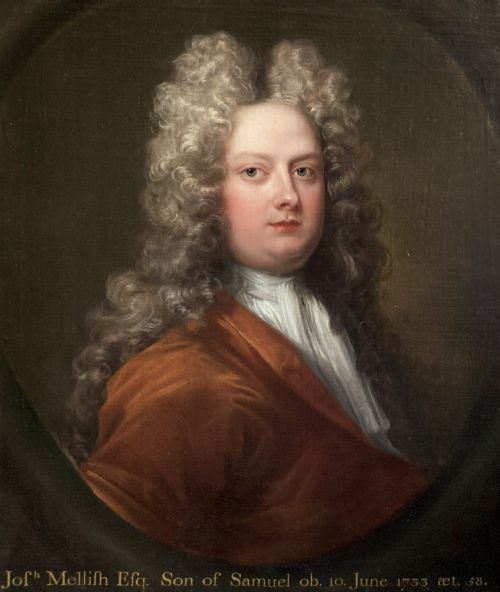
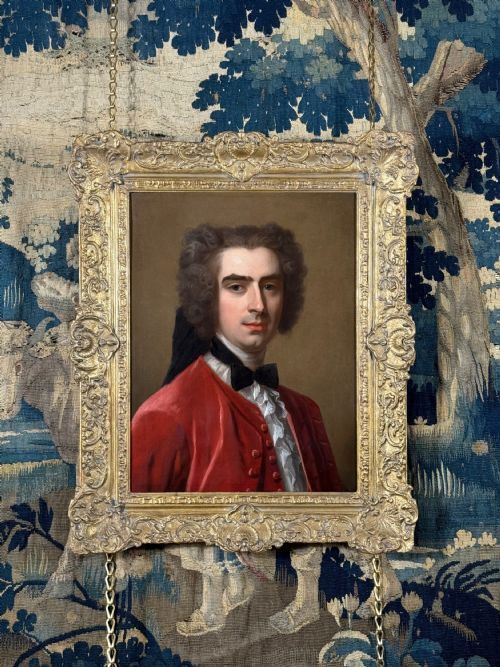
When searching for an oil portrait of gentlemen, buyers encounter centuries of figurative painting ranging from the seventeenth century through to the mid-twentieth century. The selection spans distinct eras including the Georgian, Victorian, and Baroque periods, showcasing subjects from military officers and judges to merchants and nobility.
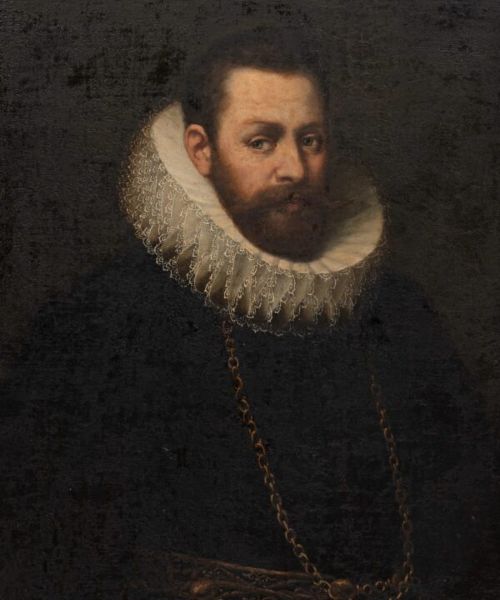
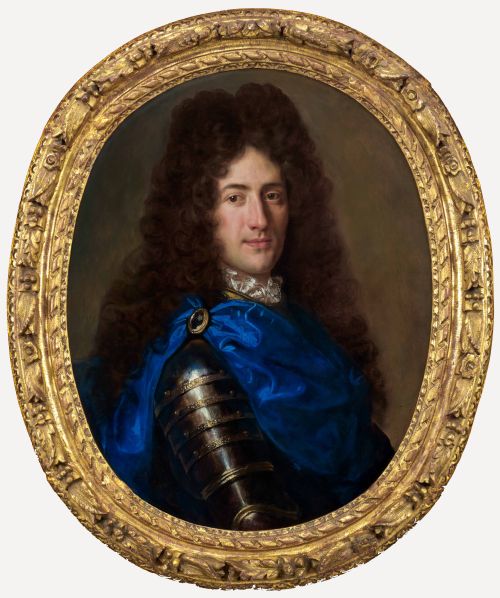
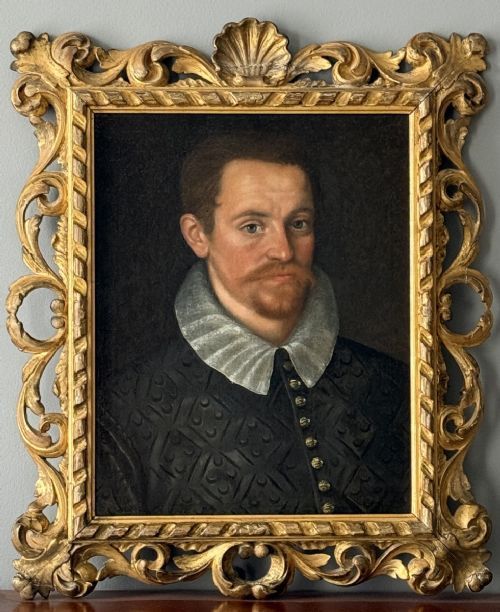
The versions most frequently met on this page are eighteenth-century and seventeenth-century works executed on canvas. These pieces often feature sitters depicted in formal attire such as ruffs, periwigs, or coats, reflecting the social status of the individual at the time of painting.
Materials and Technique
Many of these paintings are housed within period surrounds such as carved giltwood frames. The combination of oil medium and timber stretchers underpins the physical survival of these artworks across centuries.
Listings feature works spanning from the seventeenth century through to the mid-twentieth century, executed in oil on canvas.
Distinctions in Quality
Provenance and attribution also elevate a piece significantly. Paintings documented by known historical portraitists or carrying clear sitter identification command greater scholarly and aesthetic interest than anonymous school pieces.
Joseph Vivienne·Thomas Murray·Constantyn Netscher·Charles Jervas·Jean-Baptiste Van Loo·Edouard Pingret
The Oil Portrait of Gentlemen Glossary
- Canvas
- A heavy woven fabric used as a surface for oil painting. It is typically stretched over a wooden frame before pigment is applied.
- Baroque
- An artistic style prevalent from the seventeenth into the eighteenth century characterised by drama, rich colour and dynamic movement. In portraiture, this appears in theatrical drapery and intense lighting.
- Giltwood
- Wood that has been coated with a thin layer of gold leaf or gold paint. Frames constructed in this manner often accompany formal historical portraits.
- Periwig
- A long, elaborate artificial hair wig popular among elite men during the late seventeenth and eighteenth centuries. Its presence helps date a portrait accurately.
Oil Portrait of Gentlemen: Frequently Asked Questions
How do I date an oil portrait of gentlemen?
Dating relies heavily on the fashion worn by the sitter, particularly collars, wigs, and coats. Clues such as a periwig or a white ruff point directly to specific decades.
Additionally, framing styles, canvas preparation, and any recorded signatures or inscriptions on the reverse provide further chronological evidence.
What is the difference between school and studio works?
A work attributed to a particular school indicates it was produced in the manner or region of a master during that era. It reflects the broader artistic style rather than a direct individual hand.
Studio pieces were created by assistants or pupils working directly under the supervision of the named master artist, often replicating popular compositions.
How should I display an antique portrait at home?
These paintings require stable environmental conditions away from direct sunlight and excessive humidity to protect the oil paint and canvas. Hanging them on interior partition walls helps prevent fluctuations in temperature.
Pairing the canvas with its original giltwood frame enhances the historical context within a modern interior setting.
Why are some sitters identified while others remain anonymous?
Many portraits lost their documentation over centuries of moving between collections. Sitters were often recorded in family archives or on old exhibition labels that became separated from the physical canvas.
When a sitter's identity survives through inscriptions, crests, or matching biographical records, the historical value of the piece increases.