


Oil Painting of Military Gentleman
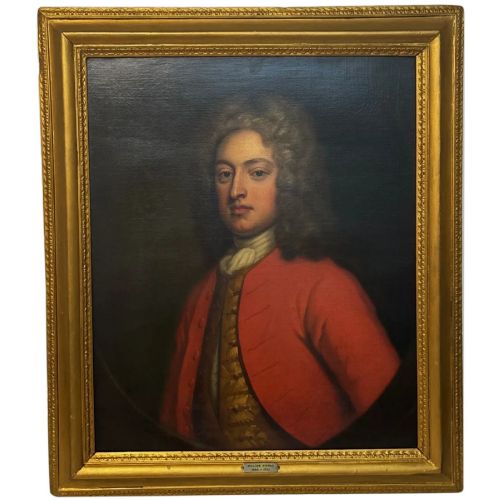
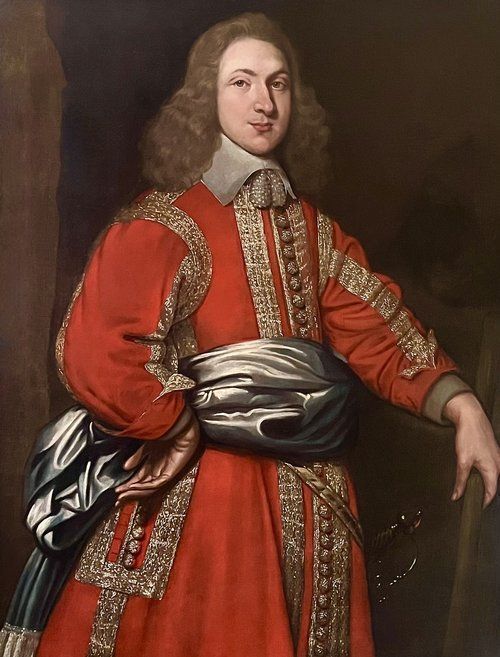
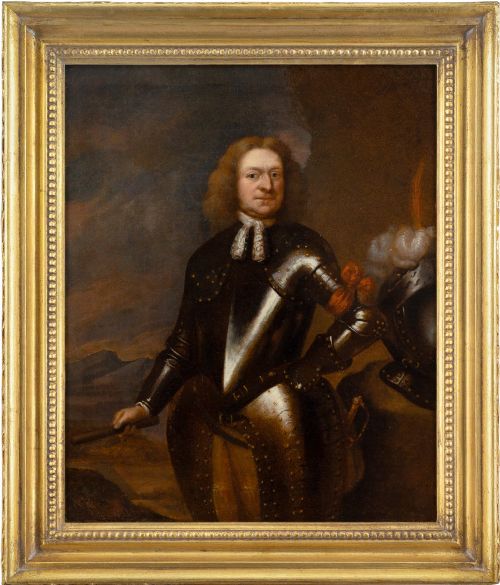
An oil painting of military gentleman captures the commanding presence of officers, soldiers, and naval figures across centuries of portraiture.
Oil Painting of Military Gentleman
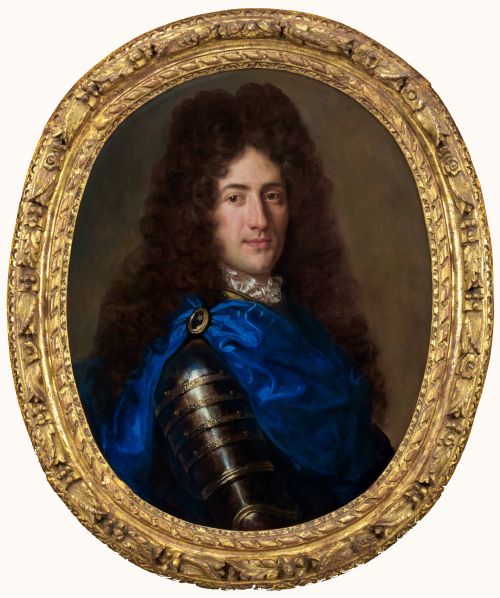
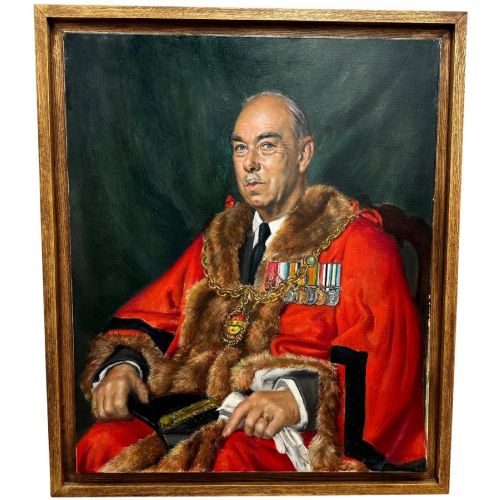
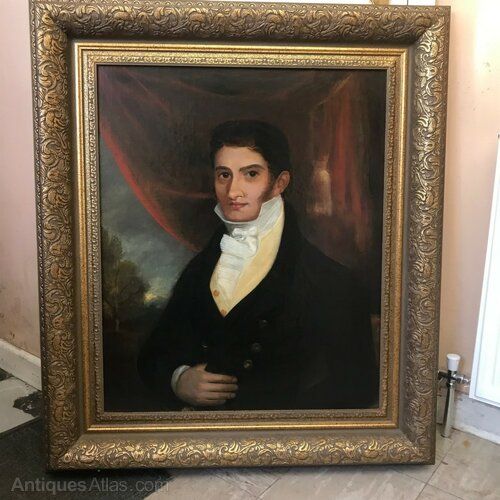
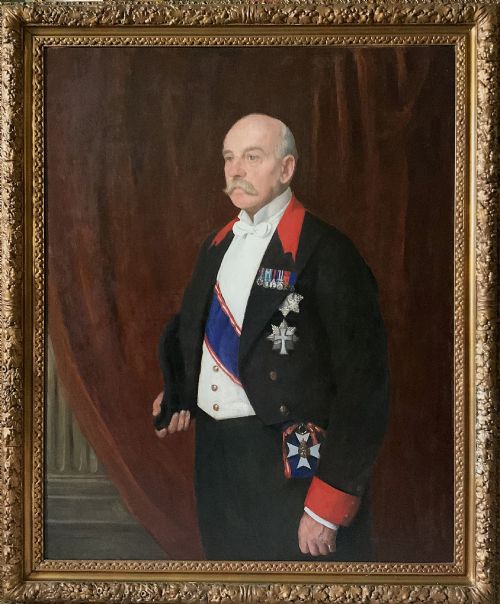
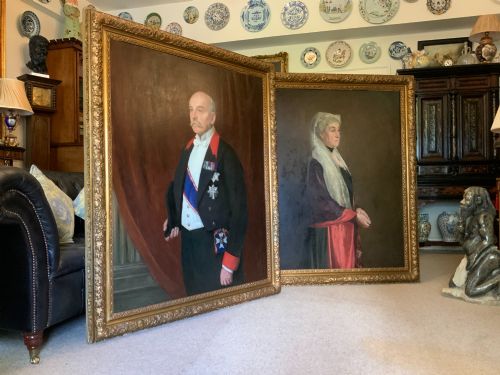
An oil painting of military gentleman depicts notable figures in uniform, armour, or ceremonial dress, ranging from seventeenth-century commanders to twentieth-century officers.
The selections span seventeenth-century works associated with the Anglo-Dutch School, eighteenth-century depictions of captains and generals, and nineteenth-century historical militia studies.
Subjects appear in diverse contexts, including naval jackets, red coats, and Highland attire, often identifying specific historical individuals of rank.
Materials and Construction
Artisans applied oil paint directly onto stretched canvas surfaces, utilising rich pigments to define textiles, armour, and facial expressions.
Many surviving examples are housed within their original or period-appropriate wood and giltwood frames, sometimes enhanced with gold leaf.
Listings feature works spanning the seventeenth century through to the mid-twentieth century, utilising oil on canvas and giltwood framing.
Judging the Work
Mastery is evident in the handling of light upon metal armour, the intricate rendering of lace or uniform embroidery, and the psychological depth of the sitter's expression.
Works produced by established portraitists or recognised schools demonstrate superior anatomical proportion and brushwork control compared to provincial or folk art iterations.
Sir Godfrey Kneller·John Greenhill·Samuel Cooper·John Closterman·Henry Wyatt
The Oil Painting of Military Gentleman Glossary
- Giltwood
- Wood carved and coated with gold leaf or a gold-coloured finish. This material is frequently used for ornate period frames surrounding formal portraits.
- Armour
- Protective steel covering worn by soldiers and officers in earlier centuries. Portraits often utilised shining plate armour to denote status and martial prowess.
- Canvas
- Heavy woven fabric stretched across a wooden strainer to serve as a painting support. Oil on canvas represents the primary medium for these historical portraits.
- Cavalier
- A supporter of the king during the seventeenth-century English Civil Wars. Paintings from this milieu frequently depict subjects with long hair and military sashes.
- Baroque
- An artistic style prevalent in the seventeenth and early eighteenth centuries characterised by drama, rich detail, and dynamic movement. Portraits in this manner emphasise grandeur and theatrical lighting.
Oil Painting of Military Gentleman: Frequently Asked Questions
How do I identify the military rank?
Uniform details, sashes, and specific items of armour provide primary clues to the sitter's station. Medals and lace trim further indicate the seniority of the officer.
Catalogues often cross-reference regimental histories to confirm the exact rank and campaigns associated with the individual portrayed.
Are these portraits usually signed by the artist?
Signatures on historical portraits are relatively uncommon, as many works were produced by studio assistants or attributed later based on stylistic evidence. Unsigned pieces frequently rely on provenance and archival records for attribution.
Expert examination of brushwork and pigment often links anonymous canvases to specific historical schools or known portraitists.
What framing is appropriate for these pieces?
Period frames, particularly nineteenth-century giltwood or carved wood designs, complement the aesthetic of historical military oil paintings. Ensuring the frame matches the era of the canvas preserves the historical integrity of the piece.
Many collectors maintain the frame acquired with the painting, as original pairings are valued for their period harmony.
How should I care for an antique canvas?
Canvas paintings require stable environmental conditions away from direct sunlight and excessive humidity to prevent paint cracking and warping. Gentle dusting with a soft, dry brush is sufficient for routine maintenance.
Professional conservators should handle any structural repairs, cleaning, or stabilization of the oil paint layer.