

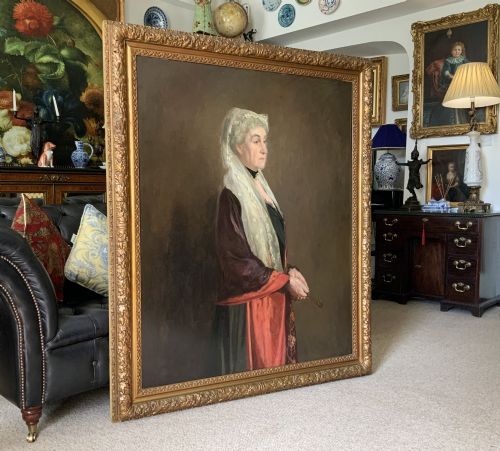
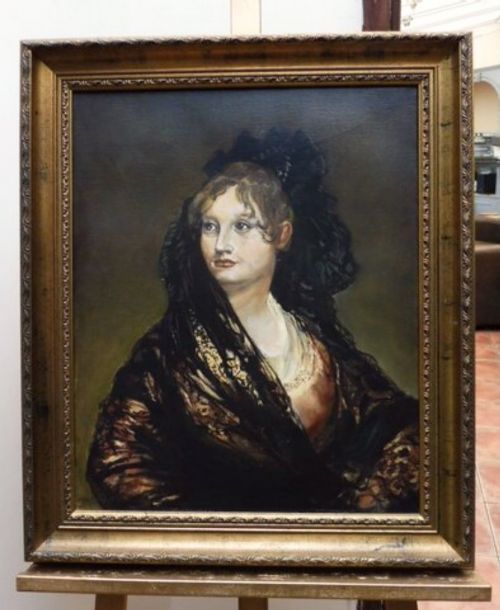
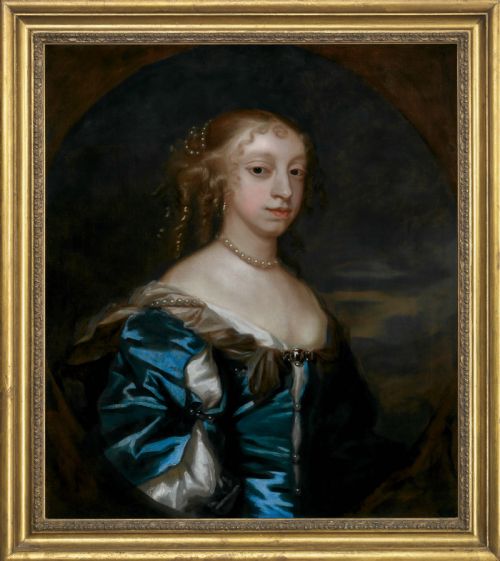
Oil Painting of Lady
When buying an oil painting of lady, you acquire a historical portrait that captures centuries of shifting fashion, status and portraiture traditions.
Oil Painting of Lady
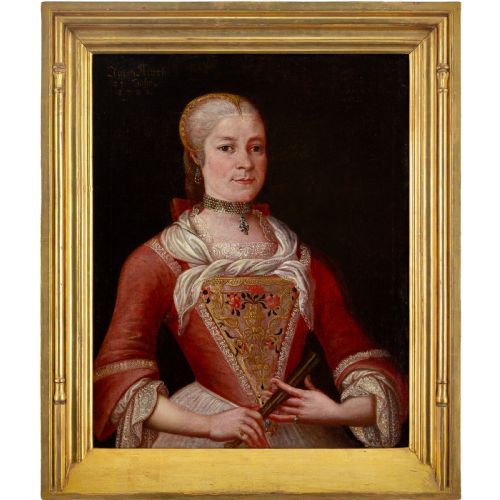
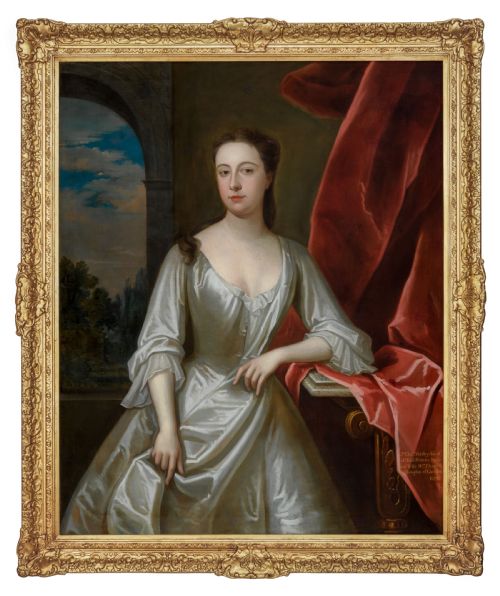
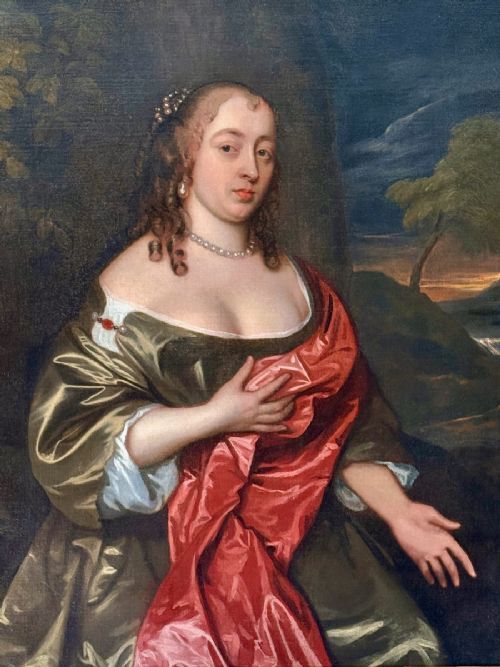
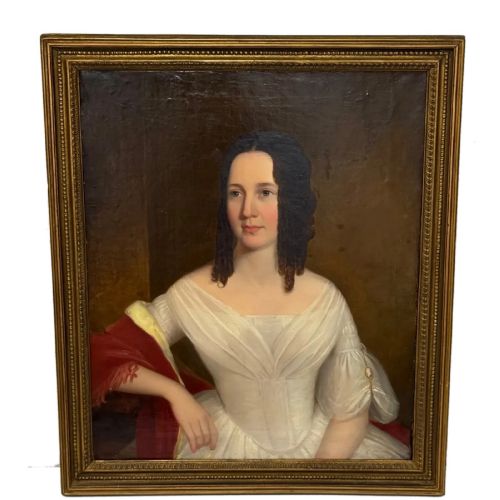
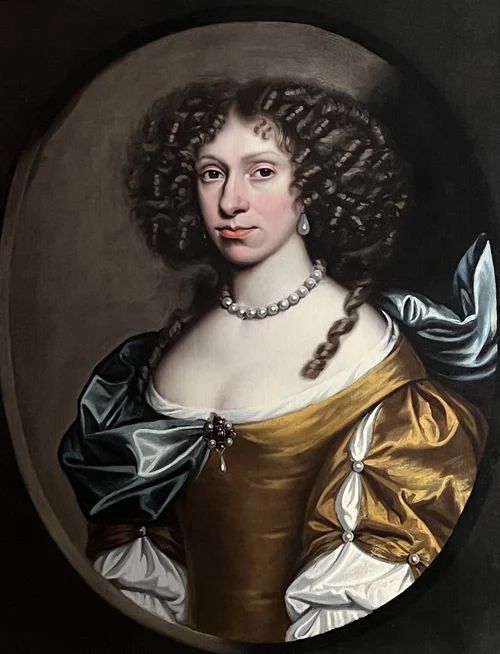
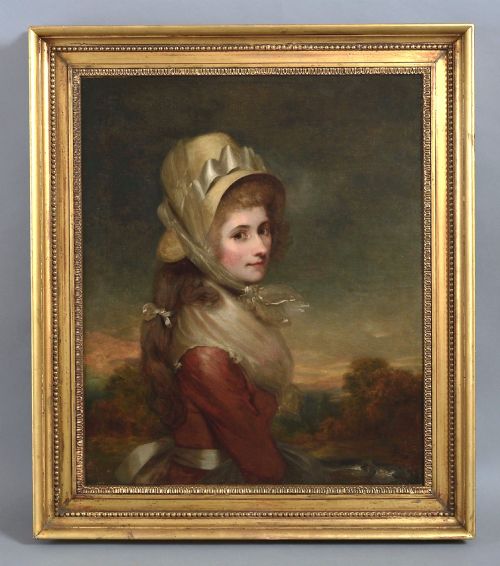
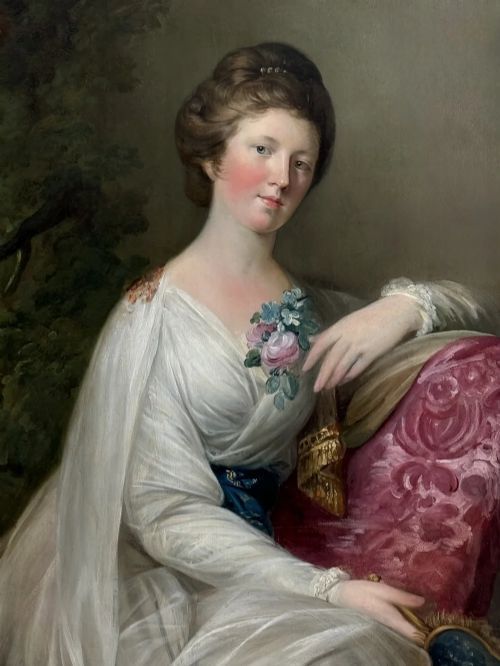
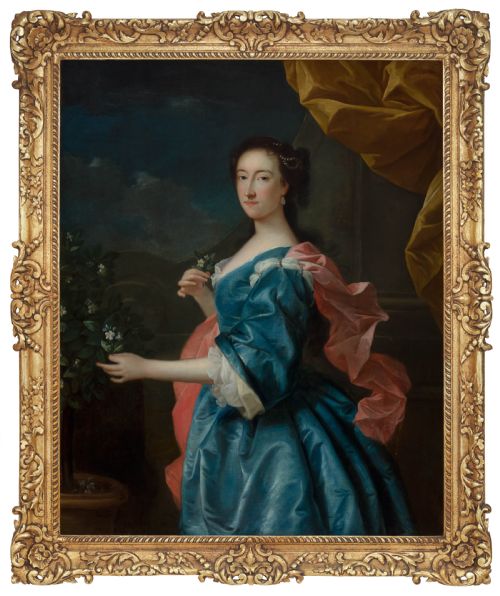
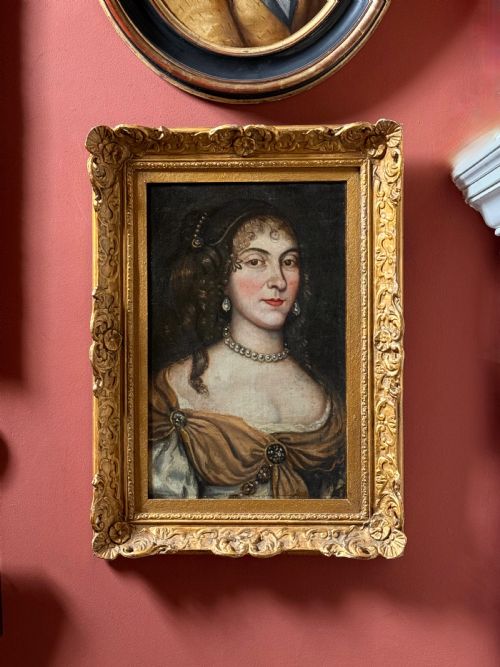
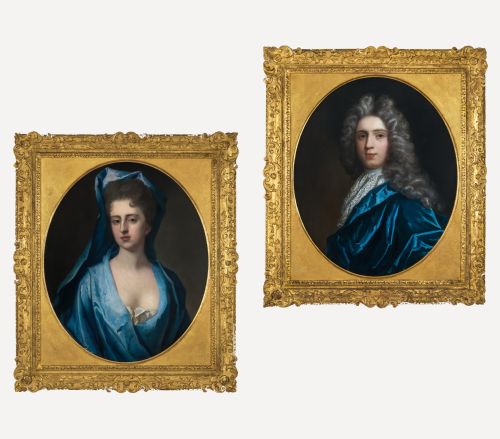
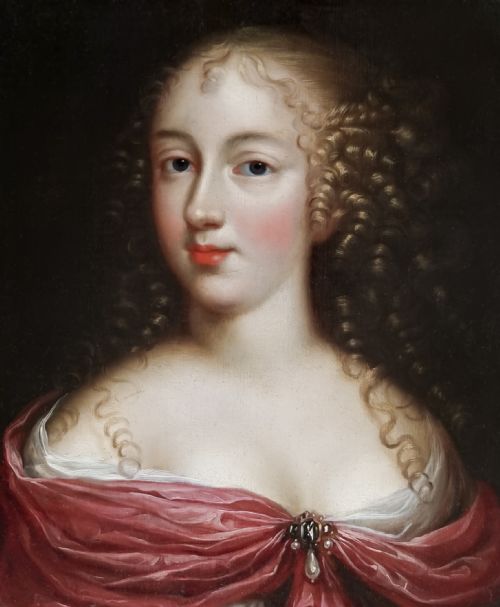
An oil painting of lady is a portrait capturing female subjects ranging from seventeenth-century nobility to twentieth-century society figures. These works encompass formal aristocratic commissions, intimate domestic studies and romantic pastoral scenes.
You are most likely to encounter eighteenth-century canvases and Victorian interpretations on this page, alongside earlier Jacobean panel works and mid-twentieth-century pieces. The subjects appear in diverse settings, from formal gardens and grand porches to simple domestic interiors.
The selections span British, Dutch, French and Spanish schools, reflecting distinct regional approaches to dress, lighting and characterisation. Many pieces preserve specific historical identities, while others represent anonymous beauties or theatrical figures.
How They Were Made
Painters built these works primarily using oil paint applied to woven canvas or rigid wood panels, often supported by wooden stretcher frames. Artists layered translucent glazes over solid underpaintings to achieve depth in skin tones and rich textures in silk and velvet garments.
Many historical examples retain their original or period giltwood frames, which utilise carved gesso and gold leaf to enhance the visual impact of the composition. Panel paintings from the seventeenth century required carefully prepared timber grounds to prevent warping over time.
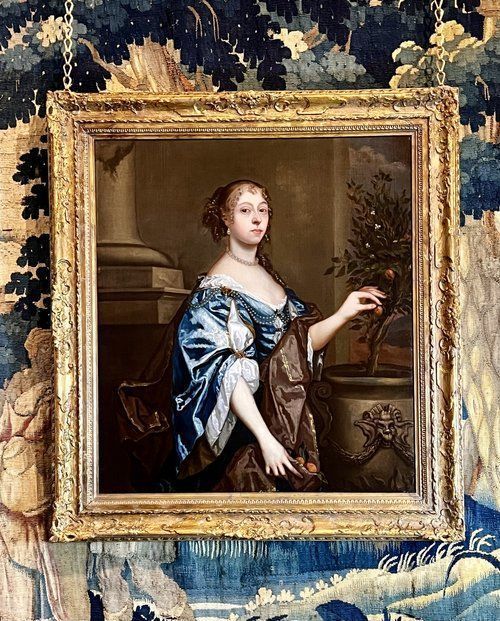
Several noble sitters are immortalised clutching oranges, a seventeenth-century symbol of exotic wealth that fortunately required far less watering than a spaniel.
What Varies in Quality
The distinction between ordinary and exceptional works rests on the confidence of the brushwork and the anatomical accuracy of the hands, face and drapery. Master portraitists achieved lifelike illumination in the subject's eyes and subtle tonal transitions in the flesh.
Compositional complexity also elevates a piece, distinguishing standard bust-length studies from monumental full-length portraits featuring detailed landscape backgrounds, rich textiles and symbolic props like flowers or animals.
Sir Godfrey Kneller·John Hayls·David Scougall·Sir Martin Archer Shee·John Maler Collier·George Willison·Jeremiah Davison·Michael Dahl·Thomas Murray·Pierre Mignard·Pieter Borsseler·Sir Peter Lely·Kenneth Cozens·John Vanderbank·Thomas Beach·Sir Allan Ramsay·Jean-Gabriel Domergue·William Oliver·G. J. S. Bary·Adriana Verelst·Cornelius Johnson·Charles d'Agar·Otto Knille·Franz Xaver Winterhalter·Sir Anthony van Dyck
The Oil Painting of Lady Glossary
- Canvas
- A heavy woven fabric stretched tightly across a wooden frame to serve as a sturdy support for oil paint. Linen was traditionally favoured by master portraitists for its fine grain and durability.
- Giltwood
- Timber carved and coated with a thin layer of gold leaf or metallic powder, commonly used for ornate period frames. These frames contribute significantly to the historic character of antique artwork.
- Panel
- A flat piece of wood used as a rigid painting support before canvas became dominant in the seventeenth century. Oak and other stable hardwoods were frequently prepared with gesso grounds.
- Ruff
- A voluminous starched pleated collar worn around the neck during the late sixteenth and early seventeenth centuries. Its intricate folds are a key indicator of Jacobean and Elizabethan fashion.
- Providence
- The documented history of ownership that traces a painting from its creation to the present day. Detailed records help verify attribution and authenticity.
Oil Painting of Lady: Frequently Asked Questions
How do I identify the period of an oil painting of lady?
Examine the sitter's costume, hairstyle and collar design, as these elements strictly followed the fashions of their decade. Ruff collars point firmly to the early seventeenth century, while high waists indicate the Regency era.
Compare the preparation of the canvas or panel and the style of the stretcher frame. Older works often display hand-woven canvas textures and pegged wooden frames that differ markedly from Victorian and later manufacturing methods.
What is the difference between a signed portrait and an attributed work?
A signed portrait bears the actual signature or monogram inscribed by the artist during the creation of the piece. This provides a direct link to the painter.
An attributed work lacks a signature but is assigned to a specific artist by experts who recognise distinct stylistic markers, brushwork and composition techniques characteristic of that master's studio.
Where should I hang an antique portrait in my home?
Select an interior wall with stable temperature and humidity away from direct sunlight, which can fade oil pigments and damage historical canvas over time. Portrait subjects traditionally command prominent spaces like living rooms or hallways.
Ensure the hanging height allows the subject's eyes to align roughly with the viewer's eye level for a natural conversational engagement. Adequate directional lighting can highlight the subtle glazes and textures of the paint.
Why do some listings mention circles or followers of artists?
These terms describe painters who worked closely alongside a master in a shared studio or closely emulated their specific style without being the primary artist. Circle pieces share the high technical proficiency of the named master.
Follower works date from the same period or slightly later and demonstrate the lasting influence of a prominent portraitist on contemporary visual culture.