



Oil Painting of Fruit
An oil painting of fruit captures the rich textures of autumn harvests, bringing centuries of classical composition and vibrant brushwork into domestic spaces.
Oil Painting of Fruit
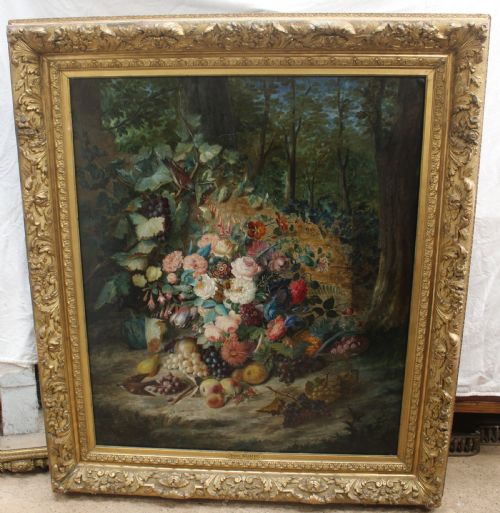
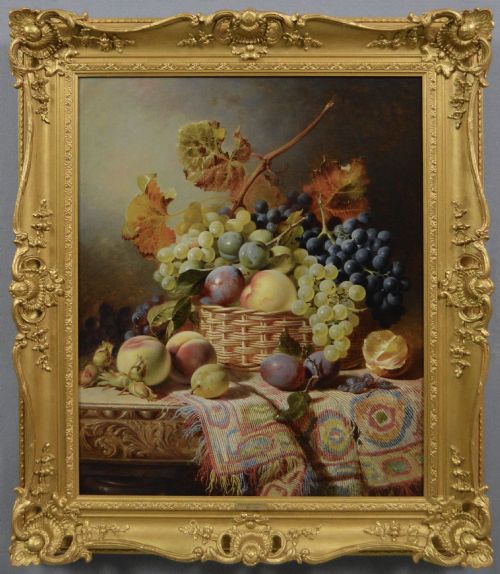
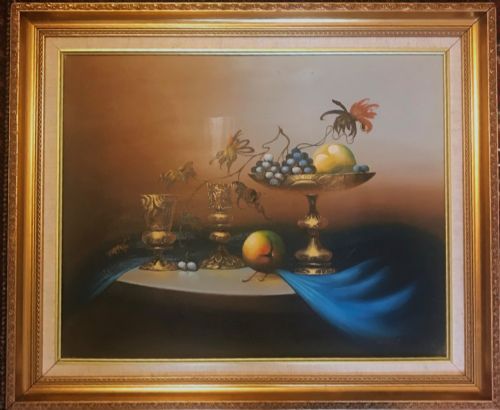
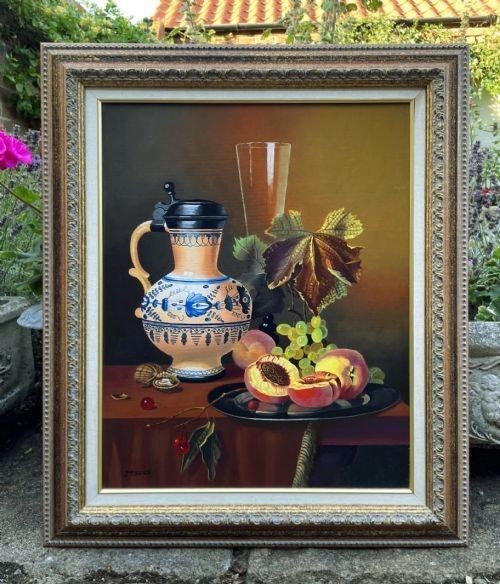
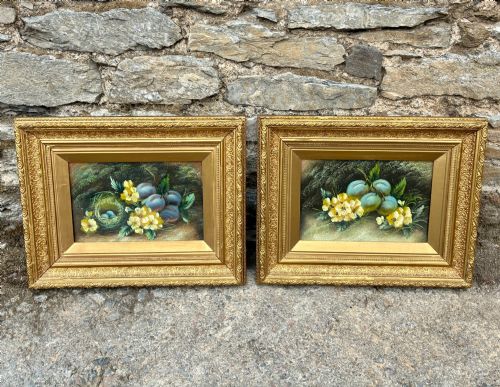
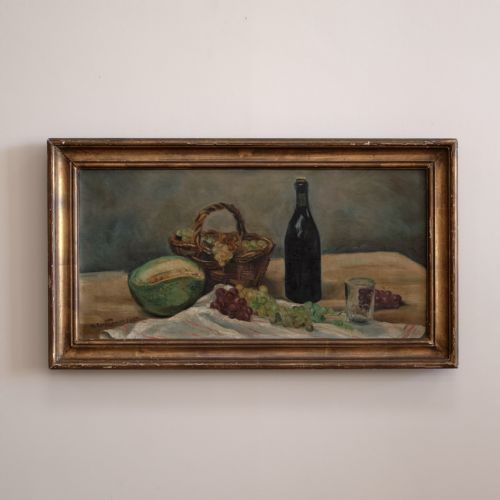
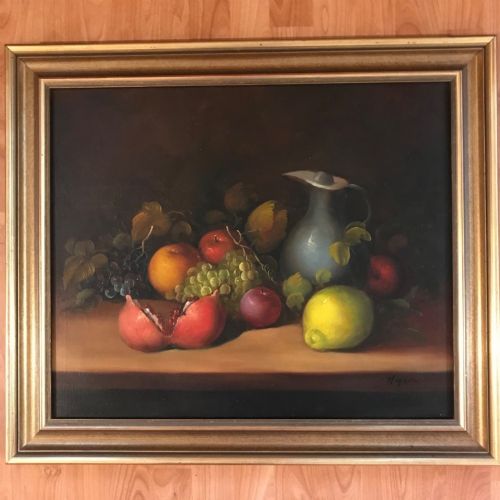
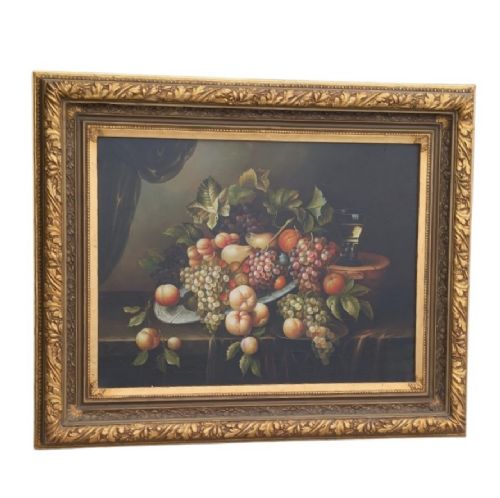
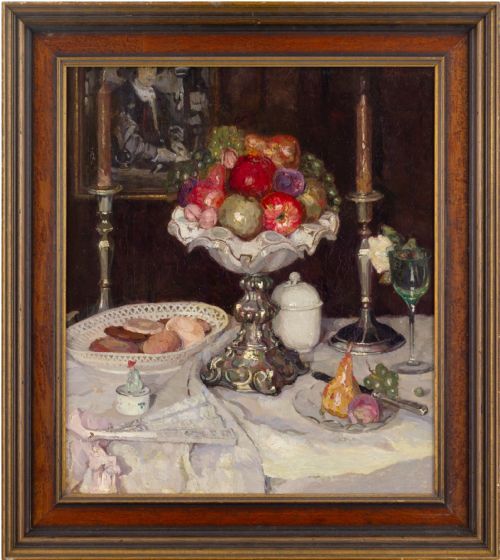
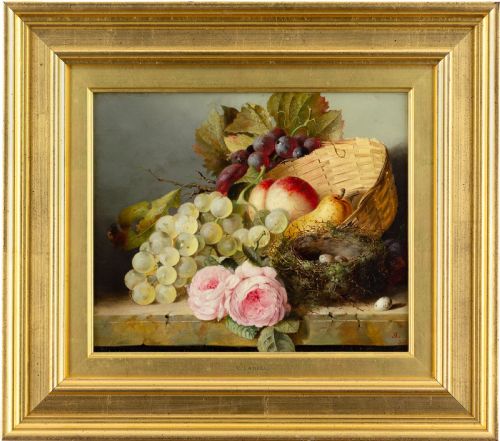
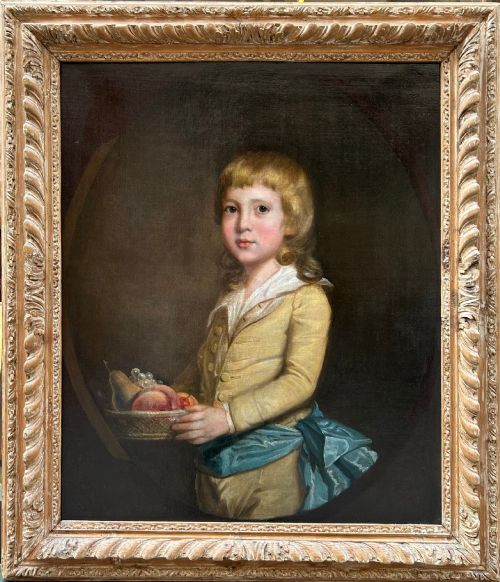
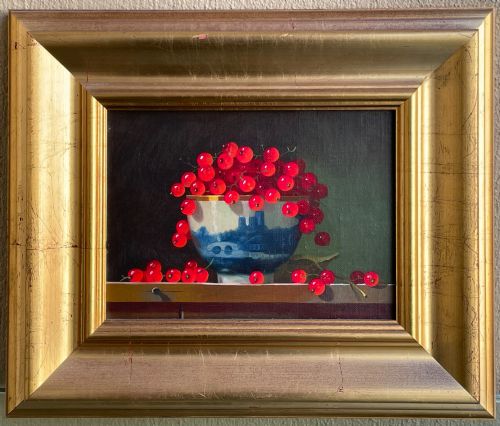
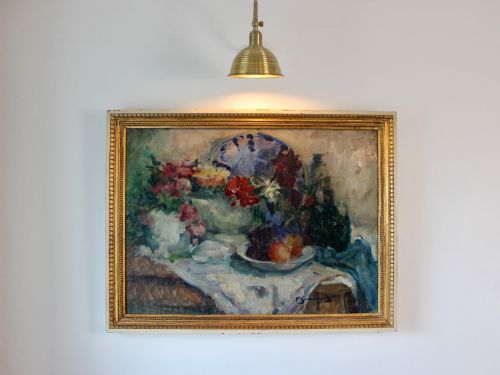
An oil painting of fruit typically depicts carefully arranged compositions of apples, grapes, berries, and peaches, frequently housed in wicker baskets or porcelain bowls alongside glassware.
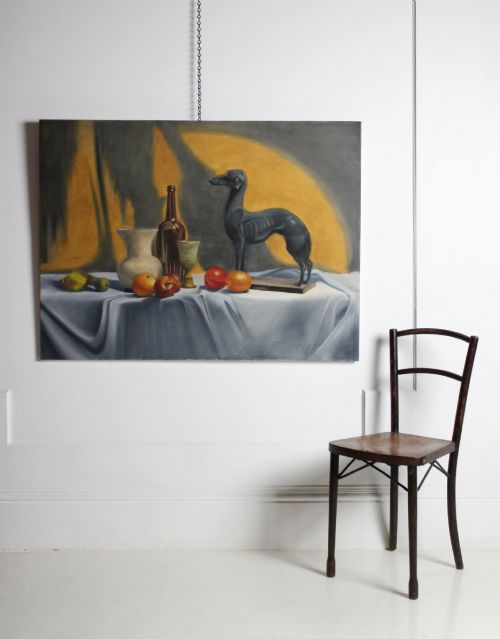
The selections on this page span from elaborate 18th-century Baroque arrangements to looser 20th-century Post-Impressionist and Mid-Century Modern interpretations.
Buyers will encounter both intimate cabinet-sized panels and large decorative canvases originating from British, Dutch, French, Hungarian, and Spanish schools.
How they were made
Artists built these works using oil paint applied to stretched canvas, wooden panels, or rigid card supports, allowing for smooth blending and rich depth of colour.
Many surviving examples retain their period frames constructed from giltwood, solid wood, or decorative moulded plaster that complements the painted subject matter.
Oil Painting of Fruit Retail Price Guide 2026
Typical asking prices for oil painting of fruit among the pieces listed under this phrase on Sellingantiques today, from the lower quarter to the upper quarter. They describe what is for sale here now, not the wider market.
Several artists hid tiny birds' nests filled with speckled eggs among the peaches and grapes.
What varies in quality
The success of an oil painting of fruit relies upon the artist's ability to render light reflecting off polished surfaces like grapes, glass bottles, and ceramic jugs.
Superior works demonstrate confident brushwork and precise tonal balance, whereas lesser examples rely on stiff repetition and flat colour application.
Jozsef Molnar·Edward Ladell·Thomas Beach·Gaspar Peeter Verbruggen·William Henry Ward·Else Preubner·Ian Parker·Vladimir Aldoshin·Victor Simonin·Evelyn Chester·Henri Joseph Pauwels·Edward Duffield·Vincent Clare·Bela Balogh·Thomas Hooper·William Joseph Carroll·John Gilbey Bowles·Oliver Clare·James Cole·Horace Mann Livens·George Clare·Edouard Fleury·R.Villa
The Oil Painting of Fruit Glossary
- Still life
- A painting featuring inanimate subject matter, typically commonplace objects such as fruit, flowers, and household vessels. These arrangements allowed artists to focus entirely on light, colour, and form.
- Impasto
- Paint laid thickly on a canvas so that it stands out from the surface. This technique adds tactile dimension to the petals, fruits, or highlights within a composition.
- Giltwood
- Wood that has been covered with a thin layer of gold leaf or gilt powder. It was widely used for ornate period frames designed to enhance the warmth of oil paintings.
- Continental School
- A broad term used to describe artwork created in mainland Europe rather than Britain. It helps categorise pieces when an exact regional origin remains unrecorded.
- Provenance
- The chronological history of the ownership of a piece. A documented provenance supports authenticity and helps establish the historical context of the artwork.
Oil Painting of Fruit: Frequently Asked Questions
What is an oil painting of fruit?
An oil painting of fruit is a traditional artwork focusing on harvested produce, often arranged with tableware, game, or flowers.
These compositions have decorated dining rooms and studies for centuries, celebrated for their rich colour and natural realism.
How were these paintings displayed?
Historically, these canvases hung in dining spaces, libraries, and formal reception rooms to symbolise domestic abundance and hospitality.
They were almost exclusively fitted into decorative gilt wood or carved wooden frames designed to catch candlelight and daylight alike.
How do I date an oil painting of fruit?
Dating relies on examining the stretcher frames, canvas type, pigment composition, and the specific framing style paired with the artwork.
Stylistic shifts, ranging from Baroque exuberance to Mid-Century abstraction, also provide clear chronological markers.
How should I care for my painting?
Protect the canvas from direct sunlight, damp conditions, and extreme temperature fluctuations to prevent the oil paint and wood panel from cracking.
Dust the gilt frame gently with a dry, soft brush and avoid applying liquid cleaners to the painted surface.