

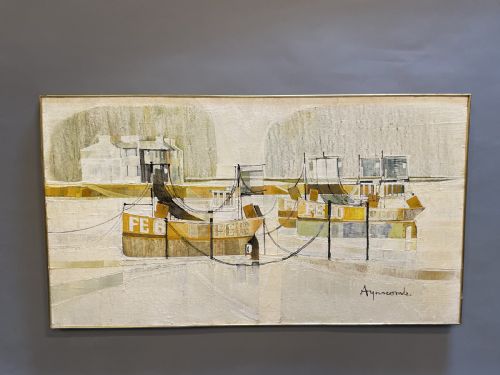


Oil Painting Harbour Scene
When you bring home an oil painting harbour scene, you secure a window into maritime history captured through changing brushwork across centuries.
Oil Painting Harbour Scene
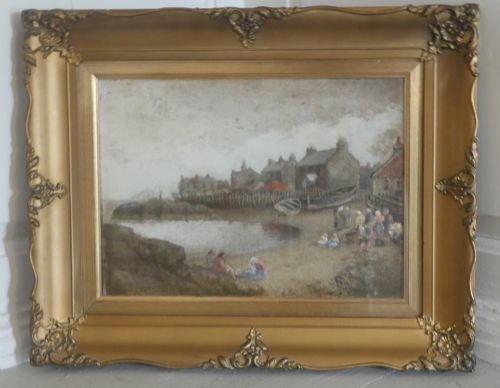
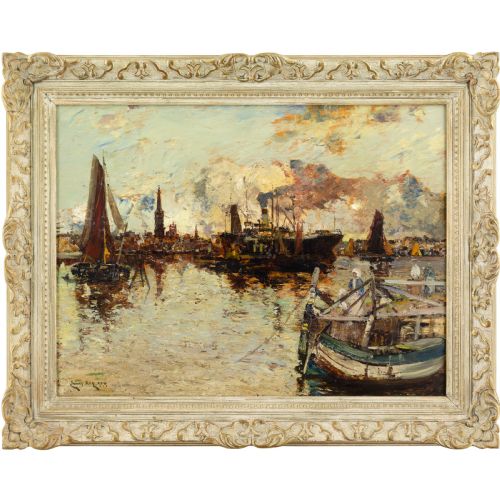
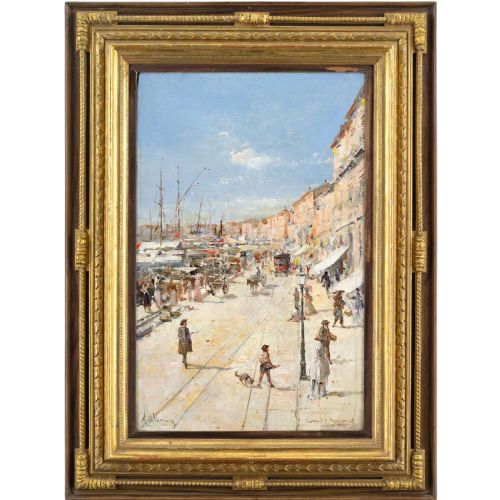
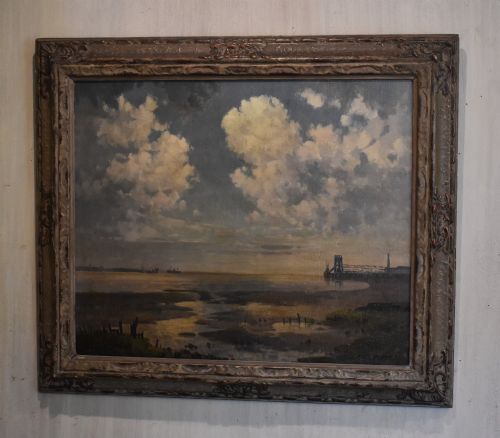
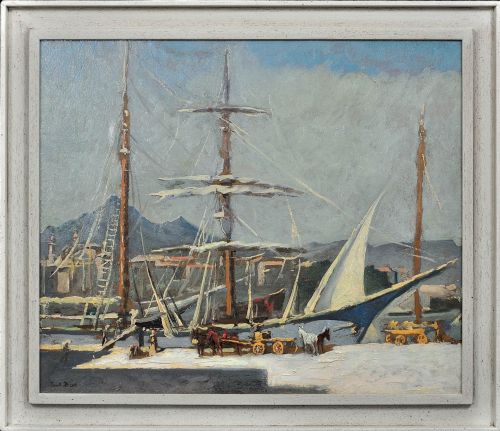
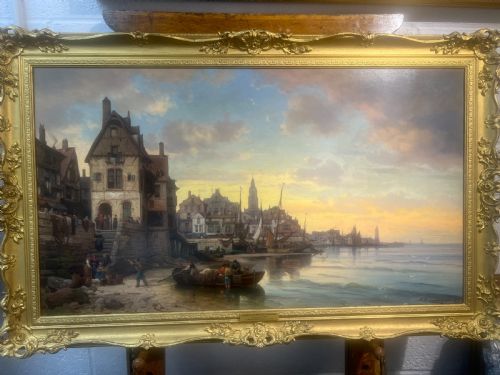
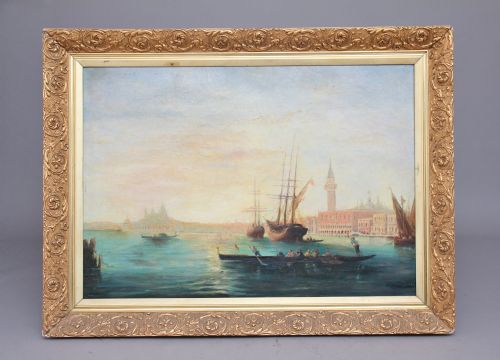
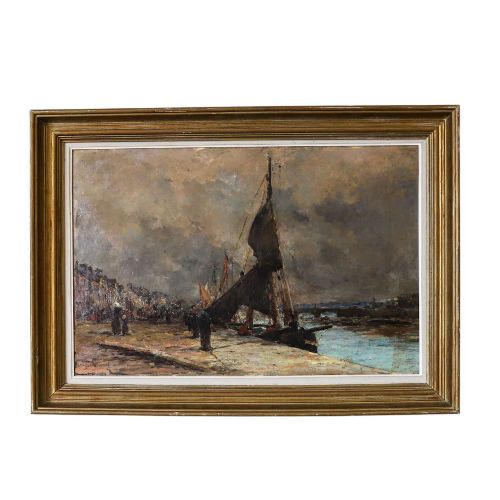
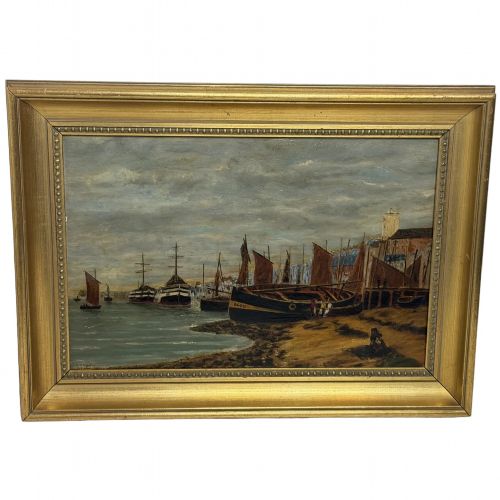
An oil painting harbour scene captures maritime life, coastal architecture, and shipping vessels through painted pigment on a flat support. These works range from calm Venetian lagoons and busy northern European ports to sunlit Mediterranean quays.
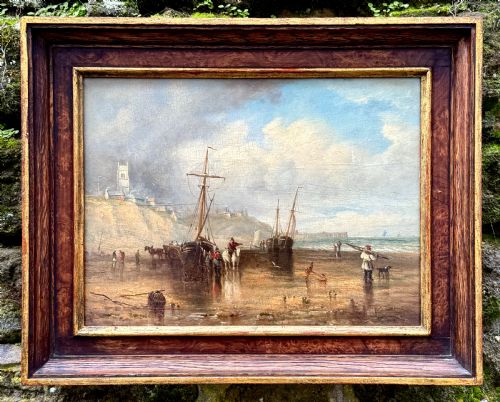
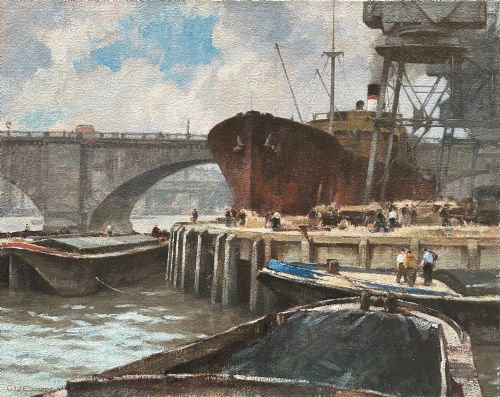
You will most frequently encounter 19th-century interpretations and mid-century modern perspectives on this page. The forms stretch from small wooden panels depicting single fishing boats to large canvases showing crowded docks with multiple sailing vessels.
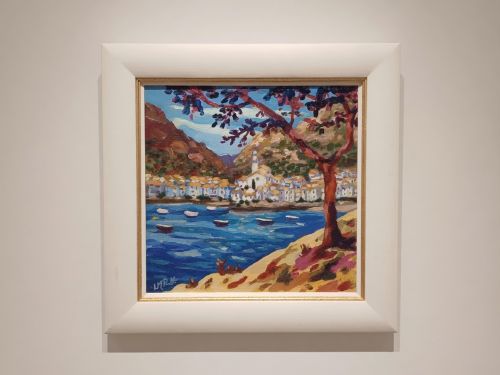
The aesthetic vocabulary shifts across the decades represented here. Victorian and Georgian pieces lean towards traditional topographical accuracy, whilst later mid-century works embrace impressionistic brushwork and abstracted coastal light.
Understanding quality differences
Quality in these maritime works rests on the artist's command of atmospheric light, perspective, and the movement of water. A superior composition convincingly renders the shifting reflections on the surface of a harbour and the convincing scale of shipping vessels.
The handling of paint also separates accomplished works from ordinary output. Confident, deliberate brush strokes create depth and atmosphere, whereas weaker examples rely on flat, uniform application without tonal nuance.
Materials recorded across these maritime works include oil paint, canvas, wood panels, gold leaf, and gilt wood frames.
James Kay RSW·Augusto Alberici·Clive Browne·Paul Bret·Thomas Creswick·Charles Euphraisie Kuasseg·William Edward Webb·Gyrth Russell·Raymond Picque·Donald McIntyre·James Webb·Owen Bowen·John Callow
The Oil Painting Harbour Scene Glossary
- Canvas
- A heavy woven fabric stretched across a wooden frame to serve as a painting surface. It remains the most common support found in historical oil paintings.
- Impasto
- Paint laid thickly on a surface so that brush or palette-knife marks remain visible. Artists often utilise this technique to capture the churning texture of waves.
- Oil paint
- A slow-drying paint made by mixing pigments with a drying oil such as linseed. This medium allows for rich colour blending and fine detail work.
- Gilt wood
- Wood coated with a thin layer of gold leaf or metallic gilt powder. Many traditional frames utilise this finish to enhance the visual weight of the artwork.
- Wood panel
- A flat rigid wooden board used as an alternative to canvas for painting. Panels offer a stable surface that prevents the cracking often seen in aged fabric supports.
Oil Painting Harbour Scene: Frequently Asked Questions
How do I date an old maritime painting?
Dating relies on examining the stretcher frames, canvas type, pigment analysis, and the style of the clothing or shipping vessels depicted in the composition. Signatures and exhibition labels on the reverse also provide reliable chronological clues.
Fashion changes in rigging, boats, and shore architecture help narrow down the decade when the artist stood at the easel.
What is the difference between canvas and panel works?
Canvas supports are flexible woven textiles stretched over wooden frames, which can sometimes show characteristic craquelure as the paint ages. Wood panels are rigid supports that tend to resist cracking but can be susceptible to warping if exposed to extreme humidity.
Both materials were used across different periods, though panel paintings frequently appear in earlier works or smaller sketches.
How should I hang a framed coastal artwork?
Hang your piece away from direct sunlight and steady heat sources to protect the oil paint and canvas from thermal expansion. Use professional picture hooks rated for the combined weight of the painting and its heavy gilt frame.
Ensure the wall has solid structural support, as antique frames can add substantial weight to the overall assembly.
Why do some marine paintings feature choppy seas?
Artists often chose stormy conditions to demonstrate their technical skill in rendering dynamic movement, spray, and changing light. Choppy water allowed painters to employ heavy impasto brushwork to create dramatic textures.
These scenes also dramatised the daily perils faced by fishermen and merchant sailors navigating busy ports.