

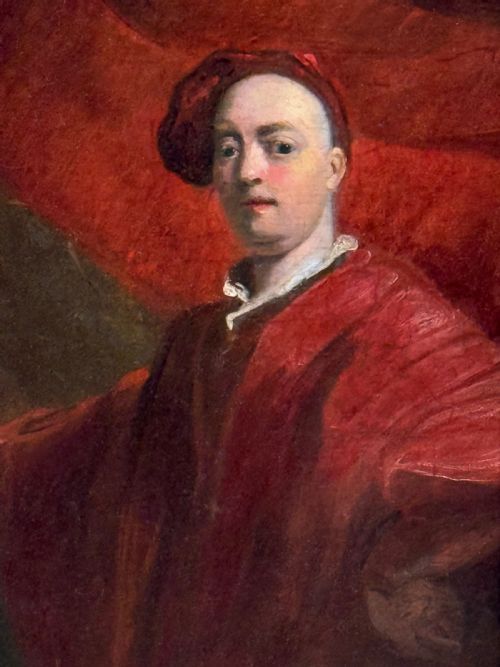
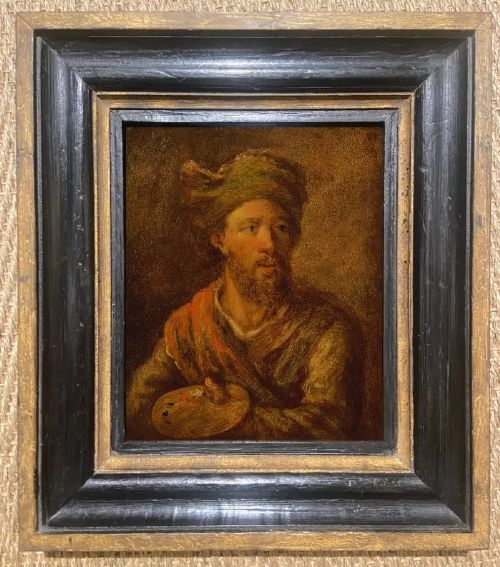
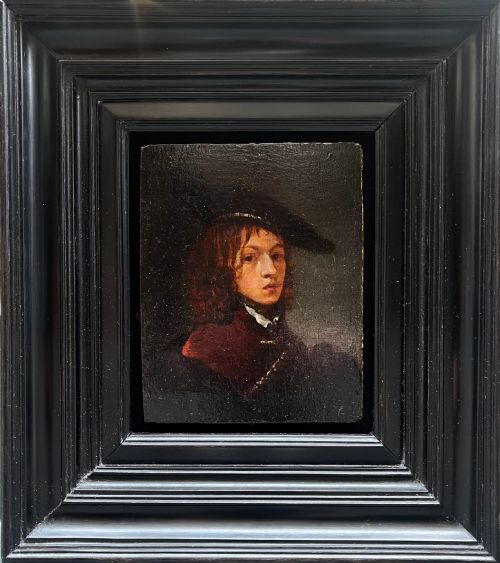
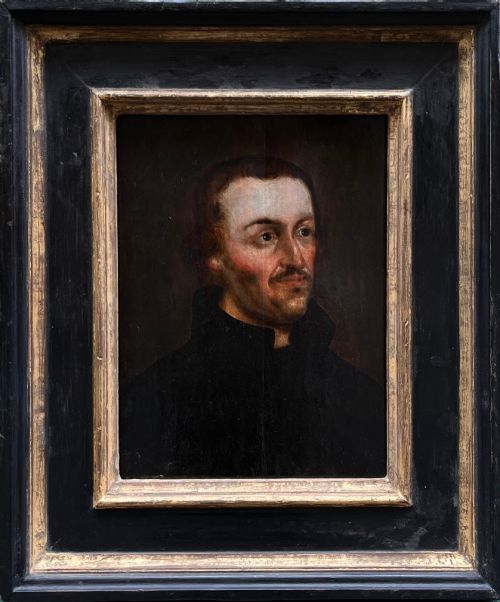
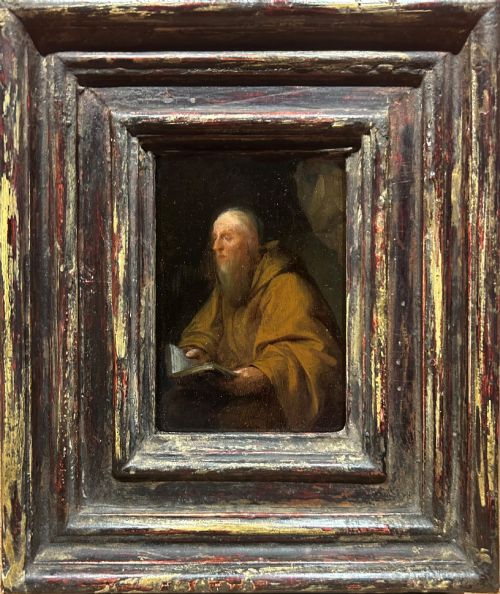
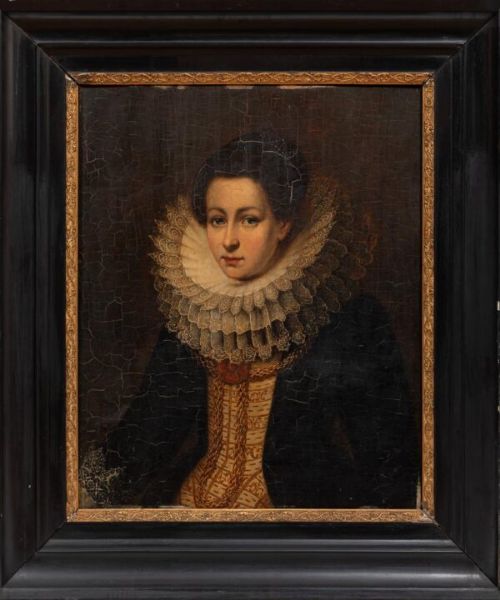
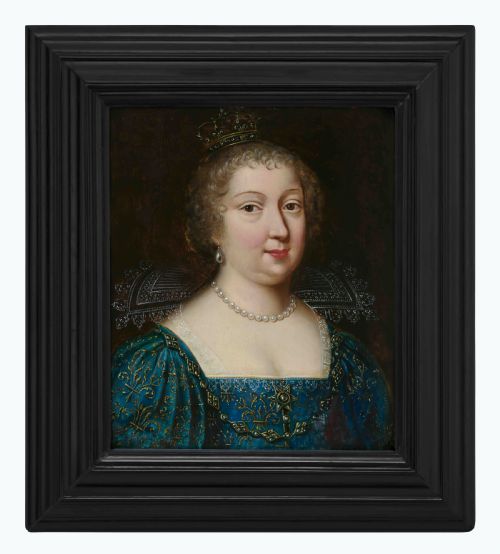
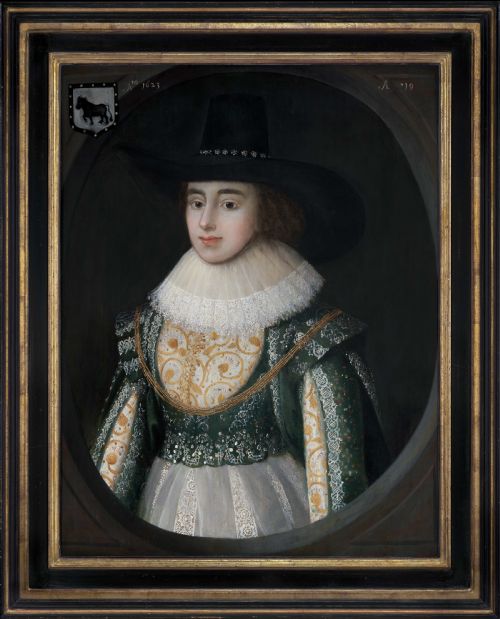
Oil on Panel Portrait
When examining an oil on panel portrait, you encounter centuries of meticulous figurative painting executed on rigid timber rather than stretched canvas.
Oil on Panel Portrait
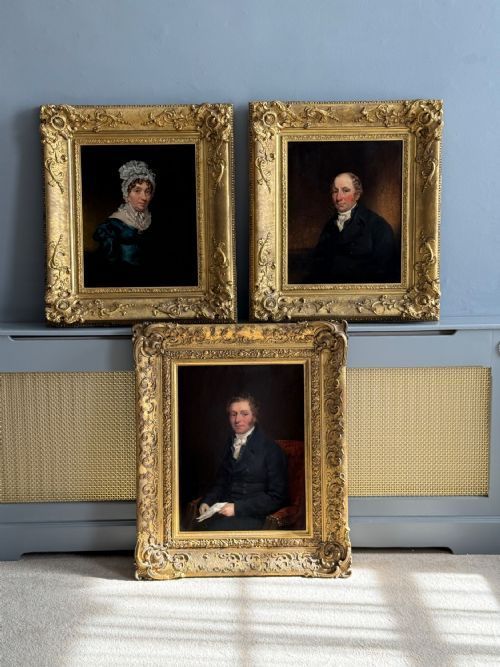
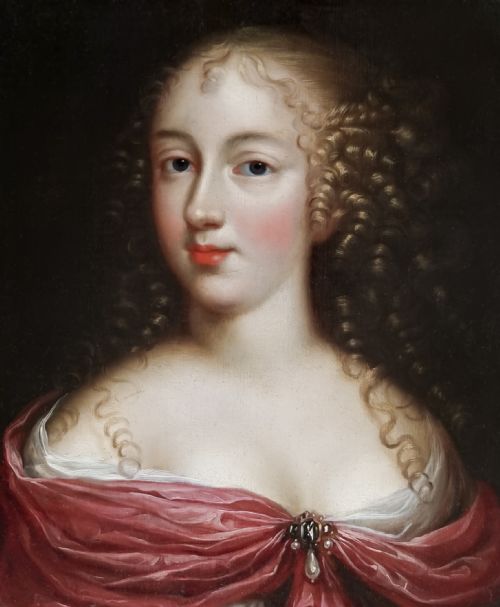
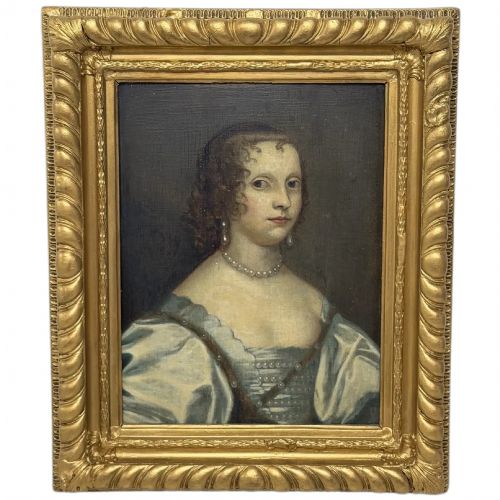
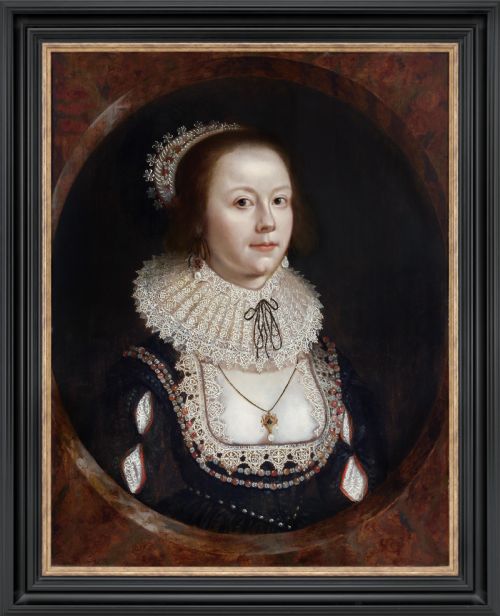
An oil on panel portrait represents individuals, nobles, and domestic figures rendered in oils across a solid wooden support. These works span from the sixteenth-century Tudor and Jacobean eras through the seventeenth-century Dutch Golden Age and into nineteenth-century academic and naive interpretations.
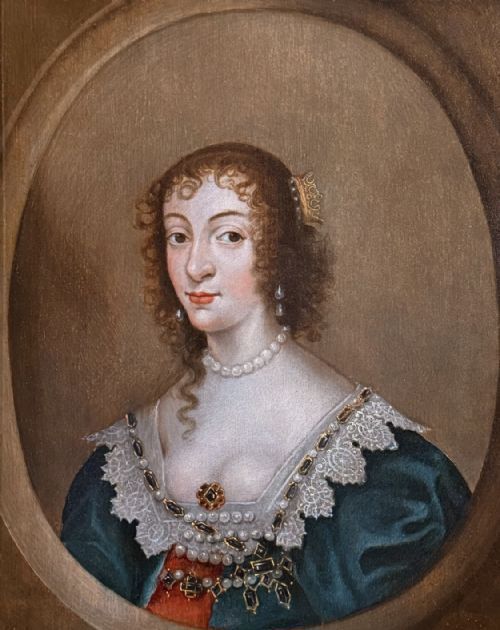
The selections on this page heavily feature seventeenth-century British and European subjects alongside nineteenth-century Victorian and Regency examples. Buyers frequently encounter detailed depictions featuring elaborate lace ruffs, heavy doublets, and formal attire, as well as more intimate domestic or regional studies.
The formats range from small, highly detailed head-and-shoulder panels to three-quarter length compositions. Many retain their original or period wooden frames, offering a complete historical artefact rather than merely a canvas removed from its setting.
How They Were Made
Artists painted directly onto prepared wood supports, utilising oak, pine, or general wood panels that provided a completely rigid foundation. This solid ground prevented the cracking and flex associated with stretched fabric canvases over long periods.
Makers applied layers of oil paint over gesso or priming grounds, allowing for fine detail work such as lace collars, intricate embroidery, and facial expressions. The smooth surface of the panel permitted miniaturist precision, particularly visible in seventeenth-century works.
Oil on Panel Portrait Retail Price Guide 2026
Typical asking prices for oil on panel portrait among the pieces listed under this phrase on Sellingantiques today, from the lower quarter to the upper quarter. They describe what is for sale here now, not the wider market.
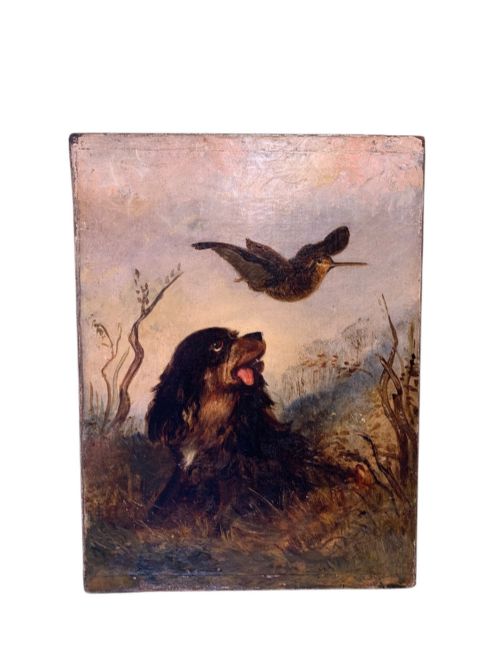
Several portraits preserve the stern gazes of subjects accompanied by vigilant spaniels, hounds, and cats.
What Varies in Quality
The distinction between workshop pieces and master hands lies in the psychological depth of the sitter and the precision of the garment rendering. Superior panels display confident brushwork in the lace, eyes, and hands, whereas lesser examples rely on formulaic repetition.
The stability of the wooden support dictates longevity, with well-seasoned oak panels resisting warping far better than poorly cured softer woods. The survival of original pigment saturation and minimal overpainting also separates untouched historic examples from heavily restored surfaces.
Joseph Clover RA·Pierre Mignard·Cornelius Johnson·William Williams·Hans Temple
The Oil on Panel Portrait Glossary
- Panel
- A flat piece of wood used as a rigid support for painting instead of canvas. Oak and pine were common choices for durability.
- Ruff
- A voluminous starched pleated collar worn in Elizabethan and Jacobean fashion. Its intricate folds demand high technical skill from the portraitist.
- Doublet
- A close-fitting man's jacket worn during the sixteenth and seventeenth centuries. Details in its fabric indicate the social status of the sitter.
- Cradled panel
- A wooden panel reinforced on the reverse with a lattice of wooden bars to prevent warping. This conservation method stabilizes old timber.
- Ground
- The preparatory layer applied to a wooden panel before painting. It creates a smooth, non-porous surface for oil pigments.
Oil on Panel Portrait: Frequently Asked Questions
How do I identify an oak panel portrait?
Inspect the reverse of the painting for exposed timber, grain direction, and tool marks. Early panels often show adze marks or evidence of being split from the log rather than sawn.
Older oak supports frequently display natural bowing and age-related splitting along the grain. Examining the edges helps determine whether the panel has been trimmed from a larger composition.
Why did artists paint on wood instead of canvas?
Wood panels provided an absolutely rigid surface that allowed painters to achieve extreme fine detail and smooth blending. Canvas was more vulnerable to punctures and slackening in damp environments.
Many sixteenth and seventeenth-century workshops preferred wood because it accepted crisp preparatory grounds. This tradition persisted well into the nineteenth century for smaller cabinet paintings.
How should I care for an antique panel painting?
Maintain stable room humidity and temperature to prevent the wood from expanding or contracting excessively. Sudden environmental changes cause timber to split and paint layers to lift.
Keep panels away from direct sunlight, heating vents, and exterior walls. Professional framing with proper backboards protects the exposed wood from atmospheric fluctuations.
What does attribution to a school mean?
Attribution to a specific school indicates the work was produced in that region during a particular era, reflecting local techniques and styles. It links anonymous artists to major cultural centres without claiming a direct autograph signature.
Such designations help historians contextualize unsigned works among contemporary peers. They denote artistic lineage and stylistic proximity rather than a documented master.