


Oil on Canvas Picture
An oil on canvas picture brings centuries of painterly tradition directly to your walls, spanning portraits, luminous landscapes and still lifes.
Oil on Canvas Picture
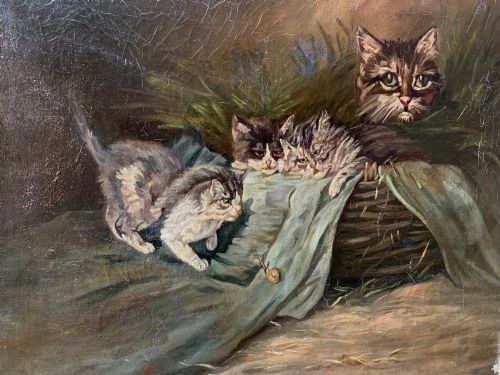
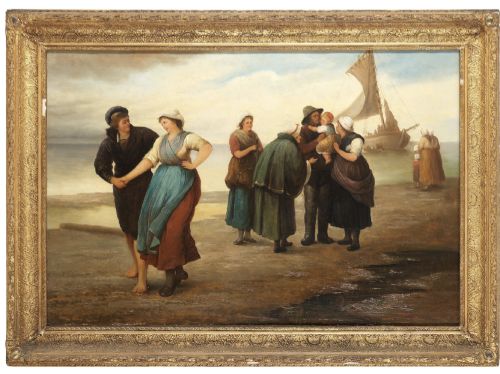
An oil on canvas picture is a painted work using pigmented oil suspended in a drying medium, stretched across a woven textile support. These works range from seventeenth-century portraits to mid-century modern vistas and domestic scenes.
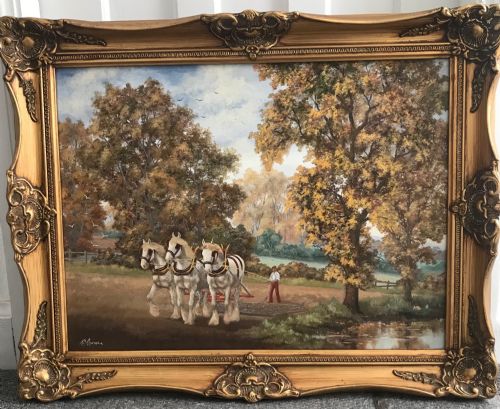
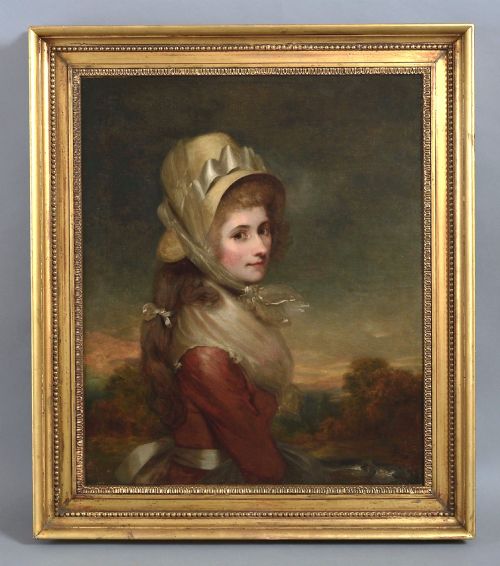
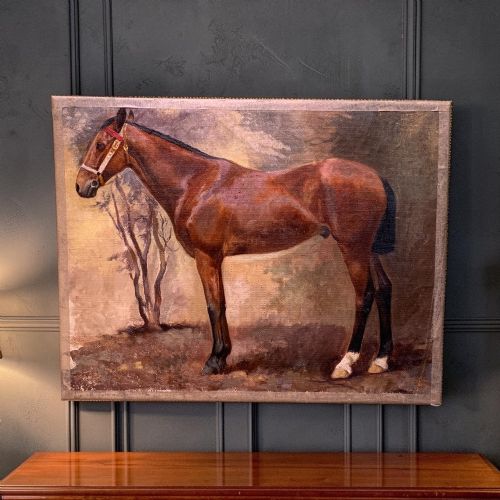
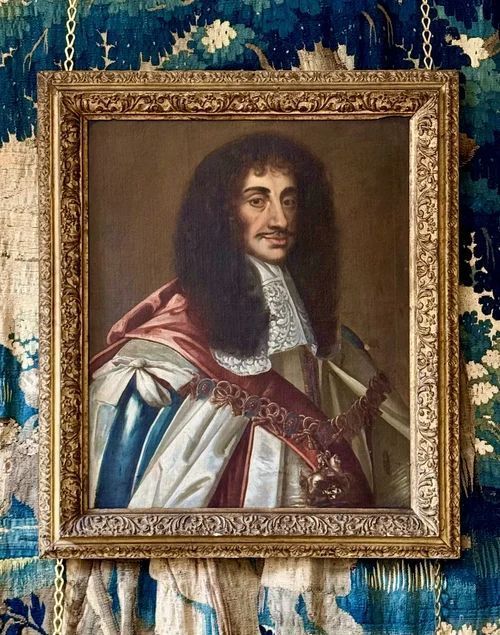
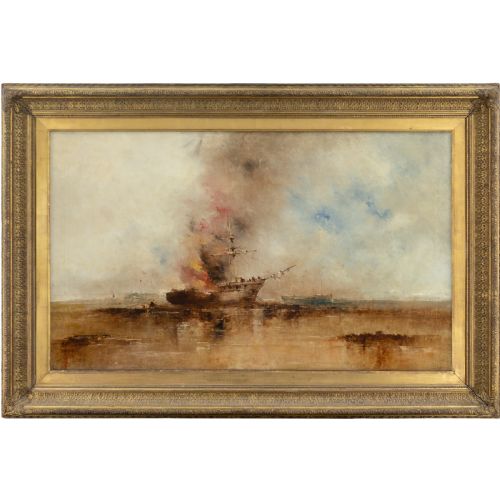
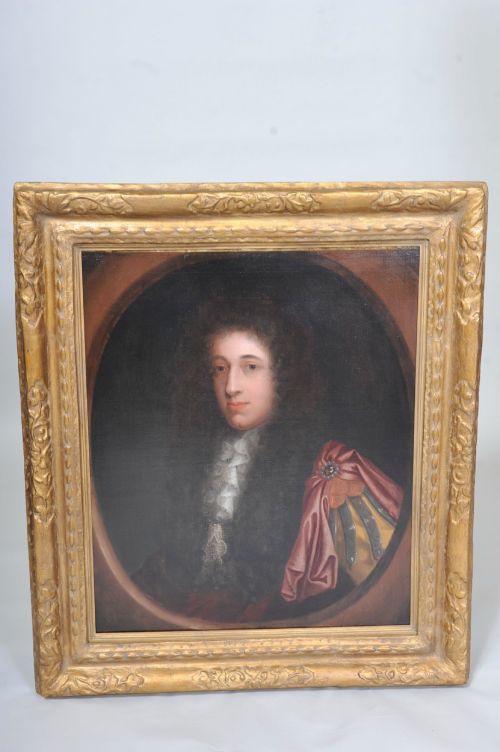
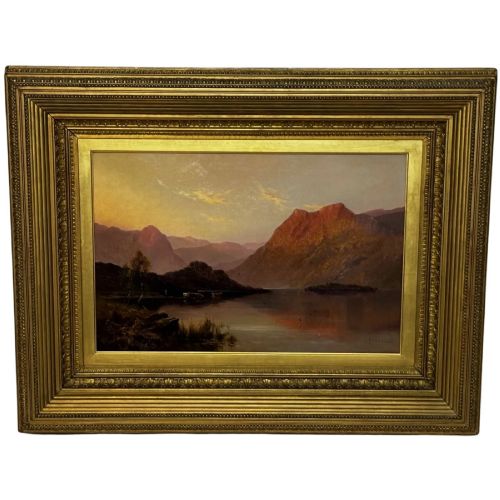
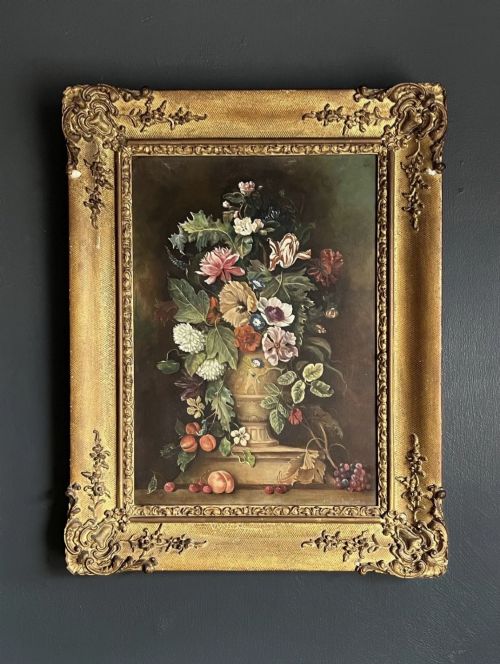
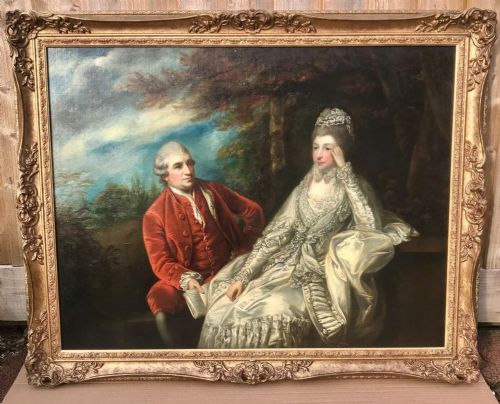
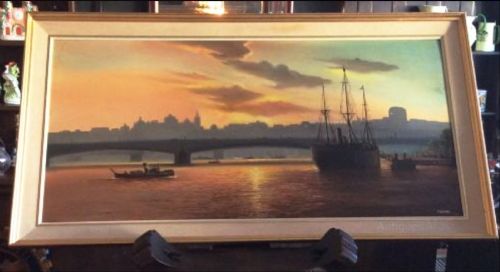
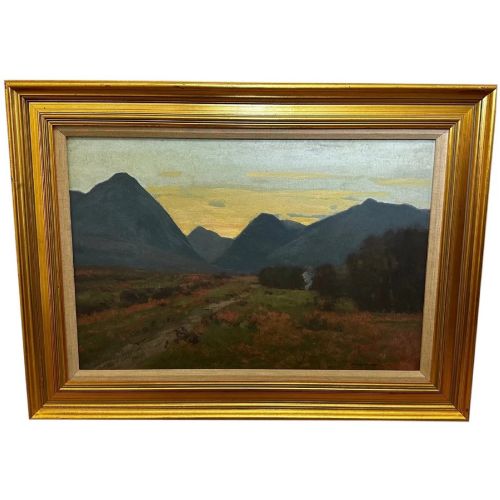
The pieces listed on this page cover a broad chronological sweep, including eighteenth-century European school works, Victorian equestrian studies and twentieth-century maritime landscapes. Buyers encounter everything from grand formal portraiture to intimate rural scenes.
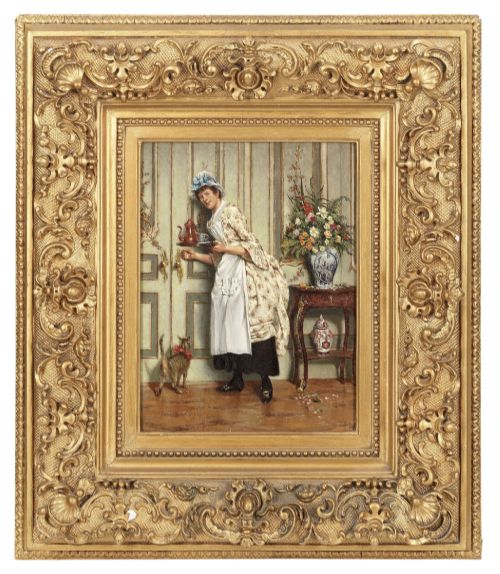
Subjects vary significantly across the centuries, shifting from aristocratic likenesses and mythological subjects to pastoral landscapes, maritime views and botanical still lifes. Each era brings its own distinct palette and compositional approach to the canvas.
Materials and construction
The physical foundation relies on stretched canvas, traditionally linen or cotton, secured to a wooden stretcher frame and frequently housed within gessoed and giltwood surrounds. Oil paint allows for slow drying times, enabling artists to blend tones smoothly and build rich impasto textures.
Frames play a structural and aesthetic role, with carved giltwood and swept gesso mouldings providing period-appropriate housing that protects the edges of the canvas and completes the presentation.
The listings span multiple centuries, incorporating seventeenth-century portraiture, eighteenth-century European school paintings and twentieth-century landscapes.
Evaluating the artwork
Quality rests in the handling of light, anatomical precision and the confidence of the brushwork across the canvas surface. Masterful works demonstrate subtle tonal transitions and a deliberate compositional rhythm that holds the viewer's attention.
The preservation of the original paint layer and the structural integrity of the canvas support influence the overall standard of a piece. Finer examples retain their original vibrancy and structural tension without extensive modern intervention.
Sir Martin Archer Shee·Sir Peter Lely·Alfred Fontville de Breanski Jr·George Houston RSA RSW·Stephen Samuel Lewin·Sir Joshua Reynolds·David Bates·Benjamin Barker of Bath·Alfred Lyndon Grace·Walter Heath Williams·Howard Helmick·Francis Moltino·Edward Ladell·John Horace Hooper·Charles H Passey·George Stubbs
The Oil on Canvas Picture Glossary
- Gesso
- A plaster-like mixture applied to wooden frames as a smooth base for gilding. It provides a crisp surface for decorative moulding.
- Impasto
- Paint applied thickly to a canvas, standing in relief and retaining the marks of the brush or palette knife. This technique adds tactile depth to the surface.
- Provenance
- The documented history of ownership of a work of art. It helps establish authenticity and historical context.
- Stretcher
- The wooden frame over which the canvas is pulled and secured. It maintains the tension required to keep the painted surface stable.
Oil on Canvas Picture: Frequently Asked Questions
How do I care for an oil painting?
Keep the artwork away from direct sunlight and fluctuating humidity levels to protect the canvas and paint layers. Dust the surface gently with a dry, soft brush when necessary.
Avoid using water or chemical cleaners on the paint or the gilt frame. Professional conservation should be sought for any deeper cleaning.
Are these paintings supplied with frames?
Many pieces retain their period frames, such as giltwood or swept gesso designs that complement the era of the canvas. These frames are typically included as part of the listing.
Check the individual details to confirm whether a specific frame is original to the artwork. Some works are sold ready to hang in their historic surrounds.
How can I tell the age of a canvas?
Inspect the weave of the canvas, the construction of the stretcher frame and the materials used on the reverse. Older canvases often show characteristic darkening and oxidation of the oil medium.
Stylistic cues within the painting, along with signatures or inscriptions, help narrow down the period of creation. Comparative study with dated works provides further context.
What is the difference between oil on canvas and oil on board?
Oil on canvas utilises a flexible woven textile support stretched over a wooden frame, offering a slight give under the touch. Oil on board uses a rigid wooden or composition panel as the backing.
Board supports were frequently employed for smaller plein air sketches and certain twentieth-century works. Both methods utilise the same slow-drying oil paint medium.