




Oil Canvas Coastal Artwork
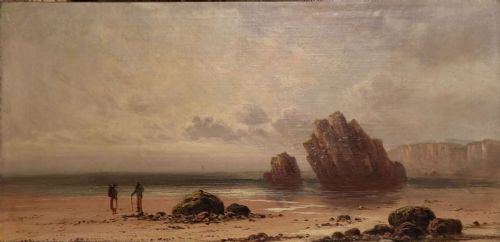
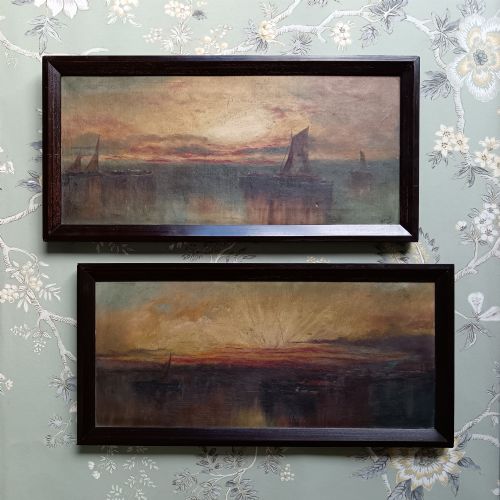
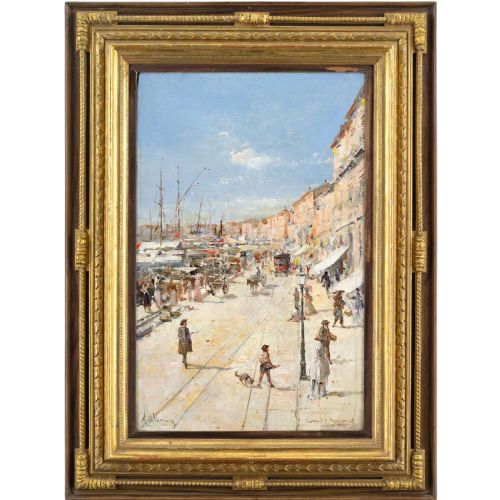
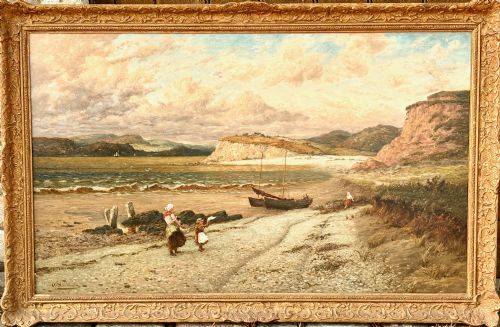
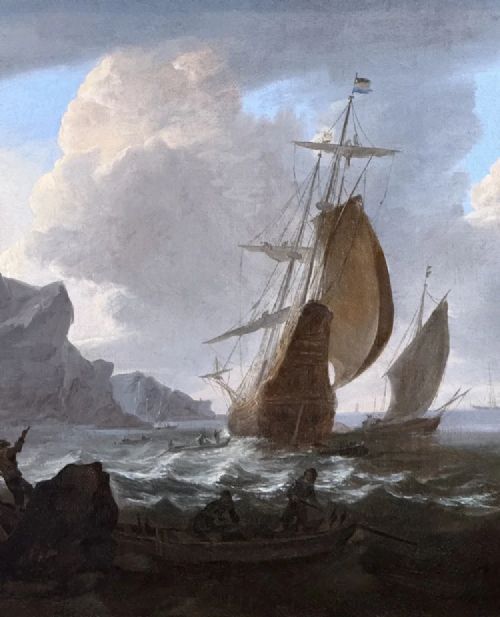
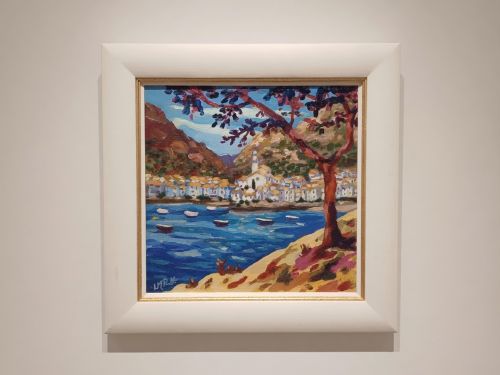
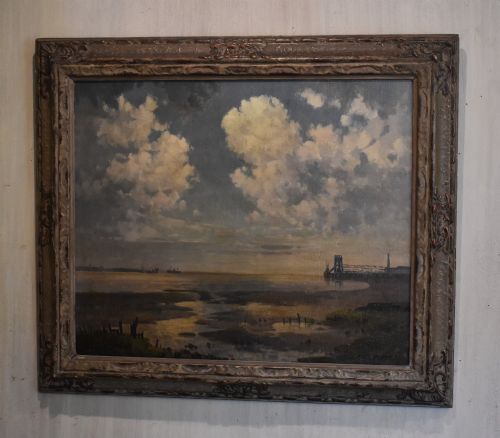
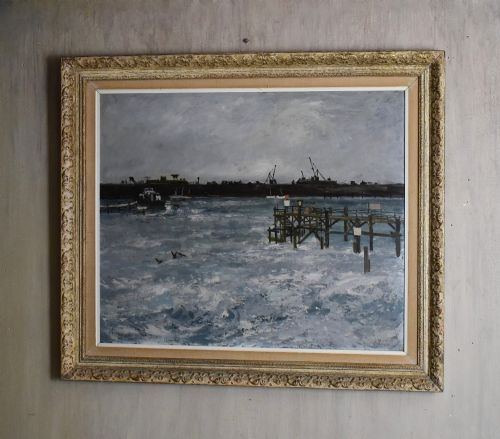
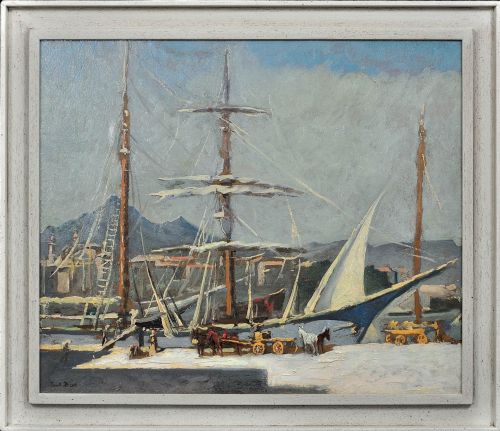
When you search for oil canvas coastal artwork, you meet maritime scenes, harbour views and rocky shores captured across the nineteenth and twentieth centuries.
Oil Canvas Coastal Artwork
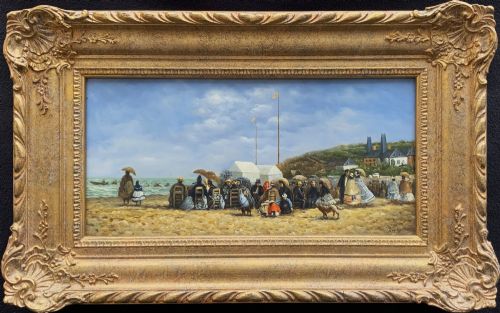
When buyers search for oil canvas coastal artwork, they look at marine landscapes, harbour views, and seaside gatherings recorded from the nineteenth century onward.
The most common pieces on this page span the Victorian era, the Edwardian period, and mid-century modern movements, showing shores, shipping, and coastal cliffs.
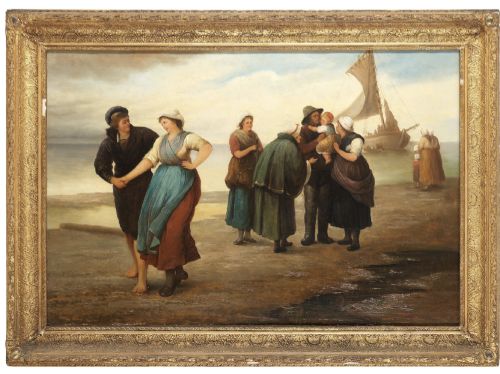
Paintings range in scale from intimate oval sea views to large Victorian canvases depicting maritime activity around British and European ports.
How they were made
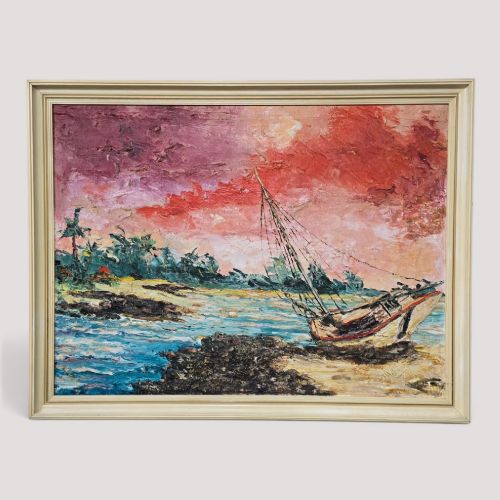
Artists applied oil paint to stretched canvas or wooden boards, frequently using impasto techniques to build texture in waves, clouds, and rocky coastlines.
Many works retain their original giltwood or carved wooden frames, which complement the maritime subject matter and protect the painted edges.
Listings feature works created across multiple periods, including the 19th Century, Edwardian era, and 1950s.
What varies in quality
Quality depends on the artist's ability to handle light, atmosphere, and movement within a marine environment, distinguishing skilled brushwork from mechanical reproduction.
The stability of the canvas and the preservation of the original oil pigments determine the longevity and visual clarity of each coastal scene.
Kenneth Cozens·Clifford Hanney·Augusto Alberici·Clive Browne·Peter Brannan·Paul Bret·Bernard Benedict Hemy·Thomas Creswick·Ethel Sands·Donald McIntyre·Cecil Allan Mould·Charles Euphraisie Kuasseg·John Wilson Carmichael·Abraham Cooper·Erich Mercker·William Henry Williamson·John Holland·Walter Goodin·Abraham Hulk I·Raymond Moritz·Joseph Edward Hennah·William Edward Webb·Edward Matthew Elliott
The Oil Canvas Coastal Artwork Glossary
- Impasto
- Paint applied thickly to a canvas or board, leaving visible brush or palette knife marks that add tactile dimension to water and sky.
- Giltwood
- Wood carved and covered with a thin layer of gold leaf or metallic gilt, commonly found on nineteenth-century picture frames.
- Maritime
- Pertaining to the sea, shipping, and coastal navigation, forming the primary subject of these paintings.
- Post-Impressionism
- An art movement following impressionism that extended its use of vivid colours and thick application while emphasising geometric forms.
Oil Canvas Coastal Artwork: Frequently Asked Questions
How do I date an oil canvas coastal artwork?
Dating relies on the style of clothing worn by figures, the types of ships depicted, and framing techniques characteristic of periods like the Victorian era or the 1950s.
Signatures, stamps on the reverse, and exhibition labels also help place the creation within a specific decade.
Where should I hang these maritime paintings?
These works suit well-lit spaces away from direct sunlight and dampness to protect the canvas and oil pigments from environmental damage.
Pairing the frame style with your interior decor helps anchor the artwork within a room.
What is the difference between board and canvas supports?
Canvases are stretched over wooden frames and offer slight give, while boards provide a rigid backing that prevents sagging over time.
Both supports were used across different periods depending on the artist's preference.
How do I care for an antique oil painting?
Keep the surface clean by gently dusting with a soft, dry brush, avoiding water or chemical cleaners that can damage the varnish layer.
Maintain stable room temperatures to prevent cracking in the paint.