






Officers Writing Chest
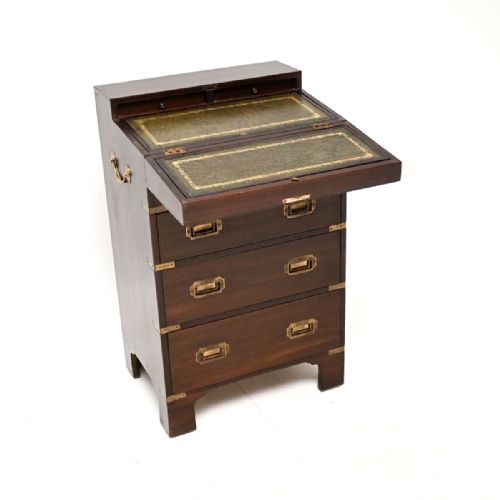
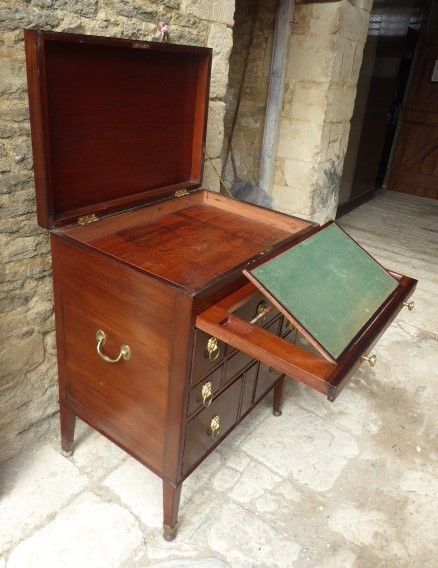
An officers writing chest is a portable desk made for travel, built with brass corners and handles to withstand colonial campaigns.
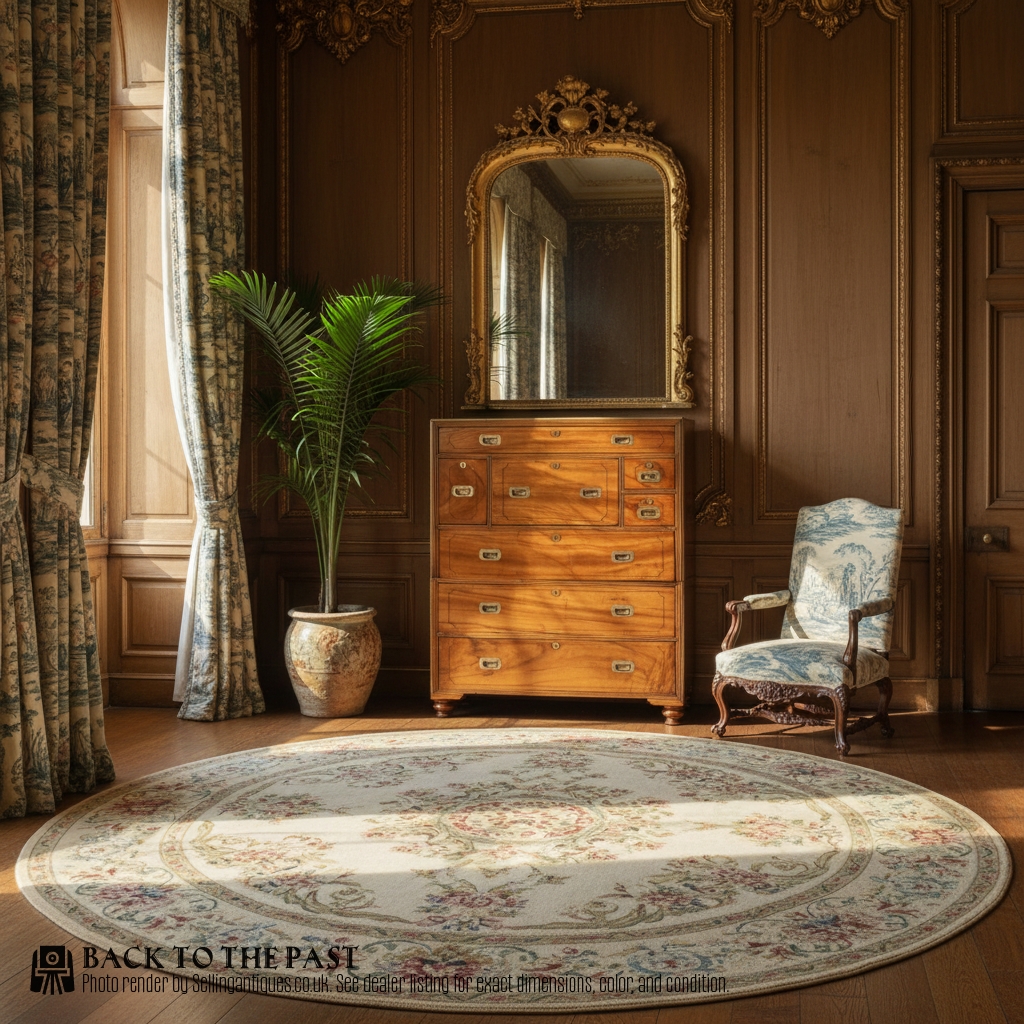
Officers Writing Chest
When you search for officers writing chest, you find campaign furniture designed for officers on the move during the eighteenth and nineteenth centuries. These pieces split into sections for easy transport on ships and horses, featuring recessed brass handles and reinforced corners.
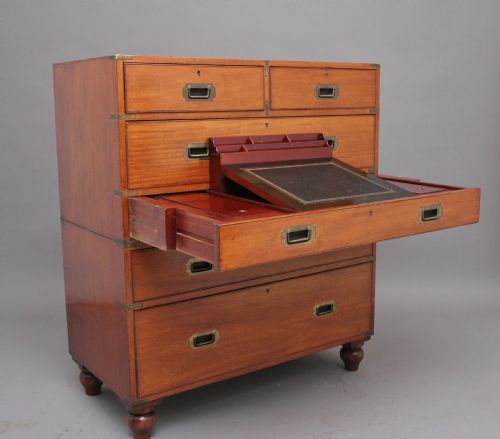
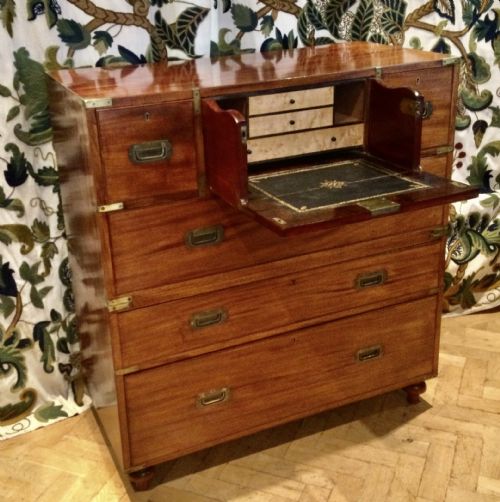
Mahogany, teak and camphor wood dominate this selection, frequently arranged as two-part chests of drawers with integrated writing desks. Many examples incorporate secretaire drawers that fold down to reveal pigeonholes and small compartments for correspondence.
The Victorian period and the Georgian era supply the bulk of these items, alongside British Colonial and Chinese Export pieces. Buyers most often meet two-part camphor wood or mahogany secretaire chests built to withstand arduous journeys.
What varies in quality
The precision of the brass hardware and the crispness of the flush-fitting mounts distinguish superior chests from standard utilitarian examples. Quality rests in the integrity of the timber selection and the accuracy of the dismantling mechanism between sections.
Internal complexity also sets pieces apart, where fitted secretaire drawers with secret compartments and clever pigeonhole layouts demonstrate superior craftsmanship. The original finish and the preservation of the secondary timbers dictate the standing of an individual chest.
Officers Writing Chest Retail Price Guide 2026
Typical asking prices for officers writing chest among the pieces listed under this phrase on Sellingantiques today, from the lower quarter to the upper quarter. They describe what is for sale here now, not the wider market.
One surviving chest retains the named plaque of a nineteenth century captain.
The Officers Writing Chest Glossary
- Secretaire chest
- A chest of drawers containing a fitted writing drawer that drops down to reveal a desk surface and small compartments. This form combines the storage of a tallboy with the utility of a bureau.
- Campaign furniture
- Portable furnishings designed for military officers to pack down and transport during active service. These items utilise brass bound edges and removable feet to survive long voyages.
- Camphor wood
- An aromatic timber native to Asia, prized for its insect-repelling properties and distinctive scent. Nineteenth century workshops frequently employed it for export chests sent to Britain.
- Baize
- A coarse woolen material resembling felt, traditionally used to line writing surfaces inside desks and secretaire drawers. It provides a soft layer for writing upon.
- Brass strapwork
- Flat strips of brass screwed across the corners and edges of campaign chests to absorb impact during transport. It serves both a structural and decorative purpose.
Officers Writing Chest: Frequently Asked Questions
Why did officers need these chests?
Military officers required portable desks to manage correspondence, keep records and write reports while stationed away from permanent bases. These chests packed down securely to travel across land and sea during campaigns.
Their modular construction allowed them to double as luggage and field desks, keeping vital documents organised and protected from moisture and rough handling.
How do I spot a two-part chest?
A two-part campaign chest divides horizontally into an upper and lower cabinet, secured together by brass side brackets or internal bolts. This split reduced the weight and bulk for loading onto pack animals or ships.
You can identify them by the visible brass side plates and the flush handles positioned to allow separate sections to be lifted independently.
Where were these pieces made?
Workshop origins vary between British cabinet makers producing military outfits and colonial craftsmen working abroad in India and China. Many pieces returned home with retired officers after decades of service overseas.
Colonial workshops often utilised regional timbers like camphor wood and teak, whilst British makers tended towards mahogany and padouk.
How should I clean the brass?
Brass mounts benefit from gentle dusting and occasional cleaning with a non-abrasive metal polish, taking care to avoid staining the surrounding timber. Many collectors prefer to leave a darker patination on the brass rather than restoring it to a bright shine.
Use a soft cloth and apply cleaners sparingly so the liquid does not seep into the grain of the camphor wood or mahogany.
Can I use the writing flap daily?
The drop-down secretaire drawer functions well for occasional writing, provided the support hinges and runners remain sturdy. Ensure the weight rests on the lopers or drop-front stays rather than the hinges alone.
Frequent use is entirely practical, though placing heavy items on the leather or baize surface should be avoided to prevent indentation.