
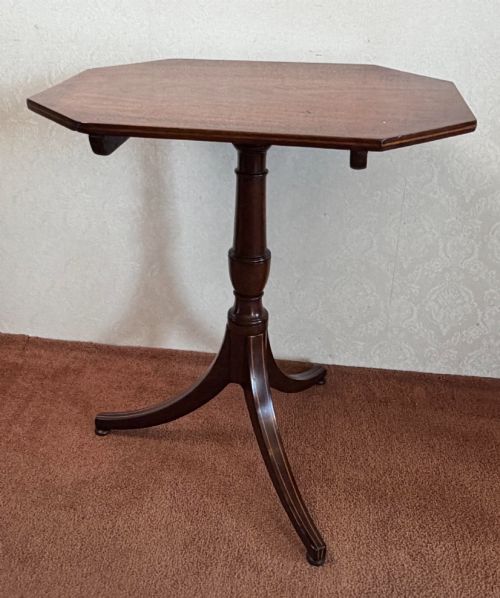
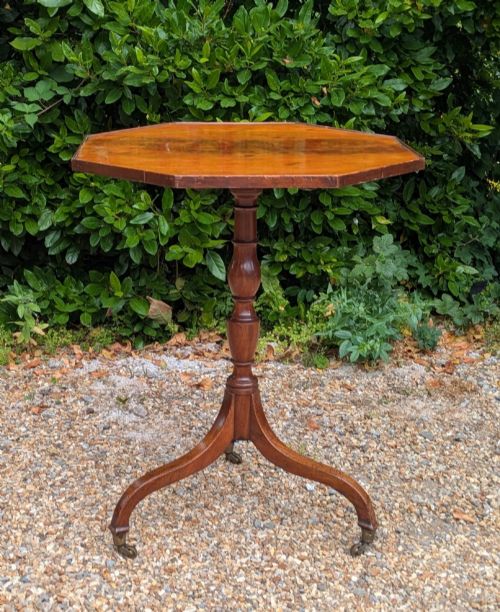
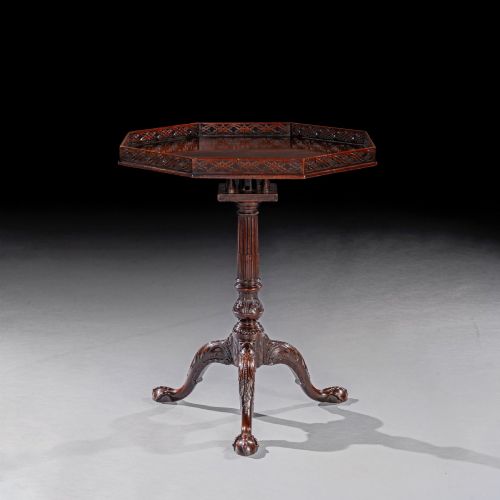
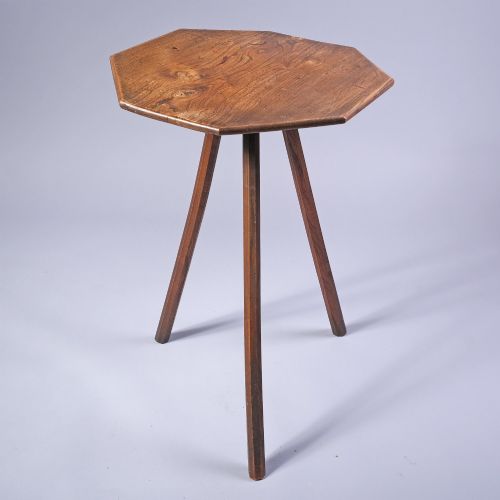
Octagonal Top Tripod Table
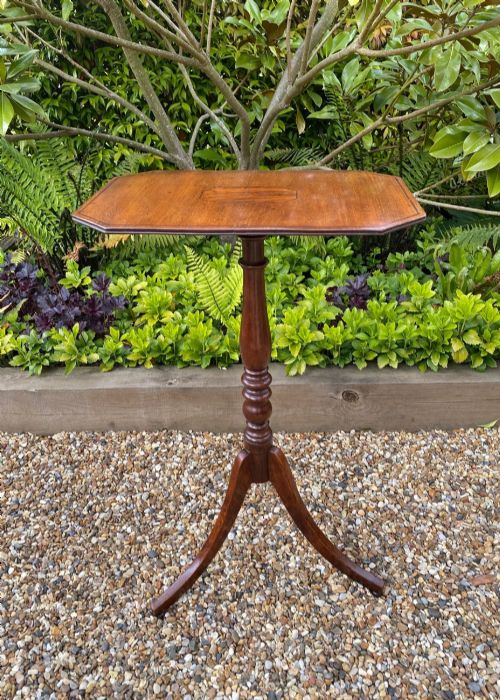
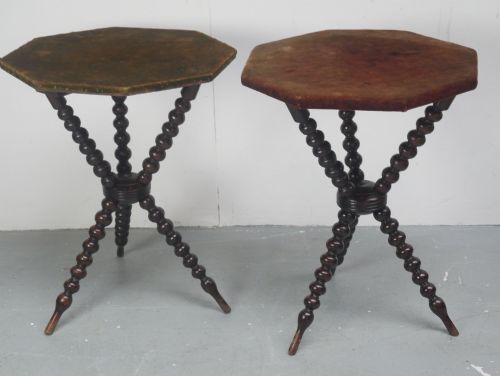
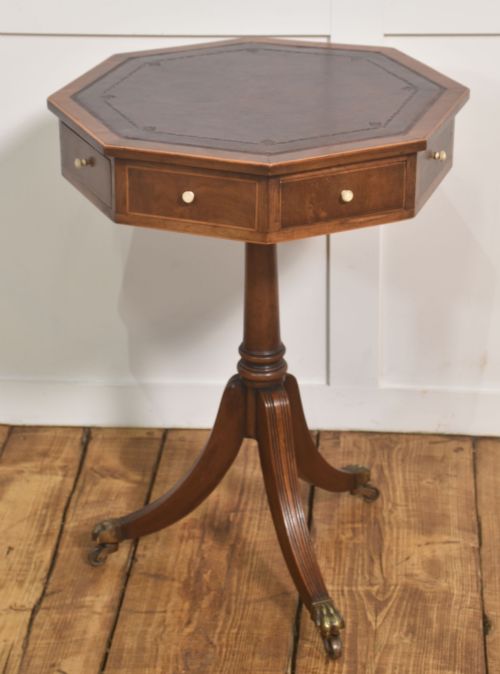
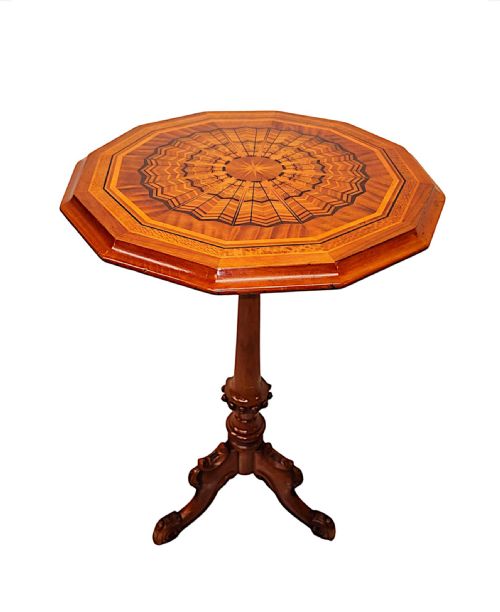
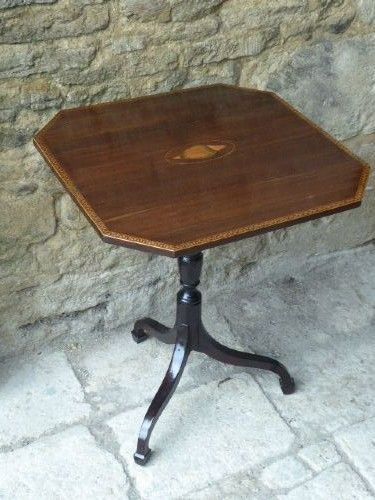
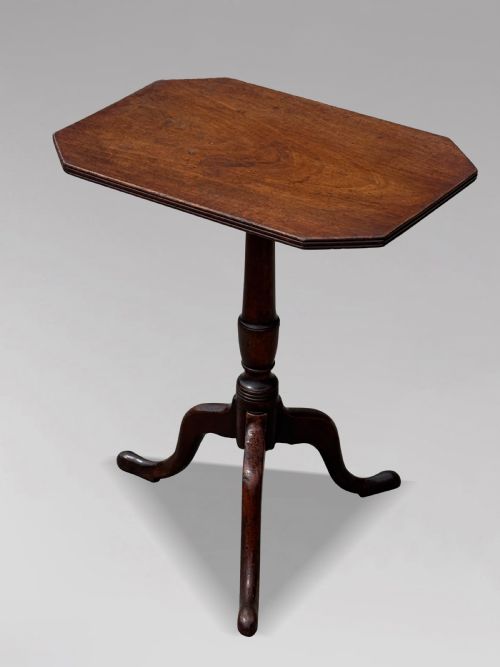
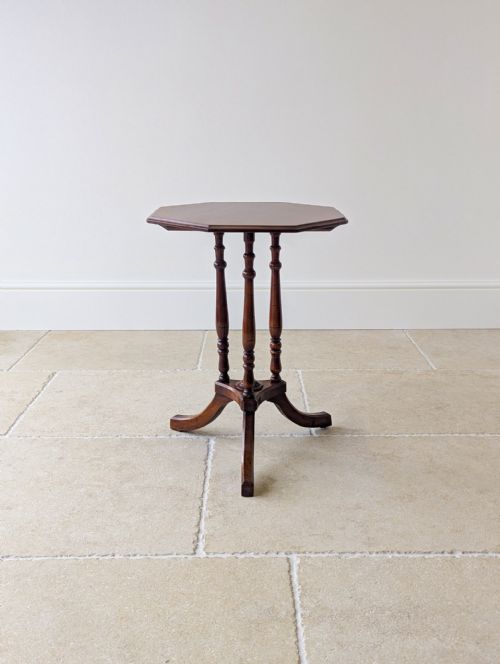
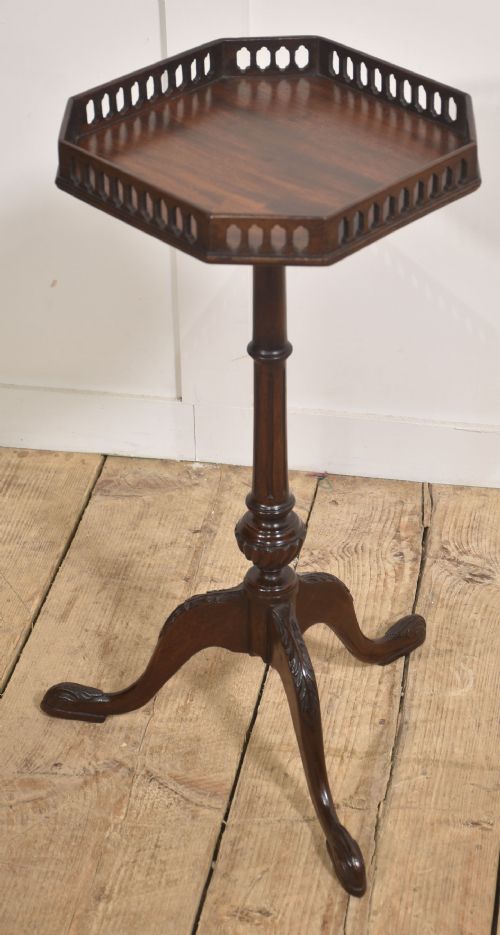
An octagonal top tripod table brings geometric precision to a classic pedestal form, offering a stable surface with distinct angled edges.
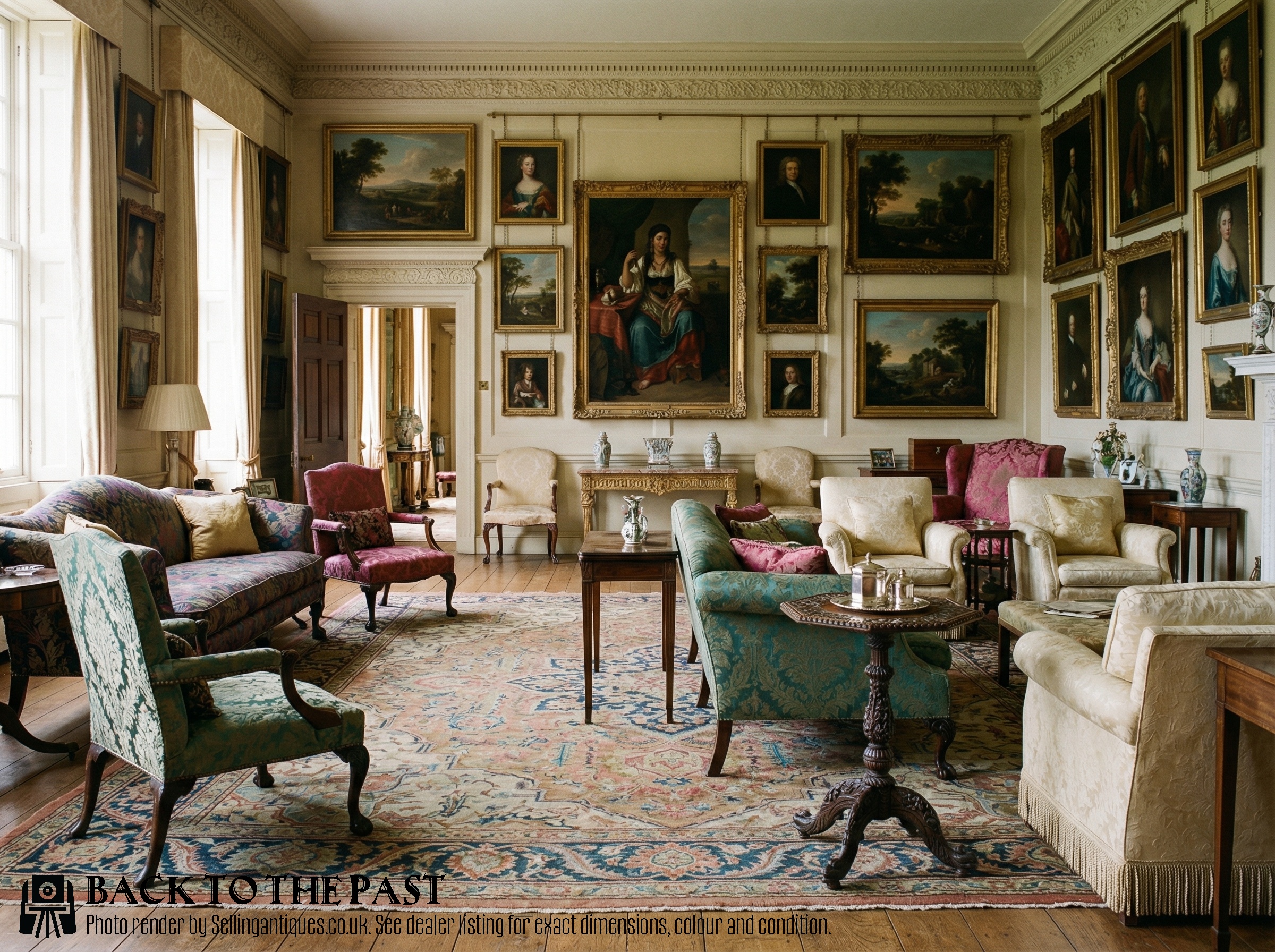
Octagonal Top Tripod Table
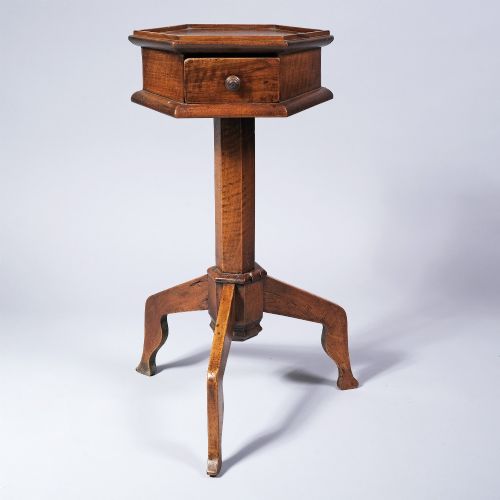
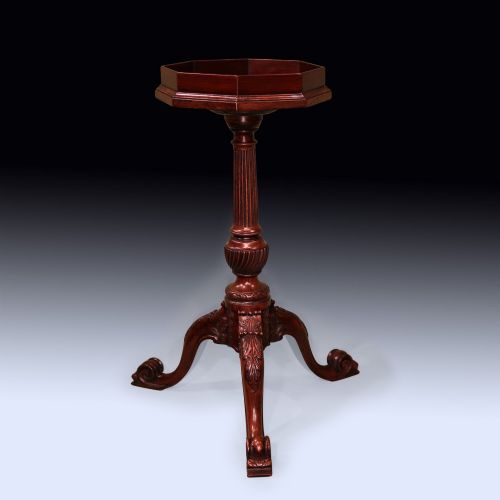
An octagonal top tripod table combines a multi-sided surface with a three-legged pedestal base, originating across Georgian, Regency, and Victorian periods. These pieces serve primarily as occasional, wine, or lamp tables within domestic spaces, balancing display utility with compact proportions.
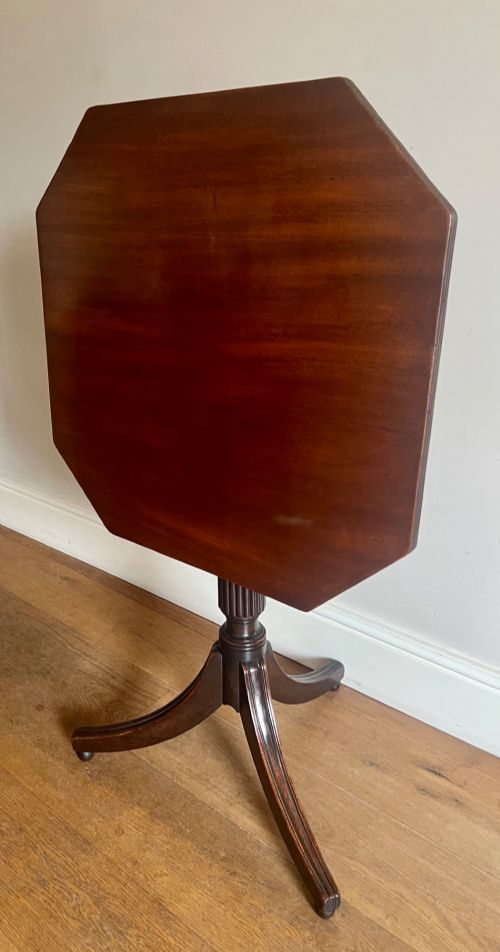
The evidence records examples ranging from vernacular 18th-century oak and fruitwood pieces to refined mahogany and satinwood models from the Regency era. Many incorporate tilt-top or birdcage mechanisms, allowing the top to pivot or fold when not in active use.
Makers and makers' circles spanned regional workshops and larger urban cabinet-makers, utilising native timbers alongside imported hardwoods. Buyers encounter both plain provincial versions and heavily inlaid or cross-banded specimens.
Materials and Construction
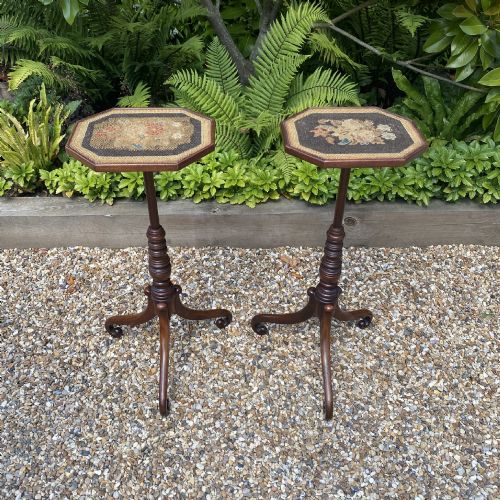
Cabinet-makers constructed these tables predominantly from mahogany, oak, walnut, and fruitwood, often applying satinwood, boxwood, or specialised wood inlay to the eight-sided tops. Timber selection dictated both structural stability and the visual impact of the grain.
Turned central pedestals branch into three legs, frequently employing birdcage mechanisms or tilt-top actions to connect the column to the octagonal surface. Joinery relied on precise turning, dovetailing, and careful pegging to ensure the single pedestal supported the weight evenly.
Octagonal Top Tripod Table Retail Price Guide 2026
Typical asking prices for octagonal top tripod table among the pieces listed under this phrase on Sellingantiques today, from the lower quarter to the upper quarter. They describe what is for sale here now, not the wider market.
Several tables feature hidden birdcage mounts and ink work, proving past owners enjoyed concealing mechanisms as much as displaying polished timber.
Distinctions in Quality
Quality rests in the crispness of the octagonal geometry and the integration of the tilt-top or birdcage action, where superior examples exhibit smooth movement without wobble in the central column. The choice of timber grain, particularly in figured mahogany, burr elm, or satinwood, dictates the visual distinction of the surface.
Detailing in the boxwood stringing, inlay work, and carved tripod legs separates standard production from exceptional pieces. Proportional balance between the eight-sided top and the spread of the three feet governs the overall elegance of the table.
Gillows
The Octagonal Top Tripod Table Glossary
- Tripod table
- A small freestanding table supported by a central pillar resting on three legs. This configuration prevents rocking on uneven historical flooring.
- Tilt top
- A tabletop mounted on a hinge mechanism that allows the surface to pivot into a vertical position. This feature enabled easy storage against walls when the room was cleared.
- Birdcage
- A wooden revolving framework beneath the tabletop that allows the surface to both rotate and tilt. It represents a more complex piece of engineering found on higher-grade examples.
- Stringing
- Thin inlaid lines of a contrasting wood, such as boxwood, set flush into the surface. This technique outlines the perimeter of the octagonal top.
- Snap top
- A spring-loaded or catch mechanism that locks a tilting tabletop securely into the horizontal position. It prevents accidental tipping during use.
Octagonal Top Tripod Table: Frequently Asked Questions
What were octagonal top tripod tables used for?
These tables served multiple flexible functions in historic interiors, acting as wine stands, lamp tables, or occasional surfaces for tea and reading. Their compact footprint allowed them to sit easily beside seating.
Because many feature tilt-top actions, owners could move them out of the way against a wall when floor space was needed for other activities.
How do I identify a tilt-top mechanism?
Look underneath the octagonal surface for a catch, block, or birdcage pivot that connects the tabletop to the central pillar. This hardware allows the surface to lift and lock vertically.
Original mechanisms should operate smoothly without excessive lateral play in the hinge joint.
Are these tables suitable for modern living?
Their modest dimensions and stable three-legged bases make them practical as side tables next to sofas or as display surfaces in hallways. The flat eight-sided top provides adequate space for lamps or books.
Placing them away from direct heat sources helps protect historic timbers and inlaid boxwood stringing from drying out.
How can I tell Georgian pieces from Victorian revivals?
Georgian and Regency examples typically display lighter timber scantlings, restrained carving, and hand-cut joinery specific to 18th and early 19th-century cabinet-making. The species of secondary woods used underneath also offer clues to the period.
Victorian revival pieces often feature heavier proportions, darker factory finishes, or machine-cut elements combined with aesthetic movement or Regency revival styling.