
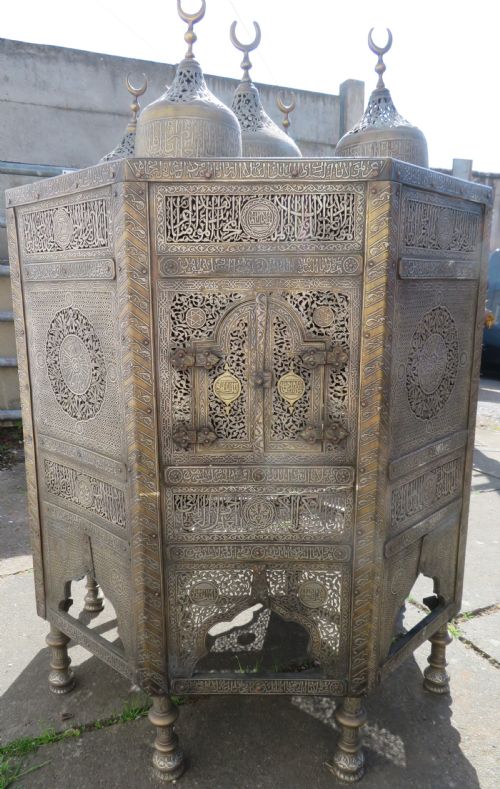


Octagonal Brass Side Table
An octagonal brass side table brings striking geometric form and intricate metalwork to a room, offering both practical surface space and distinct decorative character.
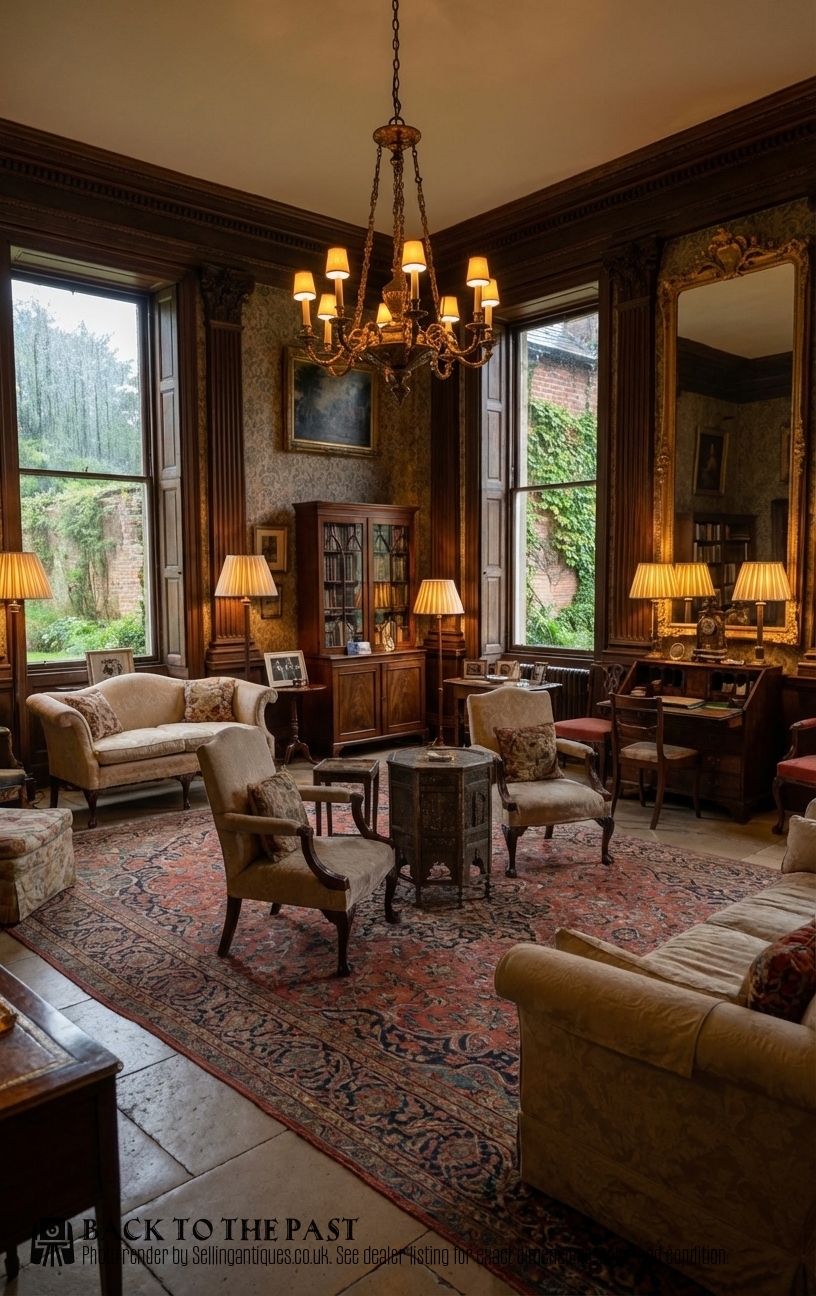
Octagonal Brass Side Table
An octagonal brass side table encompasses a diverse range of occasional furniture, drawing heavily on Anglo-Indian, Regency, and Orientalist traditions from the nineteenth and early twentieth centuries.
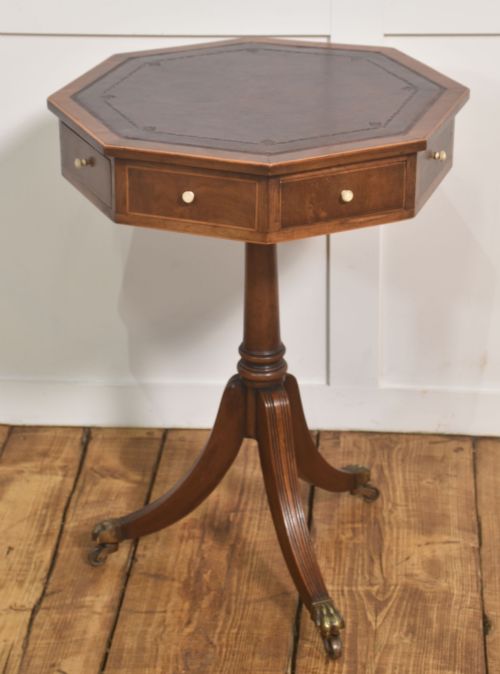
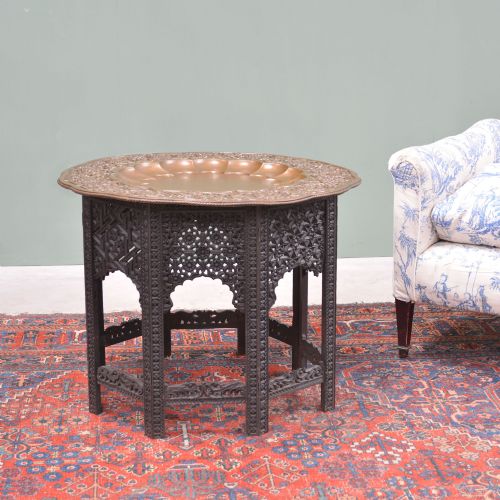
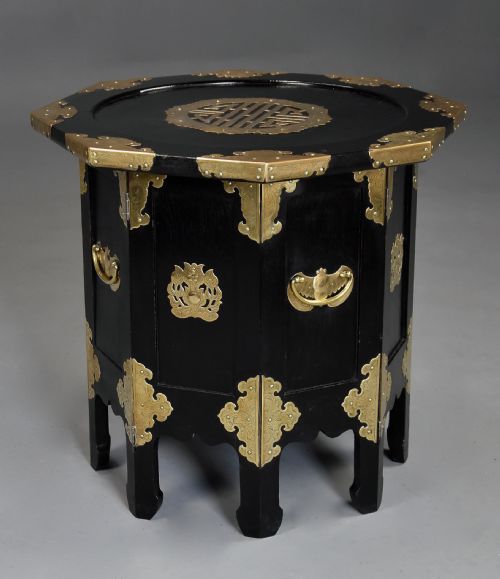
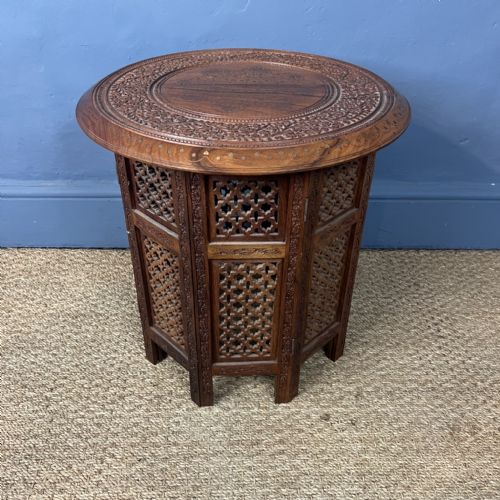
The pieces on this page appear in various distinct forms, including folding tray top tables from Hoshiarpur, heavy brass-inlaid teak and hardwood occasional tables, and elegant Regency tripod tables with brass mounts.
Buyers seeking an octagonal brass side table will encounter items featuring intricate wire inlay, hammered metal tops, and rich native timbers such as teak, rosewood, and mahogany.
Materials and construction
These tables rely on a foundation of dense hardwoods like teak, rosewood, and mahogany, which provide structural stability for intricate surface decoration.
Joinery methods range from traditional European tripod bases and drum table construction to collapsible folding frames characteristic of North Indian craftsmanship.
The listings span the nineteenth and early twentieth centuries, featuring materials such as brass, teak, rosewood, mahogany, marble, and bone.
Evaluating craftsmanship and condition
Quality rests primarily in the precision of the metal inlay and the crispness of the wood carving, where tighter joints and denser floral or geometric patterns denote superior work.
The choice of secondary timbers and the retention of original surface patination significantly elevate a piece, distinguishing standard production from exceptional examples.
The Octagonal Brass Side Table Glossary
- Anglo-Indian
- Furniture made in India during the British colonial period, often combining traditional local woodworking techniques with European forms. These pieces frequently utilise dense hardwoods and extensive metal inlay.
- Hoshiarpur
- A town in Punjab renowned for intricate woodwork and inlay, particularly tables featuring dense brass and bone patterns set into teak. Such items are celebrated for their elaborate foliate carving.
- Cairo ware
- Metalwork and furniture influenced by Islamic design traditions, featuring inlaid silver and copper calligraphy or geometric motifs on brass grounds. Originating largely from workshops in Cairo, these pieces gained immense popularity during the Orientalist revival.
- Tripod table
- A small freestanding table supported by a central pillar and three legs. This form allows for stable placement on uneven floors and frequently incorporates a tilt-top mechanism.
- Drum table
- A circular or octagonal library or centre table with a deep skirt housing drawers, standing on a central pedestal. Regency versions often feature leather-lined tops and brass inlay.
Octagonal Brass Side Table: Frequently Asked Questions
Where should I place an octagonal table?
These tables suit corners, beside armchairs, or as central lamp tables where their eight-sided geometry breaks up the straight lines of modern interiors.
The compact footprint of many examples allows them to function effectively in smaller spaces without overwhelming the room.
How do I clean brass inlay?
Dust gently with a soft, dry cloth to prevent dirt from lodging in the recesses around the metalwork.
Avoid harsh chemical polishes that can stain the surrounding wood or strip the aged patina from the brass.
Are these tables sturdy?
Stridency depends largely on the base construction, with folding tray tables offering lighter portability and pedestal or tripod designs providing heavier stability.
Checking the joints beneath the top ensures the table remains balanced for daily use.
How can I tell the period?
Dating relies on timber selection, joinery techniques, and stylistic influences such as Regency classical motifs or twentieth-century Orientalist revival patterns.
Examining the wear patterns and backboards often reveals the manufacturing era.