



Ochre Ceramic Vessel
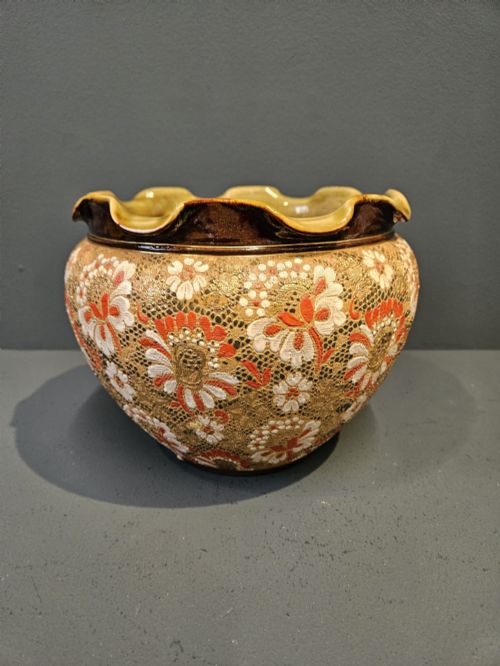
An ochre ceramic vessel brings warmth and earthen depth into a room, offering tactile charm through rich yellow-brown tones and historic form.
Ochre Ceramic Vessel
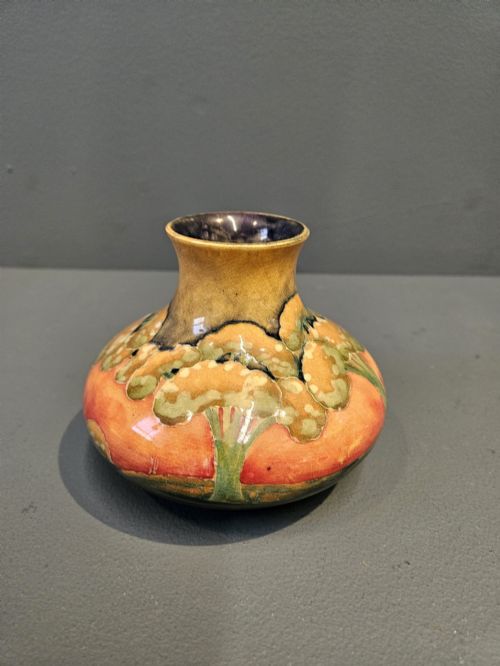
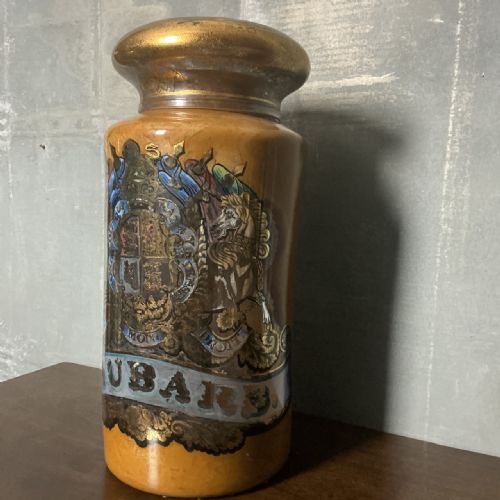
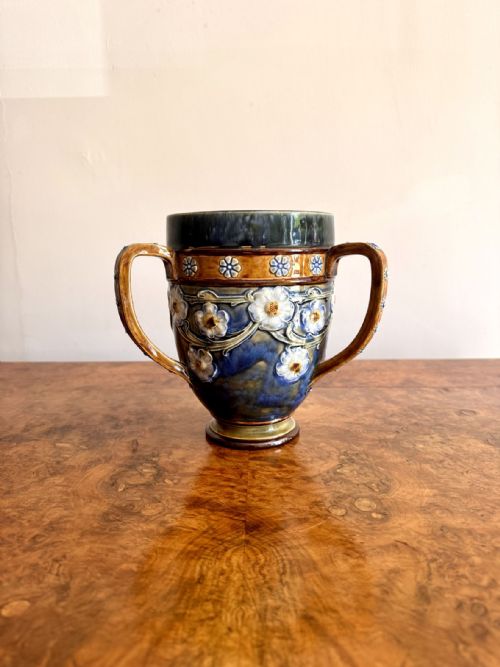
An ochre ceramic vessel encompasses a broad spectrum of historical utility and decorative arts, spanning earthenware, stoneware, and terracotta. When searching for an ochre ceramic vessel, collectors encounter diverse forms including apothecary jars, tavern jugs, confit pots, and jardinieres from periods ranging from the seventeenth century to the twentieth century.
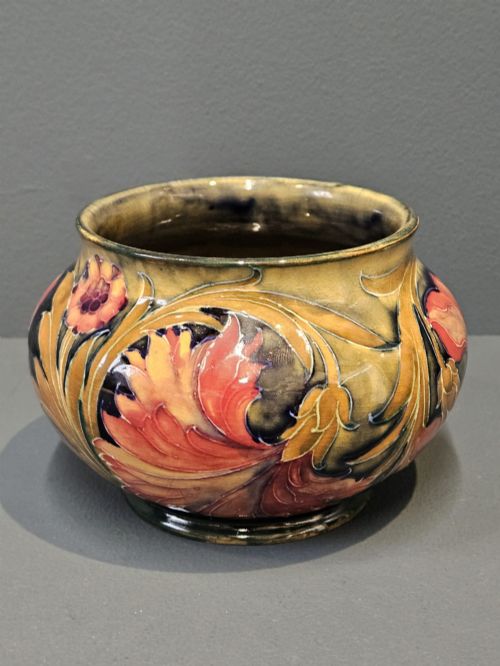
The aesthetic of an ochre ceramic vessel leans heavily towards natural, earthy palettes derived from historic clays, slips, and glazes. Pieces from this selection showcase varied stylistic movements, incorporating Arts and Crafts ideals, Victorian practicality, Art Nouveau curves, and Art Deco geometry.
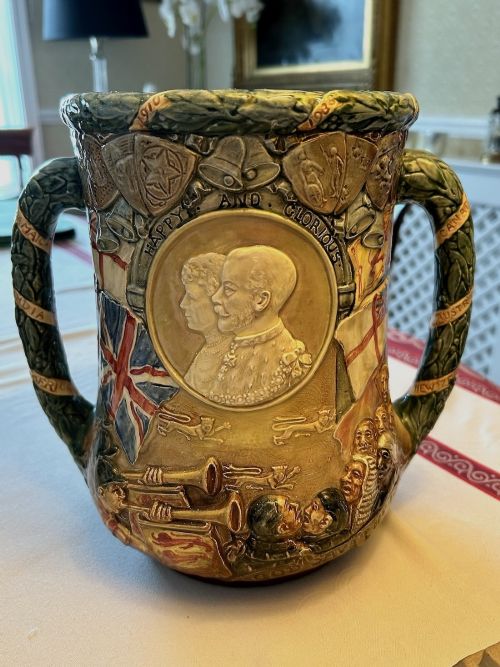
Origin and purpose dictate the physical presence of each piece, moving from utilitarian kitchenware and tavern vessels to ornamental mantel displays and commemorative wares. Every ochre ceramic vessel carries the marks of its specific era, whether shaped as a simple country olive jar or decorated as an exhibition-grade studio pottery vase.
Materials and construction
Makers shaped an ochre ceramic vessel using fundamental earthen mediums such as terracotta, earthenware, and heavy stoneware. These clays provided a robust body capable of holding liquids or supporting dense decorative glazes.
Surface treatments define the visual character, utilising slip decoration, crystalline glazes, enamel, and occasional gold leaf accents. Firing techniques varied from traditional wood kilns yielding rustic local pots to refined industrial kilns producing controlled studio pottery finishes.
Ochre Ceramic Vessel Retail Price Guide 2026
Typical asking prices for ochre ceramic vessel among the pieces listed under this phrase on Sellingantiques today, from the lower quarter to the upper quarter. They describe what is for sale here now, not the wider market.
Materials represented include terracotta, enamel, and gold leaf alongside traditional ceramic glazes.
Judging quality and craftsmanship
Superior quality in an ochre ceramic vessel rests upon the balance between form and glaze distribution. Potters who mastered complex crystalline finishes or even slip coatings achieved a depth of colour that separates masterworks from basic utilitarian items.
The precision of the throw and the integrity of the clay body determine structural excellence. Finer examples retain crisp decorative details, whether moulded relief patterns on majolica or hand-painted motifs on early earthenware.
Royal Doulton·Moorcroft·Doulton Lambeth·Fulham Pottery·Ruskin Pottery
The Ochre Ceramic Vessel Glossary
- Earthenware
- Porous pottery fired at lower temperatures, typically requiring a glaze to become impermeable. It forms the body of many historical country pots and tavern jugs.
- Stoneware
- Dense, vitrified ceramic fired at higher temperatures until non-porous. This material provides exceptional durability for large storage vessels and apothecary jars.
- Confit pot
- A traditional French earthenware vessel featuring handles and often a partially glazed body, originally utilised for preserving meats. These pieces display honest domestic utility.
- Crystalline glaze
- A specialised ceramic finish containing chemical compounds that form distinct crystal structures during the cooling cycle in the kiln. It creates complex, starry patterns across the surface.
- Slipware
- Pottery decorated with slip, which is a liquid clay mixture applied to the un-fired body for patterning or colour. English and Dutch examples showcase this technique in rich earthy tones.
- Majolica
- Tin-glazed earthenware decorated with colourful metallic oxide paints on an opaque white or cream glaze. Victorian pieces often employ this technique for bold botanical stands.
Ochre Ceramic Vessel: Frequently Asked Questions
What is an ochre ceramic vessel used for?
These historic pieces served diverse practical functions ranging from medical storage and tavern service to food preservation and domestic gardening. Apothecary jars held remedies, while confit pots stored provisions in French country kitchens.
Today, collectors utilise these versatile forms primarily for interior display, decorative flower arrangement, or as standalone focal points within a room. Their earthen tones blend effortlessly into traditional and contemporary schemes alike.
How do I date an antique ceramic vessel?
Dating relies upon examining the clay body, glaze characteristics, form, and any factory marks or stamps present on the base. Earlier pieces from the seventeenth and eighteenth centuries often display heavier throwing rings and simpler, functional profiles.
Later Victorian and twentieth-century examples frequently incorporate distinct stylistic movements like Arts and Crafts or Art Deco. Maker signatures and registry marks further narrow down the exact decade of manufacture.
Are these ceramic pieces waterproof?
Stoneware and fully glazed earthenware vessels are generally well-suited to holding water for floral displays. However, porous terracotta and unglazed interior areas can allow moisture to seep through over extended periods.
It is advisable to inspect the interior glaze coverage before filling older or rustic pieces with water. Utilising a discreet internal glass liner protects delicate historic clay bodies from moisture damage.
How do I care for antique pottery?
Maintenance requires gentle handling and keeping pieces away from sudden temperature fluctuations or damp environments. Dusting with a soft, dry cloth preserves the exterior glaze without introducing moisture to the porous clay.
Avoid using chemical cleaning agents or submerging historic earthenware in water. Careful placement away from direct foot traffic prevents accidental knocks to fragile handles and rims.