


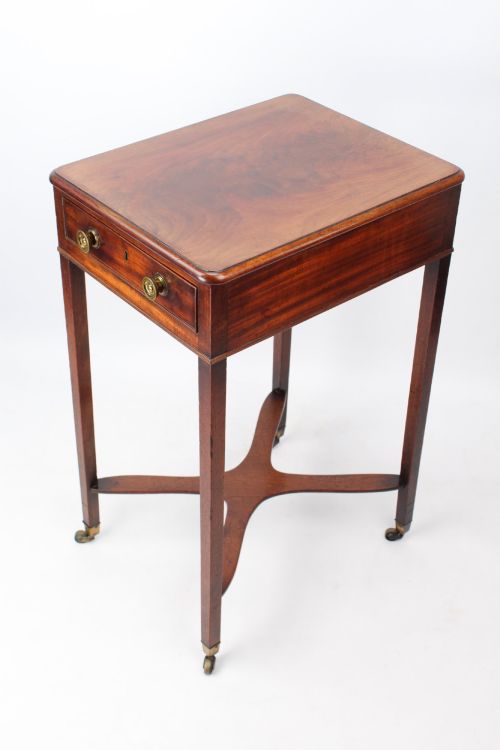
Occasional Table Drawer
When searching for an occasional table drawer, buyers seek compact timber furniture housing practical storage, combining period craftsmanship with everyday utility.

Occasional Table Drawer
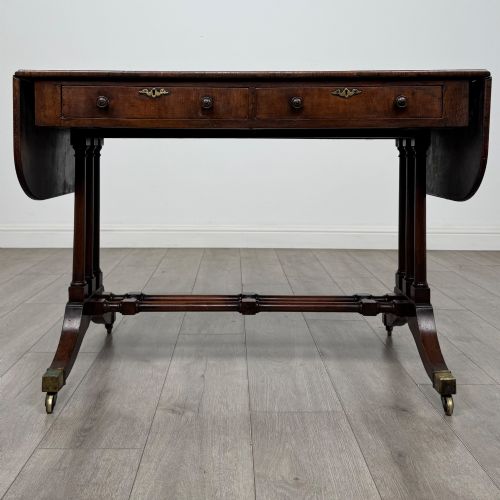
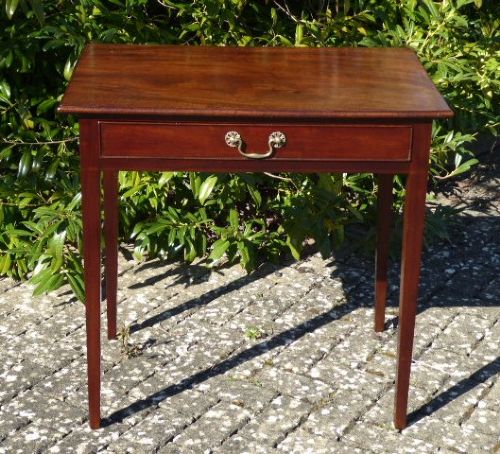
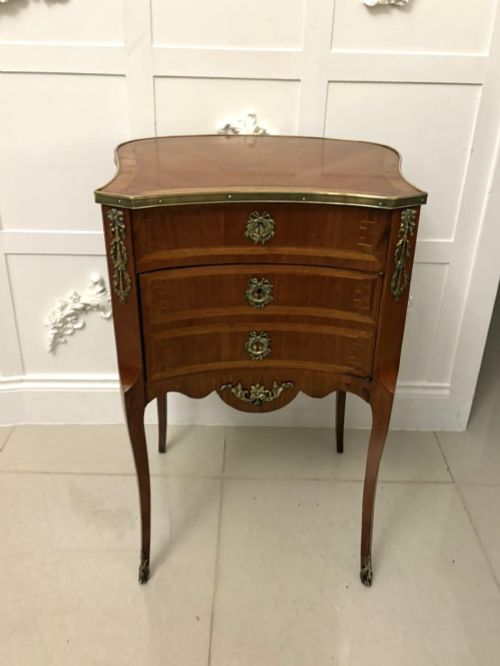
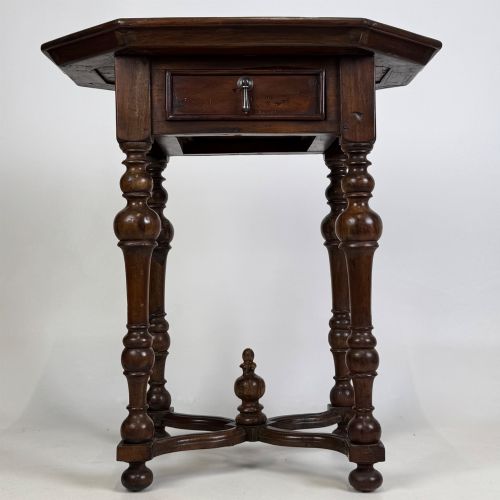
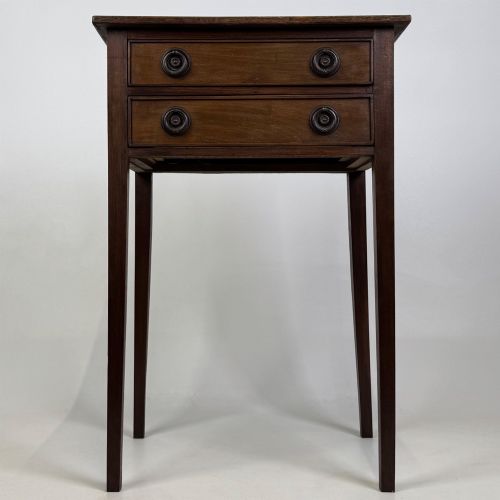
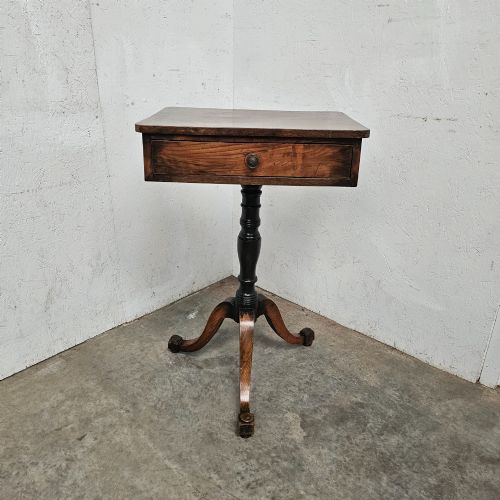
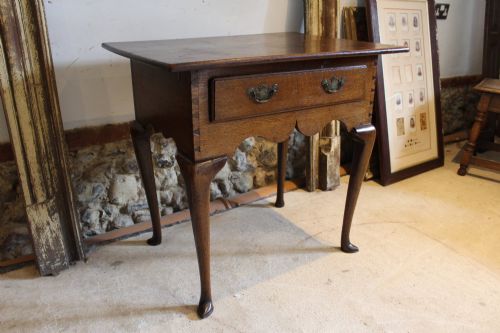
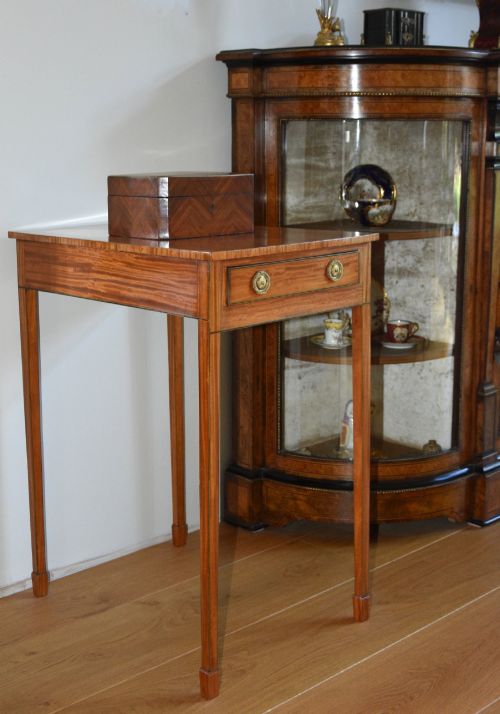
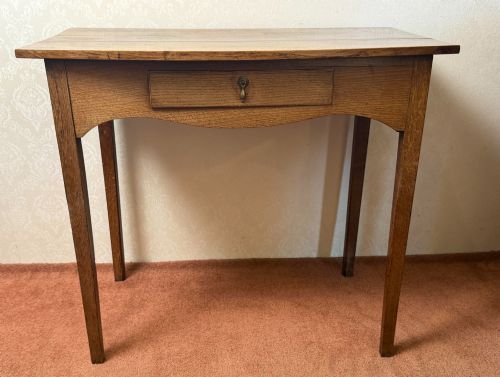
An occasional table drawer provides convenient, concealed storage within a compact wooden frame designed for flexible placement around a room. Pieces matching this search phrase encompass side tables, lowboys, lamp tables, and Pembroke tables equipped with one or more integrated compartments.
The selections span multiple centuries, ranging from seventeenth-century oak and elm examples to eighteenth-century Georgian mahogany designs, alongside nineteenth-century Victorian walnut pieces and early twentieth-century Edwardian or Art Deco iterations. Buyers frequently encounter rectangular oak or mahogany formats featuring single or double drawers.
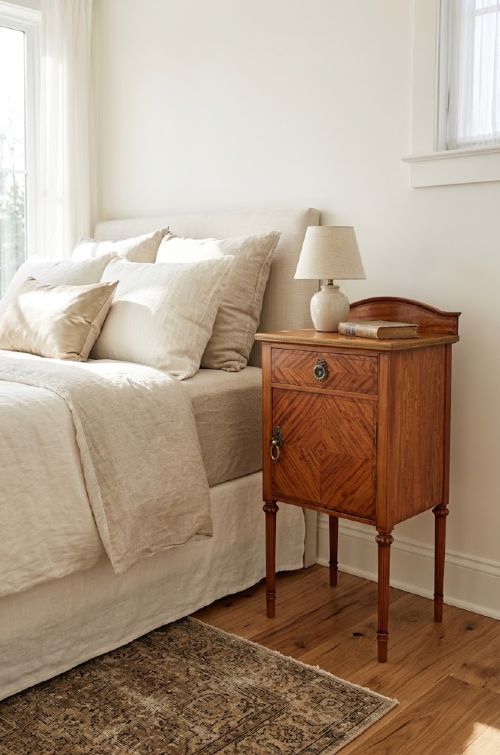
Originating as practical writing surfaces, lowboys, or bedside stands, these items served specific domestic functions while remaining movable. Their scale allows them to fit easily beside seating or in hallways, functioning as functional display surfaces with built-in concealment.
How they were made
Carpenters constructed these tables using a variety of native and exotic timbers, including oak, mahogany, walnut, fruitwood, satinwood, and pine. Hardwoods provided structural rigidity for slender legs and load-bearing tops, while softer woods served internal framing or drawer linings.
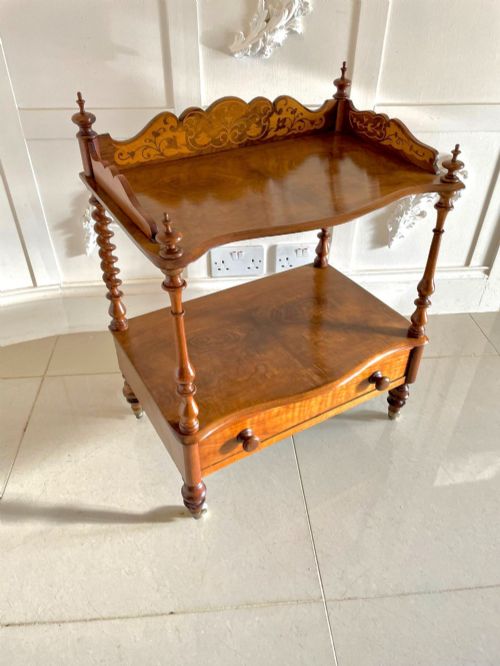
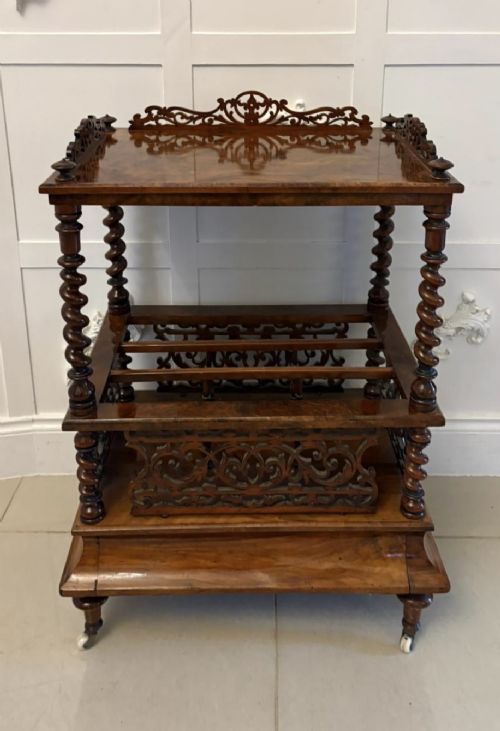
Surface decoration frequently involved decorative veneers such as burr walnut, marquetry inlay, or contrasting stringing, alongside drop leaves, bamboo-turned legs, and barley twist supports. Joinery relied on traditional methods like mortise and tenon frames, with drawers typically constructed using dovetail joints.
A few clever tables double as chess boards or conceal hidden compartments for sewing and writing.
What varies in quality
Quality rests in the selection of timber figures, such as highly grained burr walnut or figured mahogany, and the crispness of inlaid marquetry details. Superior examples exhibit balanced proportions and harmonious integration of the drawer housing into the overall apron.
The integrity of the construction, visible in fine dovetailing on drawer boxes and the retention of original brass hardware, separates utilitarian items from finer decorative pieces. The choice of secondary woods and the finesse of turned or carved leg details also indicate the tier of craftsmanship.
The Occasional Table Drawer Glossary
- Lowboy
- A small seventeenth or eighteenth-century dressing or writing table featuring one or more rows of drawers beneath a flat top. These pieces typically stand on slender cabriole or straight legs.
- Pembroke table
- A small, drop-leaf occasional table equipped with hinged flaps on opposing sides and a single operational drawer. The design allows the surface area to expand or contract depending on space.
- Marquetry
- The art of applying decorative pieces of veneer to a structure to form intricate pictorial designs or geometric patterns. Makers utilised contrasting timbers to achieve visual depth.
- Dovetail
- A joint used in drawer construction formed by interlocking wedge-shaped fingers. This technique provides high tensile strength to resist pulling forces.
Occasional Table Drawer: Frequently Asked Questions
What is a lowboy table?
A lowboy is a small eighteenth-century table featuring one or more drawers and long legs, originally used for writing or grooming.
These compact tables function well as side tables or hall stands in modern interiors.
How do I date an old wooden table?
Dating relies on identifying timber species, joinery methods, hardware types, and prevailing furniture styles from periods like the Georgian or Victorian eras.
Hand-cut dovetails and native timbers often suggest earlier eighteenth-century origins, whereas machine-sawn elements point to the nineteenth century or later.
Where should I place a side table?
These tables fit easily beside seating, against hallways walls, or next to beds to provide surface space and enclosed storage.
Their compact footprints allow them to occupy awkward corners or narrow gaps without cluttering a room.
What woods were used for antique tables?
Cabinetmakers utilised British hardwoods like oak, elm, and fruitwood during earlier centuries, transitioning to imported mahogany and walnut later on.
Decorative accents often incorporated satinwood veneers, ebony stringing, or bone inlay for contrast.