

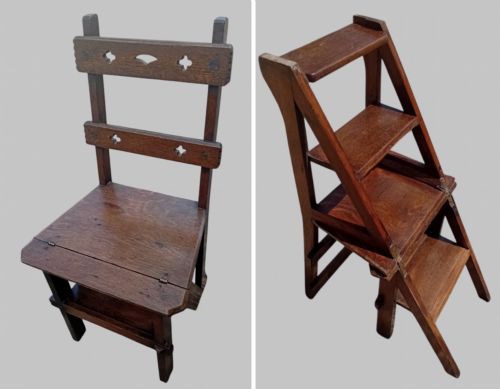


Oak Step Stool
An oak step stool is a practical piece of timber furniture, and here you find library steps, metamorphic chairs and country stools built to reach high shelves.
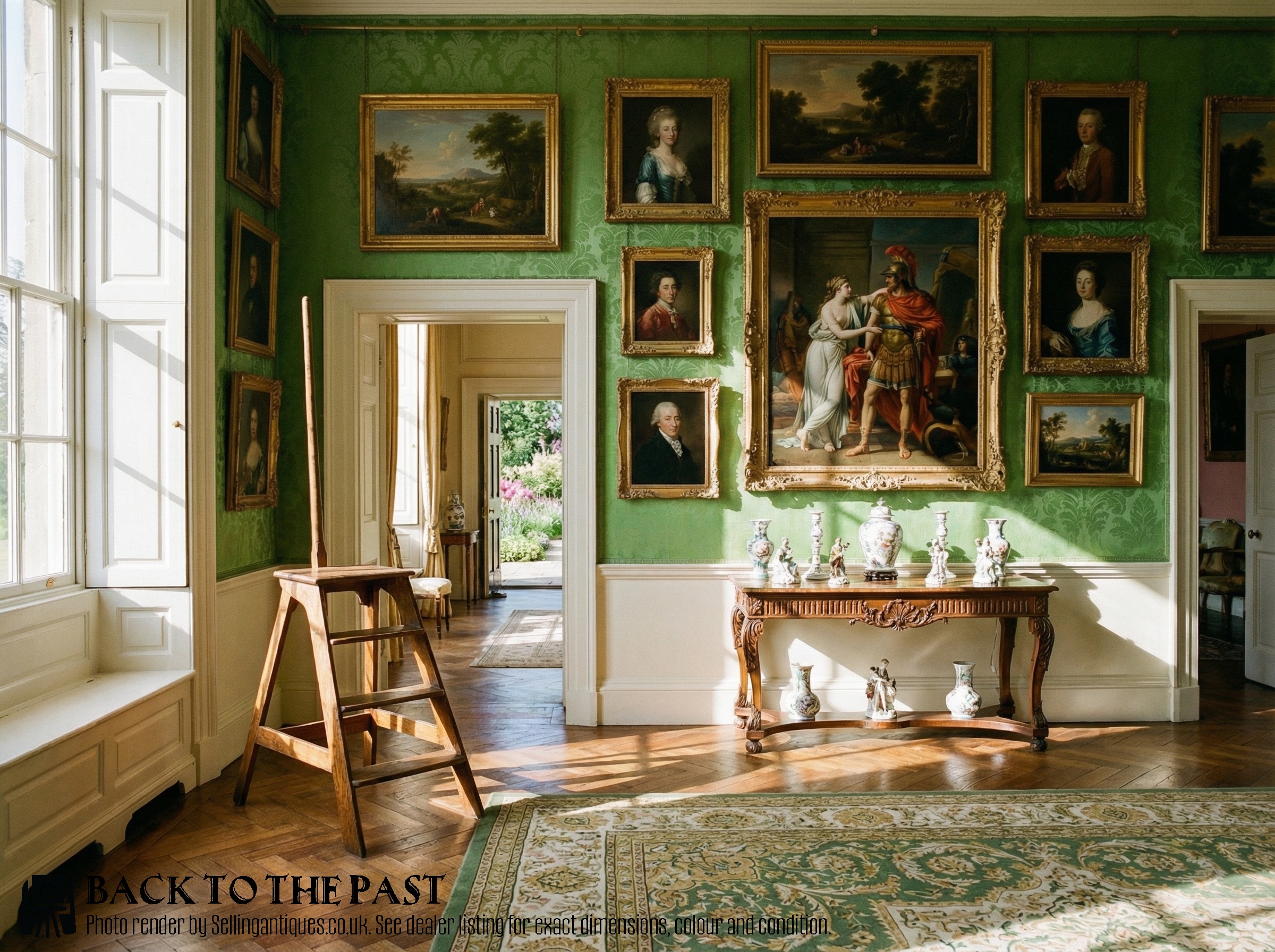
Oak Step Stool
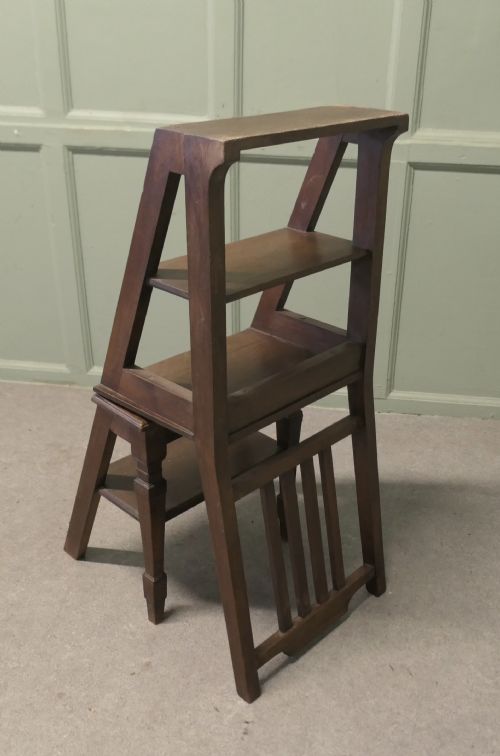
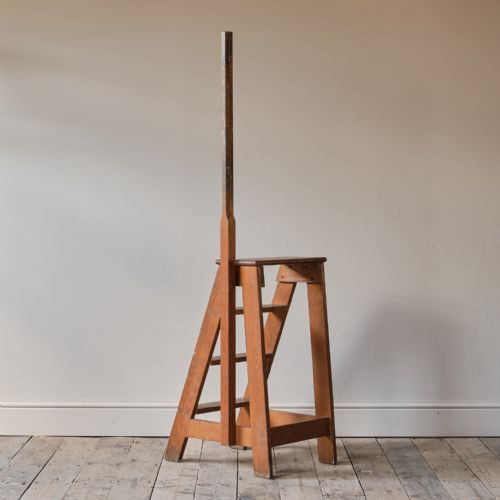
When you search for an oak step stool, you encounter a variety of practical forms designed for climbing or seating. These range from simple 18th century country stools to substantial late Victorian library steps.
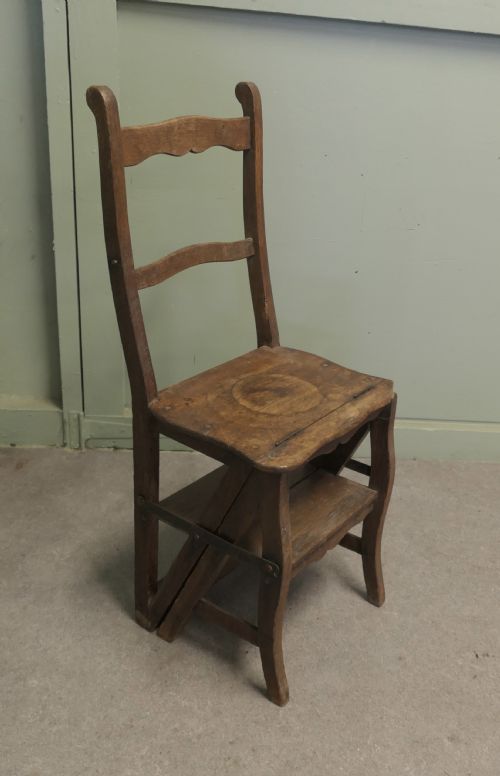
Library steps and metamorphic ladder chairs represent the most complex versions on this page. They transform between chairs and multi-tiered steps, utilising hinges and pivots.
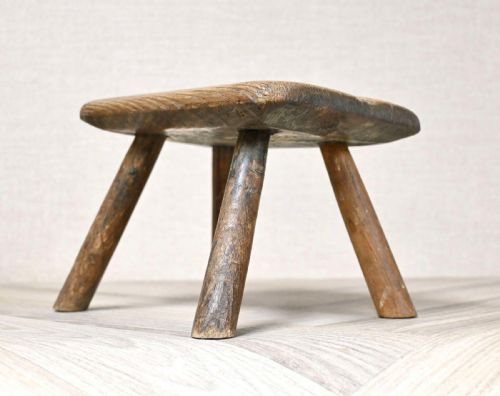
Simpler rustic country stools and small footstools also appear frequently among the listings. They provide sturdy timber platforms without any mechanical transformation.
Distinctions in quality
The sophistication of the mechanism separates basic folding steps from complex metamorphic library chairs. Smooth transitions between chair and ladder configurations require precise engineering.
The choice of timber grain, particularly golden oak or figured elm, elevates the visual presence of the piece. Solid construction methods ensure the long-term stability of the treads.
Some library steps double as comfortable reading chairs until you unfold them to reach the top shelf.
The Oak Step Stool Glossary
- Metamorphic chair
- A piece of furniture that transforms from a chair into a set of library steps. These designs conceal folding treads within the framework.
- Gothic Revival
- A style drawing on medieval architectural motifs, often featuring pointed arches and heavy timber detailing. This aesthetic appears on nineteenth century library steps.
- Arts and Crafts
- A design movement valuing honest construction and visible craftsmanship over mass production. Pieces from this period display plain oak surfaces and straightforward joinery.
- Library ladder
- A tall flight of wooden steps built for reaching high bookshelves. These large proportions require robust timber construction for safety.
Oak Step Stool: Frequently Asked Questions
How do metamorphic library chairs work?
These pieces use pivoting wooden frames and brass hinges to shift the backrest downwards. This action reveals a hidden flight of steps beneath the seat.
Once locked into position, the assembly forms a sturdy ladder for reaching high shelves. Reversing the movement restores the piece to a standard armchair.
Are these steps safe for daily use?
Most pieces were originally built for heavy service in private libraries and domestic spaces. Solid oak construction provides substantial weight and stability.
Buyers should inspect the joints and pivots before climbing. Many antique examples remain fully functional for modern use.
How do I identify a Victorian step stool?
Victorian examples often incorporate Gothic Revival or Aesthetic Movement details into the frame. Darker oak finishes and turned spindles frequently distinguish this period.
Earlier pieces from the eighteenth century tend to feature simpler country forms. Later twentieth century versions display cleaner, unadorned timber surfaces.
What is the difference between library steps and a footstool?
Library steps comprise multiple ascending treads designed to elevate a person to a higher level. They often include handrails or tall supporting backs.
Footstools and hearth stools consist of a single low platform intended for resting feet or sitting. They lack the height and multi-tiered structure of climbing steps.