

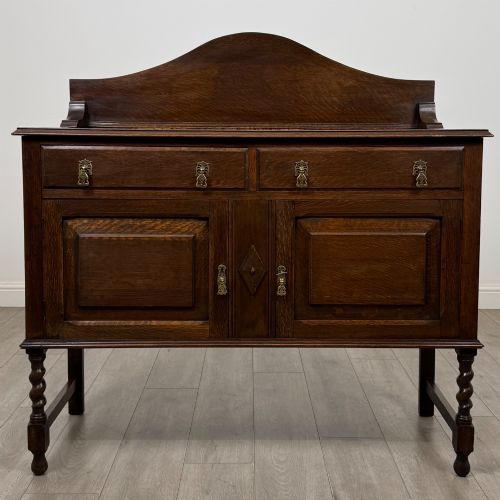
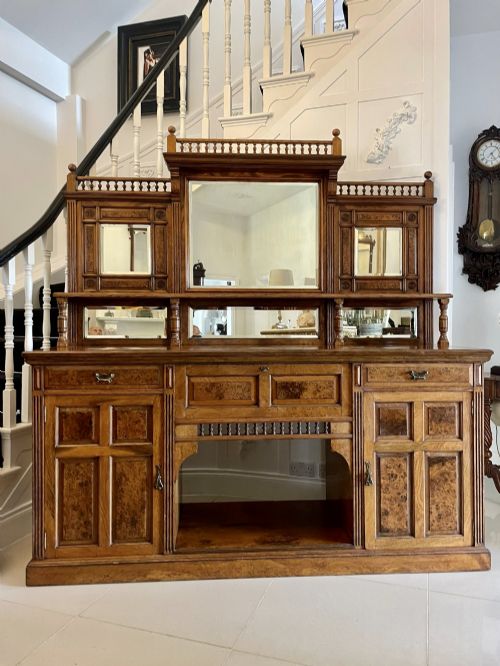
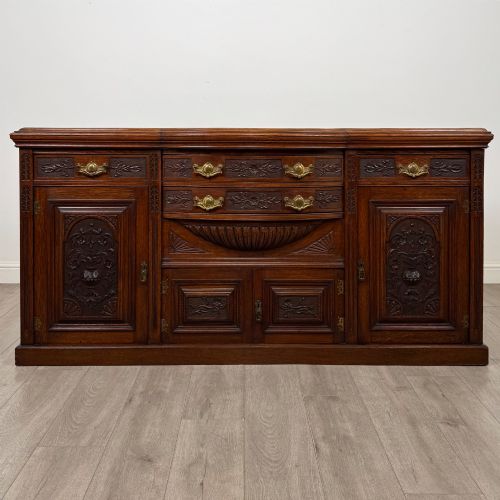
Oak Server Sideboard
An oak server sideboard anchors a dining room with solid timber, generous surface space and generations of storage.
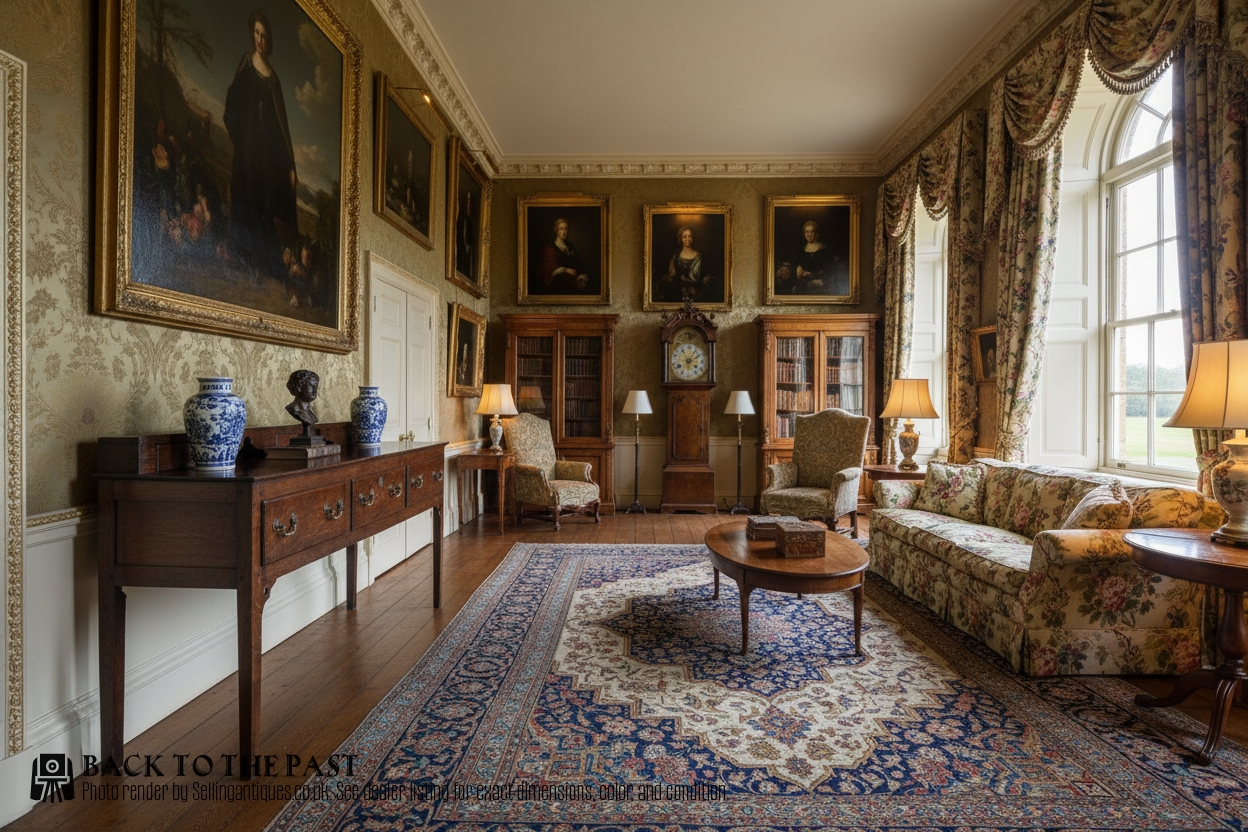
Oak Server Sideboard
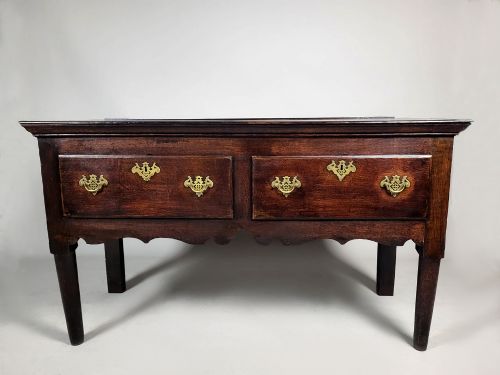
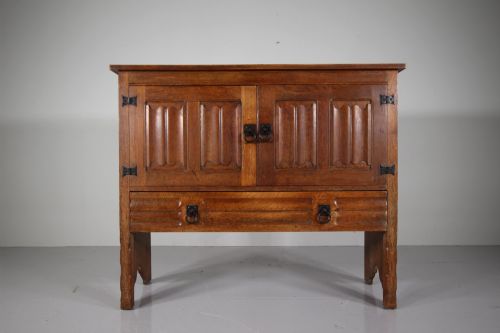
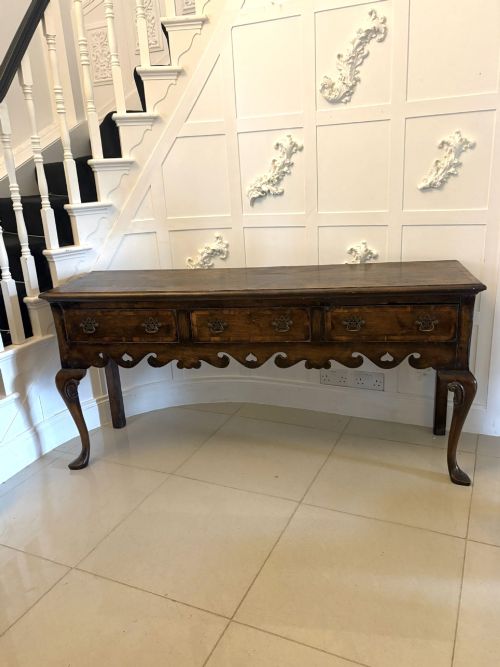
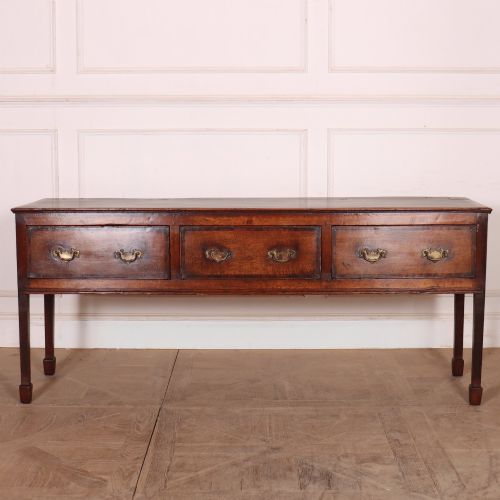
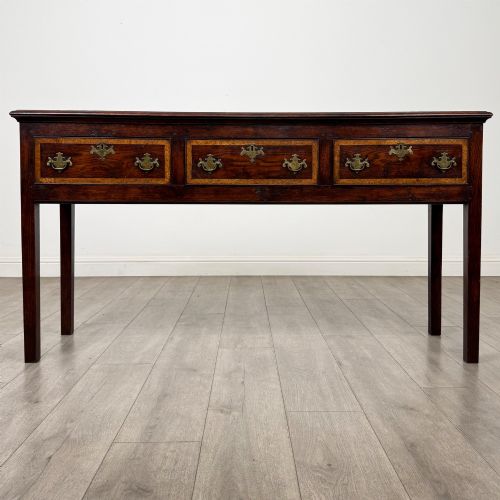
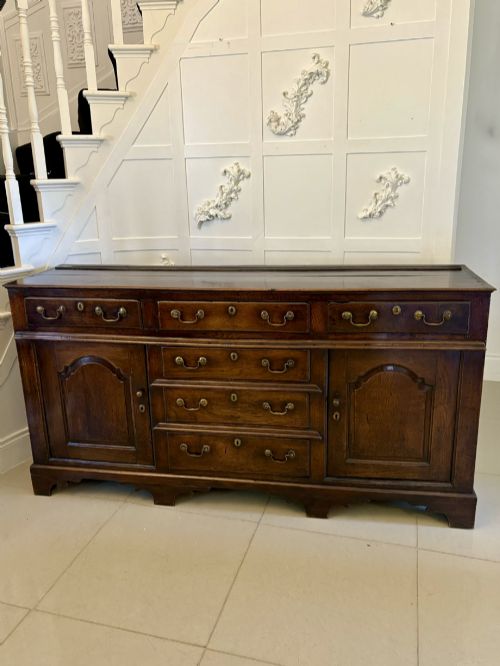
When searching for an oak server sideboard, buyers examine substantial timber serving furniture built to hold dining provisions and display tableware. The selection spans robust Georgian dresser bases and potboards to later Victorian and Edwardian iterations.
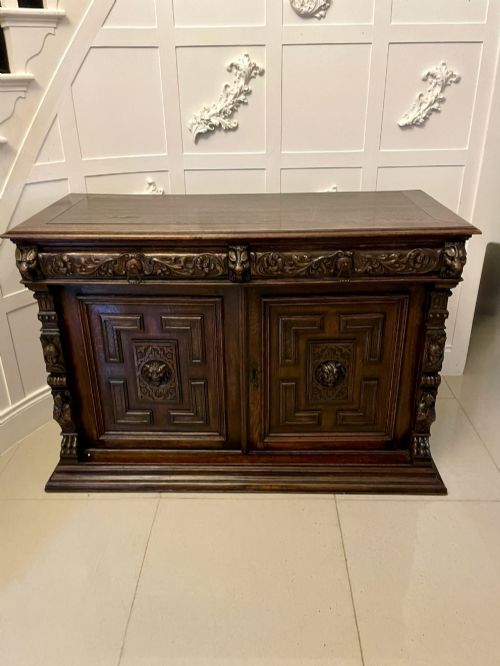
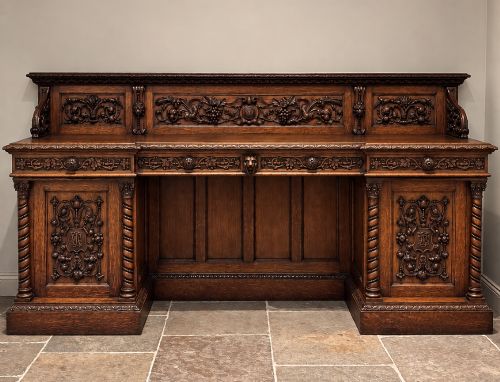
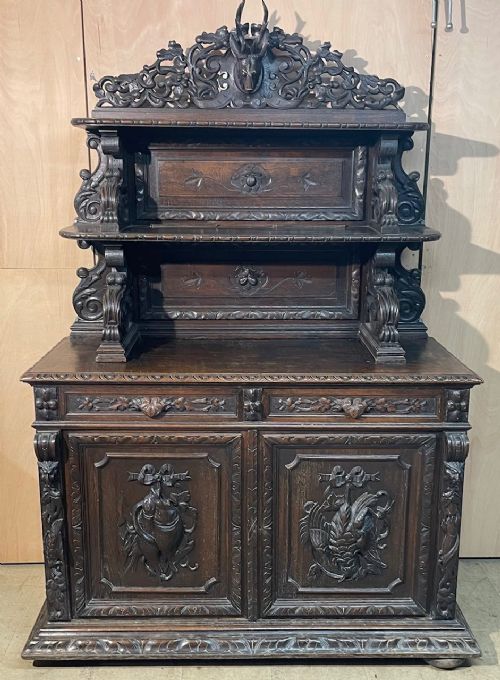
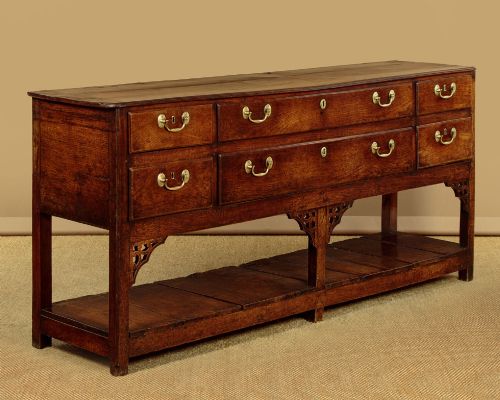
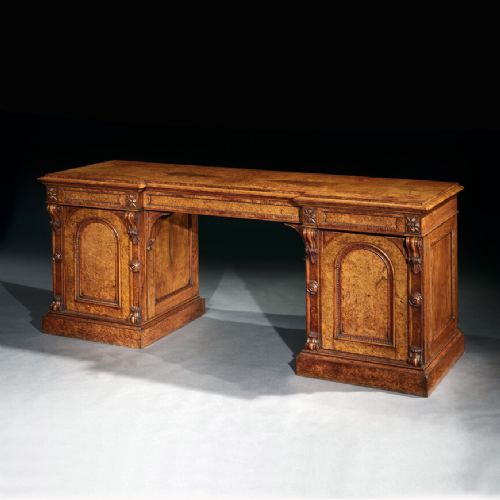
Early versions from the eighteenth century often feature open potboards beneath deep drawers for stacking platters and chargers. Later examples from the nineteenth and early twentieth centuries lean toward carved cupboards, mirrors and raised backs.
Regional British styles appear alongside French and continental interpretations, providing choices in proportion from narrow Gothic Revival sideboards to low Welsh joined serving tables.
How they were made
Cabinetmakers utilised sturdy oak as the primary timber, occasionally selecting pollard oak veneers or burr figures for decorative panels on later pieces. Iron and brass hardware, from drop handles to key escutcheons, secures doors and drawers.
Construction methods relied on traditional joinery, including pegged mortise and tenon joints for frames and hand-cut dovetails for drawer linings. Surfaces received wax or polish finishes, while some utilitarian pieces featured painted treatments.
Secret drawers tucked beneath plate rails offered Victorian butlers a discreet spot to stash silver spoons away from grasping fingers.
What varies in quality
The standard of an oak server sideboard rests on timber selection and the crispness of hand-carved ornamentation. Heavy figuring in the grain and substantial stock thickness elevate the visual weight of the piece.
Structural integrity depends on period-appropriate construction, where original brassware, untouched patination and tight joinery distinguish superior cabinetmaking from later alterations.
Heal And Son·Maple And Co·Gomme
The Oak Server Sideboard Glossary
- Potboard
- An open lower shelf beneath a dresser base designed for storing heavy pots, pans and serving dishes. It sits just above the floor on stile feet.
- Dresser base
- A low cabinet fitted with multiple drawers across the upper section, functioning as a sideboard or serving surface without the upper plate racks.
- Pollard oak
- Timber taken from trees that were pollarded, producing tightly clustered knots and highly decorative grain patterns highly prized in Victorian cabinetmaking.
- Dumbwaiter
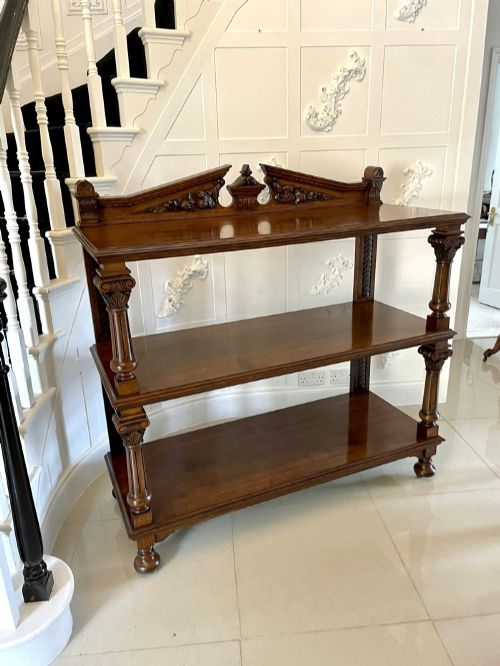
- A tiered serving stand or small sideboard utilised for holding dishes and utensils near the dining table without requiring servant attendance.
Oak Server Sideboard: Frequently Asked Questions
What is a potboard dresser base?
A potboard dresser base is a heavy timber serving table featuring drawers above an open lower shelf. This lower platform provided practical storage for kitchenware in period dining spaces.
These pieces served as the hardworking predecessors to the modern dining room sideboard. Their deep tops offered ample room for carving joints and plating food.
How do I spot an 18th-century piece?
Eighteenth-century examples display hand-cut dovetails, pegged joinery and rich patination accumulated over centuries of use. The timber grain appears dense and varied rather than uniformly sawn.
Hardware on these early pieces typically includes brass batwing handles and iron butterfly hinges. Proportions remain functional and solid, unburdened by excessive revivalist carving.
Where were these sideboards used?
These servers stood in domestic dining rooms, country house halls and grand parlours. They functioned as staging areas for serving meals and displaying silver or ceramic vessels.
Servants utilised the surfaces to plate dishes before carrying them to the main dining table. Cupboard space below stored spare linen, cutlery and heavy crockery.
What distinguishes Arts and Crafts oak?
Arts and Crafts oak sideboards emphasise honest construction, simple geometric lines and visible hand-craftsmanship. Hardware is often wrought iron or hammered copper rather than polished brass.
Makers working in this style rejected mass-produced ornamentation in favour of clean panels and functional tenants. Golden oak finishes highlight the natural grain without heavy staining.