





Oak Red Velvet Armchair
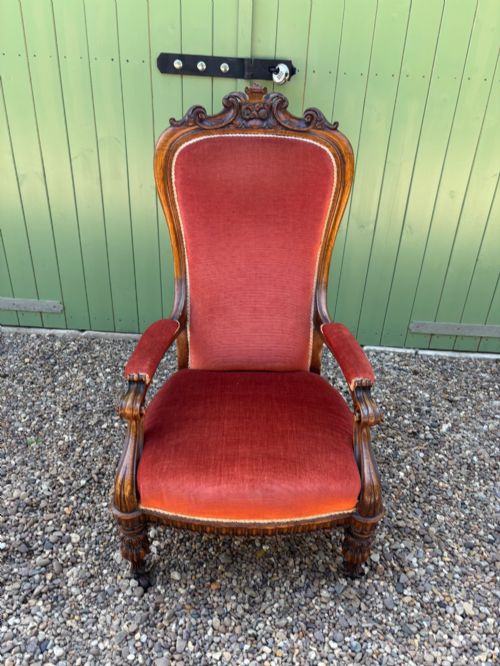
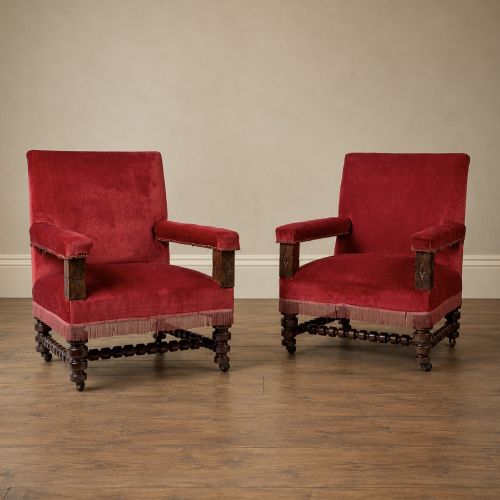
An oak red velvet armchair brings substantial timber frame construction and rich textile upholstery together, offering robust seating with period character.
Oak Red Velvet Armchair
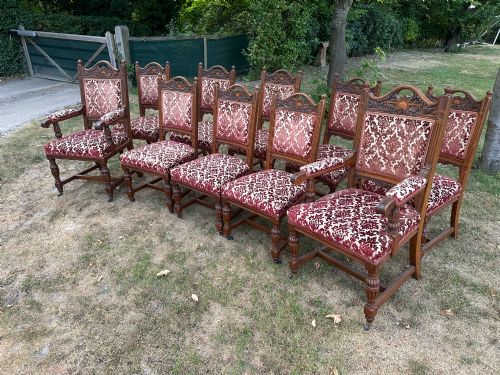
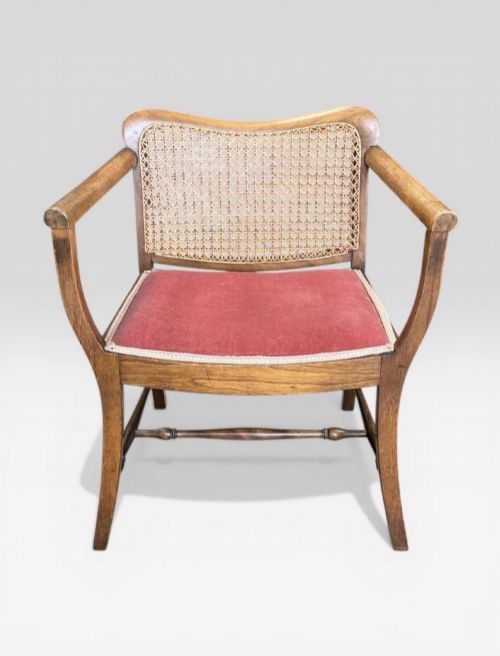
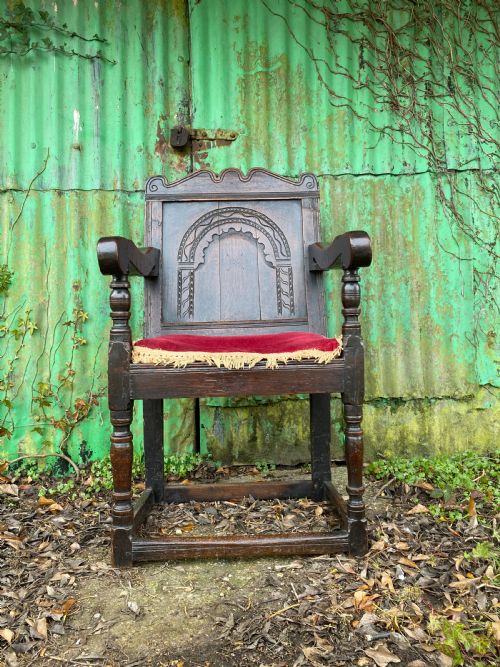
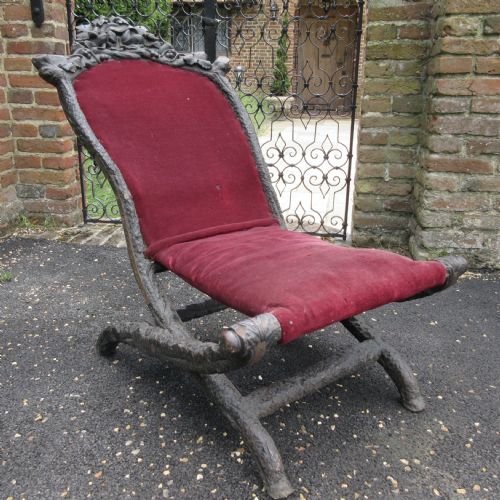
When you search for an oak red velvet armchair, you encounter sturdy seating spanning the seventeenth century through to the Edwardian period, alongside later nineteenth century interpretations. These chairs appear in forms such as open armchairs, desk chairs, dining chairs, folding chairs, tub chairs, and large fireside pieces.
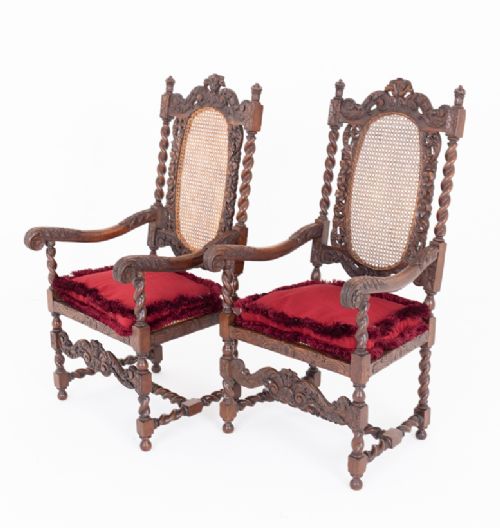
The Victorian and Edwardian examples dominate the selection, often drawing on Jacobean Revival or Gothic Revival styles with carved wood elements. Earlier pieces include seventeenth century wainscot chairs, while later twentieth century examples feature barley twist supports or large framed bergere designs.
Upholstery varies across the listings, with red velvet appearing alongside alternative fabrics such as ice blue grey velvet, while frames combine carved oak with materials like brass, cane, and rattan cane.
How they were made
Makers utilised solid oak to construct the structural frames of these armchairs, frequently employing carving techniques to create decorative surface patterns. These wooden frameworks provide the substantial weight and durability characteristic of the period.
Upholstery methods secure velvet and alternative fabrics to the seat and back sections, sometimes incorporating brass elements or combining the woodwork with cane and rattan cane inserts.
Oak Red Velvet Armchair Retail Price Guide 2026
Typical asking prices for oak red velvet armchair among the pieces listed under this phrase on Sellingantiques today, from the lower quarter to the upper quarter. They describe what is for sale here now, not the wider market.
Listings feature oak combined with velvet, brass, cane, and rattan cane across Victorian, Edwardian, and seventeenth century periods.
What varies in quality
The depth and execution of the carved wood details separate standard production from more ambitious work, particularly evident in revival styles where hand-carved motifs replace simpler turned components. Timber selection also dictates the visual character, with dense grain and substantial framing setting apart the more commanding items.
The integrity of the structural joinery and the condition of the upholstery support determine the overall robustness of each chair. Pieces retaining original structural stability alongside well-executed period textiles represent the upper tier of the range.
James Shoolbred
The Oak Red Velvet Armchair Glossary
- Wainscot chair
- An early wooden armchair constructed with panelled backboards and solid arms, typically originating from the seventeenth century.
- Bergere
- An enclosed upholstered armchair with exposed wooden framing and woven cane or rattan panels along the sides and back.
- Jacobean revival
- A nineteenth century design movement that reinterprets the heavy carved ornamentation and rectangular proportions of seventeenth century furniture.
- Barley twist
- A decorative turning technique resembling a spiralling rope, frequently utilised on the legs and arm supports of wooden chairs.
- Gothic revival
- An architectural and decorative style drawing on medieval pointed arches, tracery, and solemn carved details.
Oak Red Velvet Armchair: Frequently Asked Questions
How do I identify an Edwardian oak armchair?
Edwardian examples often display lighter proportions and refined carving compared to heavier Victorian counterparts. They frequently date around the early twentieth century and may incorporate subtle revival motifs.
Examine the construction methods and wood finish to distinguish them from earlier seventeenth or eighteenth century origins.
What periods do these armchairs come from?
The listings span from seventeenth century wainscot chairs through Victorian and Edwardian iterations up to the nineteen-twenties. Styles reflect the prevailing tastes of each era, including Gothic Revival and Jacobean Revival.
Each period imparts distinct characteristics to the timber framing and upholstery choices.
How were oak armchairs used originally?
These pieces served multiple domestic functions, operating as desk chairs, dining seats, or prominent fireside armchairs in reception rooms. Their sturdy oak frames provided durable seating for daily household use.
Larger scaled versions were positioned in parlours and morning rooms as statement furniture.
Can I use an antique oak armchair daily?
Most sturdy framed examples handle regular daily seating provided the wooden joinery remains stable. Checking the internal support and upholstery condition ensures safe everyday usage.
Lighter cane or folding variants require more mindful handling to preserve their delicate structural components.