
Oak Plant Stand Table
An oak plant stand table brings practical height and honest timber grain to a room, bridging the gap between a display plinth and a working surface.
Oak Plant Stand Table
An oak plant stand table combines the elevated display surface of a jardiniere holder with the compact footprint of an occasional table, fulfilling multiple domestic roles. These pieces appear frequently across Edwardian, Victorian and 19th-century periods, often crossing over with side tables and lamp tables.
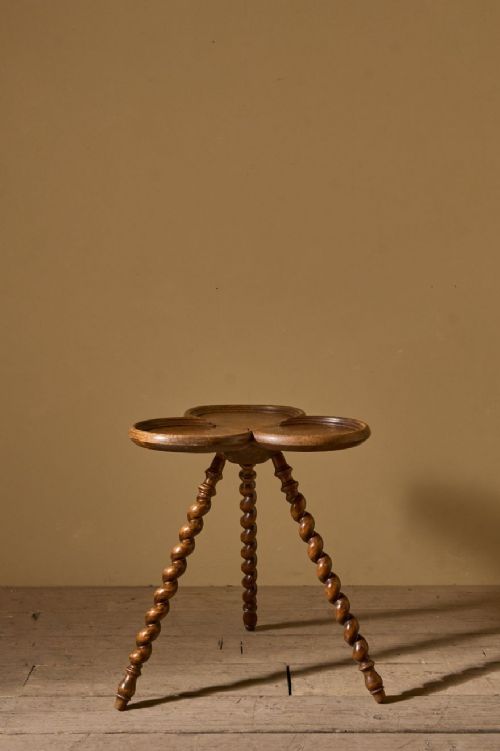
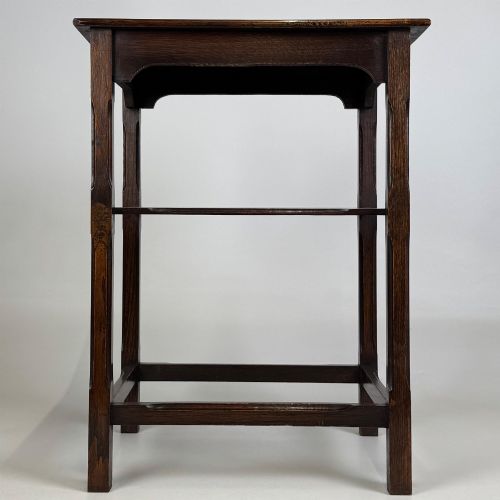
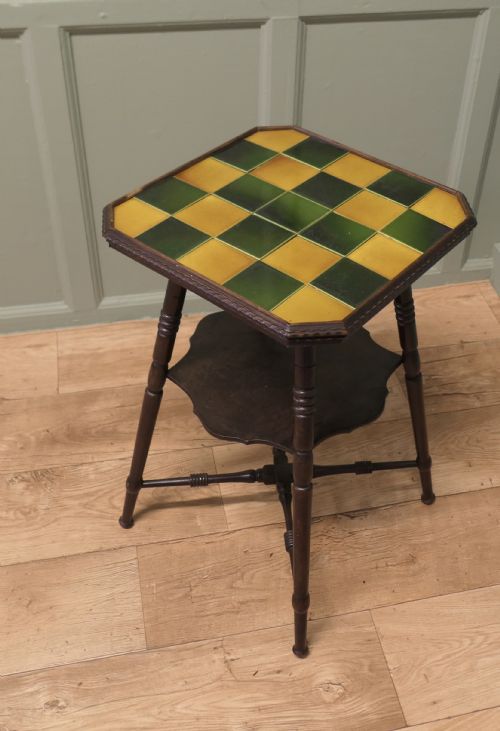
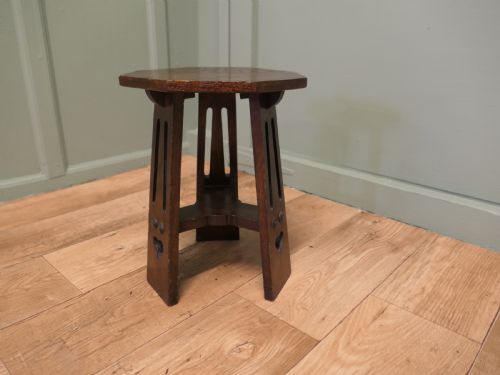
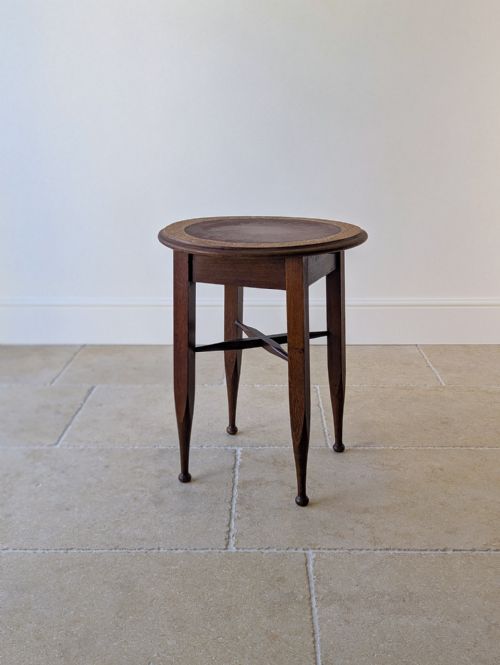
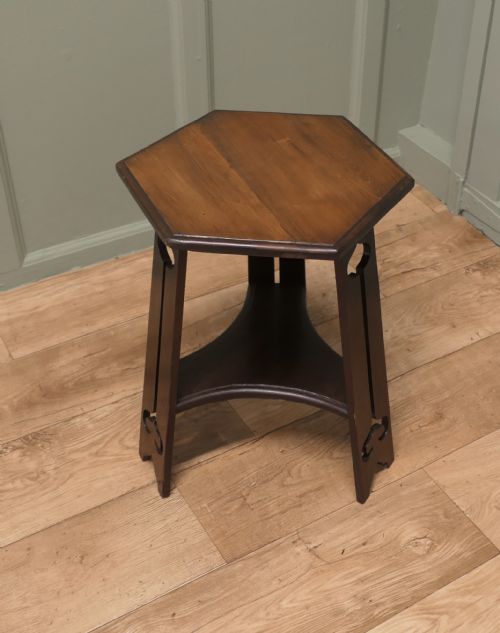
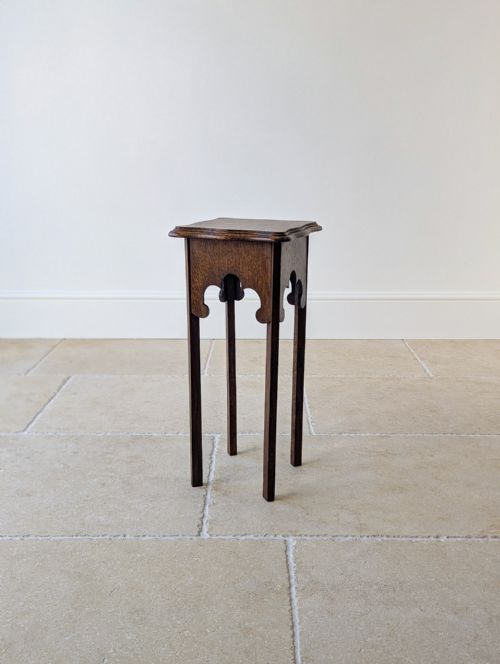
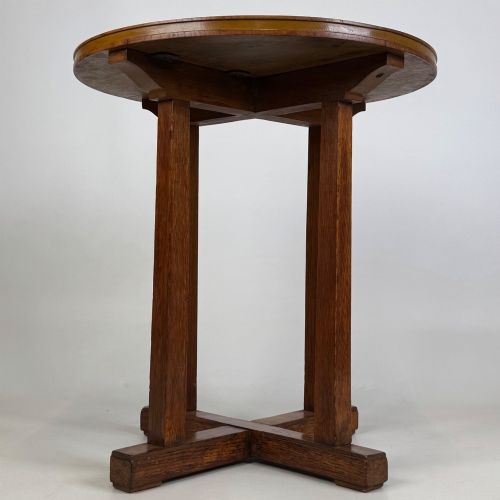
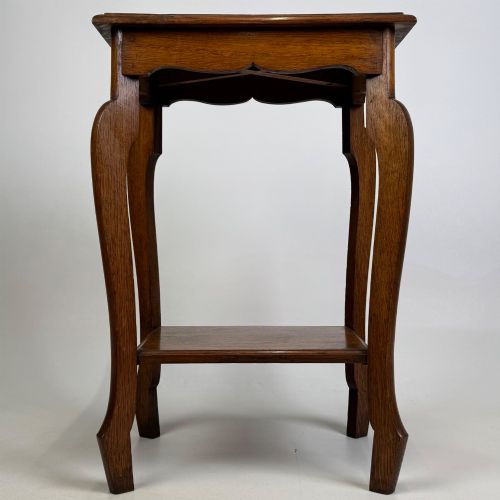
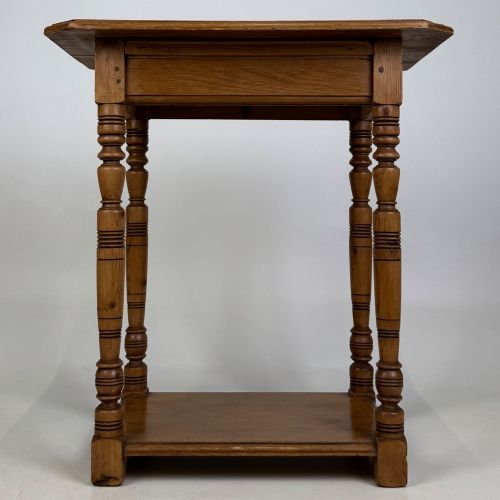
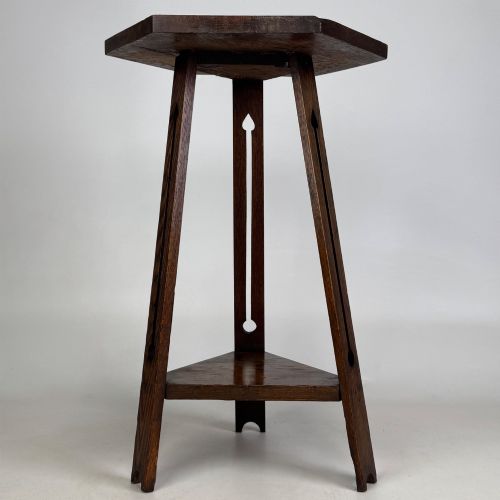
The prevalent forms on this page include octagonal tops, clover shapes, and tiered structures designed to hold pots or lamps. Such items originate from workshop traditions ranging from Cotswold School production to general English country joinery.
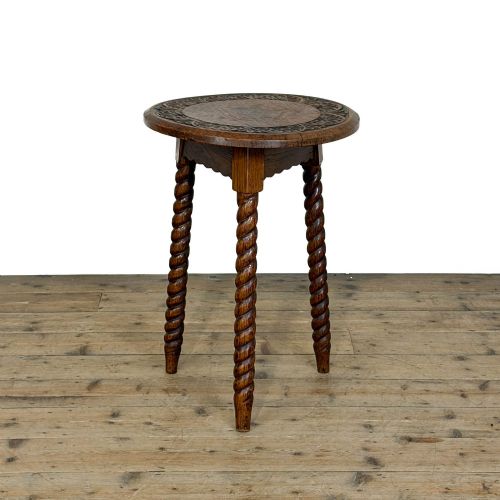
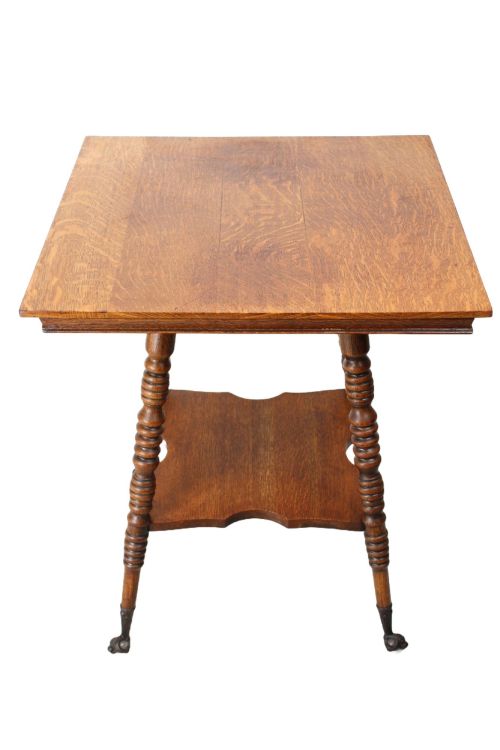
Makers and designers of the period adapted these stands for specific interior functions, resulting in square, triangular, and round formats. Buyers find everything from simple tripod bases to complex multi-tiered items suited for displaying foliage or ornaments.
Assessing quality in construction and design
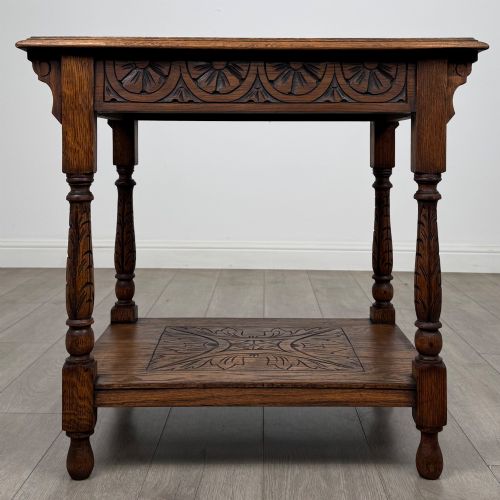
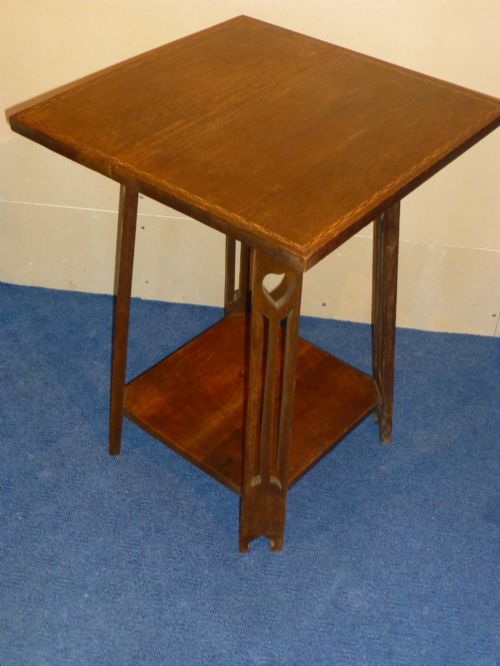
Quality rests in the integrity of the timber selection and the precision of the joinery rather than mere surface decoration. Pieces featuring solid oak framing, thoughtful proportions, and integrated elements like ceramic tile inserts or chequered inlay demonstrate superior workshop origin.
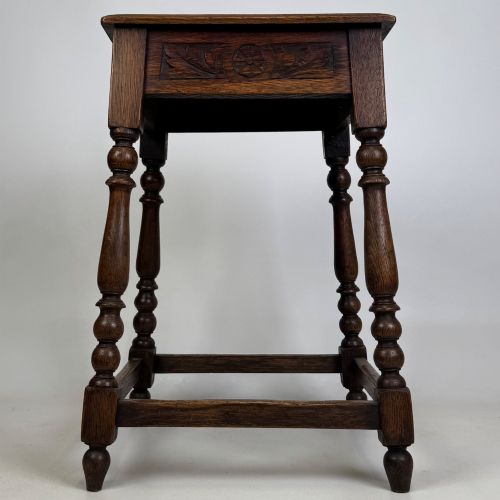
Design ambition separates standard commercial furniture from pieces linked to notable retail houses or specific schools of design. Hand-carved detailing and well-balanced tripod or octagonal frames indicate higher levels of craftsmanship.
Oak Plant Stand Table Retail Price Guide 2026
Typical asking prices for oak plant stand table among the pieces listed under this phrase on Sellingantiques today, from the lower quarter to the upper quarter. They describe what is for sale here now, not the wider market.
The current selection spans solid oak, ceramic tile inserts, and brass accents across Edwardian and Victorian periods.
Shapland & Petter·Liberty & Co.·William Birch·Baillie Scott·Hubert Simpson of Kendal
The Oak Plant Stand Table Glossary
- Arts and Crafts
- A design movement prioritising traditional craftsmanship, visible construction, and simple forms. It rejected mass production in favour of honest materials.
- Jardiniere stand
- A tall piece of furniture specifically designed to support a plant pot or flower receptacle. These often feature waterproof inserts or tiled surfaces.
- Barley twist
- A type of turning resembling a twisted rope, common on the legs and supports of late Victorian and Edwardian furniture. It adds vertical visual movement.
- Specimen wood
- Timber selected for distinctive grain patterns, colour, or exotic origin, often used in decorative inlay work. Craftsmen arranged these woods to create geometric patterns.
- Tripod table
- A small table supported by three legs radiating from a central pillar. This construction ensures stability on uneven floors.
Oak Plant Stand Table: Frequently Asked Questions
What is the difference between a plant stand and a side table?
Plant stands generally feature taller, narrower proportions designed to elevate foliage or jardiniere pots into the light. Side tables prioritise surface area for lamps, books, or drinks.
Many period examples blur this distinction, functioning equally well as plant stands or compact lamp tables depending on the room arrangement.
How do I date an oak plant stand table?
Dating relies on observing construction techniques, stylistic movements such as Gothic Revival or Art Nouveau, and timber treatments. Edwardian and late Victorian pieces often exhibit machine-assisted detailing alongside hand joinery.
Evidence from periods like the 1880s through the 1930s shows clear shifts from heavy carved ornamentation toward cleaner, limed oak finishes.
Were these tables meant for indoor use?
These tables were constructed primarily for domestic interiors, drawing rooms, and hallways during the Victorian and Edwardian eras. Their timber frames are not treated for outdoor weather exposure.
Using them indoors protects the solid oak and any decorative tile or brass elements from moisture damage.
How do I maintain an oak plant stand table?
Maintenance involves dusting with a dry cloth and occasionally applying suitable beeswax to nourish the timber grain. Avoid placing damp plant pots directly onto unsealed wood surfaces to prevent water rings.
Keeping the table away from direct heat sources prevents the solid oak from drying out or splitting.