

Oak Occasional Table Drawer
An oak occasional table drawer offers practical surface space and concealed storage, bringing centuries of English craftsmanship directly into your room.
Oak Occasional Table Drawer
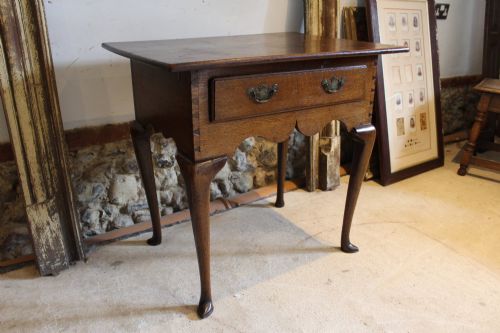
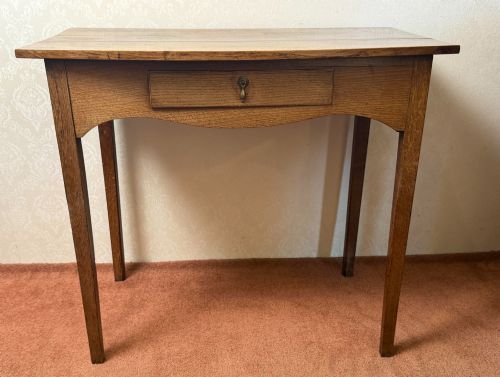
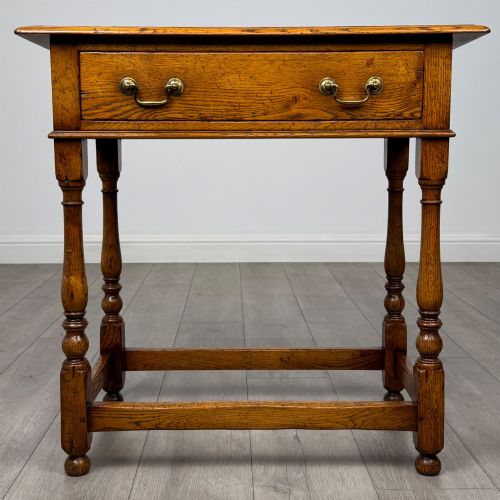
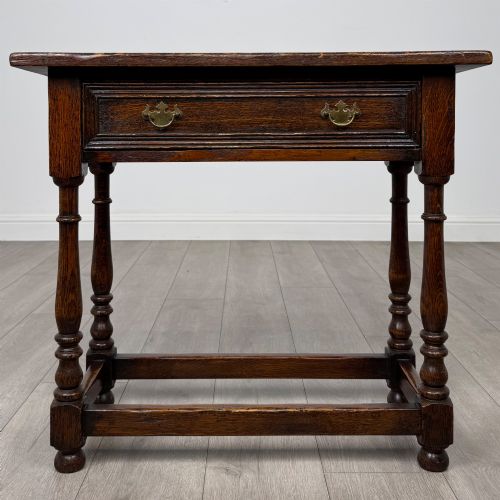
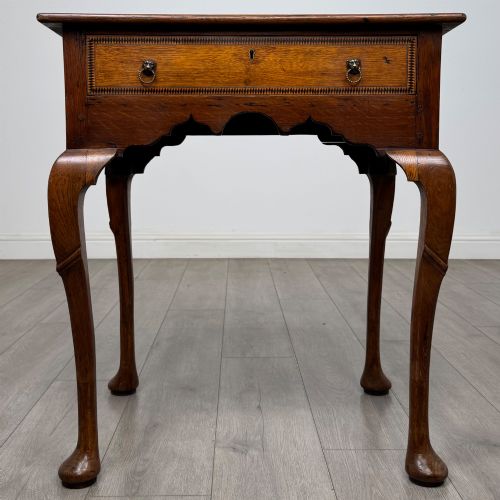
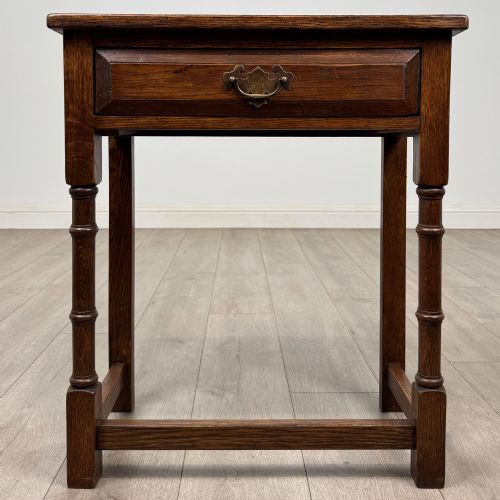
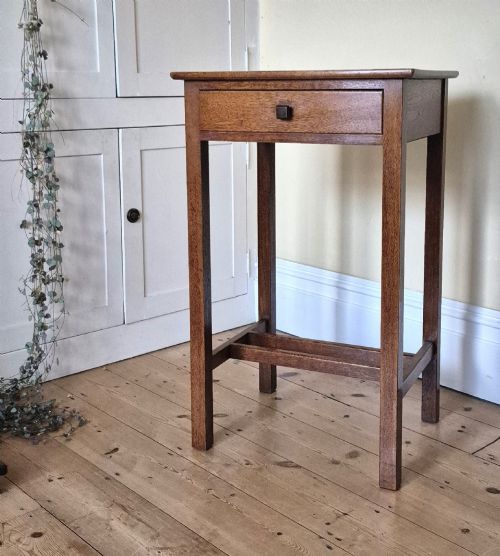
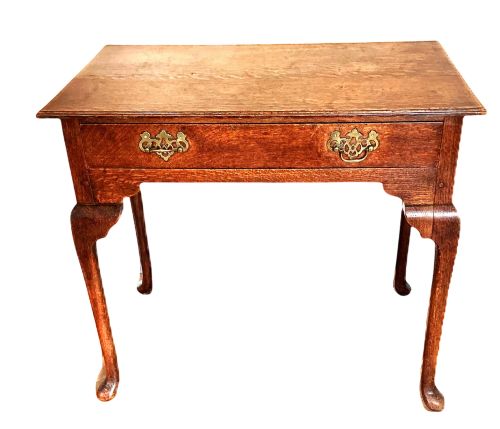
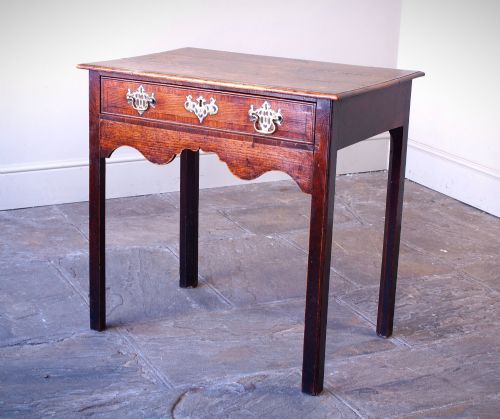
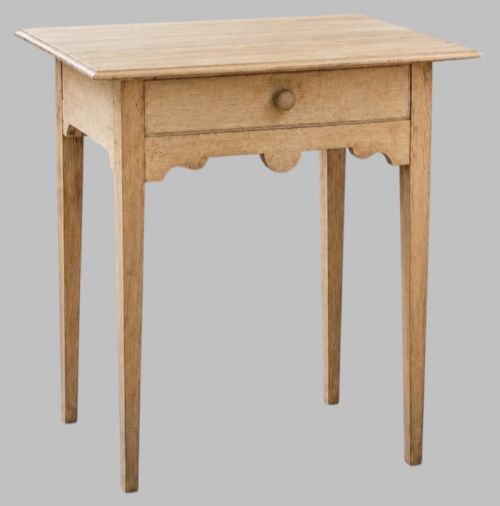
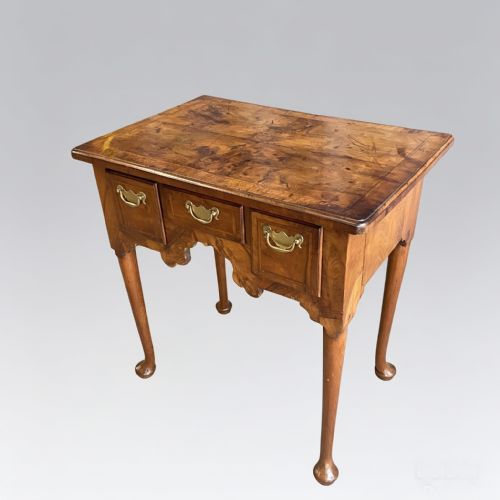
When searching for an oak occasional table drawer, you encounter a variety of forms designed for utility, including side tables, lowboys, and work tables. These pieces originate from periods spanning the seventeenth century through to the Edwardian era and the 1920s.
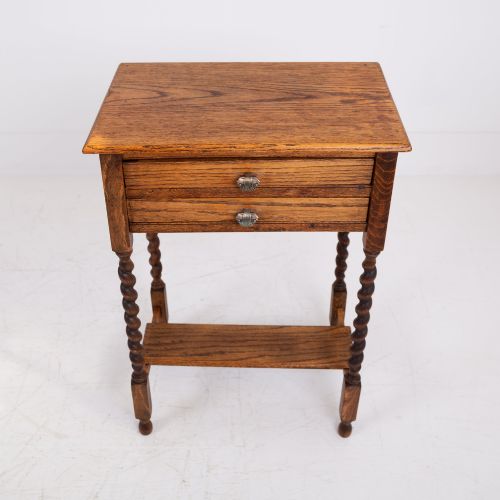
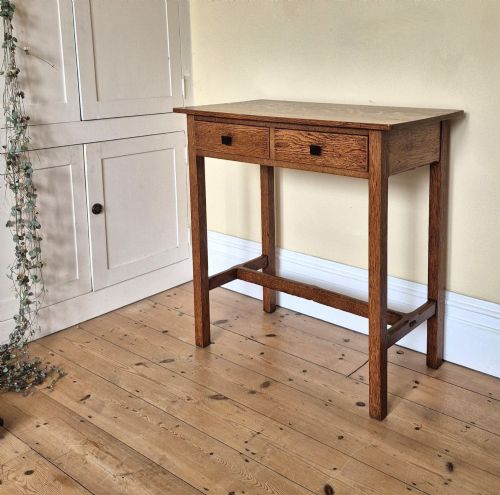
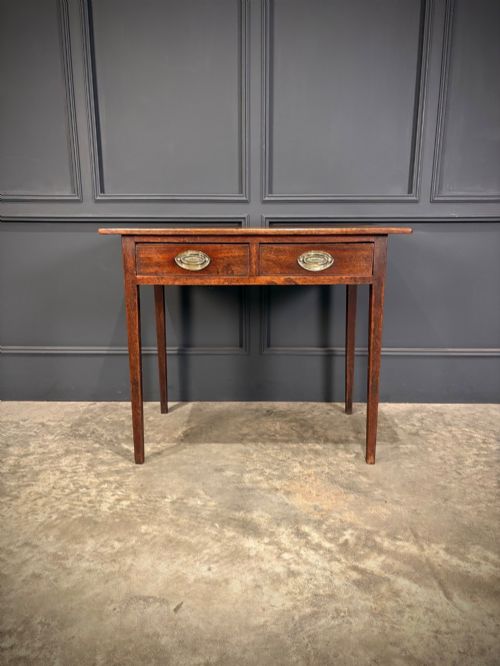
The most common examples you meet on this page are eighteenth-century Georgian pieces and early twentieth-century revivals in light or golden oak. Side tables and lowboys dominate the selection, frequently fitted with one or two practical drawers for small storage.
Regional variations such as Welsh country tables and English country furniture appear alongside formal Georgian designs. These tables serve multiple domestic purposes, functioning as lamp tables, hall tables, or compact writing surfaces.
Materials and construction
Makers utilised solid timber, predominantly oak, alongside secondary woods like mahogany, walnut, pine, and ash for drawer linings and internal framing. Metal hardware such as brass handles and iron fixings provide operational components and period detail.
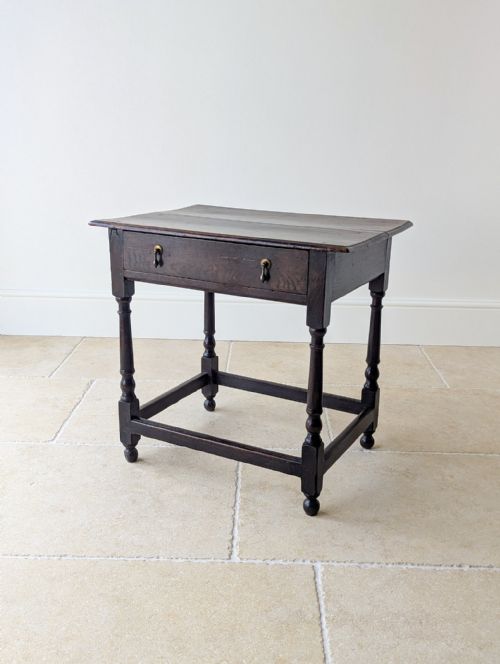
Construction techniques range from early seventeenth-century joined framing with bobbin turned and barley twist legs to eighteenth-century dovetailing on drawer construction. Carved ornamentation, panelled drawer fronts, and pegged joints demonstrate traditional joinery methods.
Some seventeenth-century tavern tables survived centuries of spilled ale and pipe smoke to become cherished drawing-room writing desks.
Variations in quality
Quality reveals itself in the selection of timber grain, the crispness of hand-carved details, and the integrity of the original joints. Earlier seventeenth-century and mid-eighteenth-century pieces often display superior cabinetmaking, whilst revivals vary depending on the fidelity of the period copy.
The survival of original brass drop handles, smooth-running drawer action, and untouched patination elevate certain examples above standard utilitarian items. Master work shows in balanced proportions and harmonious integration of the drawer into the apron.
Hubert Simpson of Kendal
The Oak Occasional Table Drawer Glossary
- Lowboy
- A small kneehole dressing table or side table with one or more drawers, typically dating from the eighteenth century. They frequently stand on cabriole or straight legs.
- Jacobean Revival
- A nineteenth or twentieth-century style imitating the heavy, carved oak furniture of the early seventeenth century. It utilises dark finishes and characteristic turned woodwork.
- Bobbin Turned
- A form of woodturning where the lathe creates a series of rounded spheres resembling bobbins along the length of the leg. This technique is common on seventeenth-century pieces.
- Pembroke Table
- A small occasional table with hinged drop leaves on either side and a drawer beneath the top. Georgian examples are particularly sought after for domestic use.
- Patina
- The surface sheen and colour developed over decades through oxidation, waxing, and handling. It indicates age and authenticity on older timber surfaces.
Oak Occasional Table Drawer: Frequently Asked Questions
How do I date an oak occasional table drawer?
Dating relies on examining construction methods, timber choice, and hardware styles. Hand-cut dovetails, pegged joints, and original brasses often point to seventeenth or eighteenth-century origins.
Later pieces from the Edwardian period or the 1920s exhibit machine-sawn timber and twentieth-century fastening techniques, even when adopting earlier revival styles.
What is the difference between a lowboy and a side table?
A lowboy is specifically a low-standing table equipped with drawers, historically used as a dressing table or a compact writing desk. They often feature more decorative aprons and cabriole legs.
A side table is a broader category that includes simpler rectangular surfaces designed to stand against a wall, functioning as lamp or hall tables.
Where should I place these tables in a modern home?
These compact tables fit easily into hallways, beside sofas, or as bedside surfaces where concealed storage is useful. Their shallow depth allows them to sit in narrow spaces without obstructing movement.
Pairing a seventeenth or eighteenth-century piece with modern interiors adds textural contrast, whilst lighter twentieth-century oak blends well with neutral colour schemes.
Did these tables always have drawers?
Not all period occasional tables included drawers, but those designated as lowboys, work tables, or specific side tables incorporated them for storing documents, candles, or personal items. Single or double drawer configurations are standard.
The presence of a drawer dictated the depth of the frieze beneath the table top, altering the overall proportion of the piece.