
Oak Low Stool
An oak low stool is a sturdy, unpretentious seat built to last generations, offering practical charm and versatile use around any room.
Oak Low Stool
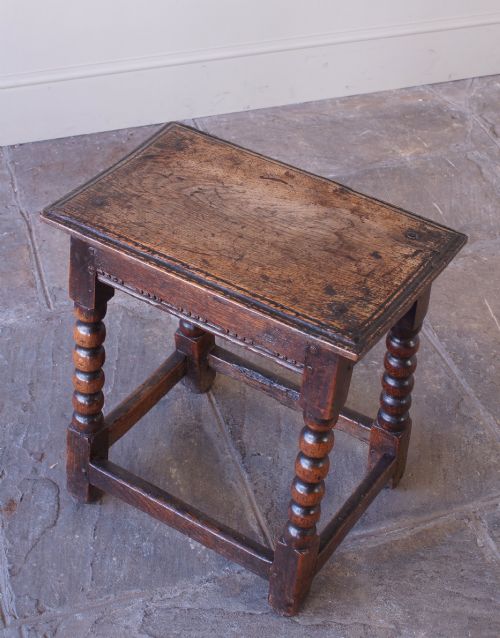
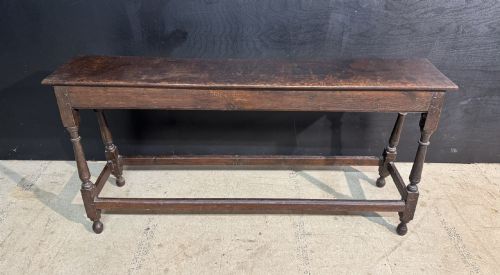
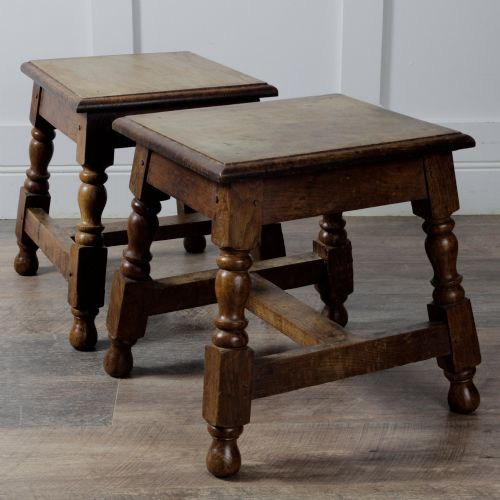
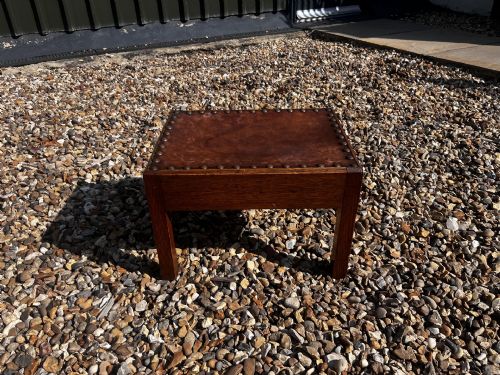
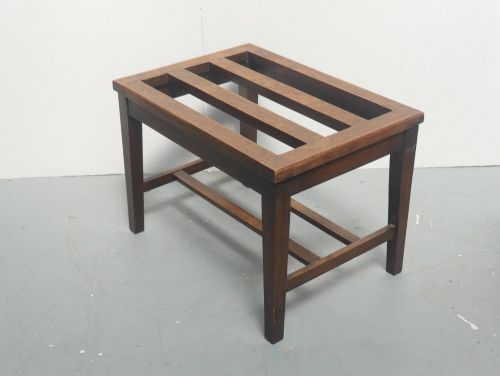
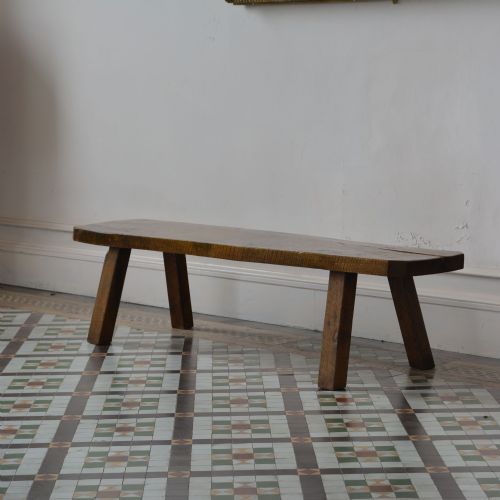
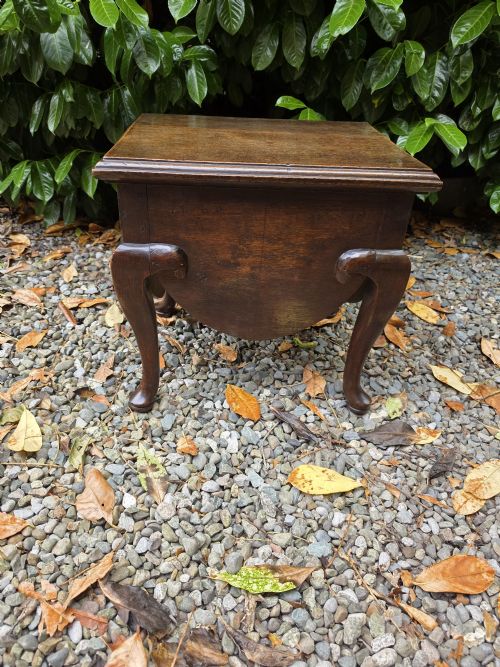
An oak low stool is a functional, low-slung seat built for domestic utility, often taking the form of a joint stool or a rustic farmhouse piece. These items span various periods, including the eighteenth century, Georgian era, Victorian period, and the early twentieth century.
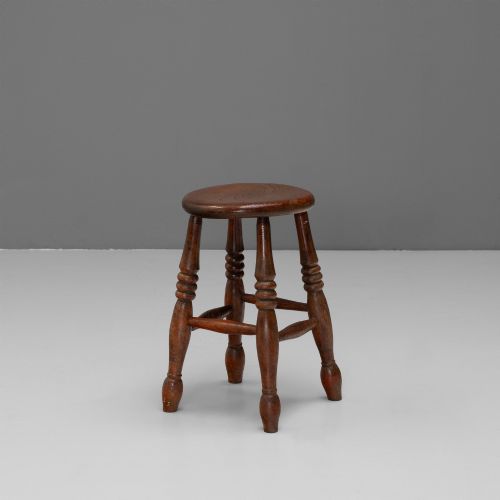
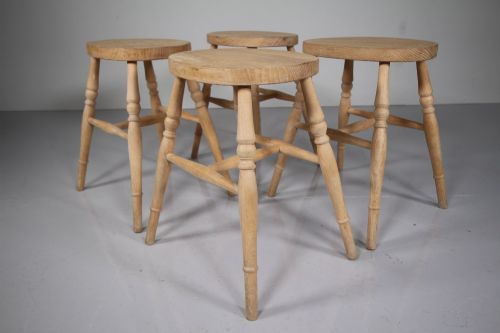
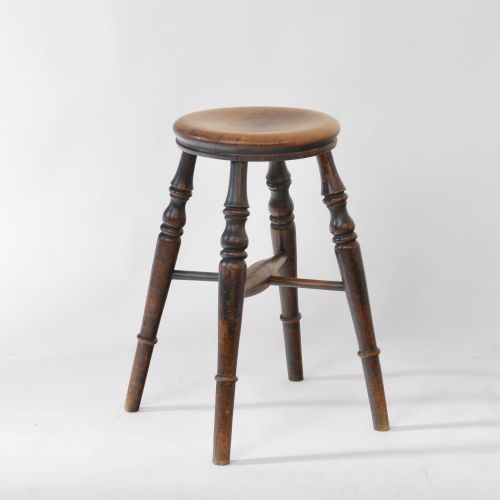
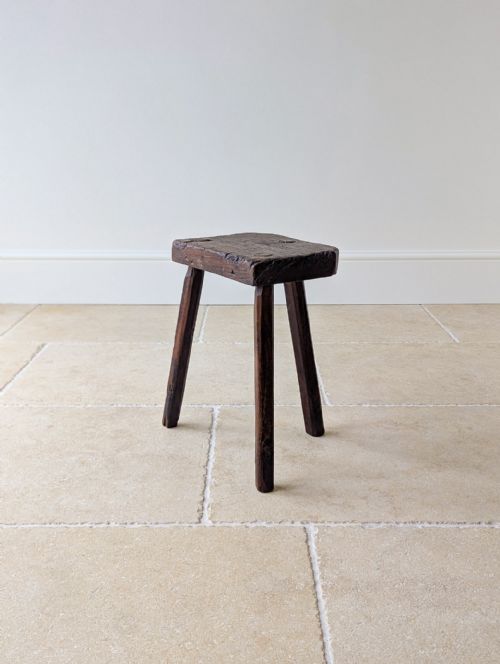
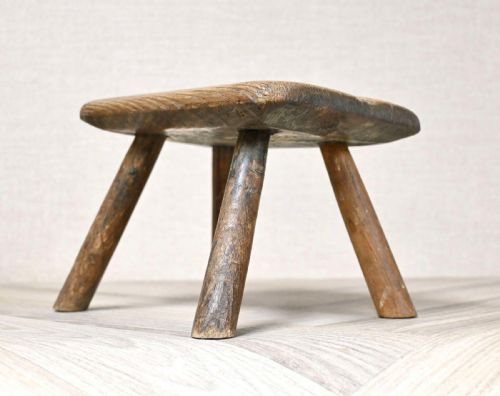
The versions most commonly met on this page include jointed timber seats, heavy country milking stools, and low footstools. They function equally well as auxiliary seats or small side tables in traditional and eclectic interiors.
How they were made
Makers utilised solid timber such as oak, elm, ash, and sycamore, often joining components with traditional peg and mortise-and-tenon construction. These methods ensured structural rigidity for heavy daily use in farmhouses, pubs, and workshops.
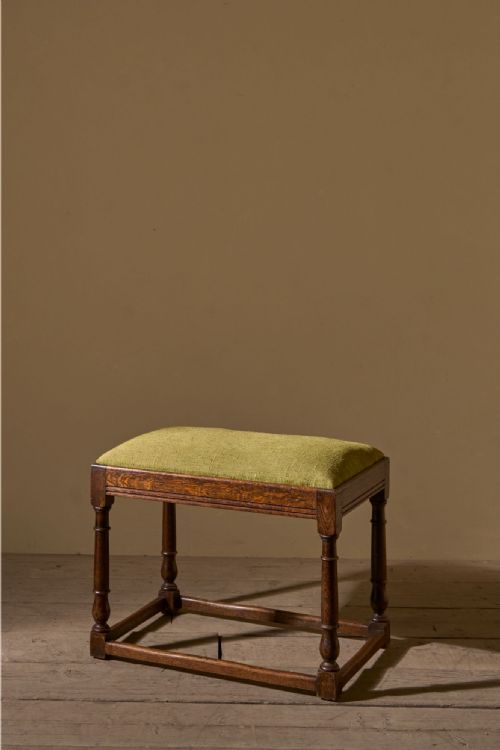
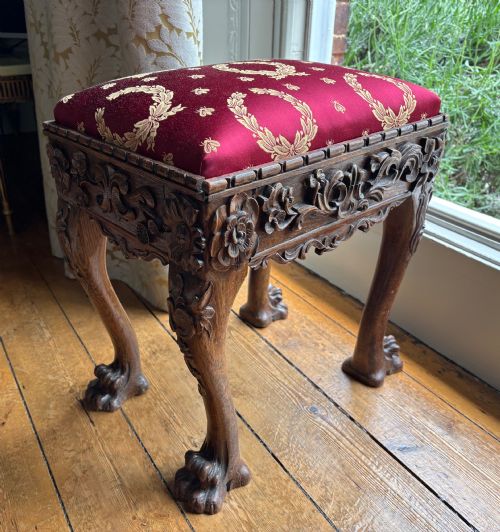
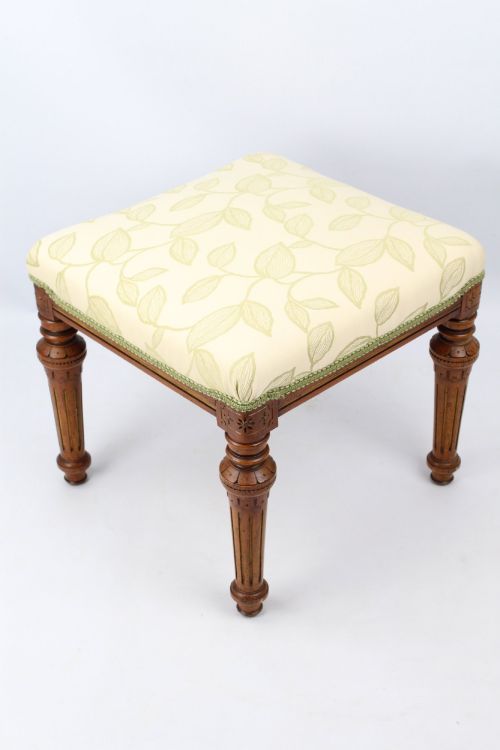
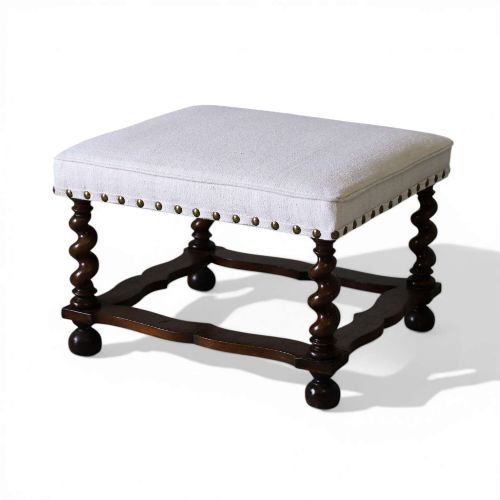
Surface treatments range from waxed and polished grain to upholstered pads in heavy linen, fabric, or leather, occasionally accented with brass details or turned wooden legs.
A solitary one-leg milking stool waits patiently for someone with exceptional balance.
What varies in quality
The standard of a piece depends on the integrity of its joints, the selection of timber grain, and whether original surfaces remain intact. Pieces retaining their early patination and honest structural repairs command greater appreciation among collectors than heavily restored examples.
Proportion and execution set individual items apart, from simple vernacular turnings to crisply carved Gothic or Jacobean Revival details. The harmony between the seat and its underframe determines the overall presence of the object.
Arthur Simpson Of Kendal·Jack Grimble·Waring & Gillow·Harry & Lou Epstein
The Oak Low Stool Glossary
- Joint stool
- A sturdy wooden seat constructed with mortise-and-tenon joints, often associated with the sixteenth and seventeenth centuries but widely revived later.
- Milking stool
- A simple, low, three-legged seat traditionally used by agricultural workers for milking cows by hand.
- Jointed
- Constructed using tight interlocking wooden joints rather than metal nails or modern adhesives.
- Patina
- The deep, lustrous surface sheen developed on timber through decades of handling, polishing, and natural ageing.
- Stretcher
- A horizontal wooden rail connecting the legs of a stool to provide structural stability and rigidity.
Oak Low Stool: Frequently Asked Questions
What is an oak low stool used for?
These pieces served practical domestic functions, from reaching high shelves to sitting by the hearth or milking cows. Today, they operate effectively as low coffee tables, footrests, or compact occasional seats.
Their sturdy timber construction allows them to withstand daily weight while taking up minimal floor space in smaller rooms.
How do I date an antique oak stool?
Dating relies on examining construction marks, tool traces, timber shrinkage, and the style of the turnings or carving. Eighteenth-century examples often show hand-adzed surfaces and pegged joints, whereas revival pieces from the Victorian era or 1920s reflect historic design tropes with machine assistance.
Comparing the wear patterns around the foot rails and seat edges also helps indicate the age and authenticity of the piece.
Are these stools comfortable to sit on?
Many early wooden examples feature dished or contoured solid timber tops designed for utilitarian function rather than plush relaxation. Upholstered variants provide softer padding through traditional stuffing and fabric covers.
Adding a loose cushion can easily soften a rigid wooden top for extended sitting periods.
How do I care for an antique oak surface?
Maintenance requires occasional application of good beeswax to nourish the dry timber and protect the historic surface. Avoid placing wooden stools near direct heat sources or in damp environments to prevent splitting.
Regular dusting with a soft, dry cloth preserves the natural lustre without stripping the aged patina.