
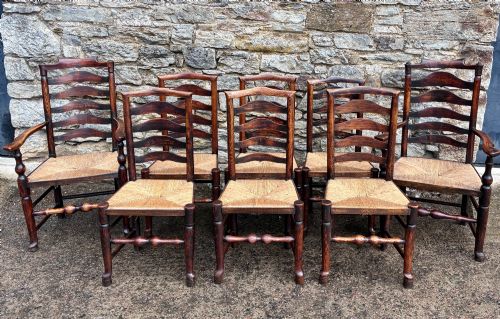
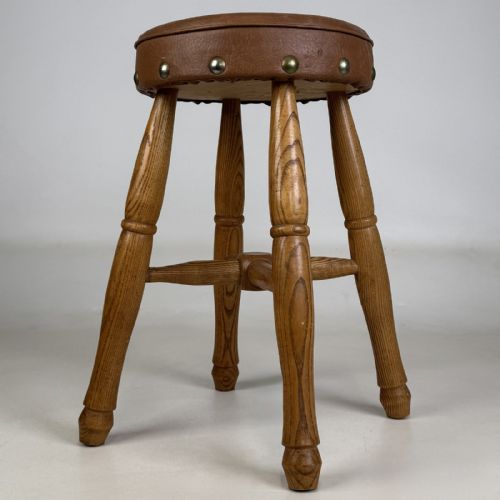
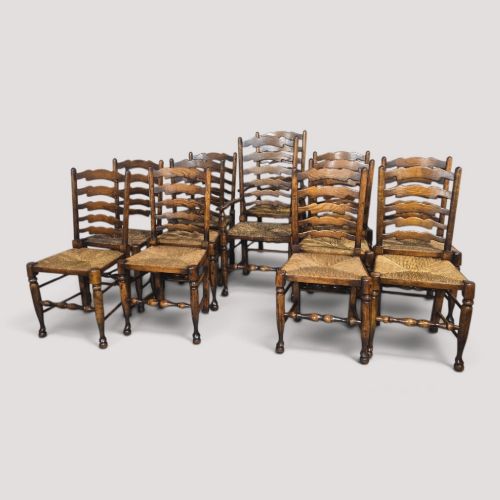
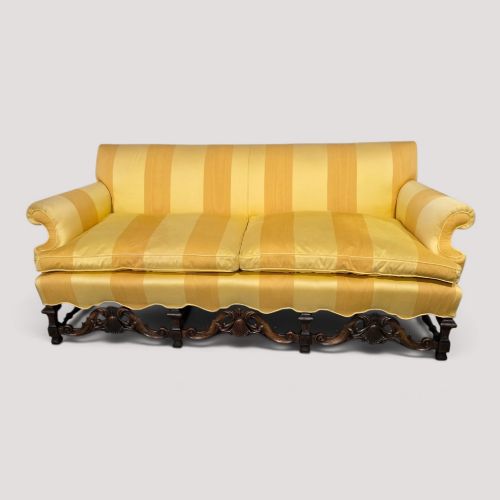
Traditional Oak Seat
A traditional oak seat brings solid vernacular character to a room, offering sturdy utility through centuries of domestic life.
Traditional Oak Seat
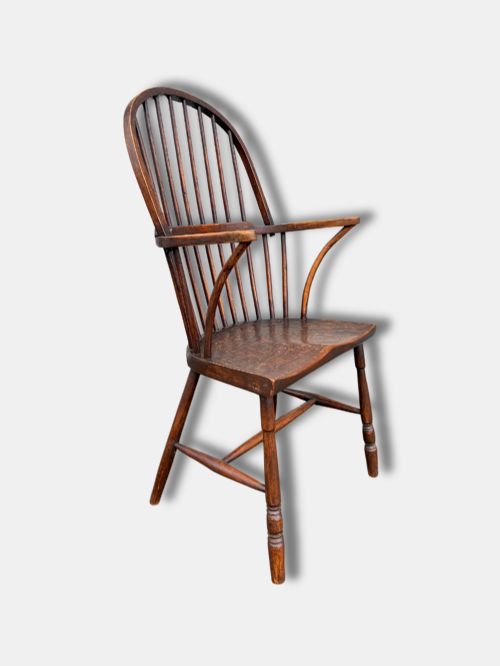
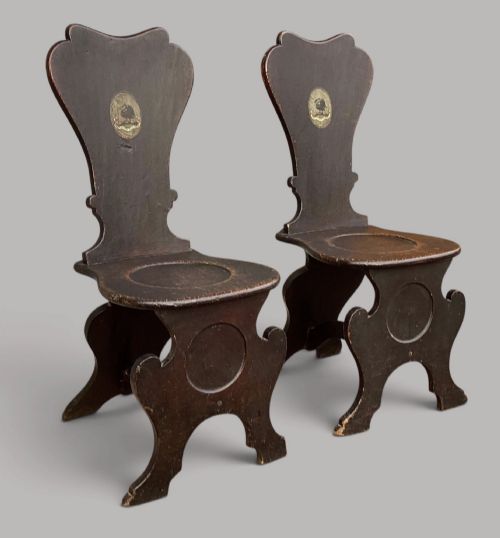
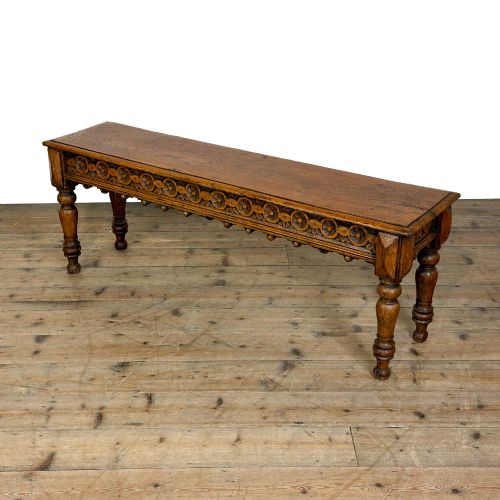
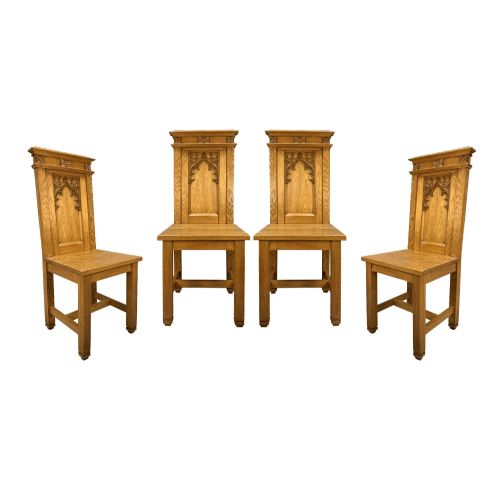
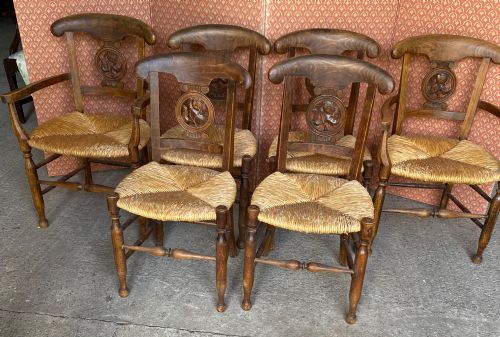
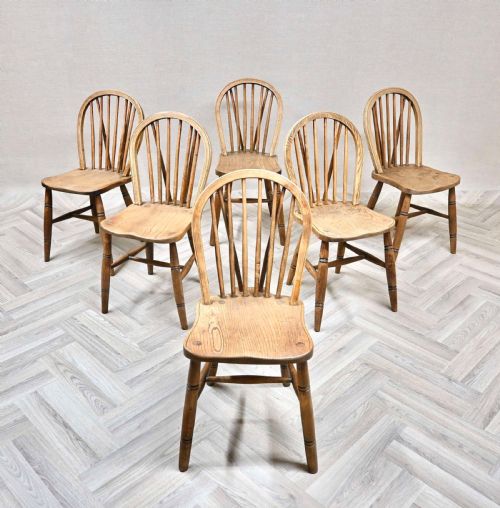
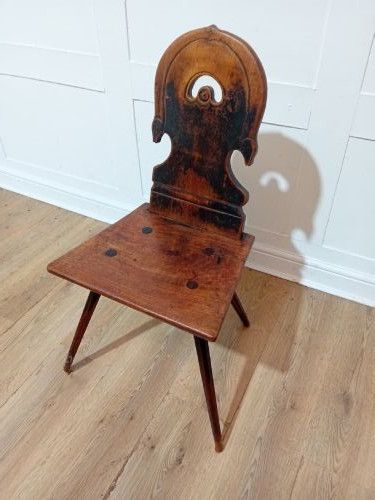
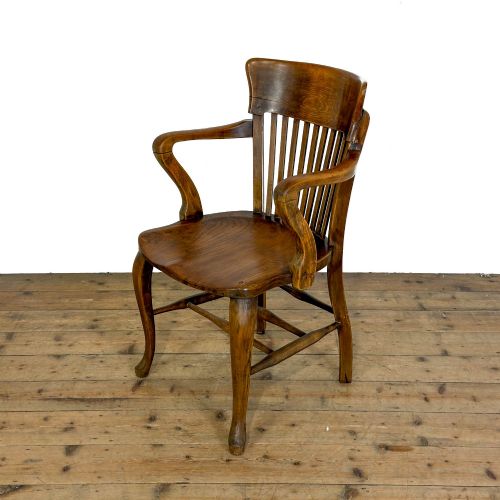
A traditional oak seat encompasses domestic seating ranging from 18th century joint stools and box settles to Victorian Windsor chairs and Edwardian dining sets. Buyers searching for a traditional oak seat encounter diverse forms including hall benches, kitchen chairs, clerk stools, and revolving office armchairs.
The materials span oak combined with elm, ash, beech, brass, leather, fabric, and rush, reflecting regional British furniture traditions. Pieces originate across periods from the 18th century through the Victorian, Edwardian, and early 20th century eras.
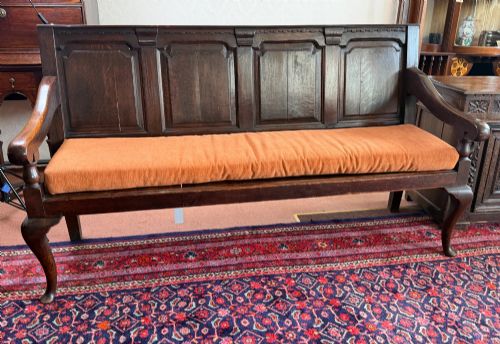
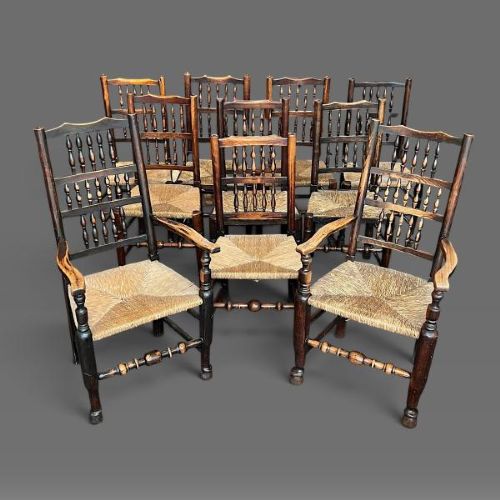
The selection leans heavily towards country kitchen chairs, settle benches with lift-up lids, and matched dining sets in revival and rustic styles. Each piece demonstrates the enduring utility of solid timber construction in domestic and tavern settings.
Materials and construction
Makers utilised solid timbers, principally oak supplemented by elm for seats and ash or beech for spindles and legs. Traditional joinery relied on pegged mortise and tenon joints, dovetails for box settles, and turned components shaped on pole lathes.
Surface treatments typically involved natural wax or polished finishes that preserved the grain of the wood over decades of daily use. Metal elements such as brass brackets, swivel mechanisms, and hinges provided functional reinforcement to high-stress joints.
Listings feature oak combined with rush, elm, and leather across periods spanning the eighteenth century to the 1930s.
Gradations of quality
Quality separates through the integrity of the timber selection and the retention of original surface finishes rather than later alterations. Well-preserved patination and honest wear distinguish pieces that retain their structural honesty from heavily restored examples.
The sophistication of the turning on Windsor spindles, the depth of hand-carving on panelled settle backs, and the matching consistency within larger sets determine the standing of individual items.
The Traditional Oak Seat Glossary
- Joint stool
- An early form of wooden stool constructed with mortise and tenon joints rather than turned legs inserted into a seat. These sturdy pieces served multiple domestic purposes before upholstered seating became common.
- Box settle
- A high-backed wooden bench featuring a compartment beneath the seat for storage. They often stood near hearths to block draughts in older homes.
- Windsor chair
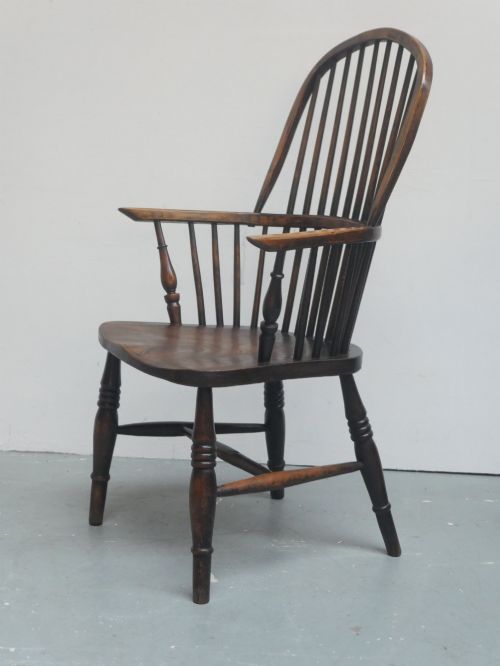
- A chair built with a solid wooden seat into which the legs and back spindles are directly dowelled. Regional variations include hoop backs, comb backs, and lathe backs.
- Lathe back
- A chair style featuring horizontal wooden slats curved to support the sitter's back. This design appears frequently in regional 19th-century seating.
- Refectory
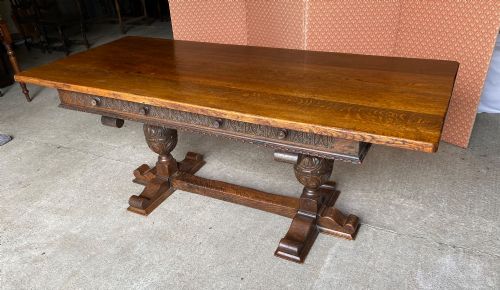
- A long dining table style traditionally used in communal dining halls. Surviving examples often accompany sets of matching oak chairs.
Traditional Oak Seat: Frequently Asked Questions
How do I date an oak settle?
Dating relies on construction methods, timber thickness, and joinery details. Hand-cut peg marks and fielded panels point to earlier 18th-century origins, whereas later revival pieces often display machine-sawn components.
Examine the underside and interior storage box for signs of tool use and historical wear patterns that corroborate the period.
What is a Welsh box settle?
A Welsh box settle is a heavy wooden bench with a high panelled back and a hinged seat opening to a storage chest. They were built to keep sitters warm by blocking cold draughts in farmhouse kitchens.
Many incorporate carved decoration and served as the primary seat of honour for the head of the household.
Are oak Windsor chairs comfortable?
Windsor chairs feature saddles carved directly into solid elm or oak seats to fit the body contours. Their raked legs and steam-bent spindles provide slight flex for support during extended sitting.
Adding a loose squab cushion provides extra comfort while keeping the wooden frame visible.
How do I care for antique oak?
Maintain antique oak by applying a microcrystalline wax polish sparingly to nourish the wood and protect the surface from moisture. Avoid placing wooden seating near direct heat sources or strong sunlight to prevent splitting.
Dust regularly with a soft dry cloth to preserve the natural lustre accumulated over generations.
What is a monk's bench?
A monk's bench is a multifunctional piece of furniture featuring a hinged tabletop that folds down over the arms to form a table. When the top is upright, it functions as a compact hall seat with a high back.
Victorian and Edwardian cabinetmakers frequently produced these space-saving designs drawing on earlier vernacular forms.