




Oak Gothic Stool
An oak gothic stool brings solid timber and centuries-old architectural idioms straight into a modern interior.
Oak Gothic Stool
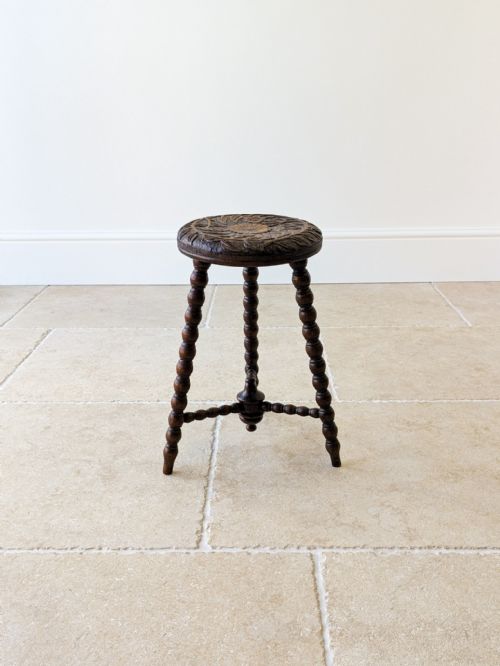
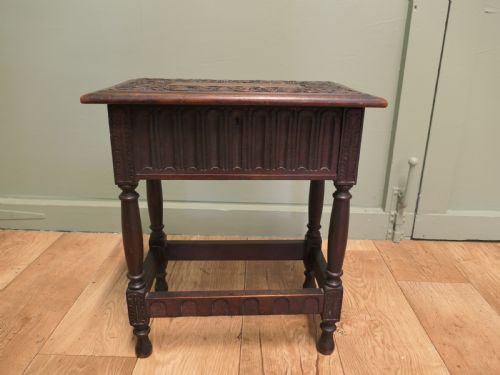
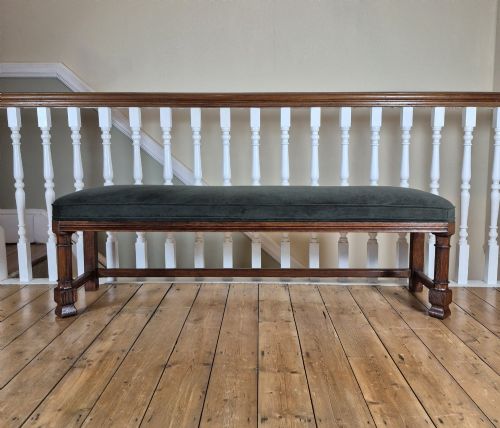
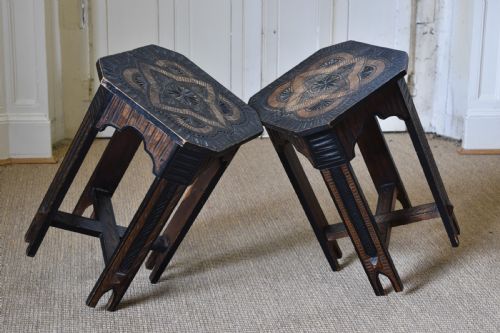
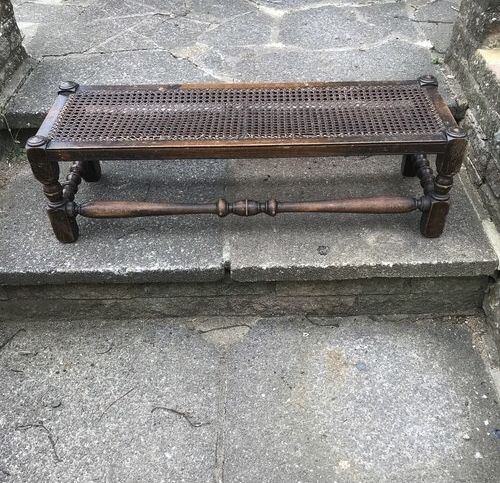
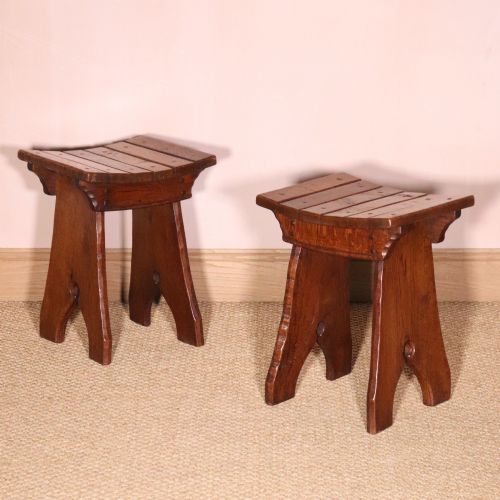
An oak gothic stool draws upon medieval architectural motifs, manifesting primarily in nineteenth-century revivals and later vernacular interpretations. Buyers evaluating an oak gothic stool encounter forms ranging from boarded trestle constructions to joint stools and padded window seats.
The aesthetic bridges domestic utility and ecclesiastical solemnity, often incorporating tracery, pointed arches, and heavy turned supports. Pieces span periods from the seventeenth century through the Victorian era and into twentieth-century arts and crafts movements.
Such seating frequently appears alongside related oak furniture like prayer stools, library steps, and hall benches. Survivors of this tradition reflect both architect-designed commissions and provincial workshop output.
Materials and construction methods
Makers relied predominantly on solid oak, selected for durability and finished with simple wax or polish to reveal the grain. Secondary materials like leather, velvet, and brass upholstery studs appear on cushioned variants.
Joinery methods followed traditional timber framing principles, employing pegged mortise and tenon joints to withstand heavy daily use. Decorative enrichment relied on chip carving, relief panels, and turned legs rather than applied veneers.
Period examples span the Victorian era, the arts and crafts movement, and mid-nineteenth-century gothic revivals.
Distinctions in construction and design
Quality reveals itself in the crispness of the carved detail and the integrity of the underlying timber frame. Pieces executed under specific design influences, such as the reformed gothic manner, display superior proportion and joinery discipline compared to anonymous commercial output.
The choice of stock matters significantly, with quarter-sawn oak displaying prominent medullary rays that elevate the visual texture. Well-preserved original surfaces and honest patination distinguish surviving examples from later alterations or heavy restorations.
Jack Grimble·Richard Hicks Bridgens
The Oak Gothic Stool Glossary
- Joint stool
- A sturdy wooden stool built with pegged mortise and tenon joinery rather than turned legs driven into a seat slab. These form the baseline of early domestic seating.
- Tracery
- Stone-inspired openwork patterns adapted into wood panels on furniture. This architectural detail defines the gothic revival style.
- Metamorphic
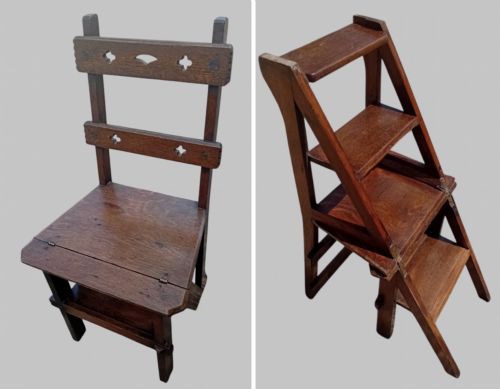
- Furniture engineered to transform from one functional form into another, such as a chair converting into library steps. Such mechanisms require precise mechanical execution.
- Boarded construction
- A method where flat planks are joined directly at right angles to form the body of a piece. It represents an early and direct approach to furniture making.
- Chamfer
- A transitional edge made by cutting away the corner of a timber at an angle. Cabinetmakers used this to lighten heavy profiles.
Oak Gothic Stool: Frequently Asked Questions
How do I date an oak gothic stool?
Dating relies on examining tool marks, timber selection, and construction hardware such as hand-forged nails or modern screws. Stylistic clues also help place a piece within nineteenth-century revival periods or earlier traditions.
Changes in joinery tightness and surface patination further clarify whether a stool originates from the seventeenth century or a Victorian revival workshop.
Were these stools used in churches?
While many pieces draw inspiration from ecclesiastical architecture and furnishings like prayer stools, most were built for domestic interior use. Homes in the nineteenth century frequently adopted gothic idioms for halls and libraries.
Specific forms like doublet prayer stools served devotional functions, but standard variants sat comfortably in domestic drawing rooms and studies.
How do I care for antique oak furniture?
Maintain timber stability by placing furniture away from direct heat sources and sudden humidity fluctuations. Regular application of a quality beeswax preserves the dry lustre of the wood.
Avoid liquid polishes containing silicones, which can penetrate porous historic finishes and attract dust over time.