




Oak Frieze Drawer Table
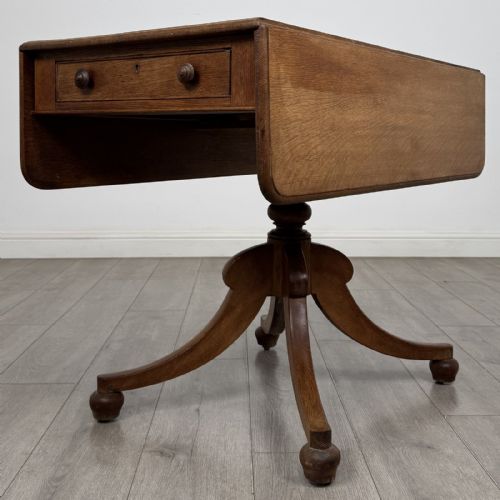
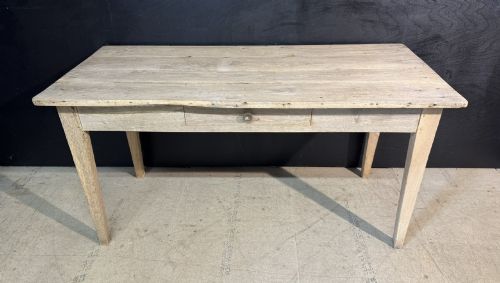
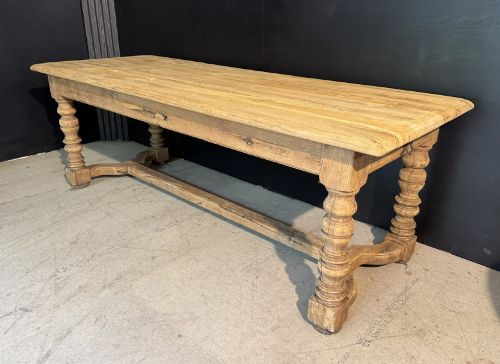
An oak frieze drawer table brings honest timber and built-in utility to a room, offering sturdy charm for daily work or dining.
Oak Frieze Drawer Table
An oak frieze drawer table combines a sturdy wooden surface with concealed storage built directly into the upper framing. When exploring these listings, expect to encounter side tables, writing desks, and dining pieces that place storage just beneath the top surface.
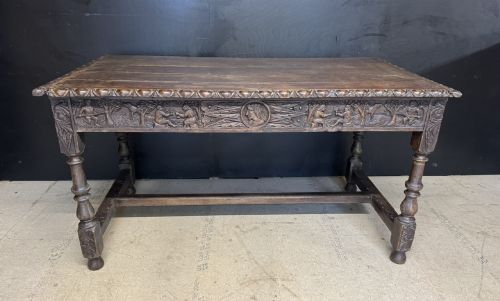
The selections span distinct historical eras, ranging from seventeenth-century William and Mary examples to nineteenth-century Victorian iterations. Seventeenth-century forms often show heavier carving and distinct regional joinery, while later Victorian pieces lean towards refined writing tables and console formats.
Domestic utility defines this group, moving easily from farmhouse kitchens to formal libraries. The presence of one or more frieze drawers distinguishes these items from standard plank tables, providing practical space for small papers or household items.
Materials and construction methods
Solid oak serves as the primary structural material across these pieces, supplemented by secondary timbers such as pine in internal framing. Iron and brass hardware appear regularly as drawer pulls, key escutcheons, and structural reinforcement.
Makers utilised traditional joinery methods, incorporating pegged mortise and tenon joints to secure the legs and rails. Drawer construction relied on hand-cut dovetails, while decorative enrichment often took the form of surface carving directly into the solid timber frieze.
Oak Frieze Drawer Table Retail Price Guide 2026
Typical asking prices for oak frieze drawer table among the pieces listed under this phrase on Sellingantiques today, from the lower quarter to the upper quarter. They describe what is for sale here now, not the wider market.
Listings feature diverse materials including oak, brass, iron, leather, and pine across side tables, desks, and dining forms.
Assessing craftsmanship and condition
Quality separates pieces by the crispness of the hand-carved detailing and the snugness of the drawer fit within the frieze opening. Superior examples maintain original timber surfaces with minimal replacement of structural elements.
The integrity of the internal drawer construction and the retention of period brass or iron handles influence the overall standing of an individual table. Finer works display balanced proportions and thoughtful integration of the drawer housing into the broader apron design.
The Oak Frieze Drawer Table Glossary
- Frieze
- The horizontal structural band situated directly beneath the top surface of the table where drawers are typically housed. This architectural element provides structural rigidity while concealing storage compartments.
- William and Mary
- A late seventeenth-century stylistic period characterised by restrained geometric turning, panelled construction, and upright proportions. Furniture from this era often displays subtle mouldings and bun feet.
- Mortise and tenon
- A traditional woodworking joint where a protruding peg fits snugly into a corresponding cavity to lock structural timbers together securely. This joint underpins the load-bearing strength of antique wooden tables.
- Dovetail
- A joint formed by interlocking wedge-shaped fingers used primarily to construct strong drawer boxes. Hand-cut variations indicate older craftsmanship before the adoption of machine routing.
- Console table
- A wall-mounted or freestanding side table designed to sit flat against a vertical surface. These items frequently incorporate frieze drawers and decorative leg supports.
Oak Frieze Drawer Table: Frequently Asked Questions
How were these tables used originally?
These tables served multiple domestic purposes ranging from meal preparation in farmhouse kitchens to administrative writing in private studies. The inclusion of a frieze drawer allowed users to store small documents, cutlery, or daily implements close to hand.
Over successive centuries, owners repurposed them as hallway consoles, sideboards, or dressing surfaces depending on the room layout and household needs.
How do I care for antique oak furniture?
Maintain the wood by applying a natural beeswax polish occasionally to nourish the dry timber and protect the surface from moisture. Avoid placing these tables in direct sunlight or near direct heat sources to prevent timber splitting.
Dust regularly with a soft, dry cloth and clean up any liquid spills promptly to preserve the integrity of the antique finish.
How do I distinguish seventeenth-century styles?
Seventeenth-century examples typically feature heavier framing, darker patination, and deep hand-carving directly into the solid oak. Joinery tends to rely heavily on visible pegged tenons and simpler linear mouldings.
Later Victorian interpretations often incorporate lighter golden tones, turned or fluted legs, and machine-influenced decorative precision that sets them apart from earlier vernacular builds.
Are the drawers on these tables original?
Examining the interior timber colour, tool marks, and dovetail construction helps determine whether a frieze drawer belongs to the original frame. Consistent wear patterns between the drawer sides and the interior runners indicate long-term association.
Replacement runners or reconstructed drawer bottoms occur frequently in pieces that experienced heavy daily service over multiple generations.