
Oak Farmhouse Kitchen Chair
An oak farmhouse kitchen chair brings honest utility and vernacular charm to a room, offering sturdy wood seating shaped by generations of practical domestic use.
Oak Farmhouse Kitchen Chair
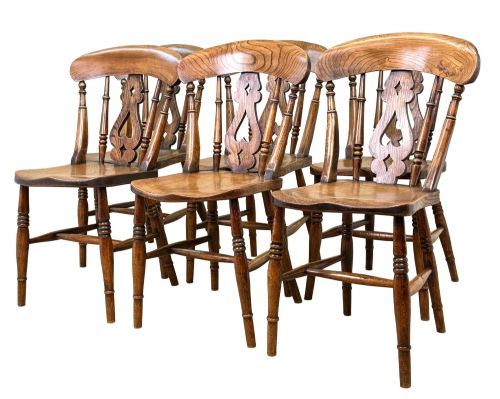
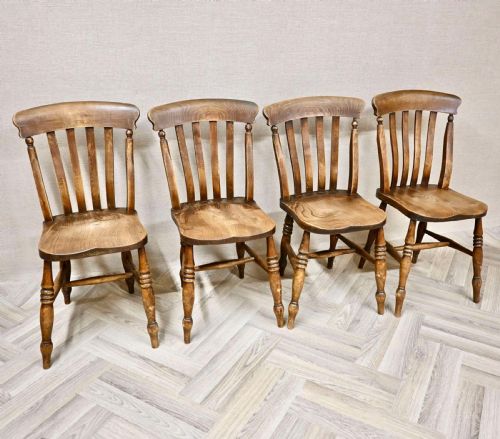
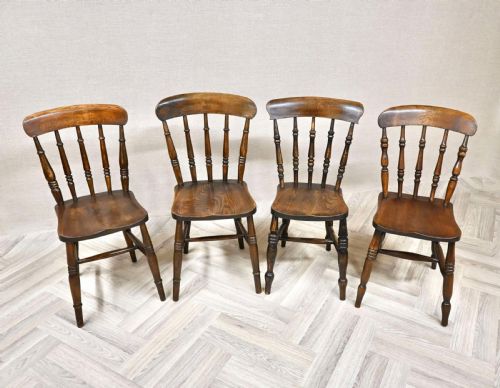
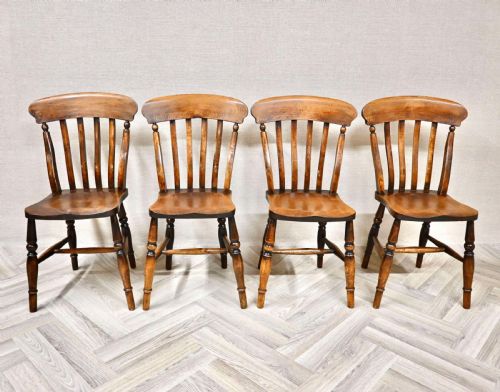
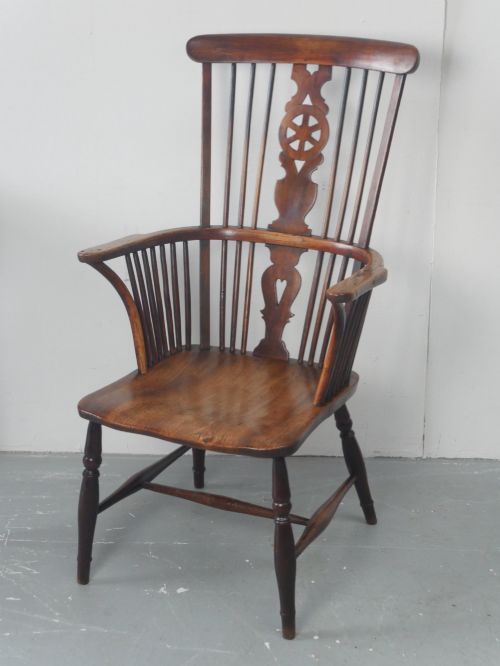
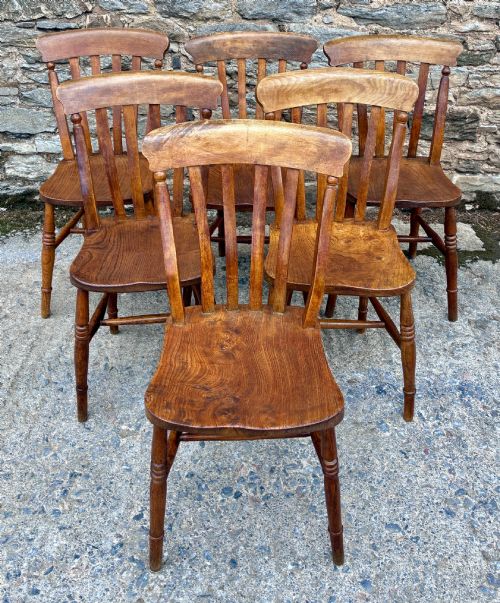
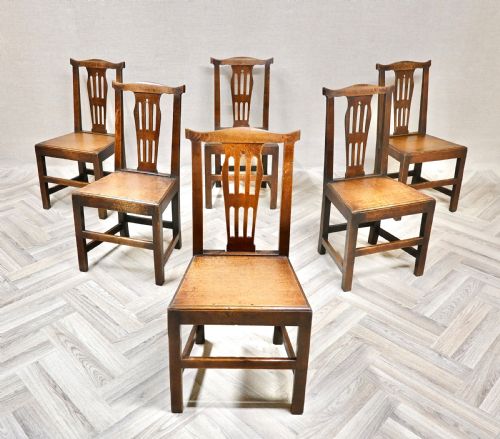
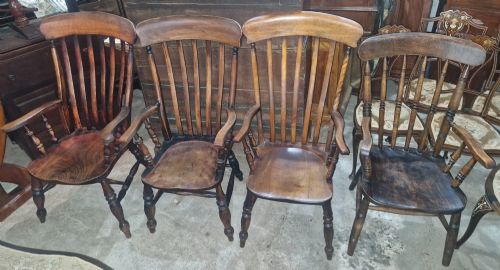
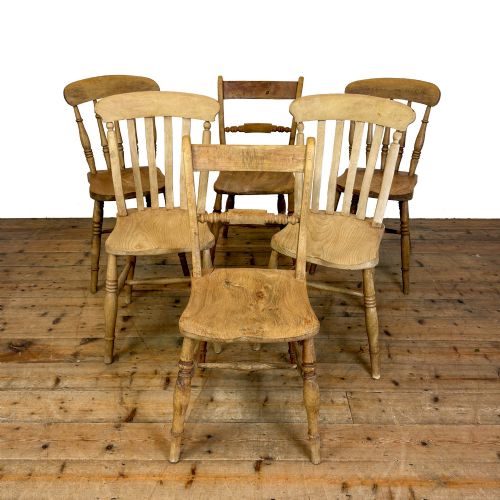
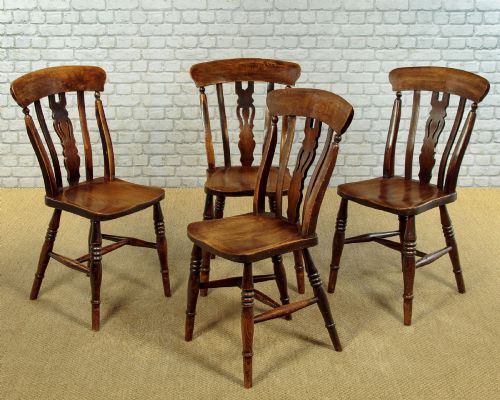
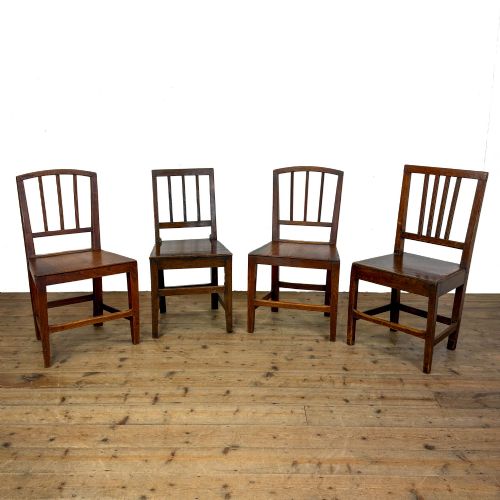
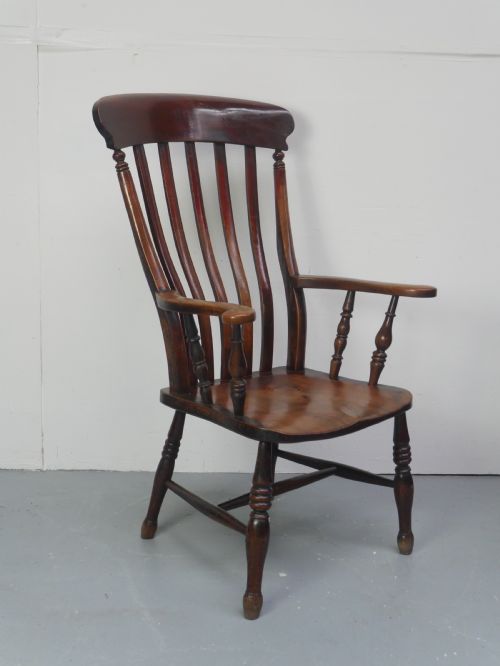
An oak farmhouse kitchen chair serves as durable, everyday seating rooted in traditional country life. When searching for an oak farmhouse kitchen chair, buyers encounter various forms including Windsor designs, ladderbacks, and solid wood side chairs or armchairs.
The pieces available span multiple periods, most frequently originating from the nineteenth and early twentieth centuries, alongside Georgian examples and later vintage interpretations. These chairs appear individually, in pairs, or in matched and harlequin sets suited for dining tables.
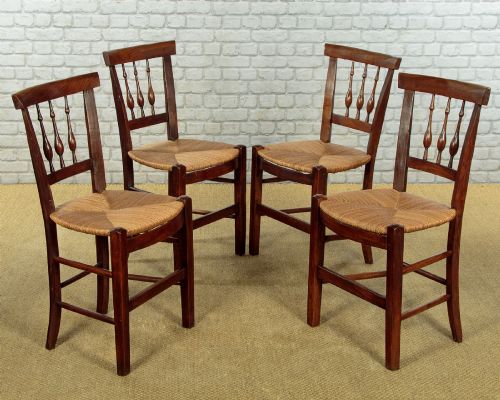
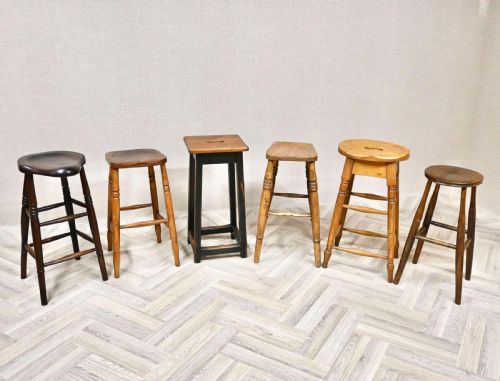
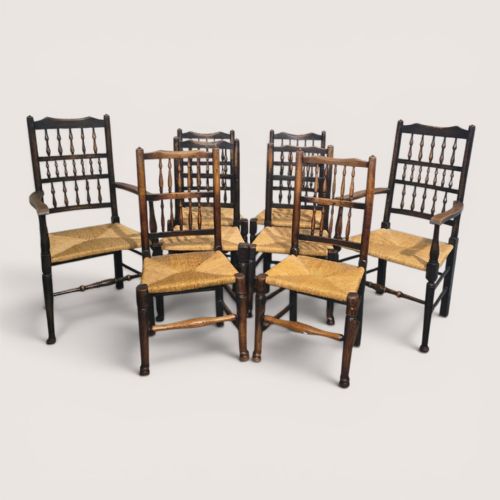
Regional origins shape the selection, with English country workshops and Welsh makers contributing distinct regional characteristics. Forms range from simple stick backs and lathbacks to bar stools and rush-seated variants designed for rigorous daily use.
How They Were Made
Makers utilised solid timbers, combining oak for frames with companion woods such as elm, beech, ash, fruitwood, and pine for seats and spindles. This mixed-wood construction provided structural strength where needed while accommodating the varying properties of each timber.
Traditional joinery methods defined the construction, featuring pegged mortise and tenon joints, turned legs, and steam-bent components for Windsor bows and backrests. Seats were frequently carved from solid wood blocks or woven from rush to support the occupant.
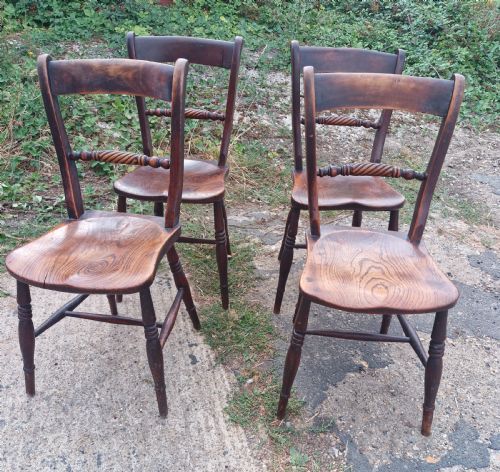
Many of these chairs bear the subtle indentations of nineteenth-century smocks and aprons carved deep into the solid wooden seats.
What Varies in Quality
The calibre of an oak farmhouse kitchen chair depends upon the integrity of its original construction and the harmony of its timber. Examples retaining matching grain patterns, robust joints, and minimal structural replacement represent the upper tier of craftsmanship.
Proportion and comfort distinguish superior pieces, as skilled village makers balanced visual grace with ergonomic support. Greater uniformity within larger sets also elevates the desirability of the seating.
Worksop Allsop
The Oak Farmhouse Kitchen Chair Glossary
- Windsor chair
- A wooden chair built with a solid carved seat into which the legs and back spindles are direct-tenoned. This form offers robust support through a distinctive bowed or arched back.
- Ladderback
- A chair style featuring horizontal slats between the rear upright posts. These slats are typically graduated in size to follow the contour of the sitter's back.
- Harlequin set
- A collection of dining chairs that are closely related in style, period, and material but were not originally made as a single set. They share enough common visual traits to sit harmoniously around one table.
- Rush seat
- A seating surface woven from dried marsh rushes wound around a wooden frame. This technique creates a resilient and pliable pad for traditional wooden chairs.
- Lathback
- A variant of the Windsor chair featuring a broad, flat central vertical slat in the backrest. It provides solid lumbar support and often incorporates steam-bent outer spindles.
Oak Farmhouse Kitchen Chair: Frequently Asked Questions
How do I date an oak farmhouse chair?
Dating relies on observing construction marks, timber wear, and assembly techniques characteristic of specific periods like the Georgian era or the nineteenth century.
Hand-turned spindles and pegged joints often indicate earlier craftsmanship, while standardised components point towards late Victorian or twentieth-century production.
Can I mix different styles around a table?
Mixing different styles is common and historically appropriate, especially when utilising harlequin sets gathered over time.
Matching similar wood tones and heights ensures a cohesive appearance while embracing the varied origins of country furniture.
Are rush seats durable for daily use?
Rush seats offer surprising resilience and flexibility, having supported daily domestic life in farmhouses for centuries.
Avoiding excessive moisture and placing cushions on the seats can help preserve the woven organic material over years of regular seating.
What is the difference between an armchair and a side chair?
Armchairs feature integrated side supports for the arms, offering a more substantial profile often placed at the head of a dining table.
Side chairs lack arms, allowing multiple seats to tuck neatly alongside one another beneath standard table frames.