
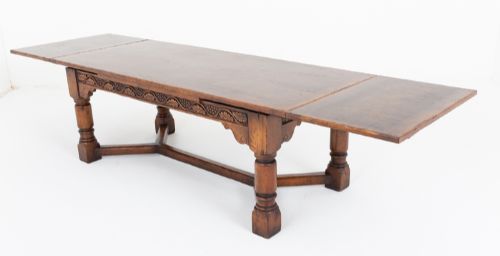
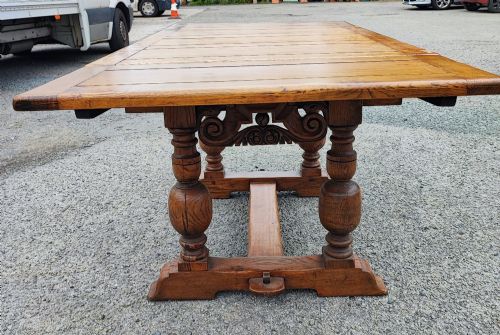
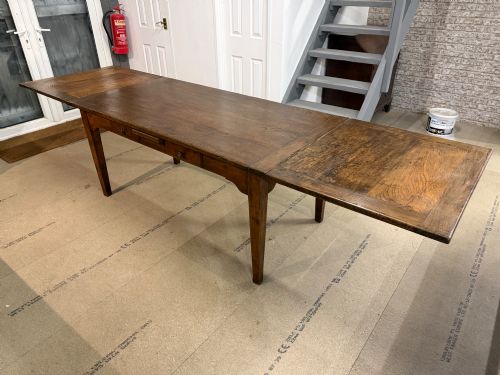
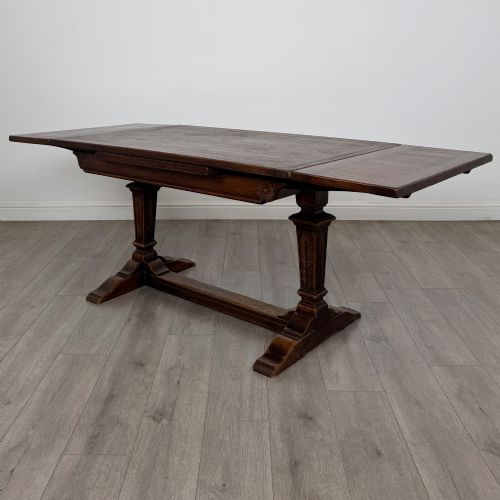
Oak Extension Dining Table
An oak extension dining table provides sturdy practicality and historic character, bringing generous proportions and clever leaf mechanisms to any dining room.

Oak Extension Dining Table
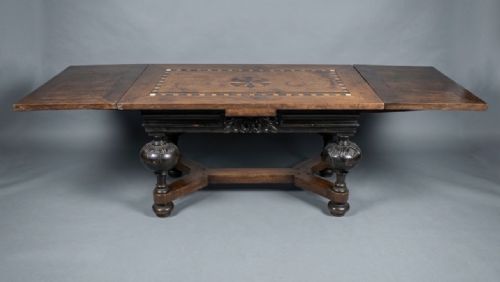
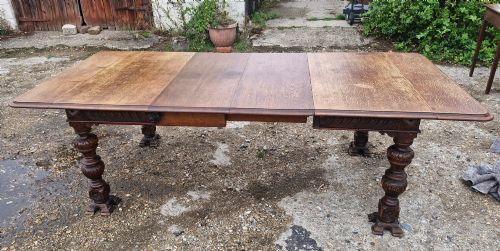
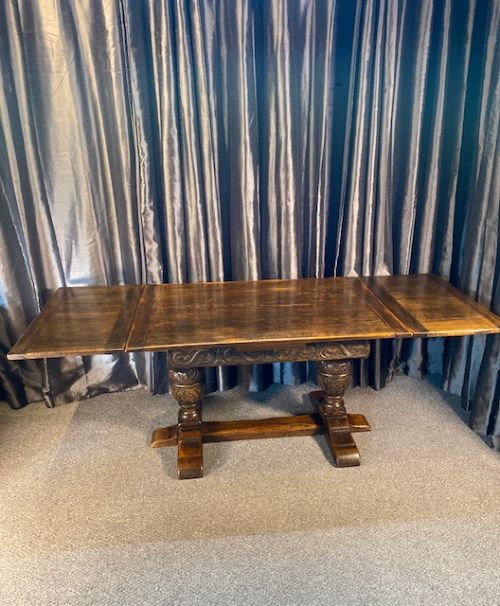
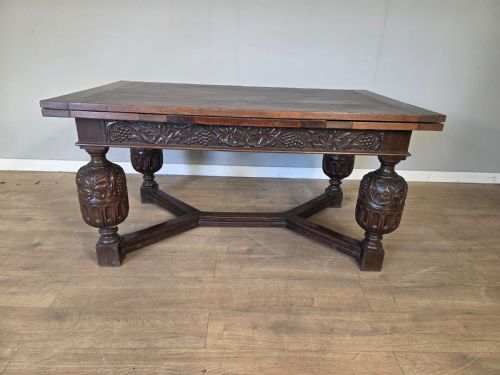
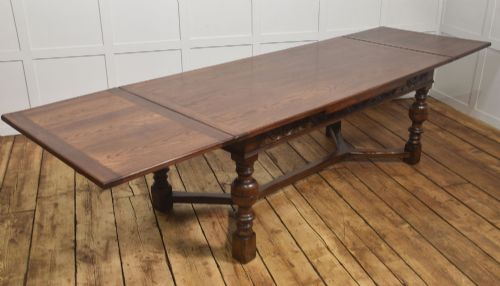
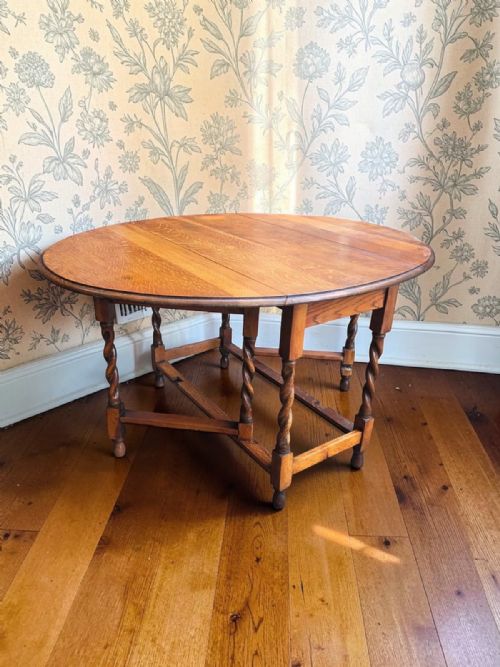
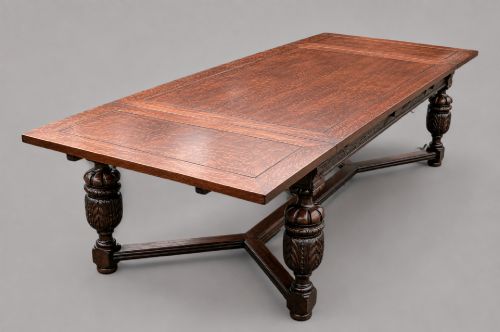
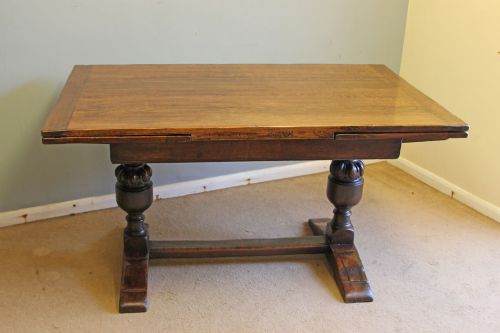
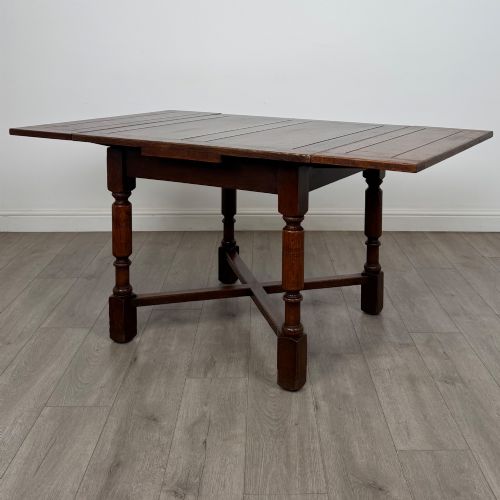
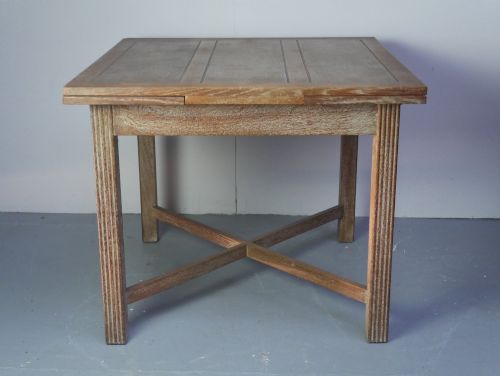
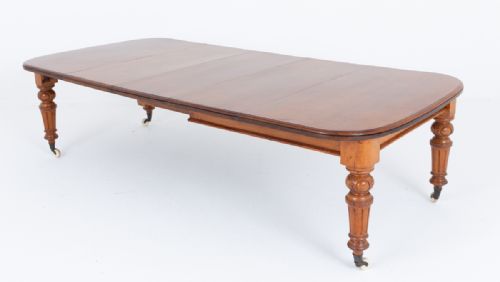
An oak extension dining table offers a robust surface designed for expansion, frequently utilising draw-leaf, drop-leaf or gateleg mechanisms to accommodate varying numbers of guests. These pieces bridge domestic utility with historic craftsmanship, appearing across periods from the seventeenth century through to the Edwardian era and the nineteen-thirties.
Buyers examining this selection will regularly encounter styles rooted in Jacobean, Victorian, French Provincial and Elizabethan traditions. Solid oak and fruitwood dominate the construction, often supplemented by brass or iron hardware and occasional wood inlay or parquetry details.
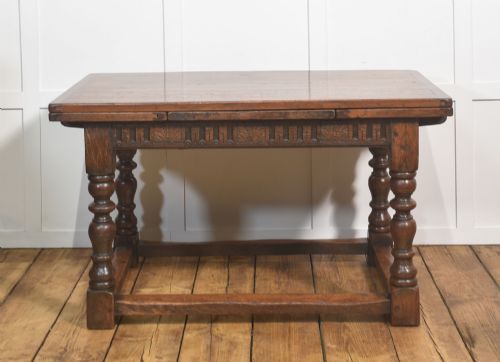
The most prevalent formats on this page combine refectory or farmhouse proportions with practical pull-out leaves or drop flaps. This mix ensures that formal dining spaces and rustic kitchens alike find suitable focal points among the listed tables.
What varies in quality
The distinction between standard examples and finer pieces often rests on the sophistication of the timber selection and the complexity of the woodwork. Figured oak, detailed parquetry and intricate carvings lift certain tables into a superior category of craftsmanship.
Smooth operation of the extension mechanism marks a higher grade of manufacture. Tables that allow leaves to extend or drop with precise alignment and minimal friction demonstrate superior original engineering by the cabinet maker.
Some tables extend up to fourteen feet, ensuring nobody ever has to argue about seating arrangements at Sunday lunch.
Heals
The Oak Extension Dining Table Glossary
- Draw leaf table
- A dining table equipped with sliding leaves stored beneath the main top that pull out to extend the surface length. This design keeps leaves attached securely to the table frame.
- Gateleg table
- A drop-leaf table where the hinged legs swing outward like a gate to support the raised flaps. This format allows the table to fold into a compact footprint when not in use.
- Refectory table
- A long, narrow dining table traditionally used for communal meals in monasteries or large halls. These sturdy tables form the backbone of many farmhouse dining arrangements.
- Parquetry
- Geometric wood mosaic work used for decorative surface patterns on table tops. It employs contrasting timbers to create visually engaging geometric arrangements.
- Barley twist
- A turned wooden furniture leg resembling a spiral or rope twist. This decorative turning style appears frequently on seventeenth-century and revival-era supports.
Oak Extension Dining Table: Frequently Asked Questions
How do draw leaf tables work?
Draw leaf tables operate using two underlying panels positioned beneath the primary centre top. These leaves slide outward from each end while the main top drops slightly into place.
This mechanism allows the surface area to double without requiring separate boards to be stored away from the table.
How do I date an oak table?
Dating relies on examining the construction marks, timber selection, leg turnings and extension hardware. Styles such as barley twist legs or heavy bulbous supports point towards specific revival periods or seventeenth-century origins.
Tool marks and fastening types underneath the top offer further clues to the manufacturing decade.
Are these tables suitable for daily use?
Solid oak construction provides exceptional durability and resilience for everyday family dining. The robust timbers withstand regular gathering and daily wear without losing structural integrity.
Maintaining the surface with appropriate waxes preserves the timber against moisture and heat rings.