

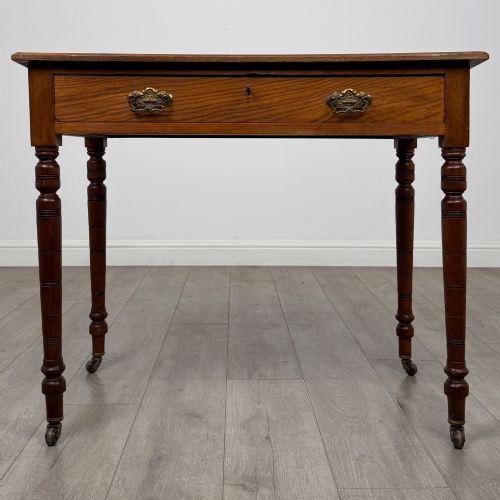
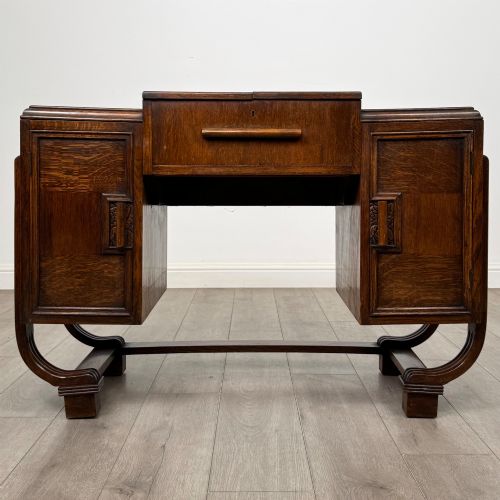
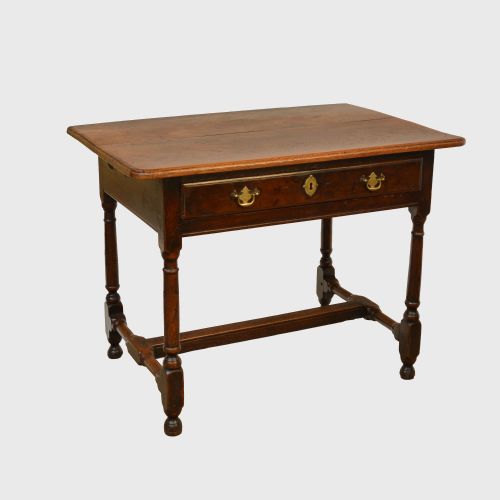
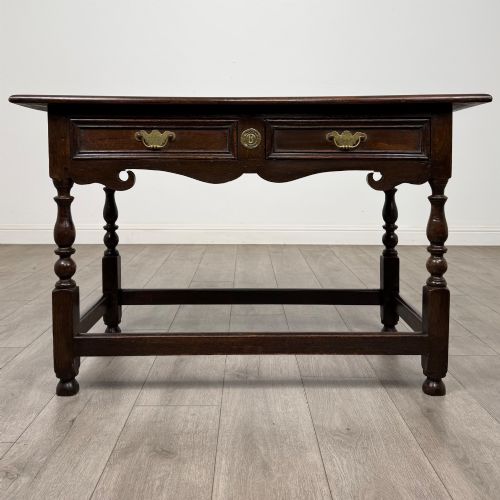
Oak Dressing Table Desk
These oak dressing table desk pieces combine practical surface space with fitted storage, offering sturdy daily utility in timeless timber.
Oak Dressing Table Desk
An oak dressing table desk bridges the gap between a domestic writing surface and a personal grooming station, utilising solid timber construction. When browsing this selection, buyers frequently encounter pieces originating from the eighteenth century up through the nineteen-thirties, spanning periods such as Georgian, Edwardian, and Art Deco.
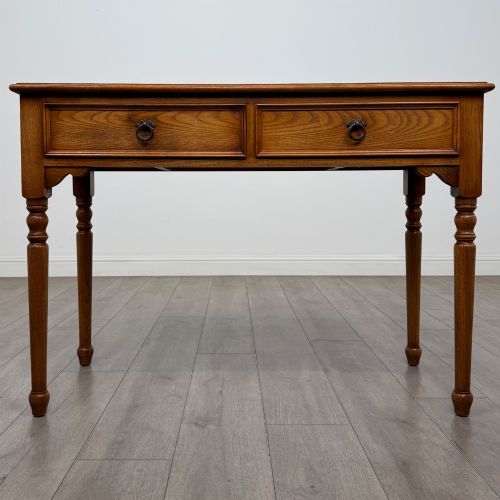
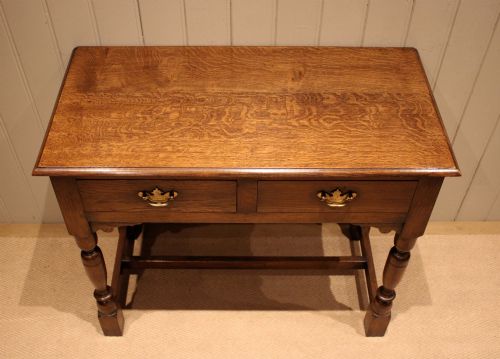
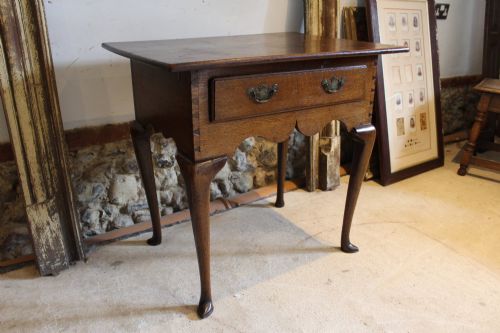
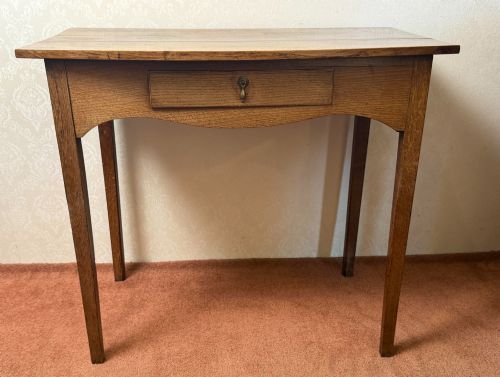
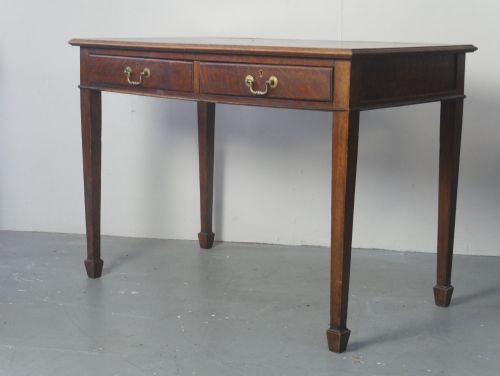
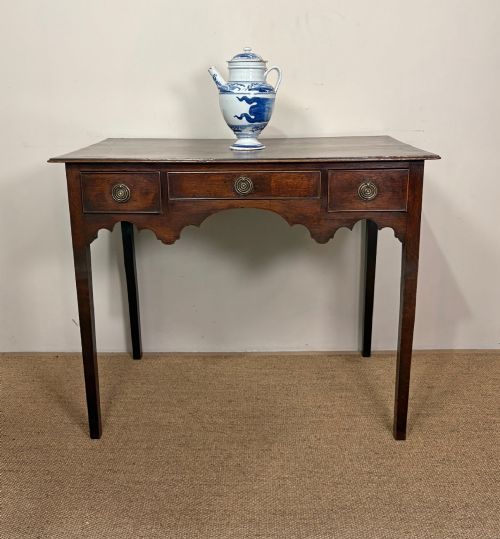
The forms vary across side tables, lowboys, and designated writing desks, often equipped with practical drawers for storage. Many examples bridge multiple functions, shifting from a bedroom dressing setup to a study desk depending on the fitted interior and the presence of a mirror or washstand elements.
Materials and construction methods
Cabinet makers relied heavily on solid oak, occasionally combining it with secondary woods such as elm, yew, and mahogany, alongside accents of walnut. Construction often incorporates brass handles and pulls, leather writing inserts, and fitted glass components.
Joinery techniques range from eighteenth-century pegged frames to twentieth-century panel construction. Makers utilised applied carving, turned legs, and specialised finishes like limed oak to alter the appearance of the timber.
The listings here include periods ranging from the eighteenth century and the Georgian era through Victorian, Edwardian, and nineteen-thirty Art Deco designs.
Evaluating quality and execution
The division between standard workshop output and superior craftsmanship rests on the selection of the timber grain and the integrity of the structural joinery. Finer pieces demonstrate careful attention to drawer linings, timber matching, and proportion.
Design sophistication also separates simpler country pieces from high-style examples bearing period characteristics like George II or Arts and Crafts styling. Original hardware and untouched surface patination elevate the standing of any given piece.
Heals
The Oak Dressing Table Desk Glossary
- Lowboy
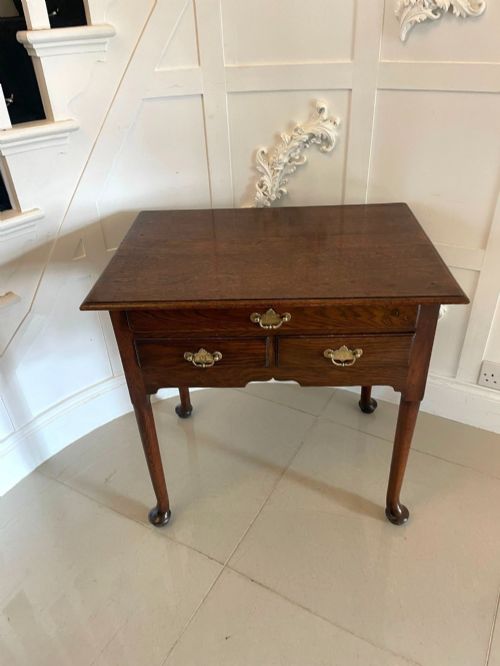
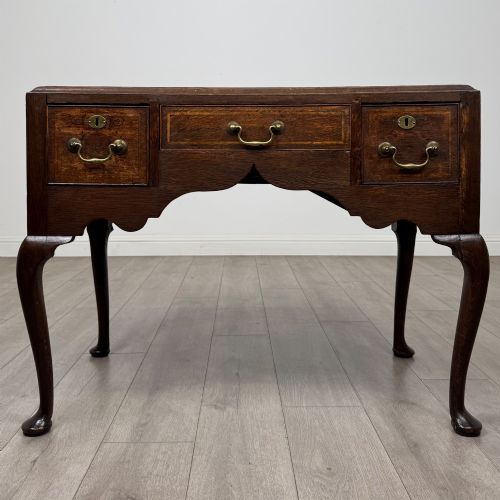
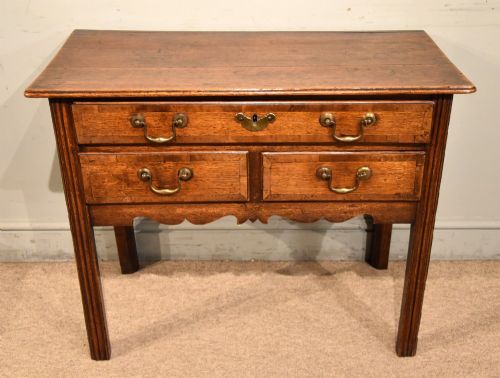
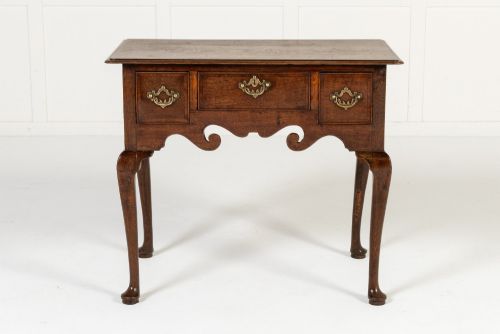
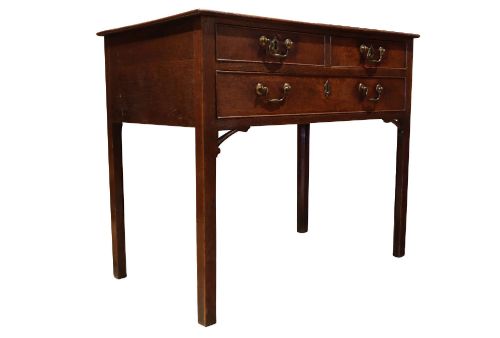
- A small oak table featuring one or more rows of drawers, commonly used as a dressing table or side table during the eighteenth century and earlier periods. These compact pieces typically stand on slender legs.
- George III
- The design period spanning the latter half of the eighteenth century into the early nineteenth century. Furniture from this era emphasises classical proportion and refined timber selection.
- Art Deco
- A twentieth-century design style prominent around nineteen-thirty, characterised by geometric forms and streamlined surfaces. Pieces from this era often utilise limed oak or contrasting metal details.
- Dressing chest
- A bedroom cabinet combining drawers with a surface for grooming or writing, frequently incorporating a mirror. Edwardian and later examples often bear manufacturer labels.
- Side table
- A versatile rectangular table intended to stand against a wall, serving multiple domestic functions. These items frequently form the structural basis for desks and dressing tables in the evidence.
Oak Dressing Table Desk: Frequently Asked Questions
How do I date an oak desk?
Dating relies upon examining the construction methods, handle hardware, and secondary timbers used within the drawers. Eighteenth-century pieces generally show hand-cut joinery and pegged frames.
Later twentieth-century examples display machine-cut elements and distinct styling cues like Art Deco geometry or Edwardian simplicity.
Were these used for writing or dressing?
Many of these pieces served dual purposes as both writing desks and dressing tables depending on the room and the owner's needs. Fitted drawers and kneehole spaces accommodated paperwork as easily as grooming items.
Side tables and lowboys were routinely adapted for writing or personal care by adding a mirror or chair.
What is a lowboy table?
A lowboy is a low table with drawers, built primarily during the eighteenth century in oak or walnut. They served as dressing tables, side tables, or compact writing desks in period homes.
The form is distinguished by its short stature and functional drawer configuration beneath the top surface.
How do I care for oak furniture?
Solid oak benefits from regular dusting with a dry cloth and occasional treatment with a traditional beeswax to nourish the timber. Direct sunlight and sudden changes in room temperature should be avoided to prevent splitting.
Keeping the surface clear of excessive moisture protects both the wood grain and any leather or glass inserts.