
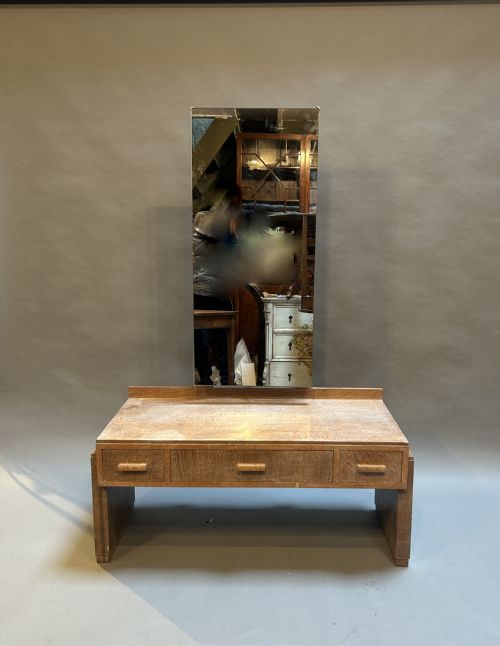


1930s Oak Vanity Table
These 1930s oak vanity table examples combine solid construction with period character, offering practical bedroom storage alongside striking modernist design.
1930s Oak Vanity Table
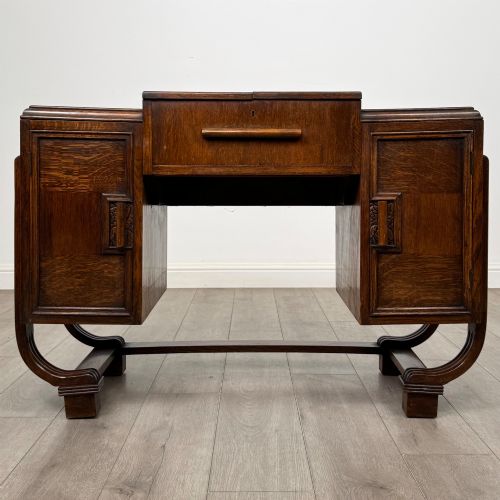
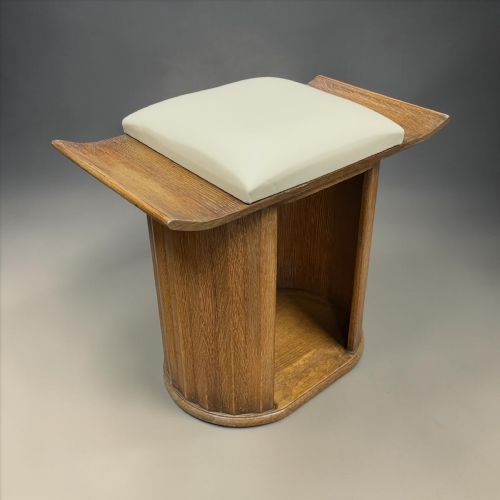
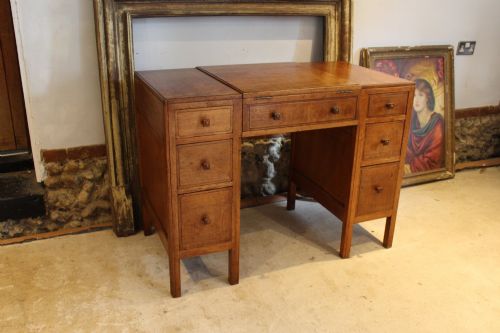
A 1930s oak vanity table brings genuine interwar utility and period charm to a modern bedroom. You will encounter various forms here, ranging from compact dressing chests to twin pedestal dressing tables complete with matching stools.
While the search specifies the thirties, the actual pieces span the Edwardian era through to the 1930s. The predominant style is Art Deco, though you will also find robust Arts and Crafts traditions and Cotswold School influences represented in the wood.
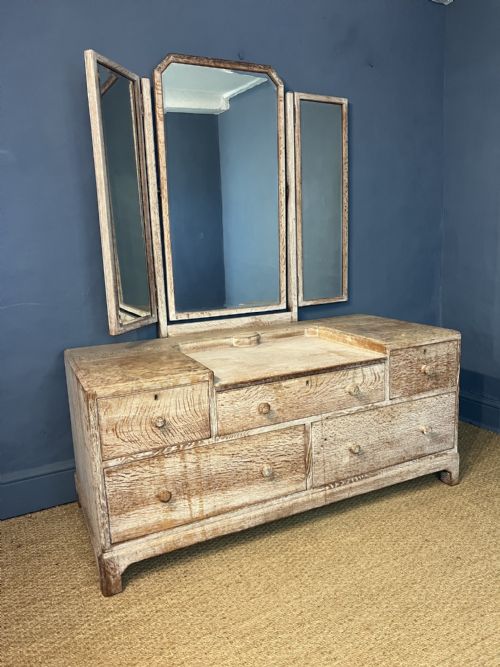
Most examples rely on the natural grain of oak, sometimes treated with a pale limed finish to modernise the surface. Makers embraced clean geometric lines, occasional marquetry inlay, and integrated mirrors to create functional yet decorative furniture.
Materials and construction
Makers utilised solid oak and oak veneers as the primary structure for these dressing chests and tables. The timber was selected for durability and finished to highlight natural grain patterns, occasionally receiving a pale limed treatment for a contemporary aesthetic.
Glass and mirror components were integrated into pivoting or fixed frames above the desktop surface. Metal hardware and occasional leather details completed the construction, balancing utility with the decorative demands of the period.
Some dressing chests arrived with such unusual configurations of drawers that getting dressed must have felt like solving a polite wooden puzzle.
Assessing quality and craftsmanship
Quality in these pieces rests upon the integrity of the timber selection and the precision of the joinery. Superior examples demonstrate careful attention to grain matching across drawer fronts and harmonious proportions in the overall carcase.
Attribution to notable firms or distinctive regional workshops elevates a piece beyond standard commercial production. Thoughtful hardware choices and subtle decorative details like marquetry separate standard manufacturing from exceptional interwar design.
Heal And Sons·Gaylayde·B Cohen And Sons
The 1930s Oak Vanity Table Glossary
- Art Deco
- A design style characterised by sleek geometric shapes, streamlined forms, and modern materials popular during the interwar period. It emerged as a radical departure from heavy Victorian ornamentation.
- Limed oak
- Timber treated with a specialised white finish that settles into the open pores of the wood. This technique highlights the grain pattern and lightens the overall tone.
- Cotswold School
- A British craft movement focusing on traditional hand-working methods and honest construction using solid woods. Pieces from this tradition emphasise the natural qualities of the timber.
- Marquetry
- The art of applying small pieces of veneer to a structure to form decorative patterns or pictures. Craftsmen used contrasting wood tones to create geometric motifs on drawer fronts.
1930s Oak Vanity Table: Frequently Asked Questions
Are these dressing tables suitable for modern bedrooms?
Their compact proportions make them practical for contemporary spaces while providing useful surface area and drawer storage. The warm tones of oak integrate easily with various interior schemes.
Many examples include matching stools or chairs, offering a complete and functional seating arrangement for daily use.
What is the difference between Arts and Crafts and Art Deco pieces?
Arts and Crafts pieces emphasise visible hand craftsmanship and the natural qualities of solid timber. They often display simpler, robust forms rooted in traditional woodworking.
Art Deco items lean towards stylized symmetry, geometric marquetry, and a more polished modernist aesthetic. Both styles appear across the selection available on this page.
How should I care for limed oak furniture?
Dust the surface regularly with a soft, dry cloth to prevent the accumulation of grit. Avoid using silicone-based polishes that can alter the pale finish within the wood grain.
Keep the piece away from direct heat sources and strong sunlight to protect the timber and any original mirror glass from degradation.