




Oak Correspondence Box
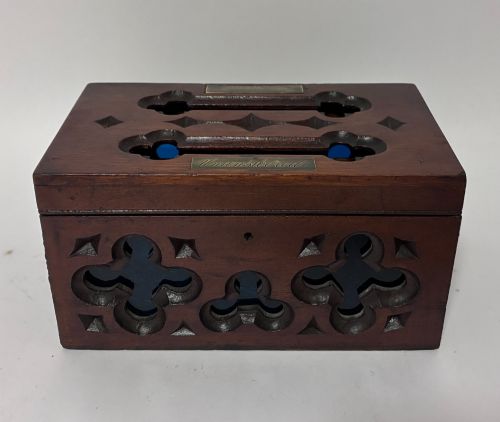
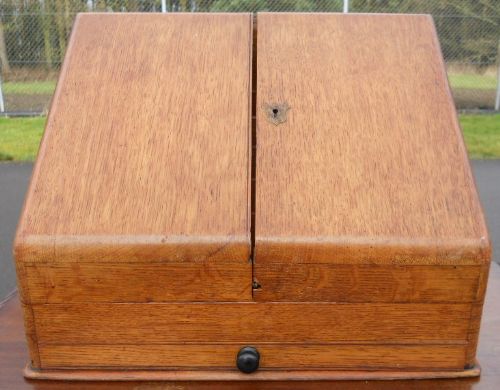
These oak correspondence boxes are practical Victorian and Edwardian desk accessories designed to hold stationery, letters and post.
Oak Correspondence Box
An oak correspondence box is a functional desk accessory intended to keep letters, stationery and post organised. You encounter forms spanning the nineteenth century and the Edwardian period, often tied to Victorian, Gothic Revival or Arts and Crafts styles.
The pieces on this page include stationary cabinets, post boxes and fall front desk tidies. Most examples rely on solid or golden oak timbers, sometimes enhanced with brass mounts or carved details.
Earlier models from the mid nineteenth century sit alongside later Edwardian and nineteen twenties pieces. Each variant offers a compact method for managing correspondence in a study or home office.
How they were made
Maker construction relies heavily on oak, utilising brass for hinges, locks and decorative mounts. Interiors frequently incorporate fitted compartments lined with fabric or leather to hold writing materials securely.
Cabinetmakers applied carving to the exterior surfaces, particularly on Gothic Revival and Arts and Crafts examples. Glass panels and steel hardware occasionally appear on post and letter boxes to aid daily utility.
Oak Correspondence Box Retail Price Guide 2026
Typical asking prices for oak correspondence box among the pieces listed under this phrase on Sellingantiques today, from the lower quarter to the upper quarter. They describe what is for sale here now, not the wider market.
Some nineteenth-century post boxes retain tiny brass slots designed to swallow Victorian pennies alongside your daily letters.
What varies in quality
Quality rests in the depth of the timber grain, the crispness of the oak carving and the integration of brass hardware. Superior pieces display thoughtful joinery and intact interior fittings such as leather or fabric sections.
Plain utilitarian boxes sit at the accessible end of the scale, whilst heavily carved Gothic Revival or fitted Arts and Crafts cabinets represent more ambitious craftsmanship.
The Oak Correspondence Box Glossary
- Correspondence box
- A desk box designed specifically for holding letters, envelopes and writing paper. These pieces keep personal post organised on a desktop.
- Golden oak
- A warm, honey-toned timber finish popular in Victorian and Edwardian furniture production. This shade highlights the natural grain of the wood.
- Fall front
- A hinged front panel that drops down to reveal internal compartments and writing surfaces. It allows quick access to stored stationery.
- Gothic Revival
- A nineteenth-century design style drawing on medieval architectural motifs, pointed arches and heavy carving. It appears frequently on Victorian desk accessories.
Oak Correspondence Box: Frequently Asked Questions
What is an oak correspondence box?
An oak correspondence box is a desktop container created to hold letters, stationery and post. These accessories date primarily from the Victorian and Edwardian eras.
They provide compartments for paper and envelopes, keeping desks tidy in studies and libraries.
How were stationery cabinets used?
Stationery cabinets served as desktop storage for writing materials before the ubiquity of modern postal systems. Households and offices used them to sort incoming and outgoing post.
Drop fronts and lidded compartments allowed quick retrieval of paper and writing instruments during daily correspondence.
How do I date an oak box?
Dating relies on stylistic clues, timber selection and construction methods. Gothic Revival and heavy carvings generally point towards the nineteenth century.
Edwardian and later pieces often exhibit simpler lines or distinct Arts and Crafts influences. Hardware like brass hinges also offers clues to the period of manufacture.
Where should I place a desk box?
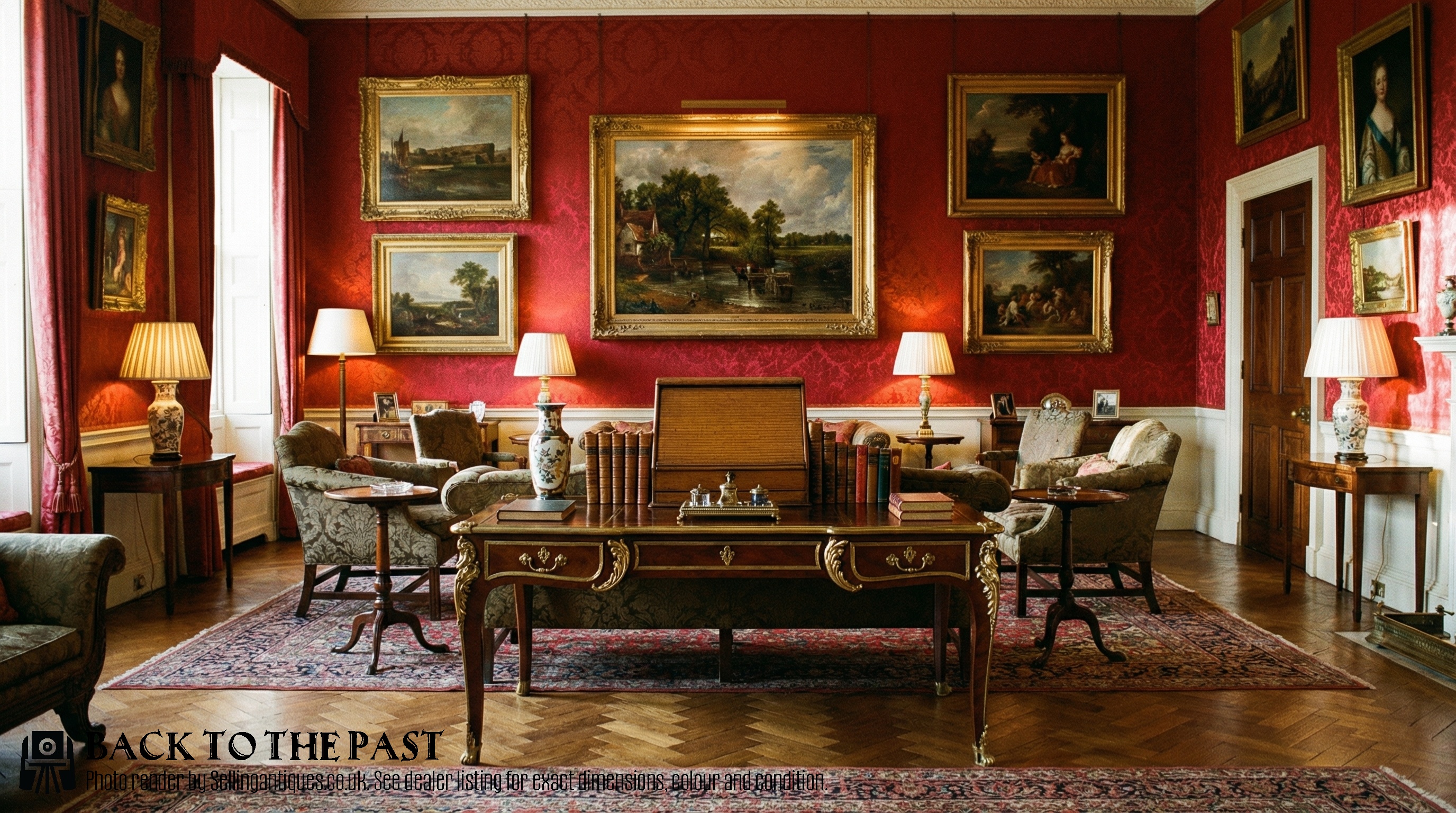
These boxes sit comfortably on desks, side tables or mantelpieces in studies and living spaces. Their compact footprint makes them practical for everyday use.
Keep them away from direct heat sources to protect the oak timber and any internal leather or fabric linings.