


Oak Coffin Stool
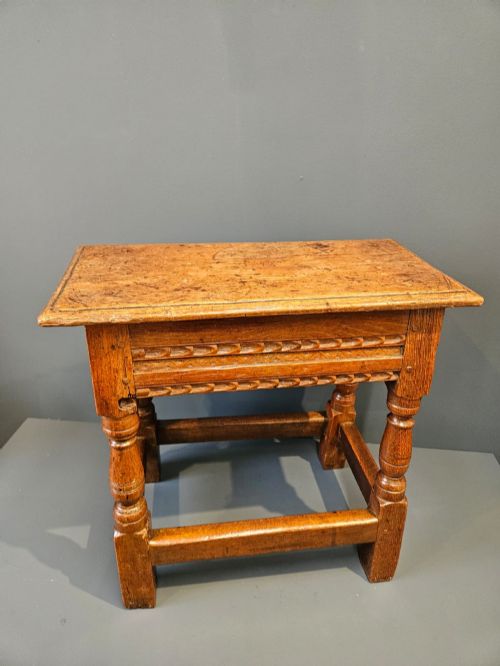
An oak coffin stool brings centuries of solid timber and sturdy joint construction straight into a modern interior.
Understanding oak coffin stools
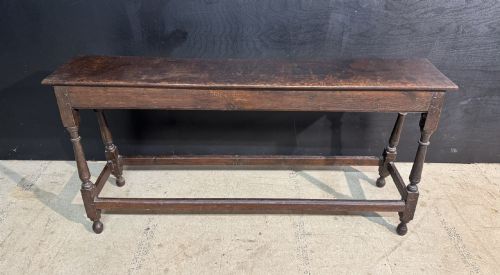
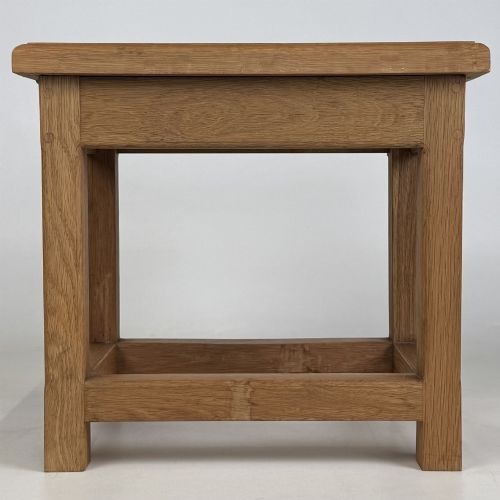
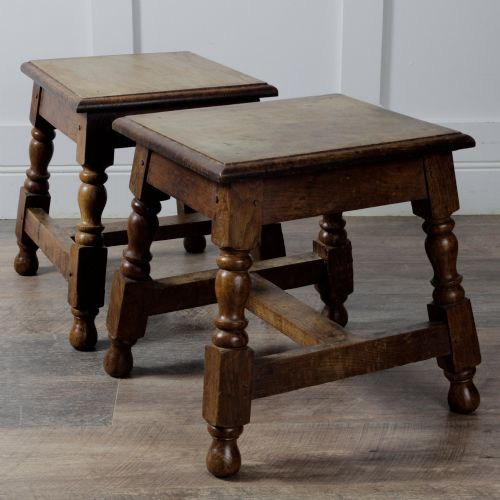
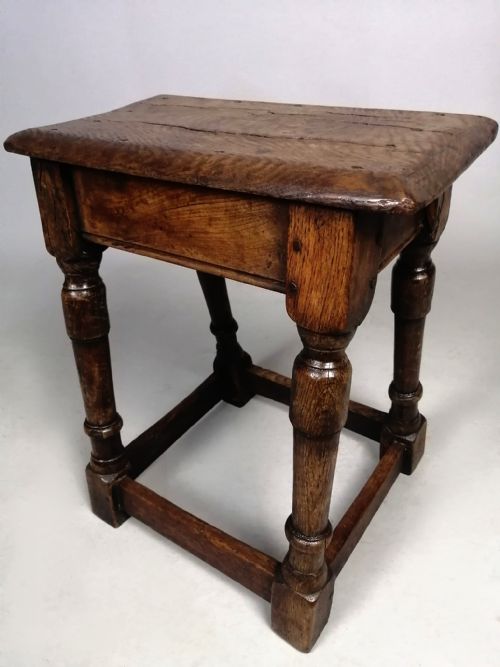
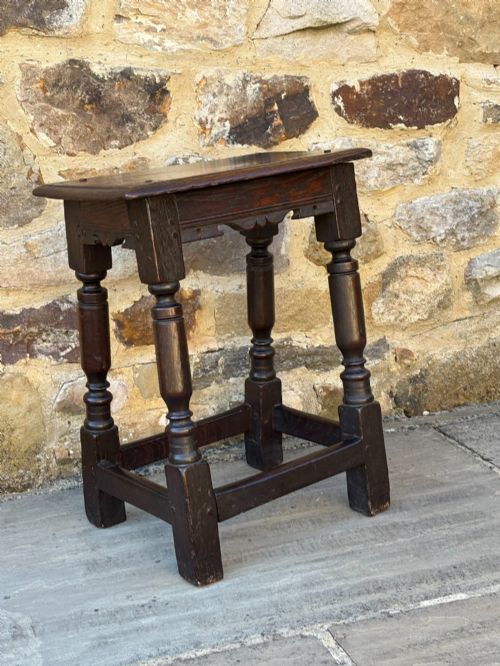
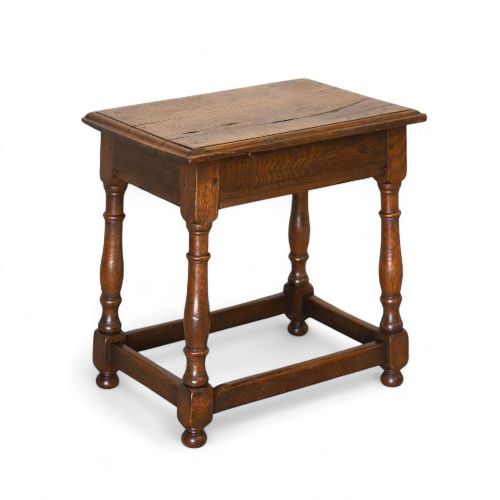
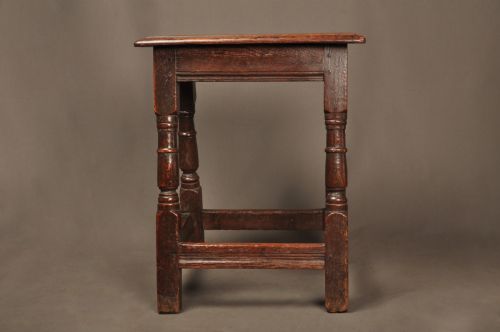
An oak coffin stool is a robust form of seating that shares its sturdy pegged construction with traditional joint stools, often appearing under both names in the historical record. These pieces emerge from periods spanning the mid-seventeenth century through to the Edwardian era and twentieth century, reflecting enduring domestic utility.
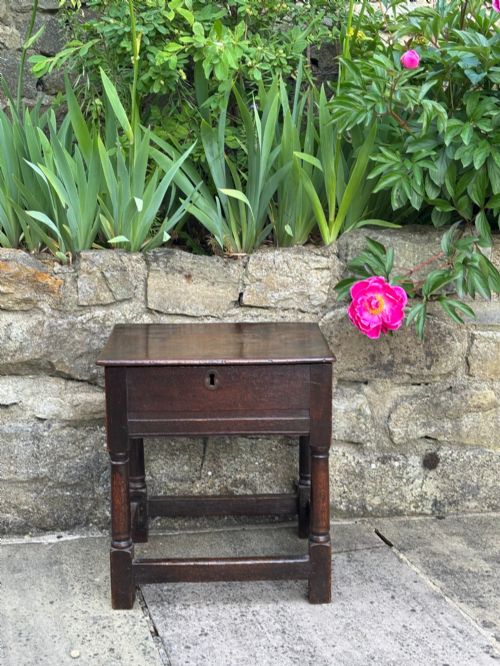
The versions most commonly met on this page range from genuine seventeenth-century examples down to later nineteenth-century interpretations and twentieth-century revivals. They frequently serve secondary roles today as occasional tables, coffee tables or sewing boxes while retaining their heavy timber frames.
Materials and construction
These stools are built entirely from oak, utilising traditional joinery techniques that rely on pegged mortise and tenon joints rather than metal fixings. This construction method creates a rigid, skeletal frame designed to bear heavy loads without wobbling.
Makers shaped the thick timber using hand tools, leaving subtle surface toolmarks and grain patterns that define the unpainted, natural wood finish characteristic of these vernacular furnishings.
Retail Price Guide 2026
Typical UK retail prices for oak coffin stool, calculated from the Sellingantiques database of over a million retail prices indexed since 2003. This retail price guide relies exclusively on Sellingantiques data; no external sources or auction records are used, so the figures do not describe the wider market.
Every single piece recorded in this category is constructed entirely from solid oak timber.
Judging quality in oak coffin stools
Quality in these pieces rests upon the age of the timber, the crispness of the original joinery, and the degree of honest wear accumulated over the centuries. Earlier examples display tighter grain structures and hand-carved details that reflect seventeenth-century craftsmanship.
Later revivals and nineteenth-century interpretations vary according to the weight of the oak selected and the fidelity of the structural proportions, where heavier scantlings generally indicate a superior build.
The Oak Coffin Stool Glossary
- Joint stool
- A sturdy wooden stool built with pegged mortise and tenon joinery rather than turned legs glued into a seat. This form provides exceptional stability and forms the structural basis for coffin stools.
- Jacobean
- A style dating from the reign of James the First, characterised by heavy oak construction and geometric carved decoration. Revivals of this style appear in later centuries.
- Mortise and tenon
- A joint wherein a protruding tongue fits tightly into a corresponding cavity and is secured with a wooden peg. It is the defining structural method of seventeenth-century English joinery.
- Scantling
- The dimensions or thickness of the timber pieces used to construct the frame of the stool. Heavier scantlings generally denote a more substantial piece of furniture.
- Vernacular
- Everyday furniture made by regional carpenters for local domestic use rather than for elite urban patrons. These pieces value utility and stout construction above high fashion.
Frequently Asked Questions
What is an oak coffin stool?
An oak coffin stool is a sturdy wooden seat built with pegged joints, historically used in domestic settings and sometimes associated with resting coffins during parish funerals.
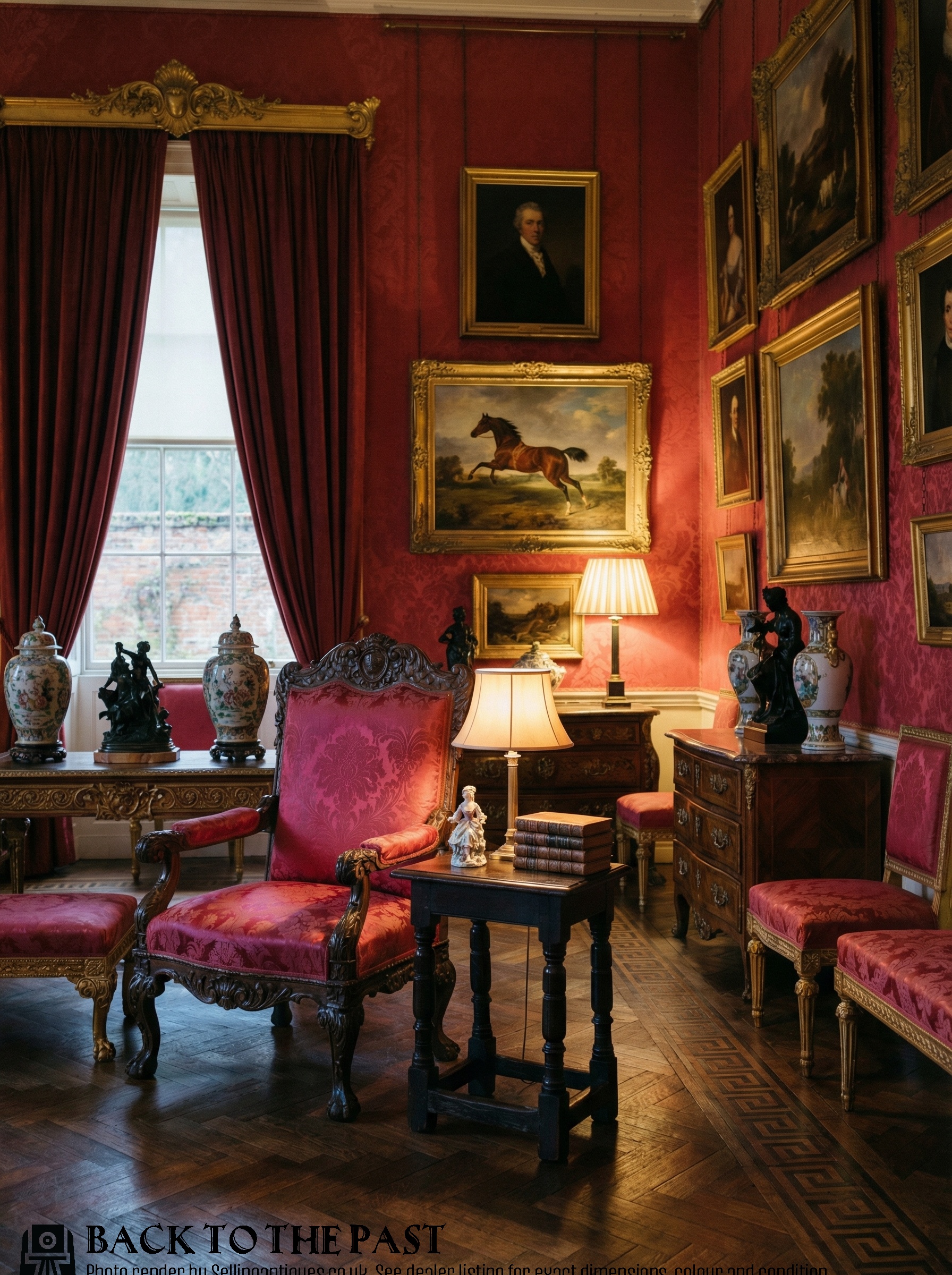
Today, these pieces function primarily as low occasional tables, coffee tables or decorative stands within traditional and eclectic interiors.
How old are these stools typically?
The pieces available range from authentic mid-seventeenth-century examples down to nineteenth-century interpretations and twentieth-century revivals built in the same vernacular style.
Earlier pieces show the deep patination and hand-tool marks of the 1600s, whilst later versions reproduce those traditional proportions.
Can I use a coffin stool as a table?
Many buyers utilise these sturdy timber stools as coffee tables, side tables or sewing boxes because their flat tops and robust frames suit modern living spaces.
Their compact footprints make them versatile surfaces that easily fit beside sofas or chairs.
How do I identify a joint stool?
A joint stool is distinguished by its rectangular frame, straight legs connected by stretchers, and exposed pegged joints rather than modern screws or nails.
This construction method distributes weight evenly across the entire wooden skeleton.
Are these stools made from solid oak?
The listings on this page consist entirely of solid oak timber, reflecting the primary material used by traditional English carpenters for this furniture type.
Solid oak develops a rich surface patina over centuries of handling and polishing.