

Oak Clocking in Clock
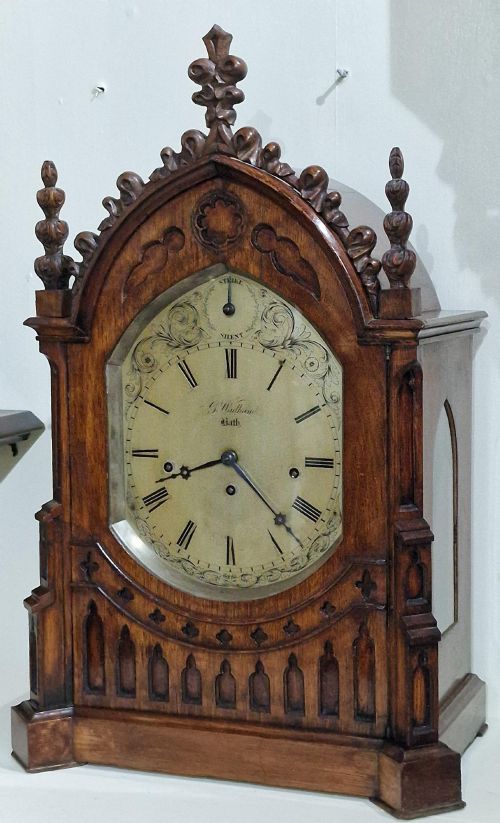
An oak clocking in clock records time and attendance, bringing industrial heritage and solid timber presence into a workspace or hallway.
Oak Clocking in Clock
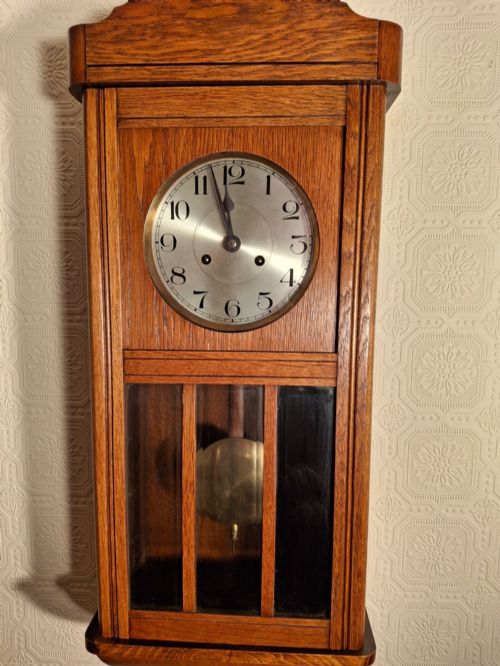
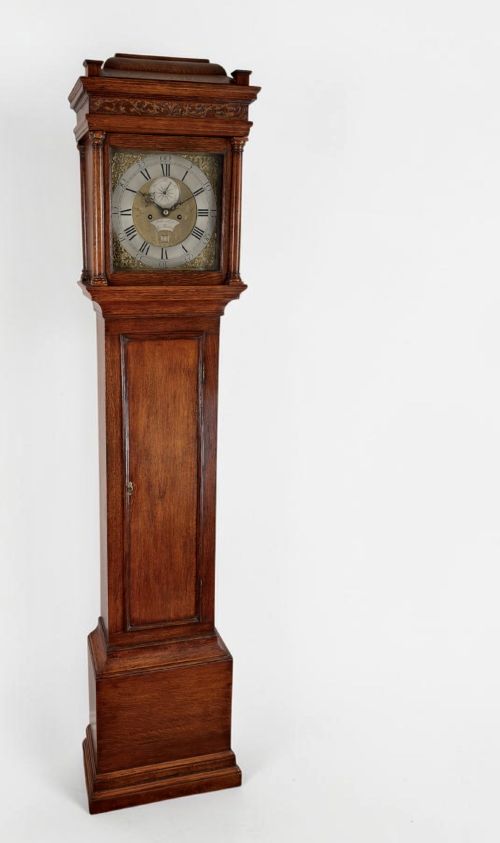
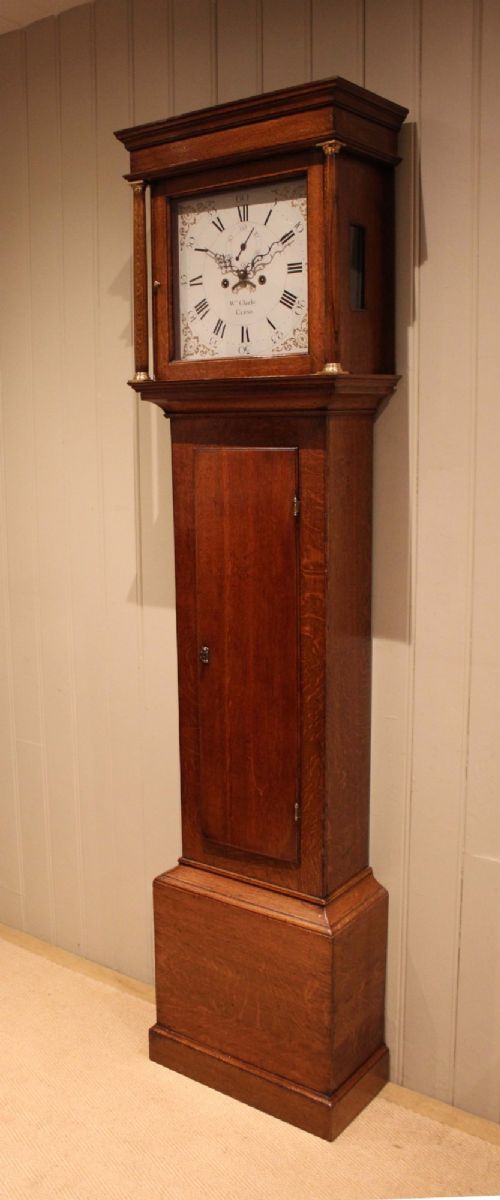
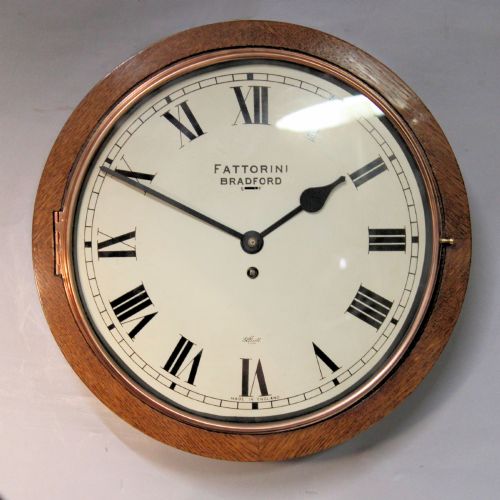
When you search for an oak clocking in clock, you look for timing and recording instruments housed in sturdy timber cases. The selection spans utilitarian time recorders and related timepieces built from sturdy hardwoods.
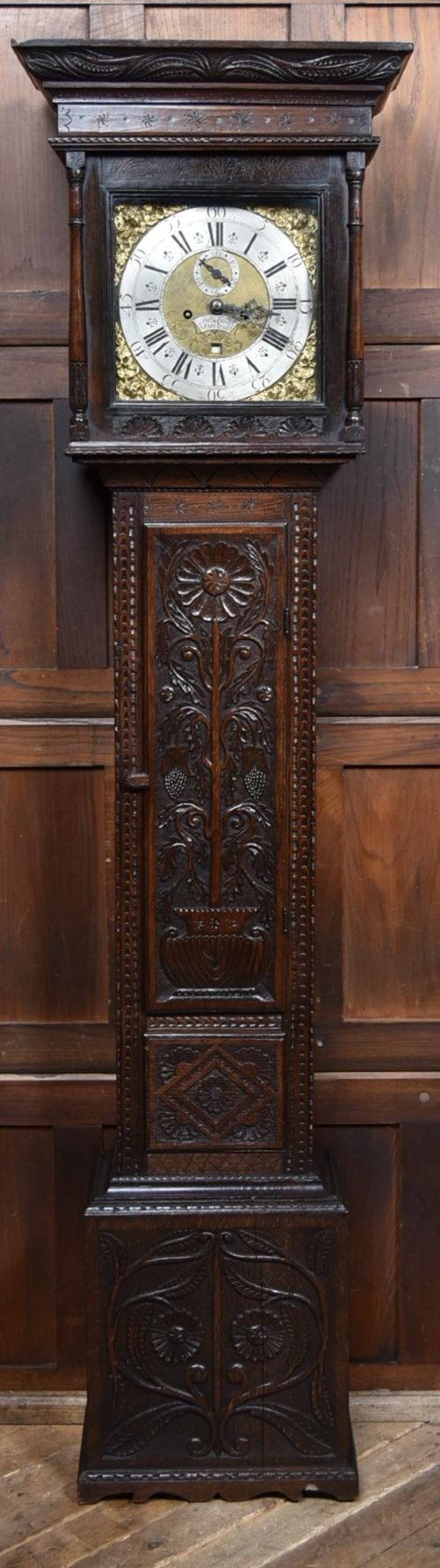
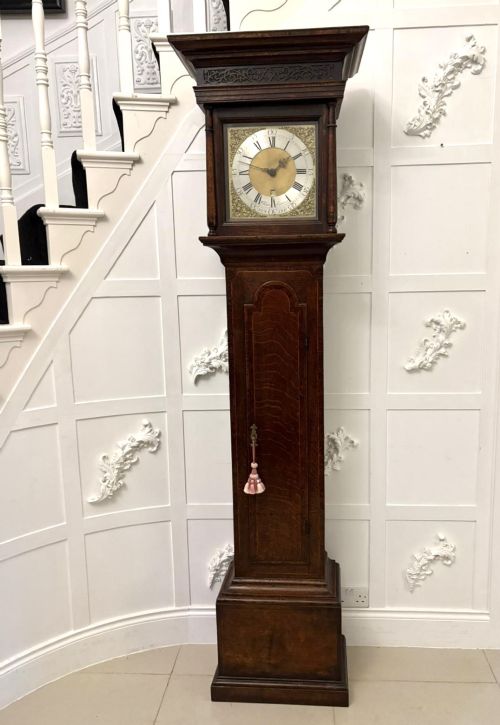
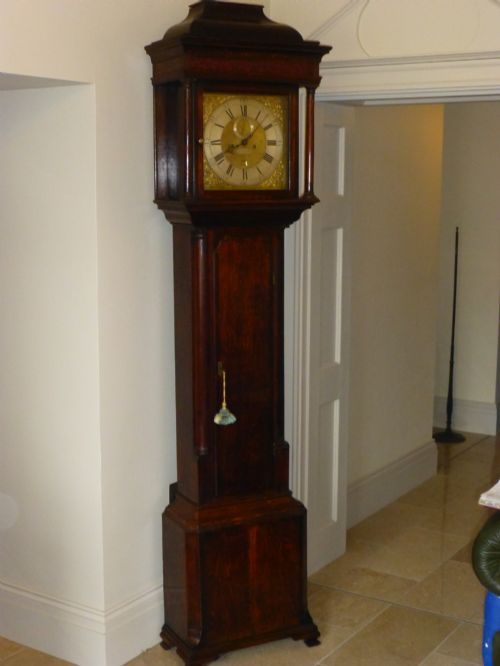
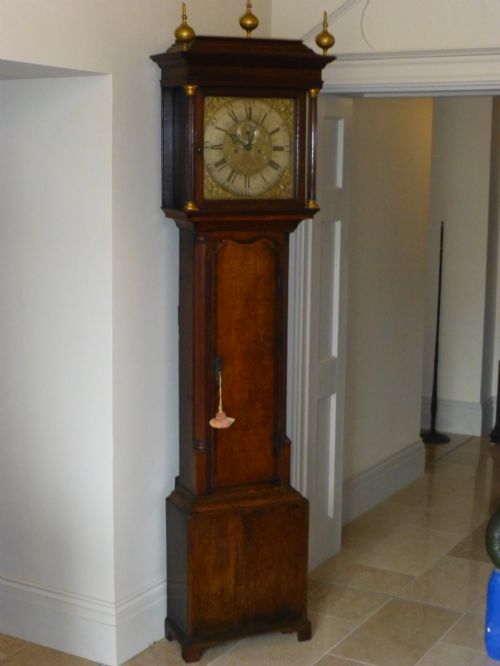
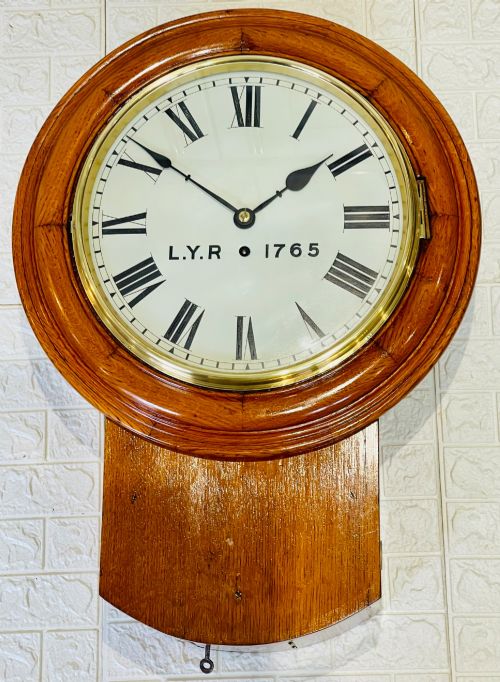
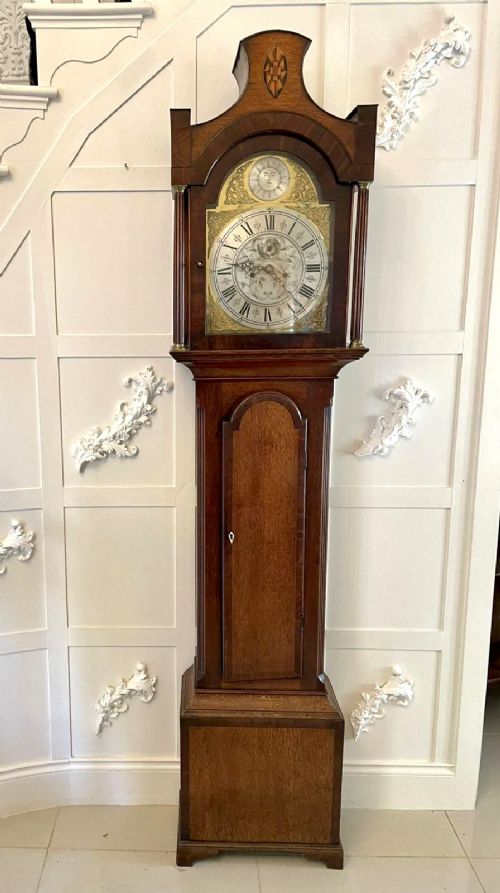
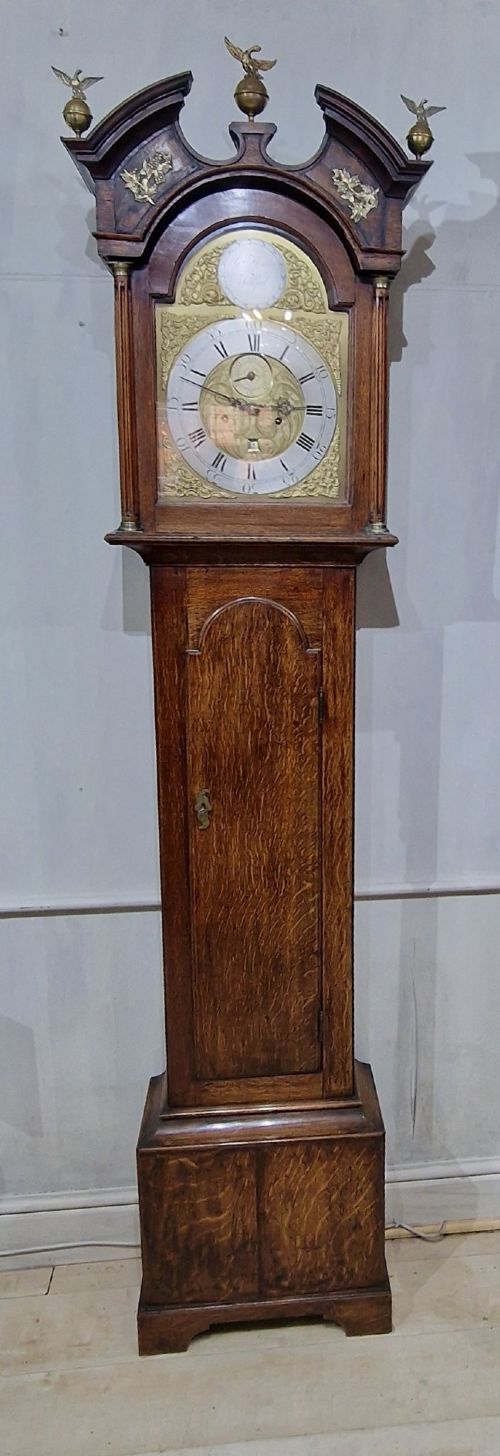
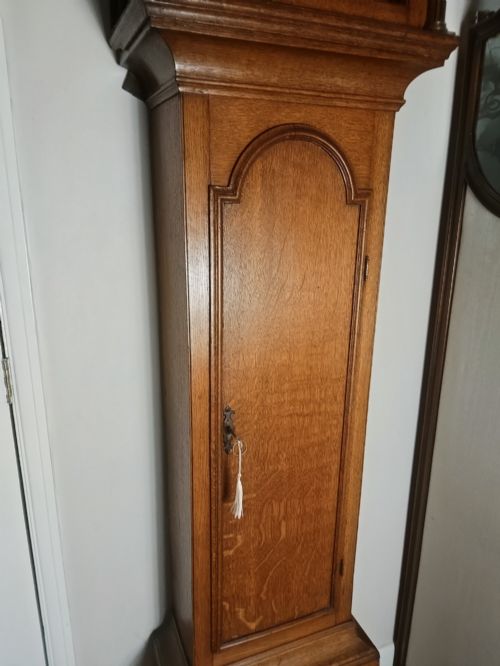
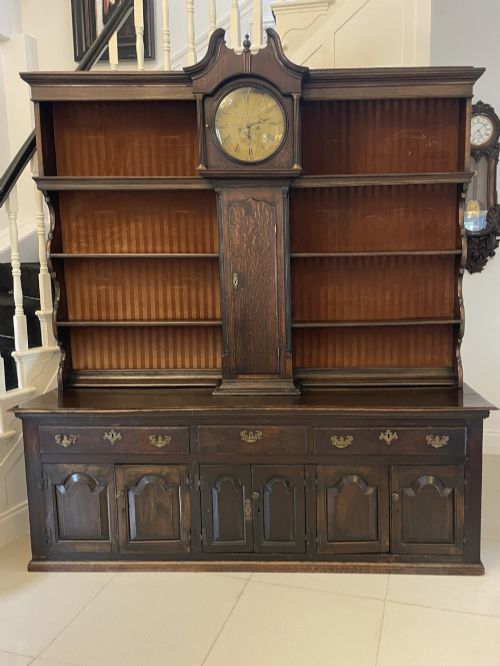
Longcase clocks, wall dials, and mantel pieces appear alongside the workplace recorders. Examples range from eighteenth-century provincial longcases to twentieth-century industrial dial clocks.
Origins stretch from railway offices and factories to domestic halls. The pieces combine practical timekeeping with regional cabinetry traditions.
What varies in quality
Distinction in quality rests on the sophistication of the movement and the crispness of the timber carving. Regional maker signatures on brass dials separate standard production items from workshop pieces.
The integrity of the oak case, original bevelled glass, and untouched mechanical parts define the upper tier of survivals. Simpler utility models contrast with complex musical or multi-weight longcase movements.
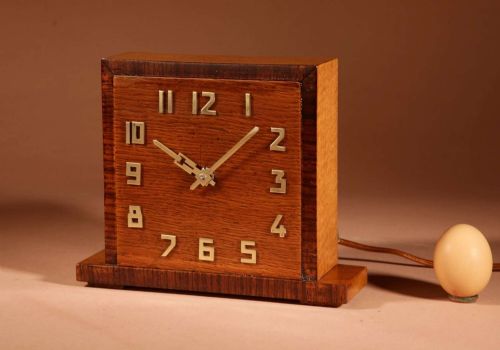
Listings feature oak, walnut, and brass across periods from the eighteenth century through to the Art Deco era.
Lee of Great Marlow·Jn° Smith, Macclesfd·Richard Corless of Stockport·Smith of Chester·James Hendrie, Falkirk·George Wadham, Bath·G.H.& F.W. Bravington London·Hyde & Sons Sleaford·Fisher Of Preston
The Oak Clocking in Clock Glossary
- Fusee
- A conical pulley used in clock movements to maintain even driving force as the mainspring unwinds. This mechanism ensures consistent timekeeping across the duration of the wind.
- Dial clock
- A wall-mounted timepiece featuring a prominent circular face beneath a hinged glass bezel. These units served railway stations, offices, and factories.
- Longcase clock
- A tall pendulum clock enclosed in a wooden case resting on the floor. Also known as grandfather clocks, they house weight-driven movements.
- Escapement
- The mechanical linkage that regulates the release of gear train power to the pendulum or balance wheel. It produces the characteristic ticking sound.
- Chapter ring
- The outer ring on a clock face that displays the hours and minutes. These rings are often silvered brass or painted metal.
Oak Clocking in Clock: Frequently Asked Questions
How do I wind an oak wall clock?
Insert the winding key into the dial aperture and turn it gently clockwise until you feel resistance. Do not overwind, as this damages the mainspring.
Ensure you support the case if it is wall-mounted while operating the key. Regular winding maintains steady tension on the gear train.
Where were these clocks used?
Timepieces and industrial recorders served railway stations, municipal buildings, factories, and domestic hallways. Their robust oak construction withstood heavy daily foot traffic and workplace environments.
Industrial models tracked worker attendance, while domestic versions coordinated household schedules.
How do I date an oak clock?
Examine the dial style, movement type, and timber grain characteristics. Eighteenth-century examples feature brass faces and engraved maker details, while twentieth-century pieces often use electric movements or simpler painted dials.
Cabinetry styles also shift from Georgian architectural proportions to Art Deco geometric forms.
Can these clocks run on modern walls?
Most wall clocks require secure fixing to solid masonry or direct attachment to wall studs. Because the movements rely on precise vertical alignment, hanging them plumb is essential for proper pendulum swing.
Check that the case rests flat against the wall to prevent mechanical binding.