
Oak Candle Table
An oak candle table is a compact, sturdy piece designed to hold light close, bringing centuries of practical English craftsmanship directly into your home.
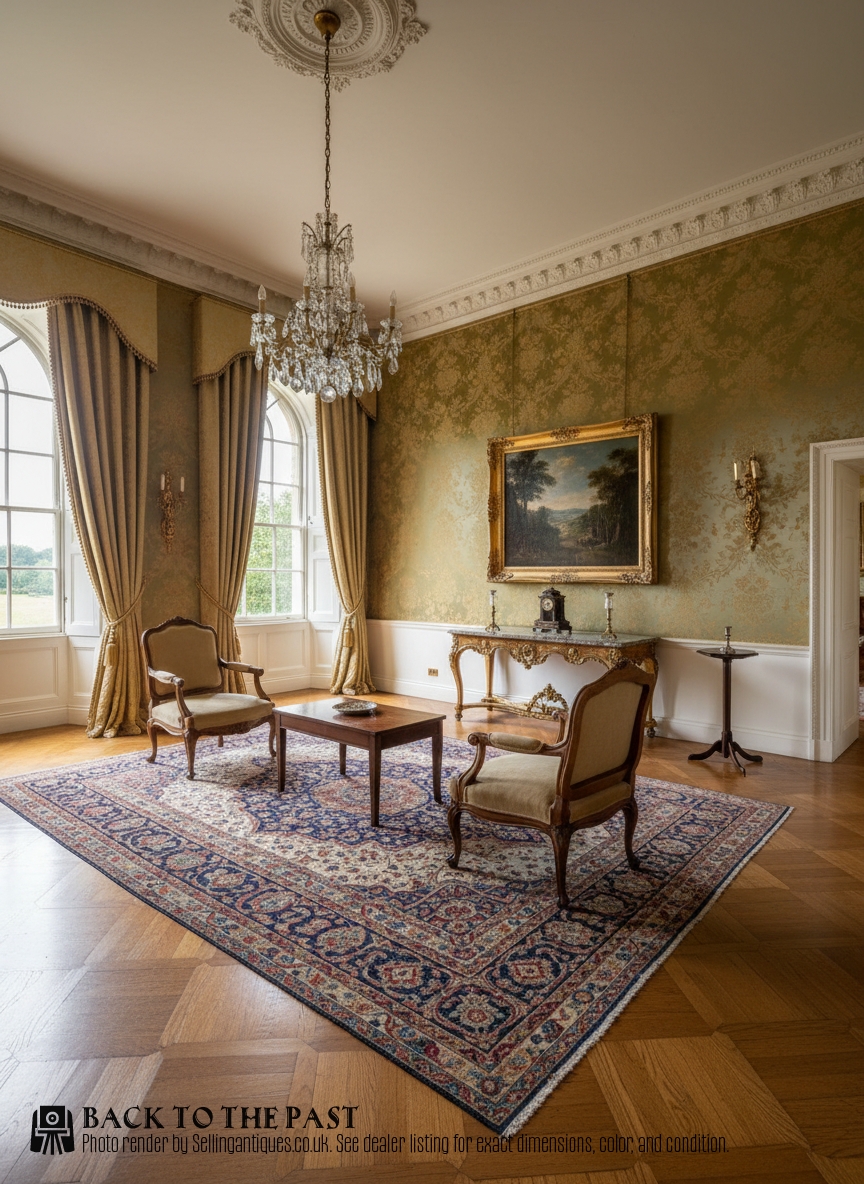
Oak Candle Table
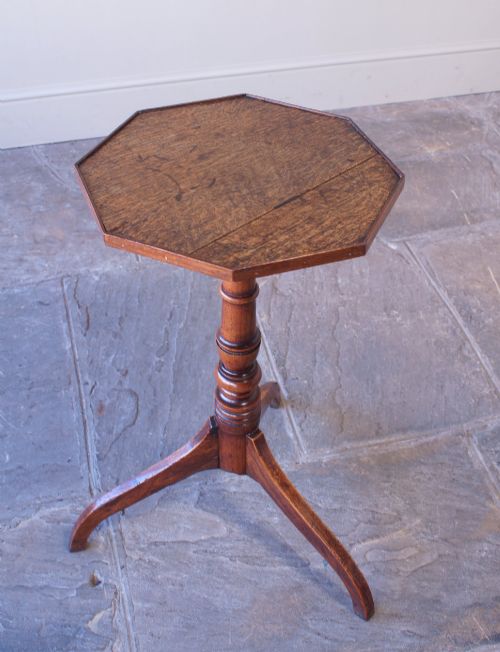
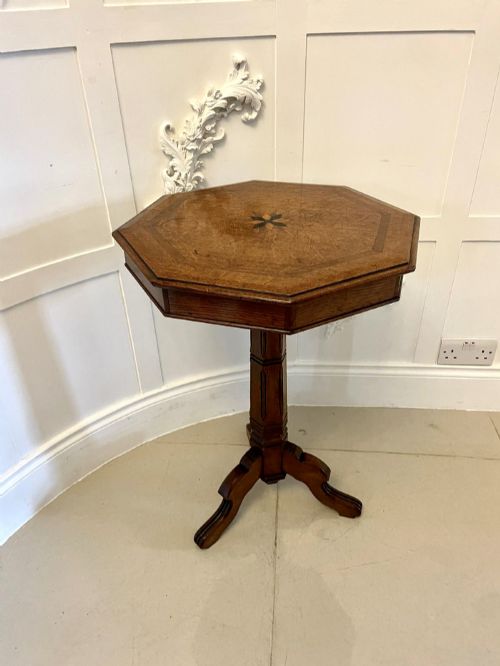
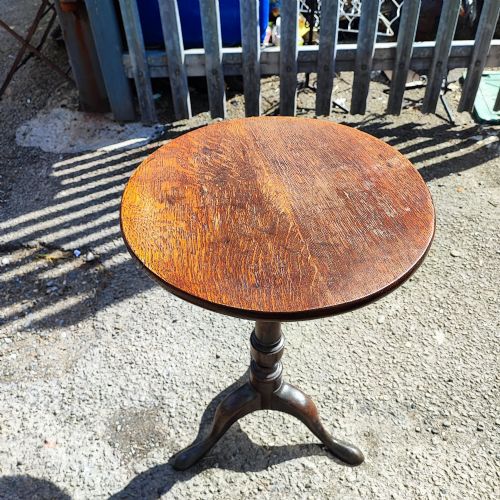
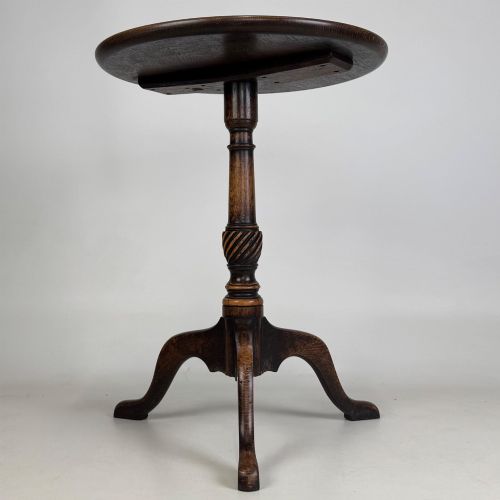
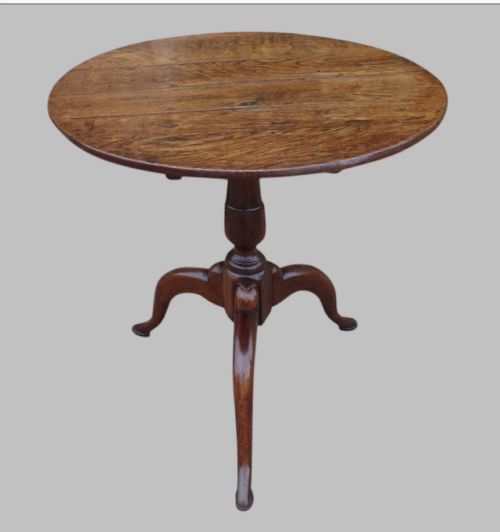
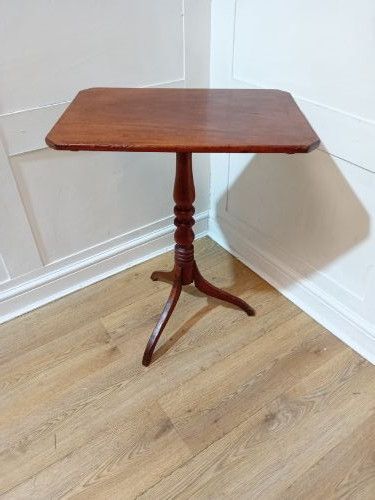
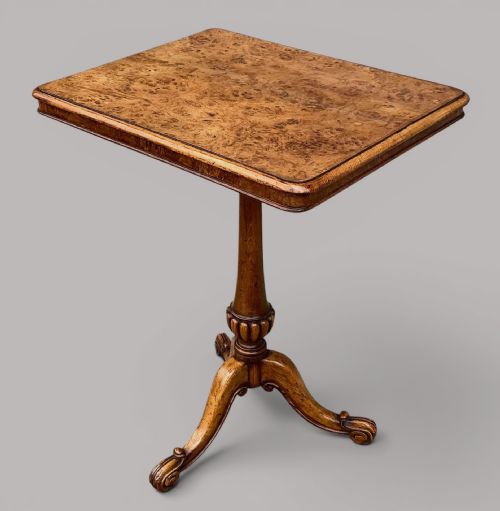
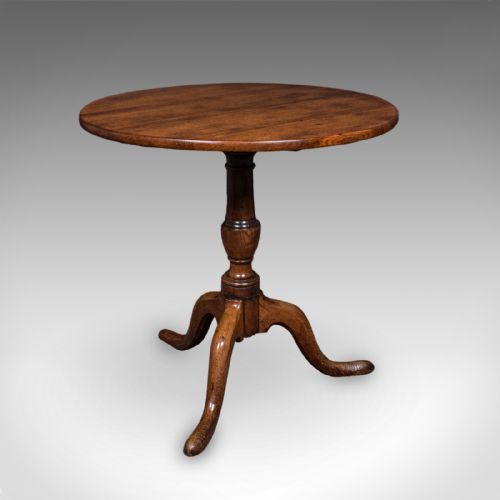
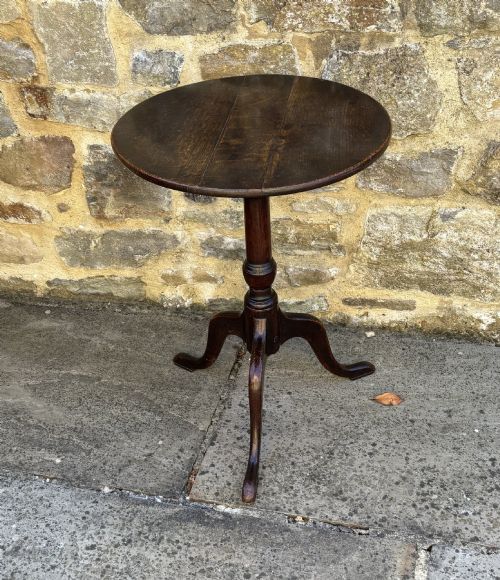
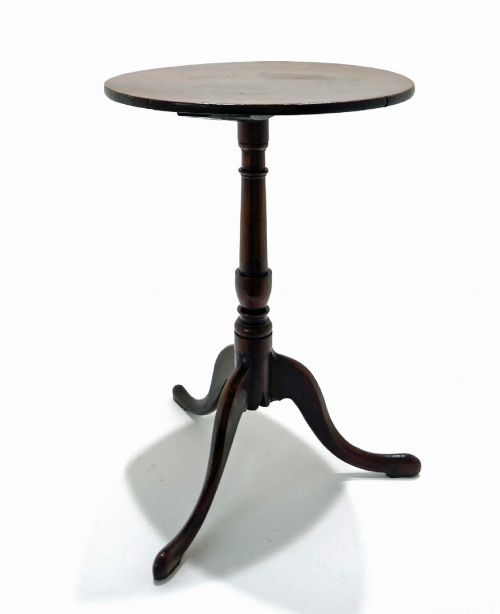
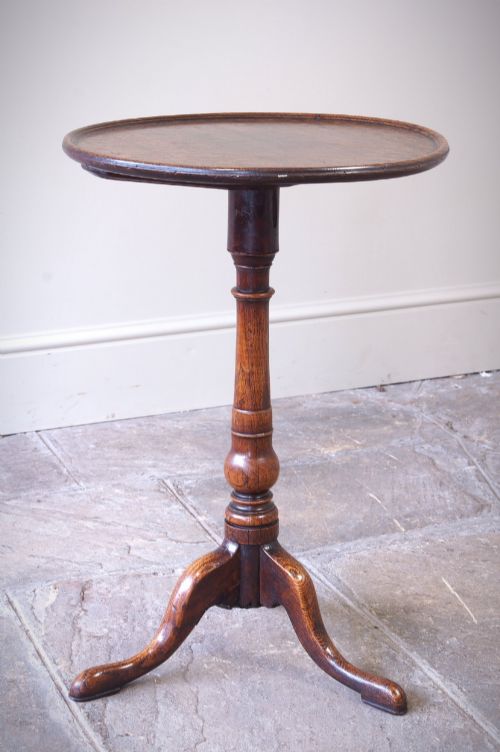
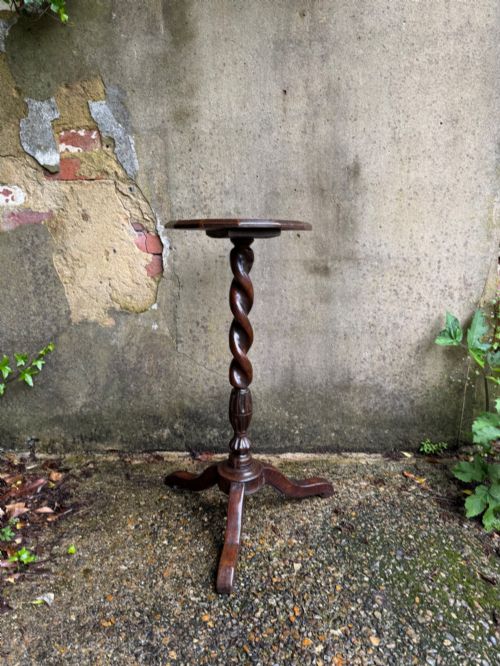
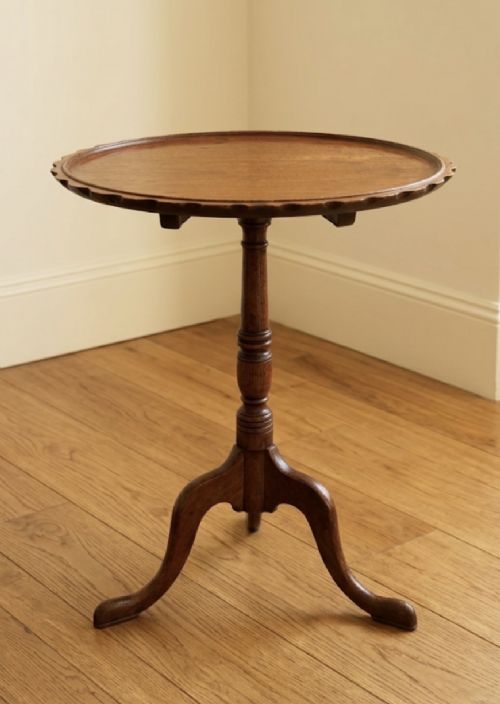
An oak candle table typically appears as a compact tripod table, occasional table, or dedicated candle stand designed to hold a single light source or small lamp close to a chair or bed. These utilitarian pieces date primarily from the 18th century and the Georgian period, though Victorian examples also emerge.
Beyond basic tripod forms, buyers encounter occasional side tables, wine tables, and adjustable stands incorporating elm, fruitwood, and burr oak alongside the primary timber. Each variation reflects the specific domestic needs of the Georgian household, balancing stability with a small footprint.
Materials and construction
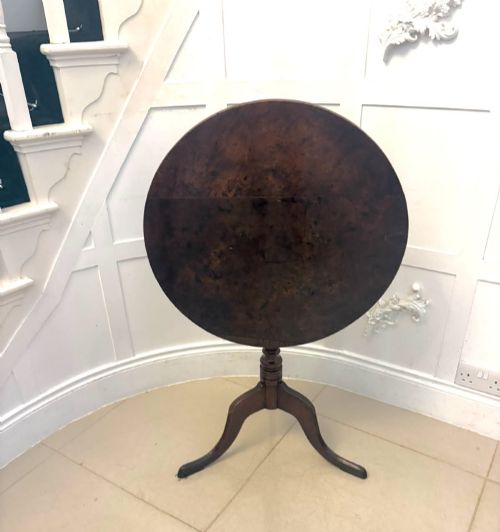
Cabinetmakers built these pieces using solid oak, frequently paired with secondary native timbers such as elm, fruitwood, and beech for legs or structural framing. Burr oak and walnut occasionally appear on tabletops to add decorative grain patterns to utilitarian forms.
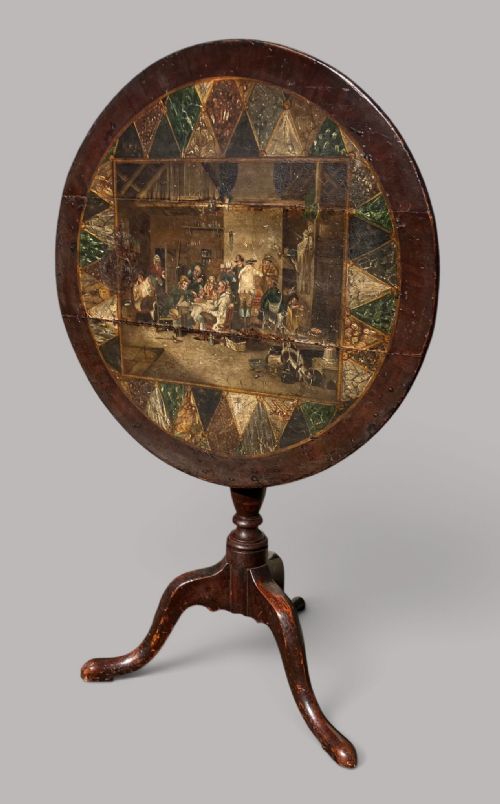
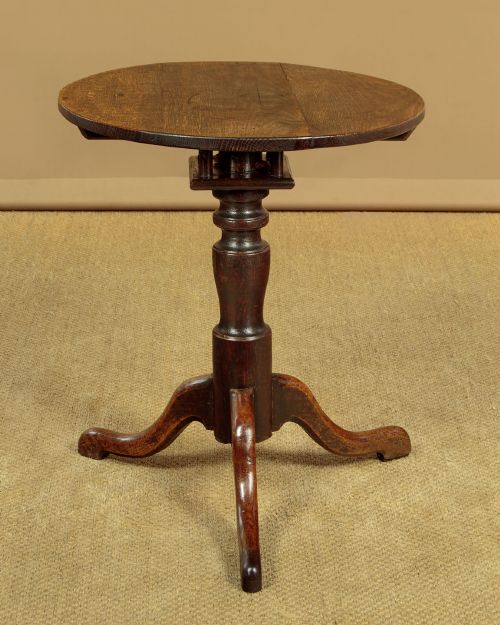
Turned wooden columns connect the solid top to three splayed legs, often utilising pegged joints and tilt-top mechanisms that allow the surface to fold away flat when not in use. Some examples incorporate brass catches or hinges to secure the tilting top.
Listings feature oak candle tables spanning the Georgian, Regency, and Victorian periods, constructed from solid oak, burr oak, elm, and fruitwood.
Distinctions in craftsmanship
The primary marker of quality lies in the balance of the proportions, from the slender turnings of the central column to the graceful splay of the tripod legs. Superior pieces display thoughtful timber selection, such as richly figured burr oak tops, combined with crisp turning and tight joinery.
Patination and surface colour dictate the visual appeal of these tables, separating pieces that retain their original warm, mellow finish from those stripped or overly restored. The integration of functional mechanics, such as smooth tilt-top pivots and stable leg blocks, separates standard country furniture from exceptional vernacular work.
The Oak Candle Table Glossary
- Tripod table
- A small occasional table supported by a central pillar resting on three legs. This construction prevents wobbling on uneven plank floors.
- Tilt-top
- A tabletop hinged to the supporting column so it can be pivoted vertically. This allowed the table to be stored against a wall when not in use.
- Burr oak
- A growth distortion in the timber yielding highly figured, swirling grain patterns. Cabinetmakers prized this wood for decorative tabletops.
- Vernacular
- Everyday furniture made by regional carpenters for local use rather than high-style urban workshops. These pieces prioritise utility and local materials.
- Patina
- The surface sheen and deep colour developed by wood over decades of handling, polishing, and exposure to light.
Oak Candle Table: Frequently Asked Questions
What is an oak candle table used for?
These compact tables originally provided a stable surface for holding a tallow candle or oil lamp beside a chair or bed. Today, they function well as lamp tables, plant stands, or small occasional tables in tight spaces.
Their modest proportions allow them to fit easily beside modern seating while adding historic character to a room.
How do I spot an 18th century piece?
Look for construction details such as pegged tenons, hand- turned columns, and substantial oak timber that shows natural wear and age. Hand-sawn boards and irregular grain patterns often indicate genuine period manufacture.
Examine the underside of the top and the leg blocks for the tool marks and dry patination typical of early country workshop production.
Can I use a tilt-top mechanism safely?
The tilting mechanism is designed to fold the table flat for storage against a wall when not in use. Check that the wooden catch or sliding wedge beneath the top remains intact and operates smoothly before attempting to tilt it.
Avoid leaving heavy items on the surface when the top is tilted, as these tables balance on a single central pivot.
How do I care for antique oak surfaces?
Maintain the wood by applying a quality beeswax polish occasionally to nourish the dry timber and preserve the historic patina. Avoid placing the table in direct sunlight or near radiators, which can cause the solid oak boards to split or warp.
Use coasters beneath drinks and damp objects to protect the historic polish and underlying wood from water rings.