
Oak Bookcase with Cupboard
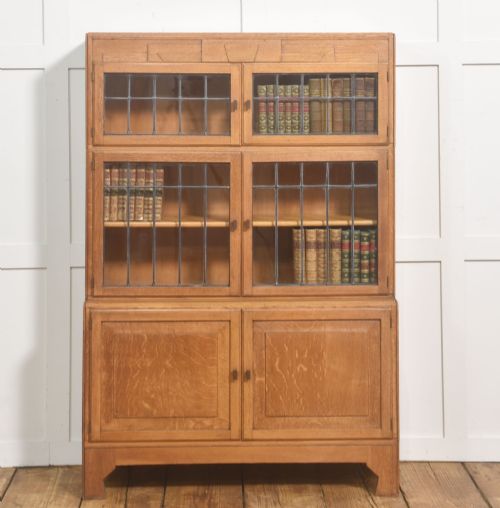
An oak bookcase with cupboard combines upper shelving for display with lower storage, offering a practical solution for books and household items.
Oak Bookcase with Cupboard
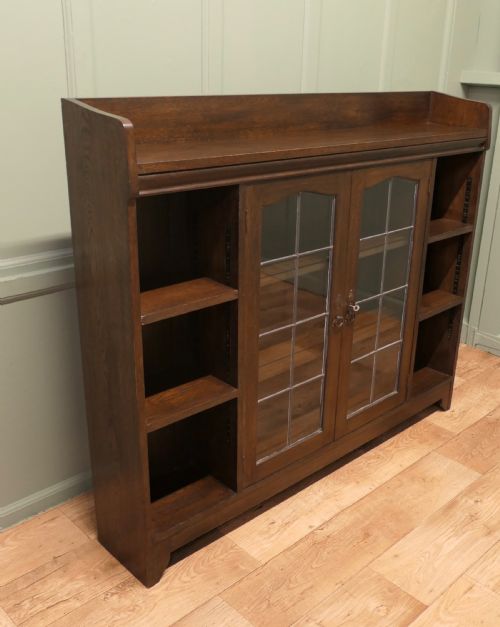
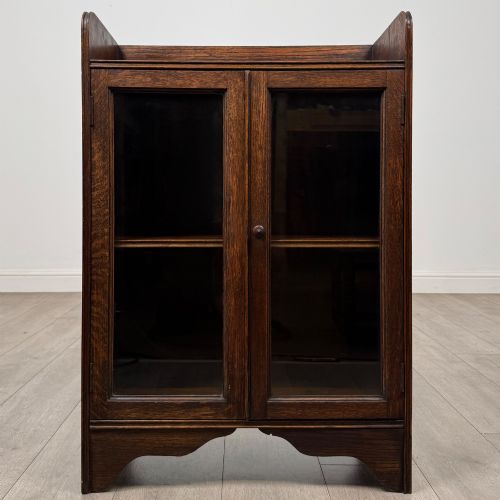
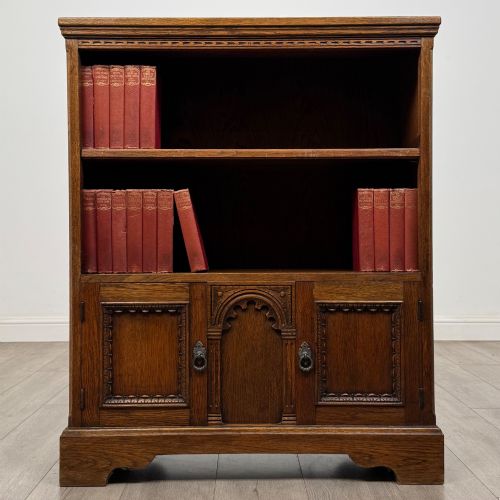
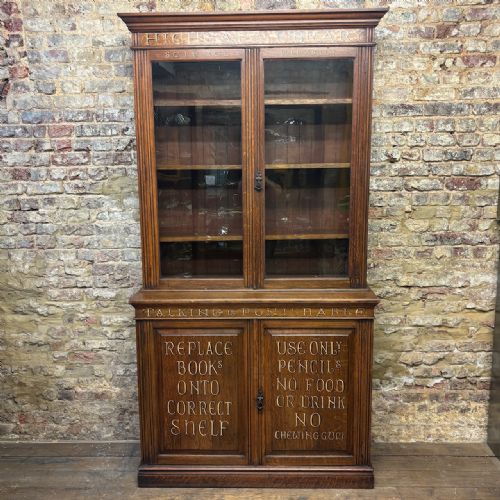
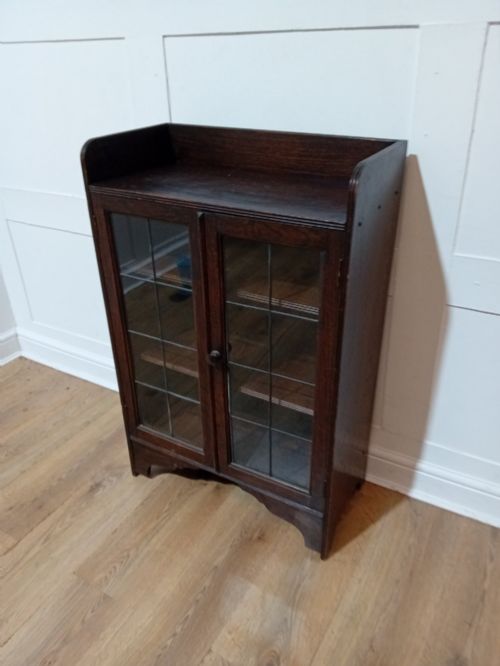
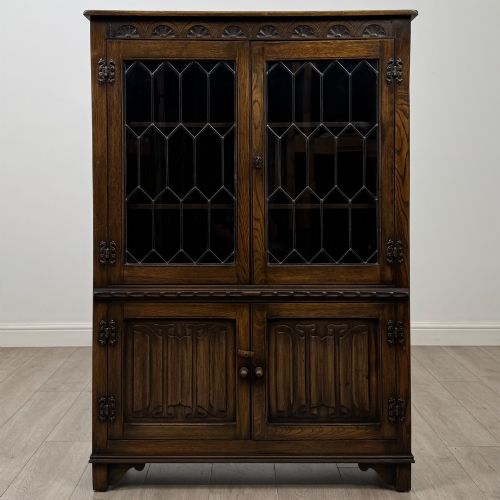
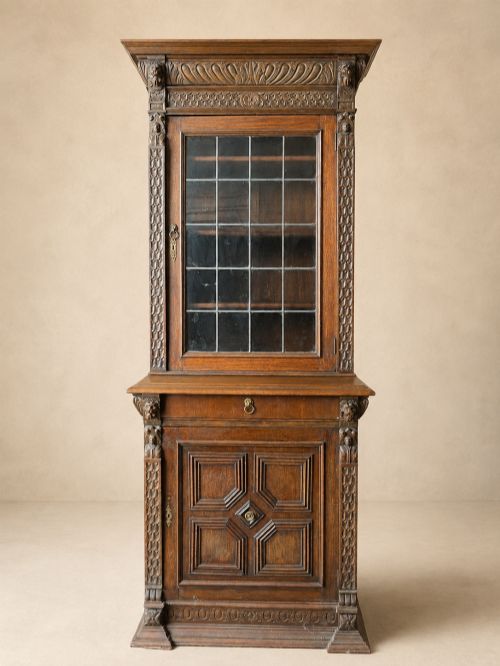
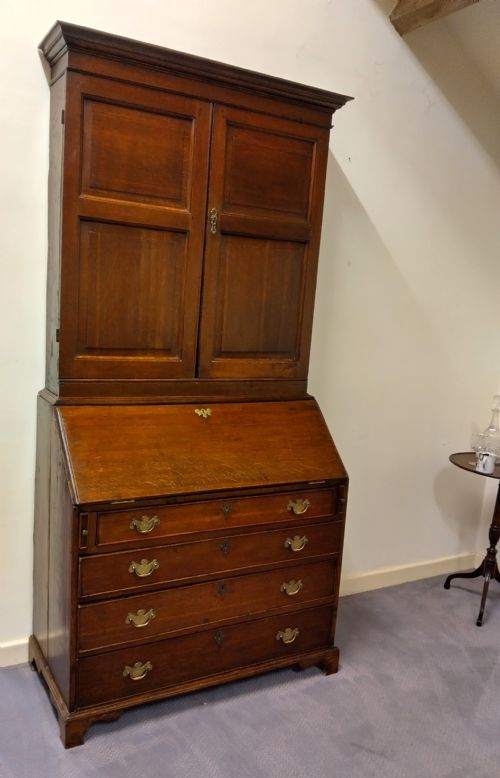
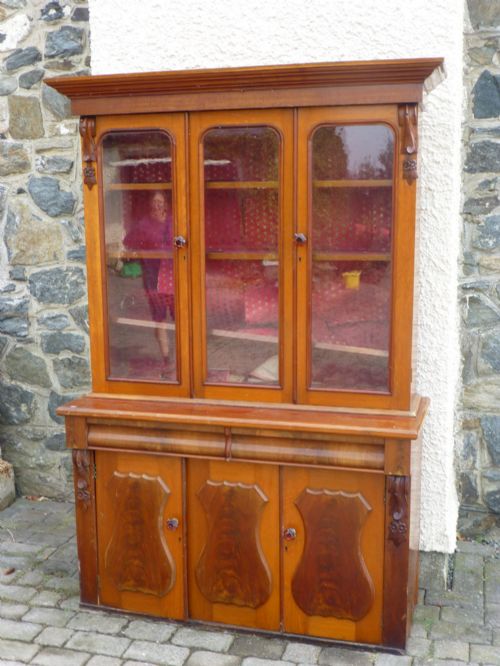
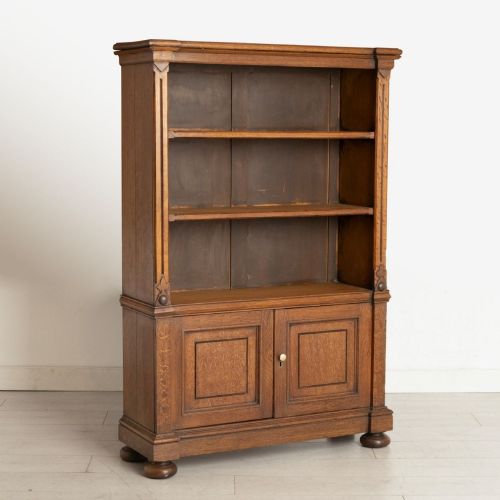
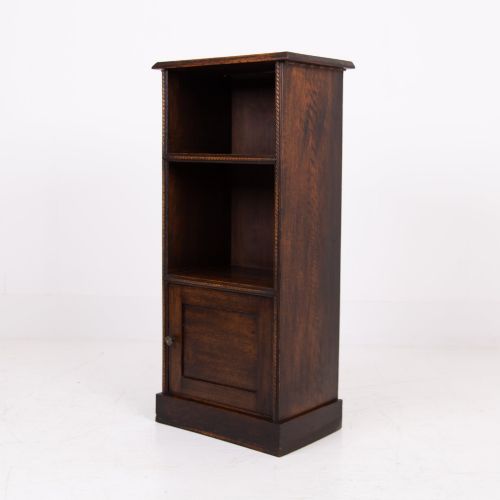
An oak bookcase with cupboard merges upper open or glazed shelving with enclosed lower storage, fulfilling two distinct domestic functions within a single timber frame. You will frequently encounter Victorian and Edwardian examples alongside pieces spanning the eighteenth to the twentieth centuries, reflecting diverse structural forms.
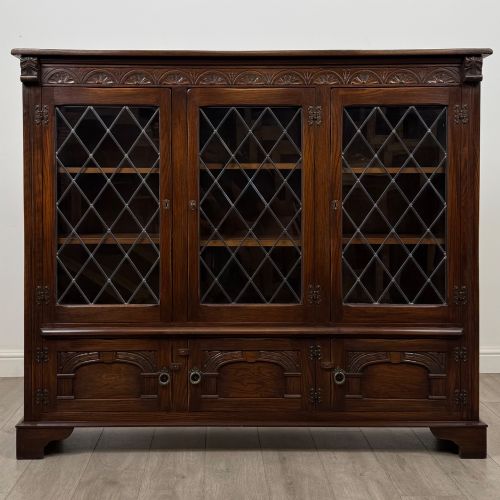
The selection ranges from tall library pieces and monumental architectural cabinets to smaller floor models, bureau bookcases, and compact variants designed for specific domestic spaces. Many incorporate glazed doors, glass panels, or lower drawers, uniting book storage with cabinet space in varied configurations.
How they were made
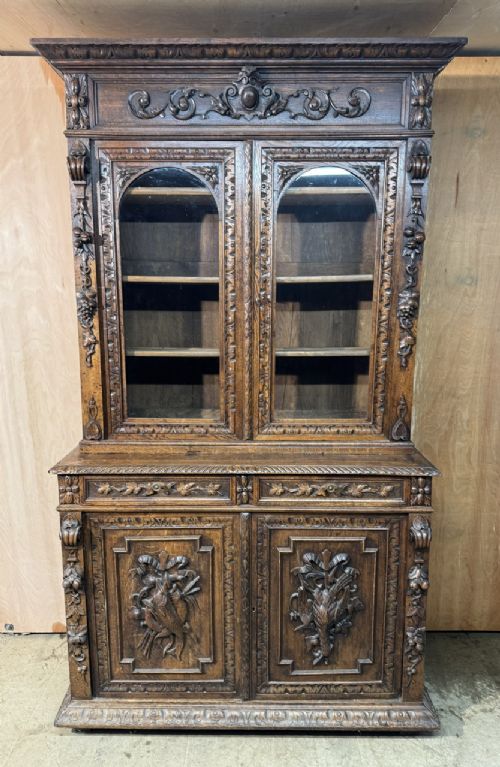
Construction relies primarily on solid oak and oak veneers, complemented by glass for doors, alongside brass, gilt brass, iron, and lead for hardware and glazing bars. Selected examples incorporate mirror glass panels or detailed surface carving.
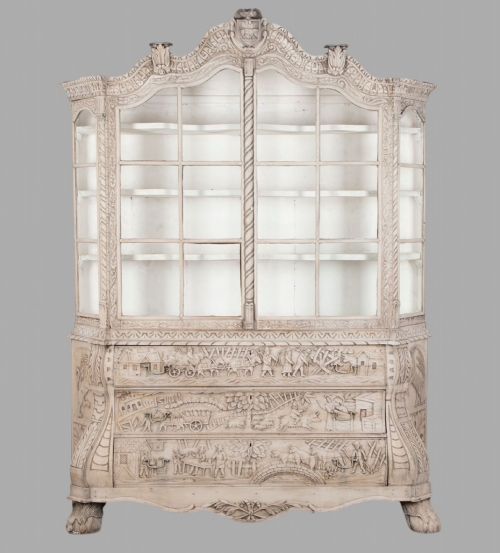
Makers utilised traditional joinery techniques suited to heavy timber, integrating adjustable internal shelving, panelled doors, and architectural cornices. Exterior treatments vary from heavily carved detailing to clean golden oak finishes and bleached surfaces.
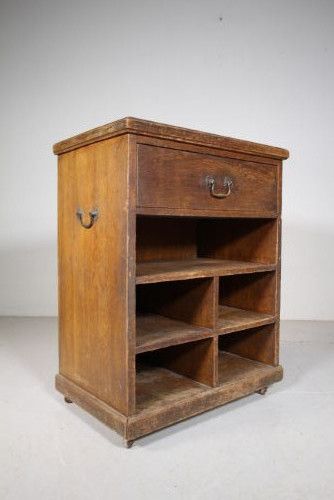
One unexpected survivor carries hand-painted German beer emblems alongside British Broadcasting Company lettering.
What varies in quality
Construction standards differentiate simpler utility items from superior architectural and library pieces, visible in the thickness of the timber, the precision of the joinery, and the weight of the hardware. The depth and execution of carved ornamentation, from simple beads to intricate Gothic motifs, reflect the maker's skill.
The integrity of the timber, the clarity of the glass, and the presence of original fittings such as keys and brasses separate standard utilitarian storage from finer cabinet work. Retained original surfaces, whether mellowed oak, polished golden tones, or bleached finishes, influence the overall character.
The Oak Bookcase with Cupboard Glossary
- Bureau bookcase
- A combination of a sloping desk flap for writing and upper shelving for books. This form merges a bureau workspace with a traditional bookcase.
- Glazed cabinet
- A storage unit featuring glass-panelled doors to display contents while protecting them from dust. These doors often utilise lead or wooden glazing bars.
- Cornice
- The decorative moulded projection that crowns the top of a tall piece of furniture. It finishes the architectural profile of large bookcases.
- Vitrine
- A glass-fronted display case designed specifically for showing objects of interest. French examples frequently appear among these listings.
Oak Bookcase with Cupboard: Frequently Asked Questions
How do I date an oak bookcase?
Dating relies on stylistic clues, construction methods, and timber characteristics observed across the piece. Victorian and Edwardian examples often display distinct revival motifs or simpler functional lines compared to earlier eighteenth-century work.
Hardware, dovetailing techniques, and glass types also provide reliable chronological indicators. Comparing the proportions and decorative carving to established period styles helps narrow down the decade of manufacture.
Where should I place a large bookcase?
Large library pieces and monumental cabinets require stable wall space away from direct heat sources and strong sunlight. Oak can react to extreme temperature fluctuations, making consistent indoor climates ideal for timber preservation.
Consider the weight and height of tall bookcases, ensuring adequate clearance and secure positioning. Placing them in studies, living rooms, or hallways allows both the upper display shelves and lower cupboards to function effectively.
What is the difference between open and glazed bookcases?
Open bookcases provide direct, unobstructed access to shelves for frequent book retrieval. Glazed versions incorporate glass doors, which protect volumes from dust and environmental wear while allowing visible display.
Many designs combine these approaches with lower wooden cupboards, separating active reading material from items stored out of sight. Glazed doors frequently feature wooden or lead framing bars that reflect specific period styles.
How do I clean and maintain antique oak?
Maintenance involves dusting regularly with a soft, dry cloth to prevent particle buildup on the timber surface. Avoid harsh chemical cleaners that can strip the natural finish or dry out the oak.
Occasional application of appropriate wax polish helps nourish the wood and maintain its lustre. Keeping the piece away from radiators and damp environments ensures the structural stability of the joints and panels.