
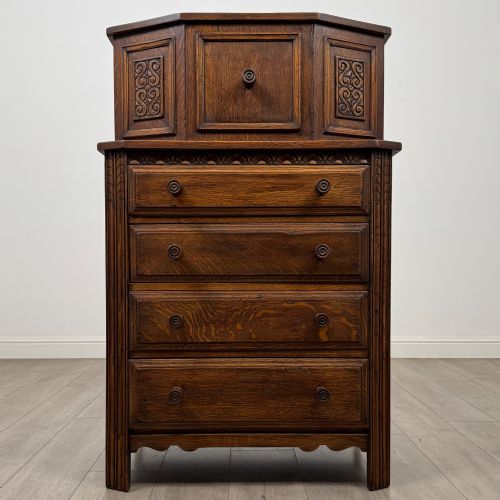
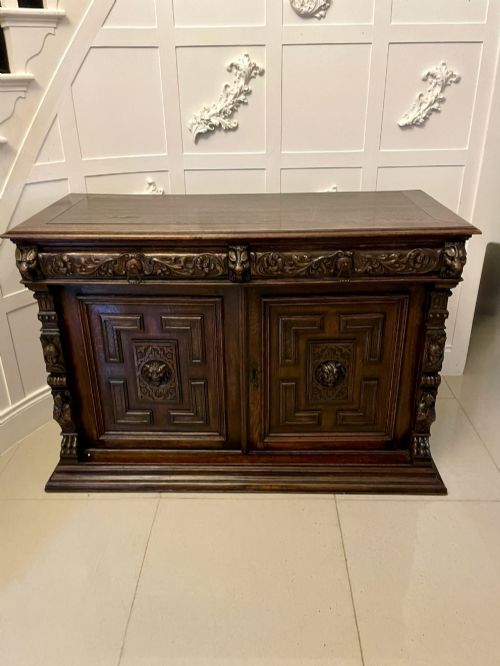
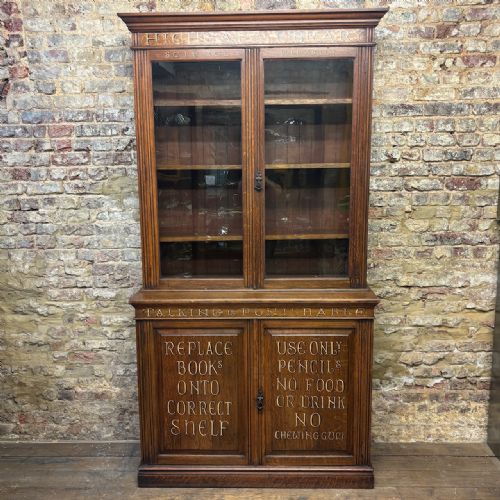
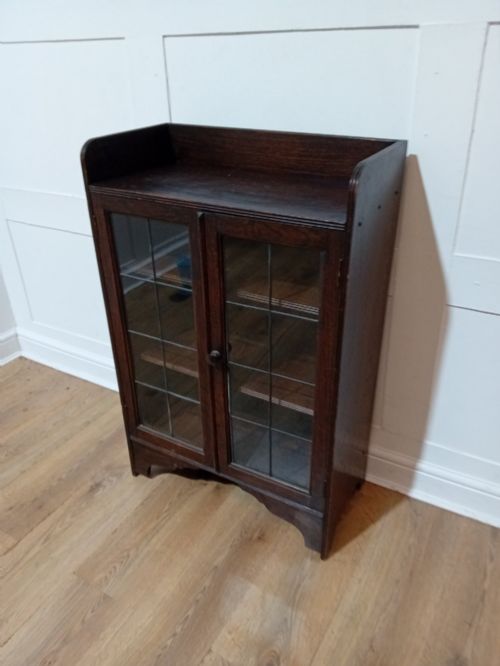

Vintage Dark Oak Cabinet
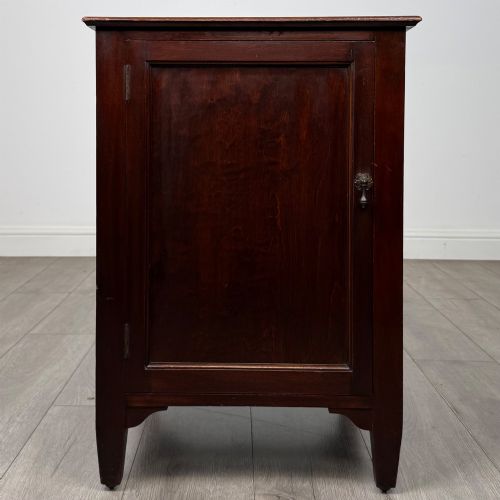
A vintage dark oak cabinet brings substantial timber and deep grain into a room, offering functional storage through fitted shelves, drawers or glazed display doors.
Vintage Dark Oak Cabinet
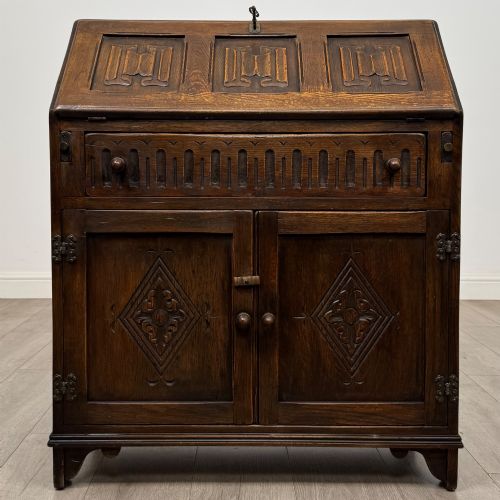
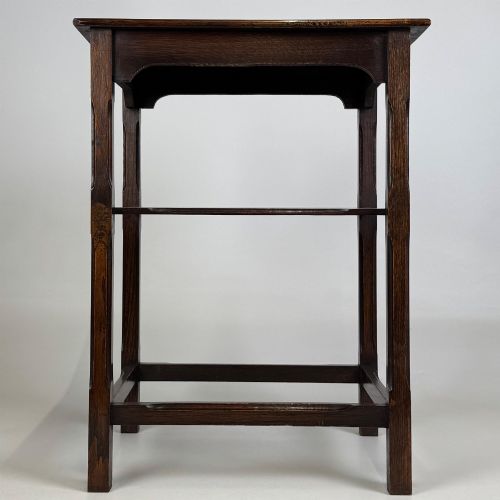
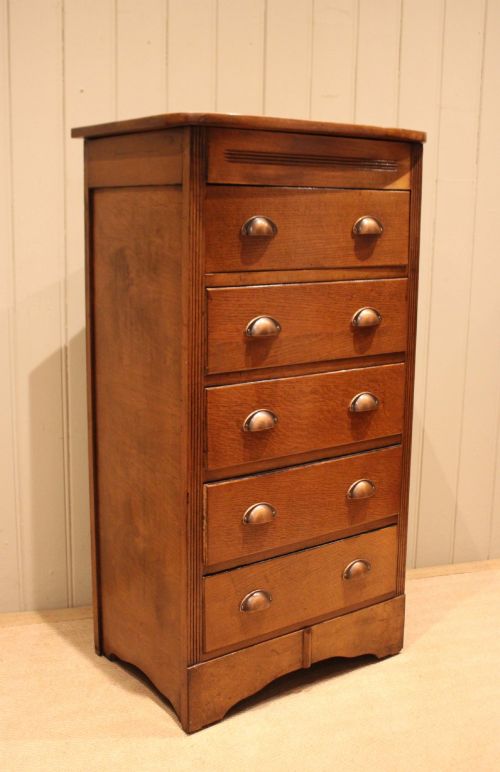
A vintage dark oak cabinet spans multiple centuries and functional forms, ranging from early eighteenth-century wall cupboards and writing bureaus to Edwardian display cases, sideboards and filing cabinets. When searching for a vintage dark oak cabinet, buyers encounter diverse iterations shaped by periods such as the Georgian, Victorian, Edwardian and Art Deco eras, alongside revivals spanning Jacobean, Tudor, Gothic and Arts and Crafts styles.
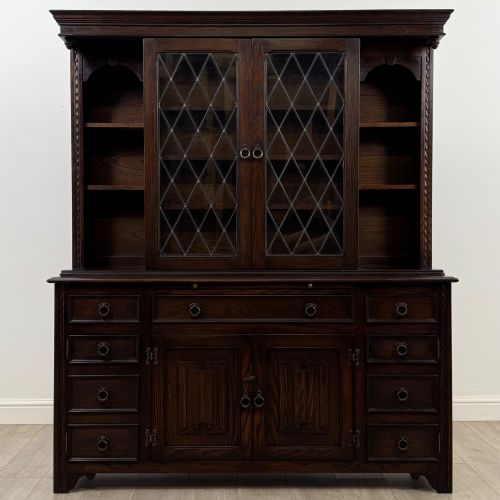
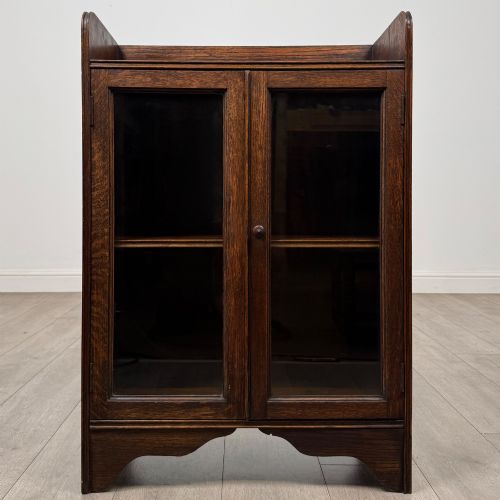
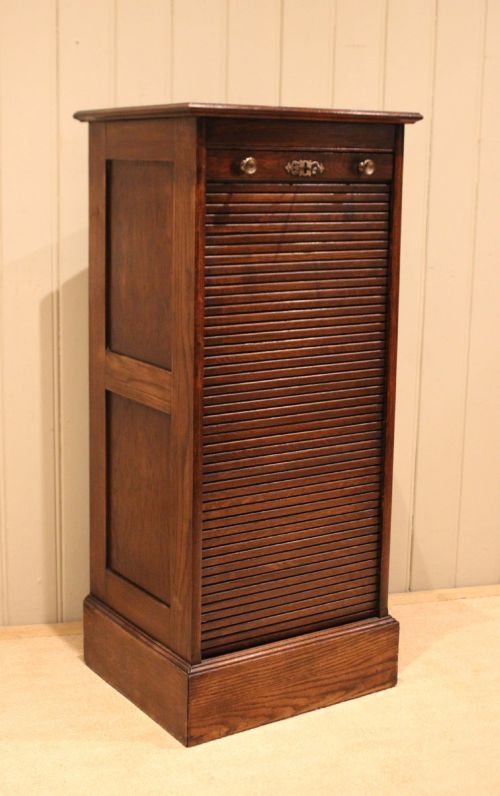
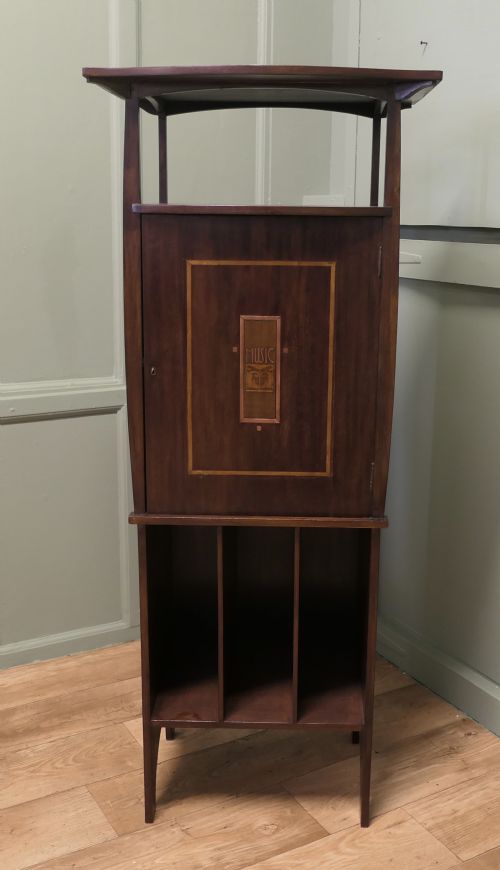
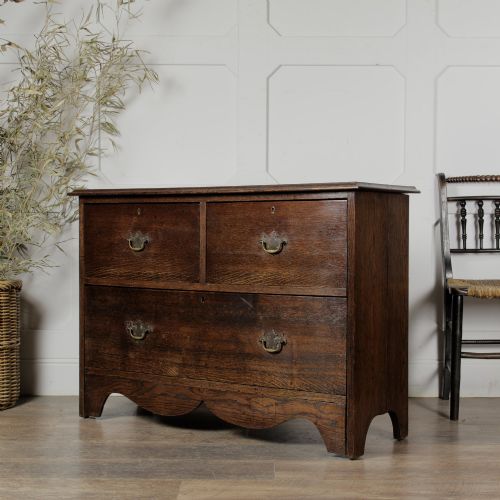
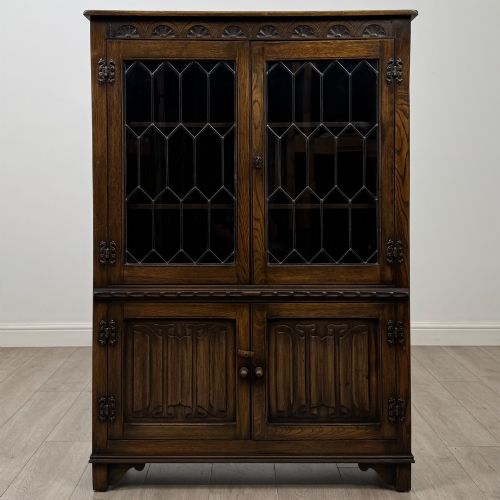
The practical forms available include bookcases, chests of drawers, small bedside units, music cabinets and court cupboards. Edwardian examples frequently feature linenfold carving, barley twist details or glazed doors, while early twentieth-century pieces incorporate tambour fronts or open beaded edges.
Origins stretch from domestic country workshops to Scottish collaborations and school libraries, encompassing dwarf cabinets, corner cupboards and tall chests. Pieces maintain utility across living spaces, libraries and halls through robust construction and compartmentalised storage.
How they were made
Construction relies primarily on solid oak, selected for its dense grain and durability, frequently paired with brass hardware, iron hinges, glass panes for display doors and metal mechanisms for tambour fronts. Carpenters utilised traditional joinery techniques to frame panels, fit drawers and hang doors securely within the carcase.
Surface decoration often involves hand carving, such as linenfold motifs or geometric patterns seen in revival styles, alongside applied beaded edges and turned elements like barley twists. Finishes emphasise the dark tones of the timber, protecting the surface while accentuating natural grain variations.
Certain early pieces double as school library bookcases and pulpit bars, proving that timber storage has spent centuries escaping the classroom and the chapel.
What varies in quality
Quality separates through the crispness of hand-carved details, the selection of timber grain, and the integrity of original joinery across panels, drawers and doors. Finer pieces demonstrate precision in glazed panels, smooth operation of tambour fronts or drawers, and well-fitted brass or iron hardware.
GM Elwood for JS Henry
The Vintage Dark Oak Cabinet Glossary
- Linenfold
- A carved wooden panel motif resembling folded fabric, frequently seen on Edwardian and revival cabinet doors and panels.
- Tambour
- A flexible shutter made of narrow strips of wood glued to canvas, allowing smooth sliding operation on filing cabinets and desks.
- Barley twist
- A turned wooden furniture leg or column resembling the spiral twist of a barley sugar stick.
- Court cupboard
- A traditional English enclosed piece of furniture with shelves, used historically for displaying plate and storing provisions.
- Fall front
- A hinged writing flap that drops down to form a desk surface on bureaus and writing cabinets.
Vintage Dark Oak Cabinet: Frequently Asked Questions
What periods do these cabinets cover?
The inventory spans the eighteenth century through the Edwardian era and into the 1930s, encompassing Georgian, Victorian and Art Deco periods.
Revival movements strongly influence the designs, featuring Jacobean, Tudor, Gothic and Arts and Crafts aesthetics alongside standard twentieth-century production.
How do I identify a linenfold cabinet?
Linenfold cabinets feature carved wooden panels specifically styled to imitate the vertical folds of stiff fabric. This decorative technique appears frequently on Edwardian cupboards, wardrobes and bureaus.
The carving gives flat wooden surfaces texture and depth, serving as a distinct indicator of early twentieth-century revival craftsmanship.
What types of storage do these cabinets offer?
Storage configurations vary widely according to the original function of the piece, including open and glazed bookcases, chests of drawers and music cabinets. Sideboards, court cupboards and filing cabinets provide alternative internal layouts.
Buyers find specialised forms like corner cupboards, bedside units and wall-mounted cupboards designed to maximise specific room layouts.
Are these cabinets made from solid oak?
The listings consist of solid oak construction, often enhanced with brass handles, iron hardware and glass display panels. Metal components and canvas backings support specific mechanisms like tambour fronts.
Craftsmen utilised the dense hardwood to build durable carcases capable of enduring centuries of domestic or institutional use.
Where were these oak cabinets used originally?
Original settings ranged from domestic parlours and bedrooms to school libraries, administrative offices and country houses. Specific pieces like school library bookcases and pulpit bars served institutional environments.
Domestic forms included music cabinets for parlours, bedside cupboards, and writing bureaus placed in studies or living rooms.