



Tall Oak Open Bookcase
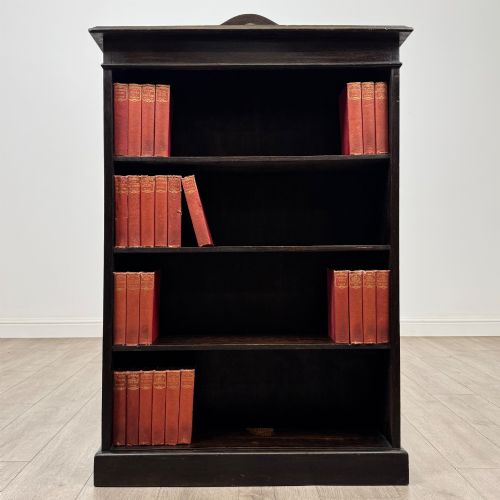
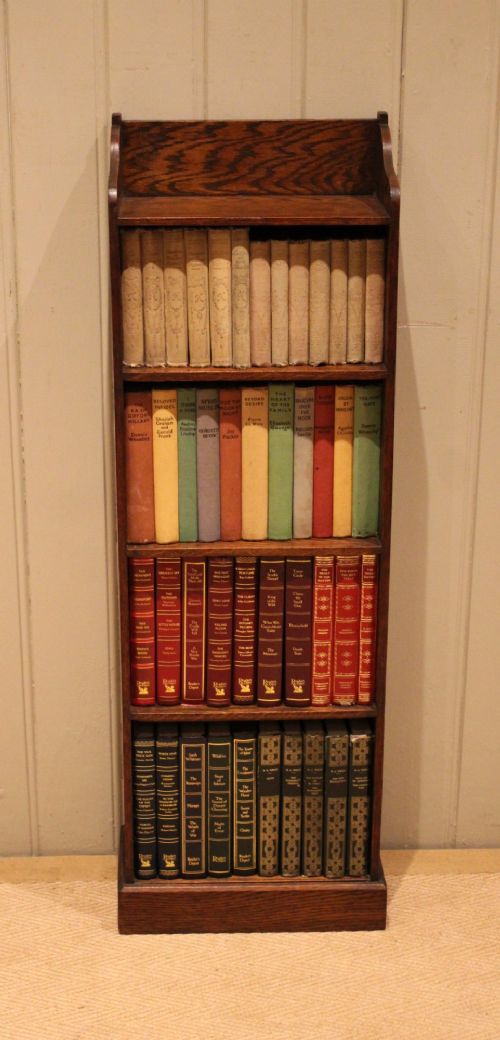
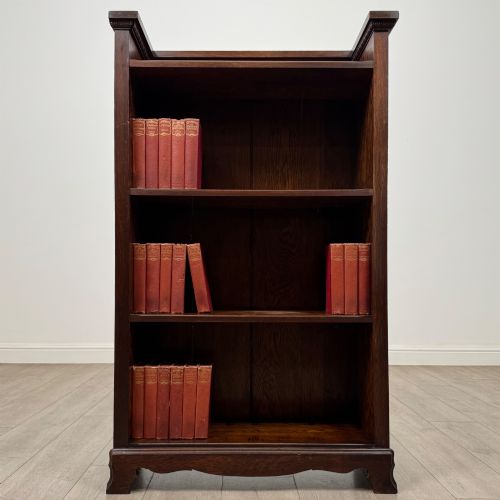
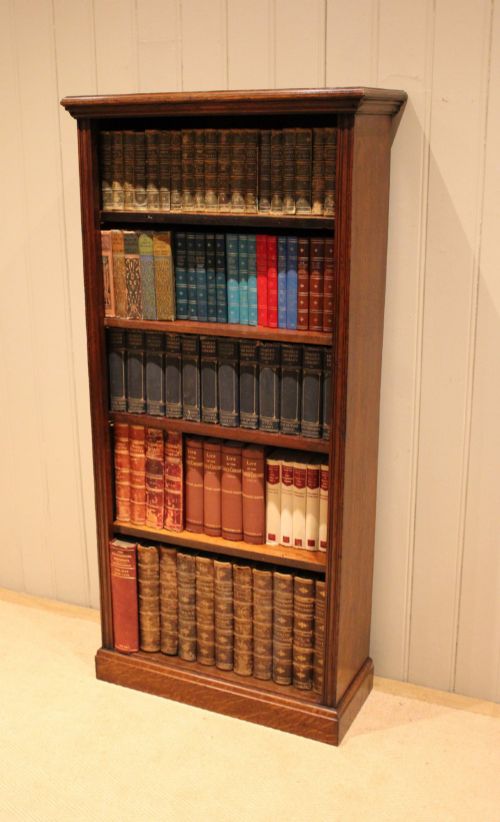
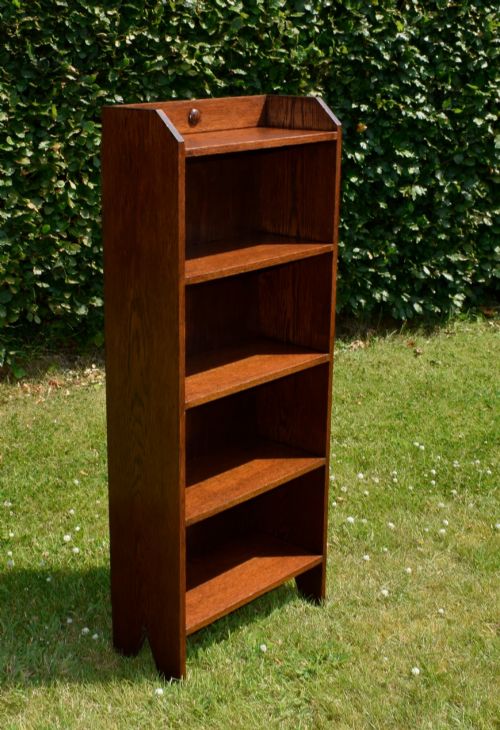
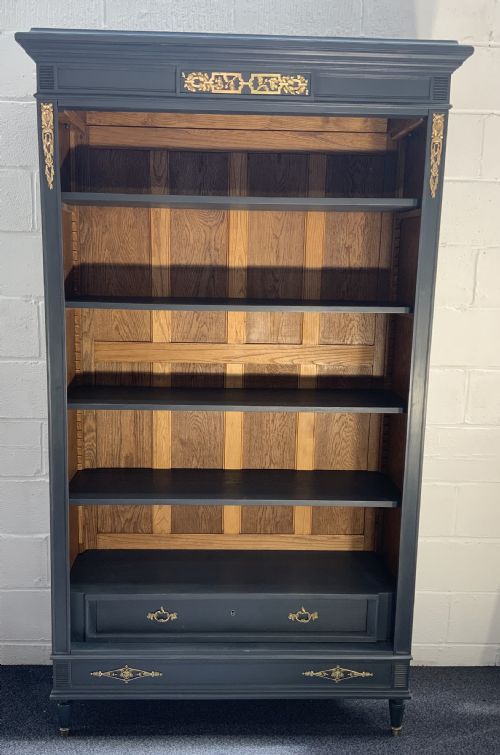
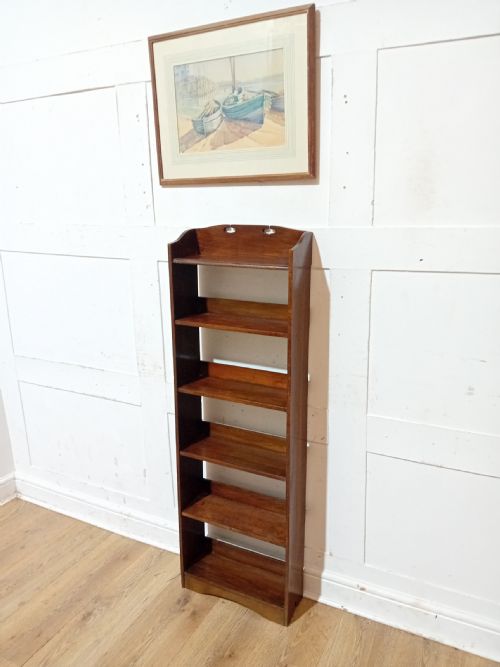
A tall oak open bookcase organises a large library with immediate access, bringing vertical grain and strong timber presence into a room.
Tall Oak Open Bookcase
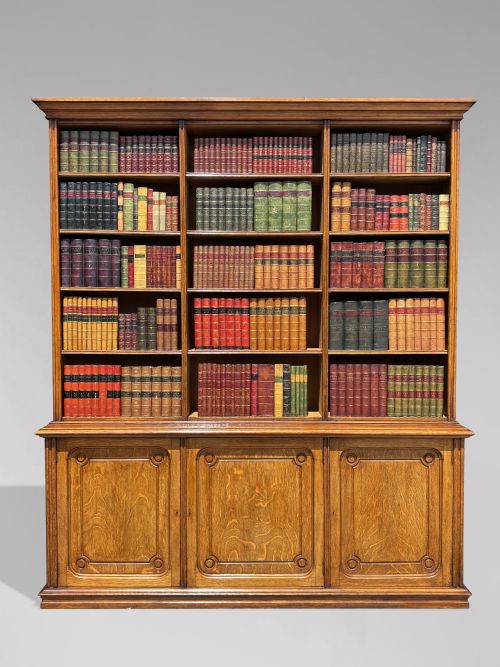
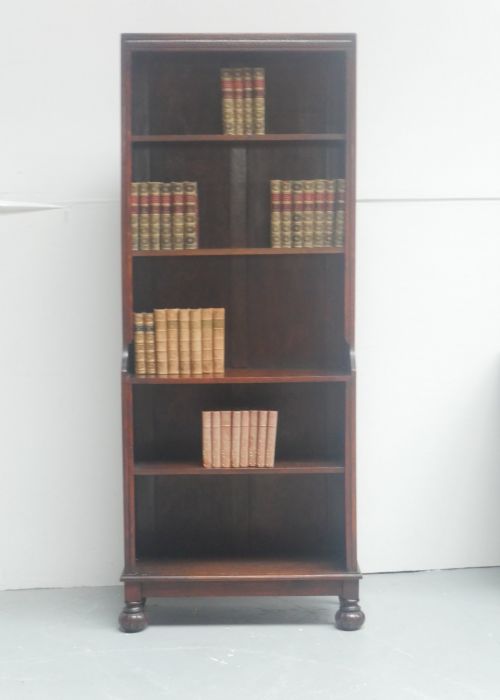
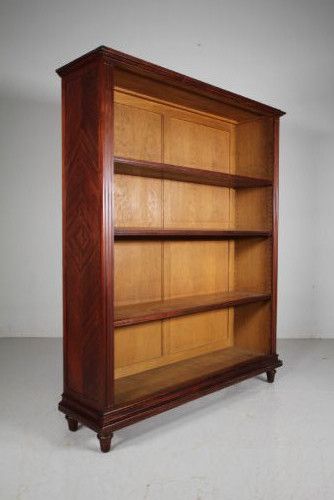
A tall oak open bookcase provides substantial vertical storage, frequently appearing in forms from the Victorian and Edwardian periods as well as the 1920s and 1930s. These pieces range from slim, narrow layouts designed for tight spaces to broad, breakfront configurations with adjustable shelving.
The materials span standard oak, golden oak, and dark oak, occasionally accompanied by mahogany, painted wood, and brass hardware. Styles stretch across Arts and Crafts, Art Deco, Renaissance Revival, and French Provincial interpretations.
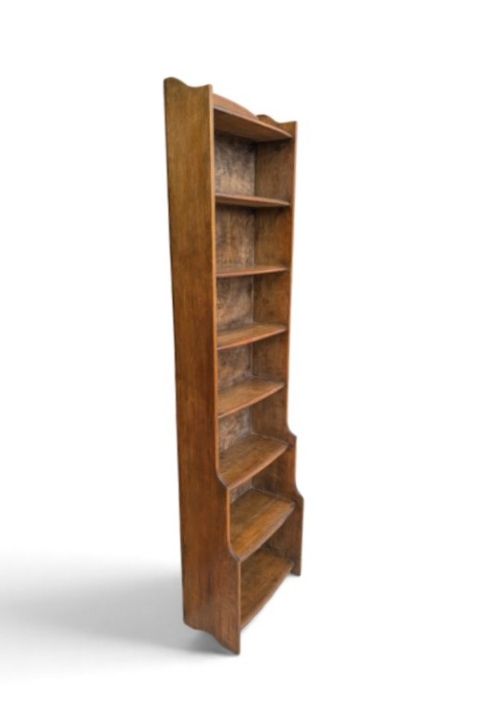
Buyers seeking this furniture encounter standing open bookcases, waterfall configurations with stepped shelves, and arch-top designs. Many examples incorporate carved mouldings and beaded edges to frame the book rows.
Timber Selection and Construction Methods
Makers utilised solid oak, quarter-cut oak, and pollard oak to construct these frames, often applying dark stains or preserving the natural golden hue of the timber. Grain patterns dictate the visual weight of each unit, with quarter-cut surfaces displaying distinctive medullary rays.
Joinery relies on sturdy timber frames built to support heavy rows of volumes, sometimes integrating adjustable shelf mechanisms using brass pins or wooden notches. Decorative elements include carved relief work, applied mouldings, and occasional brass embellishments.
Early twentieth-century makers sometimes hid pencil measurements behind the adjustable shelf tracks, leaving a quiet trace of the workshop floor.
Distinctions in Execution and Design
Superior execution shows in the selection of quarter-cut or pollard oak timbers, where deliberate grain matching creates a unified facade across wide panels. Lesser examples employ plain, unfigured boards with minimal attention to surface cohesion.
The sophistication of the carved detailing and the precision of the adjustable shelving mechanism separate standard workshop output from distinguished pieces by notable makers. Solid timber backs and well-proportioned cornices indicate a higher standard of cabinet-making.
Wylie Lochhead of Glasgow·E.A. Taylor
The Tall Oak Open Bookcase Glossary
- Quarter-cut oak
- Timber sawn at right angles to the growth rings to produce characteristic flake patterns. This cut provides enhanced stability for tall vertical furniture.
- Adjustable shelves
- Movable horizontal boards supported by pins or notches. This system allows the interior height to adapt to varying book sizes.
- Breakfront
- A cabinet design where the central section projects forward from the flanking wings. This configuration adds architectural depth to large bookcases.
- Waterfall bookcase
- A shelving unit featuring stepped, receding tiers that narrow toward the top. The profile resembles descending water.
- Renaissance Revival
- A nineteenth-century style drawing on sixteenth-century architectural motifs. Pieces typically feature heavy carvings, pilasters, and robust pediments.
Tall Oak Open Bookcase: Frequently Asked Questions
How do I secure a tall bookcase to the wall?
Heavy timber furniture demands secure wall anchoring to prevent tipping, particularly when loaded with dense rows of books. Most tall units accommodate discreet brackets screwed directly into the wall studs behind the upper cornice.
Ensure the weight distributes evenly across the lower shelves before fixing the upper frame. Professional installation is advisable for antique pieces with delicate cornices or uneven floors.
What is the difference between golden oak and dark oak?
Golden oak finishes reflect the lighter, warmer tones popular during the Edwardian period and the early twentieth century. These treatments highlight the natural grain and medullary rays of the timber without obscuring the surface.
Dark oak finishes, frequently seen on Victorian and interwar pieces, utilise staining or wax to achieve a heavier, more formal appearance. The choice depends on whether the interior scheme leans toward airy Edwardian styles or substantial Victorian room designs.
Can I adjust the shelves on older bookcases?
Many examples from the late nineteenth century onward incorporate adjustable shelving systems using wooden tracks, brass pegs, or metal pins. These mechanisms allow owners to alter vertical clearances for oversized volumes.
Earlier or simpler units often feature fixed shelves nailed or glued permanently into the housing joints. Check the interior vertical uprights for peg holes before attempting to move any shelf.
How do I care for antique oak surfaces?
Maintain timber surfaces by applying a traditional beeswax polish sparingly to nourish the grain and build a protective barrier against moisture. Avoid silicone-based sprays, which can penetrate open-grain woods and damage the patina over time.
Keep bookcases away from direct sunlight and heat sources to prevent the oak from drying, warping, or cracking. Dust regularly with a soft, dry cloth to protect carved mouldings and beaded edges.