

Oak and Brass Case
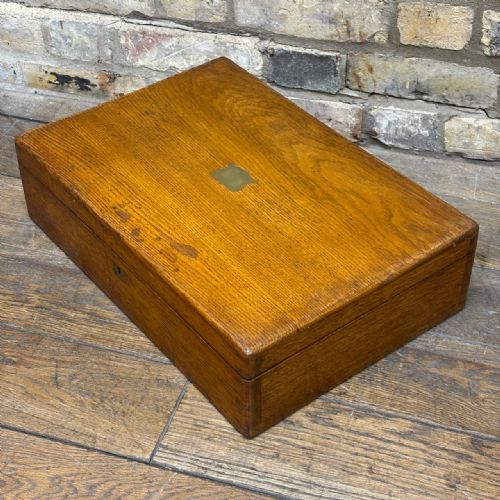
An oak and brass case unites sturdy timber with gleaming metalwork, housing mechanical movements and scientific instruments for daily domestic service.
Oak and Brass Case
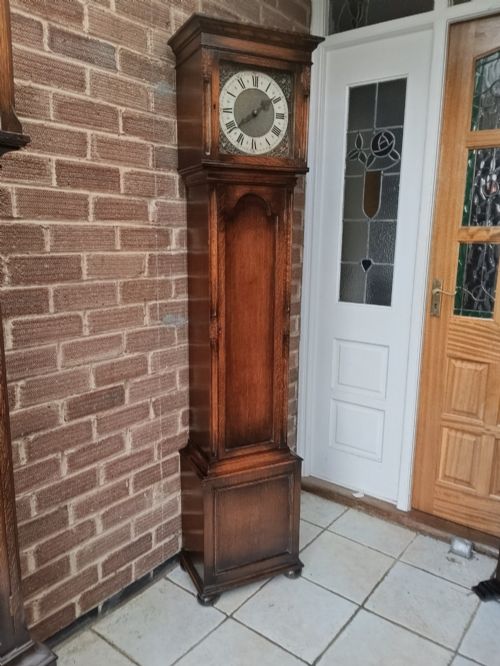
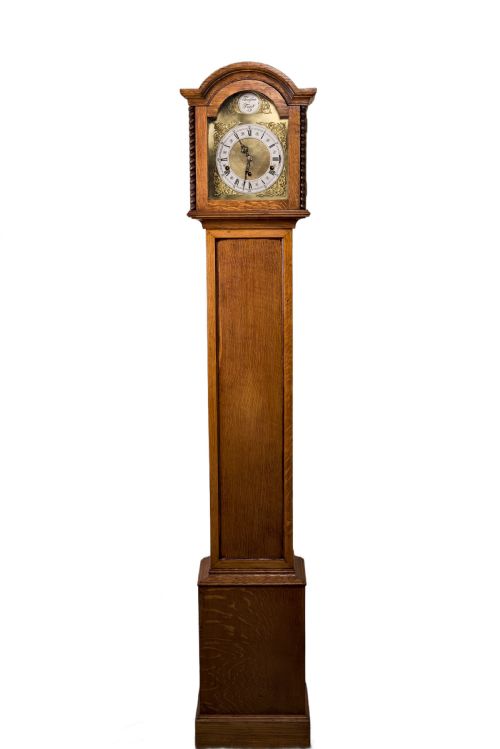
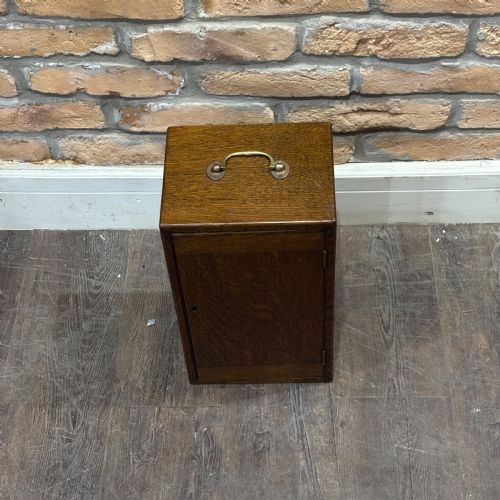
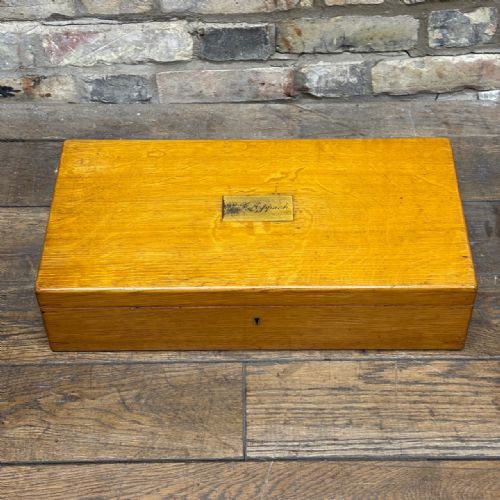
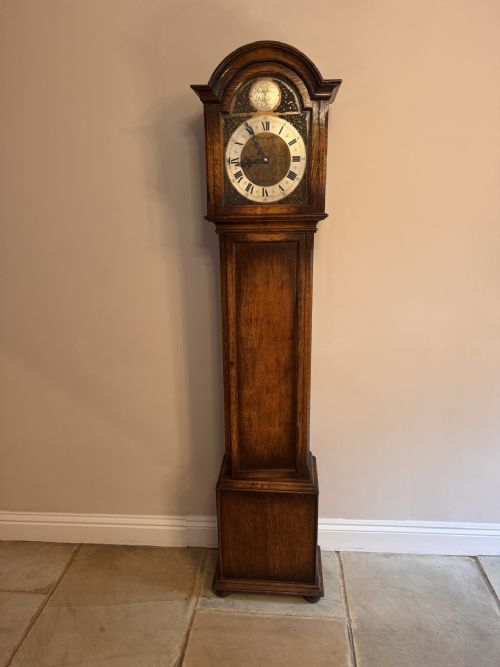
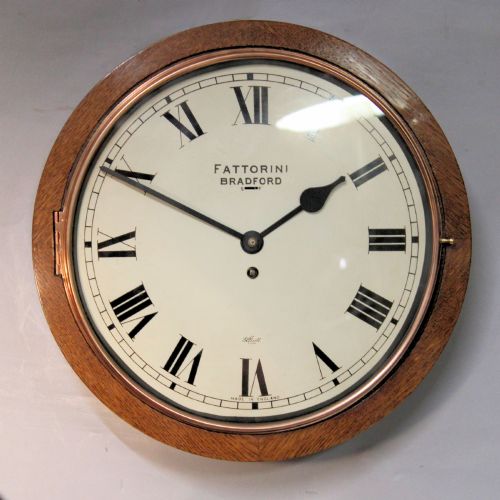
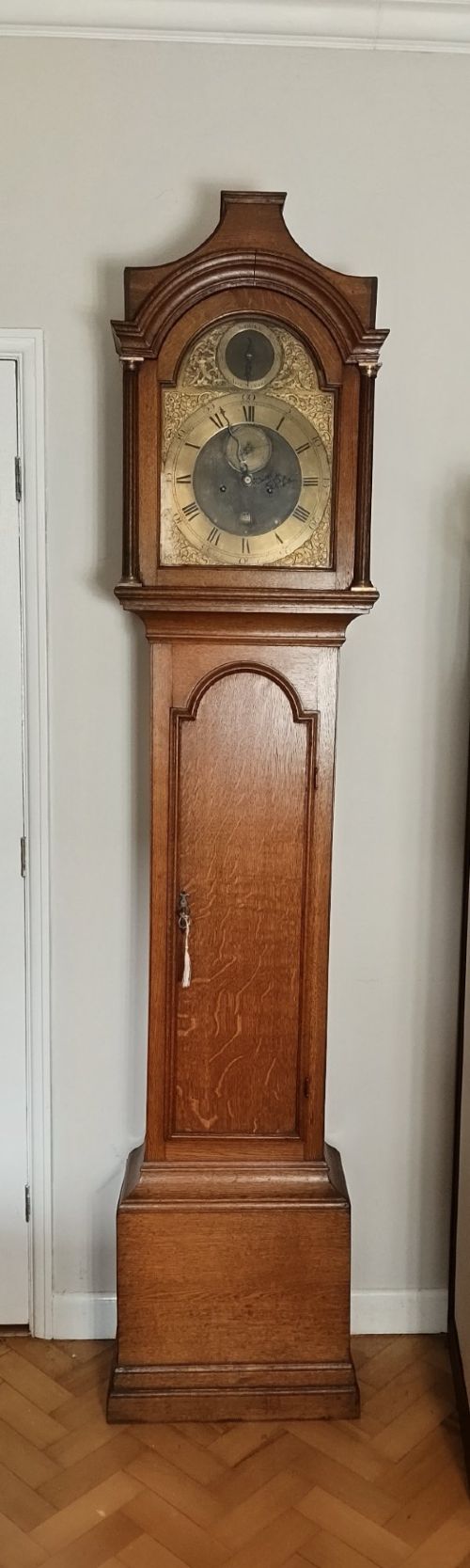
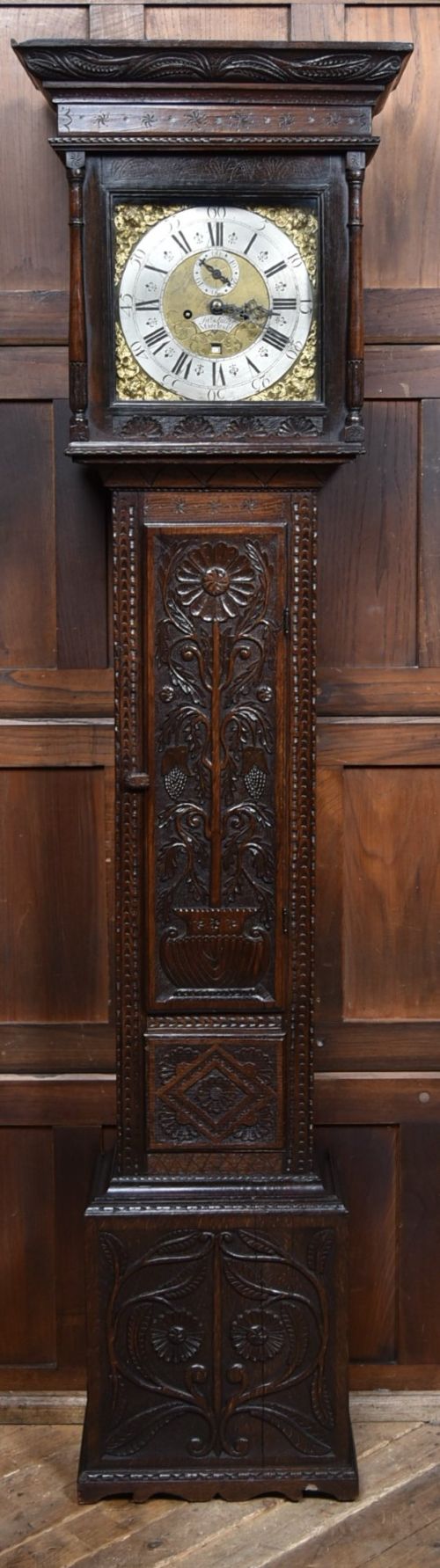
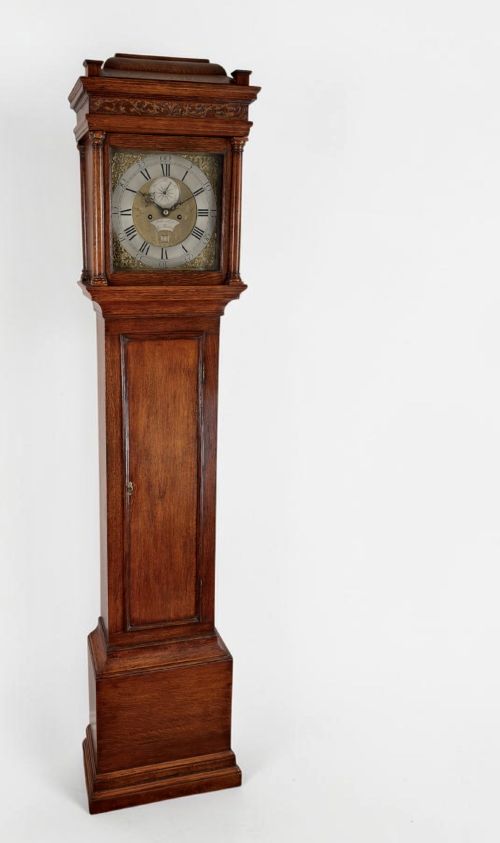
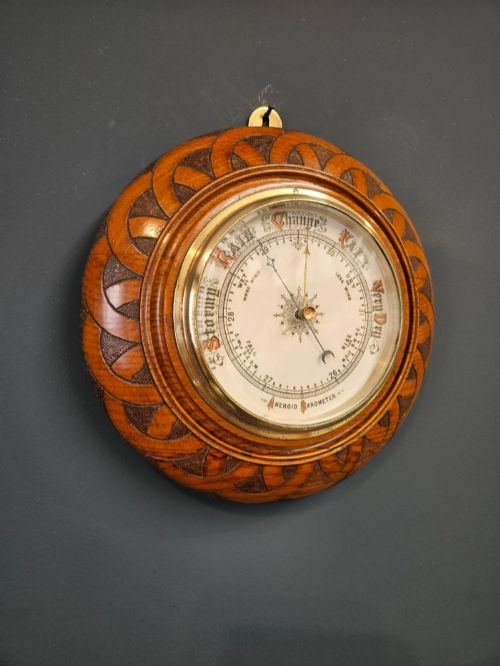
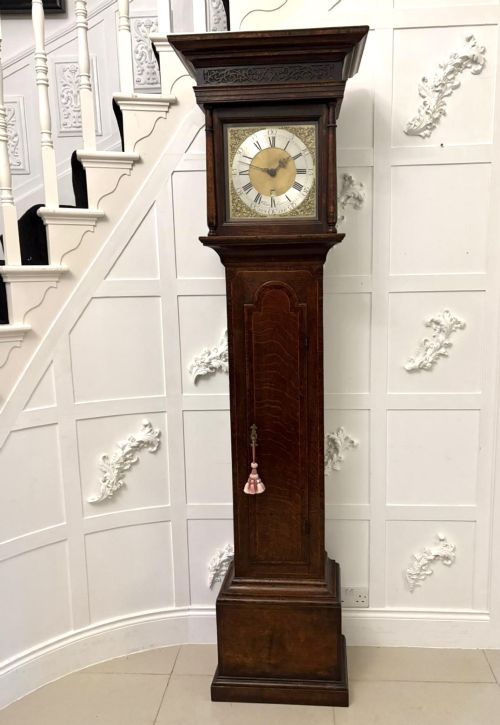
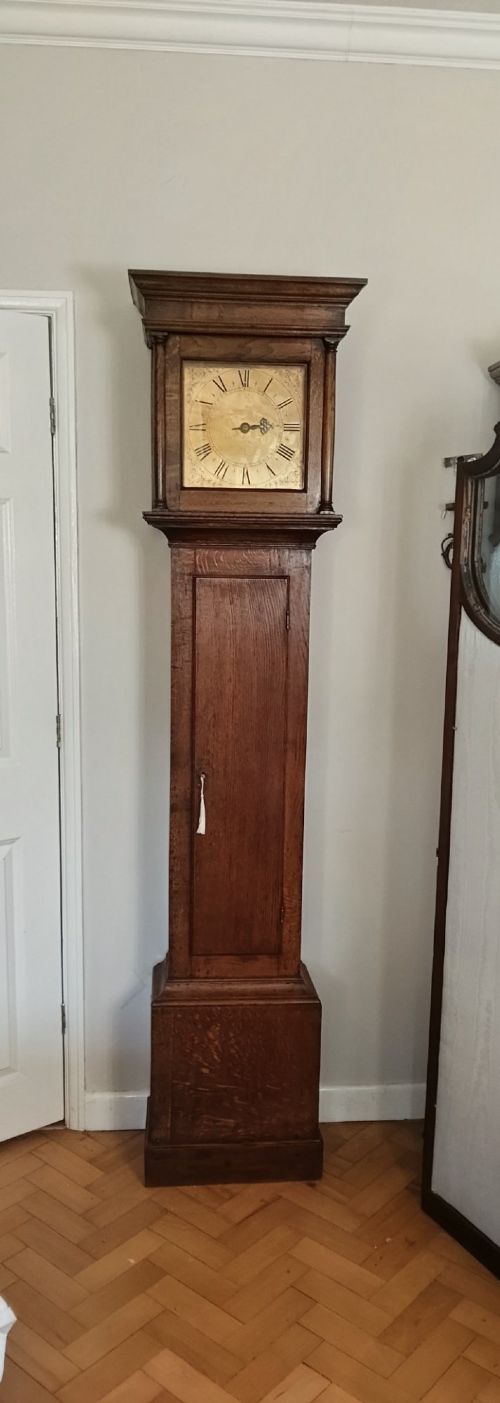
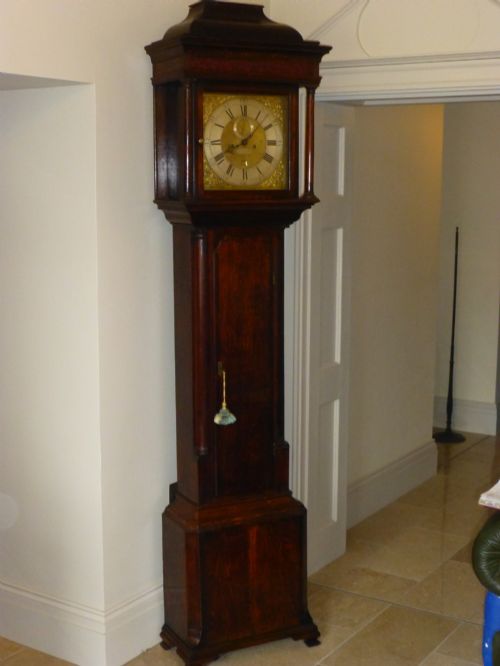
When you search for an oak and brass case, you encounter functional enclosures built to house delicate machinery, timepieces, and meteorological instruments. The items span tall floor-standing longcase clocks, wall-mounted dials, and desktop scientific barographs.
Grandfather and grandmother clocks dominate the selection, alongside barometers, meteorological barographs, and countertop display cabinets. These pieces stretch from the eighteenth century through the Georgian and Victorian eras into the early twentieth century.
Makers from various regions sign these housings, combining structural timber with metal dials, bezels, and fittings. The domestic character of oak predominates, occasionally paired with walnut or mahogany crossbanding.
Materials and Construction
Cabinetmakers utilised solid oak for the primary structural housings, frequently selecting quarter-sawn boards to display distinct grain patterns. Selected examples incorporate burr oak or walnut elements to enrich the visual texture of the timber.
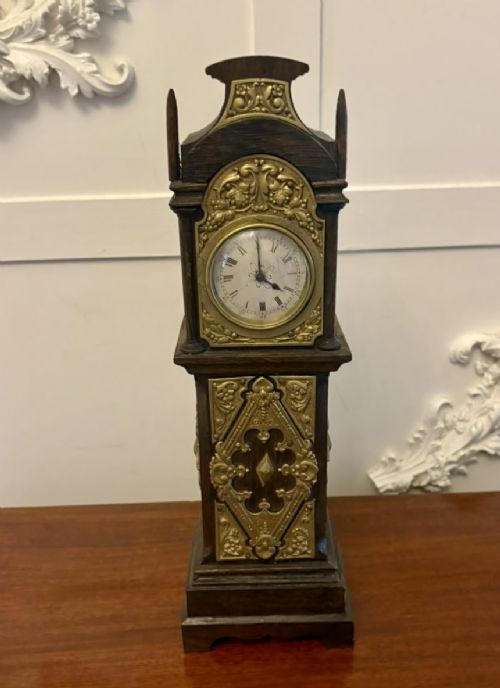
Brass provides the material for engraved dials, bezels, corner spandrels, and mechanical gear trains. Glass panels protect delicate clock faces and thermometer scales within barometer and barograph cases.
Oak and Brass Case Retail Price Guide 2026
Typical asking prices for oak and brass case among the pieces listed under this phrase on Sellingantiques today, from the lower quarter to the upper quarter. They describe what is for sale here now, not the wider market.
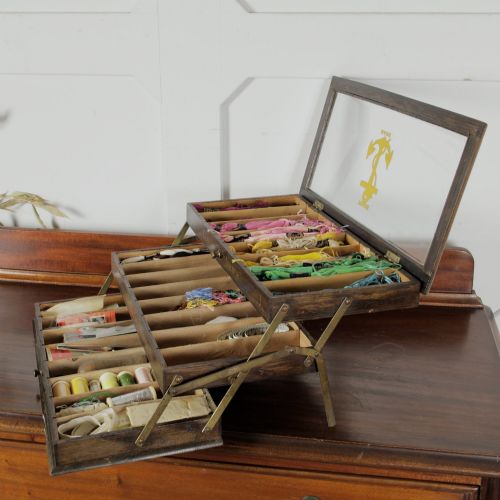
Object types documented in the inventory include barographs, wall clocks, display cabinets, and longcase clocks.
Craftsmanship and Proportion
The standard of timber selection and joinery sets the baseline for these enclosures, distinguishing plain utility boxes from finely proportioned cabinetry. Well-executed corner joints, clean moulding profiles, and balanced door alignments elevate the construction.
Metal components show variation through the depth of engraving on brass dials and the precision of fitted hinges and lock plates. Original components, consistent dial signatures, and well-preserved mechanical fittings determine the standing of each piece.
Lee of Great Marlow·Jn° Smith, Macclesfd·Richard Corless of Stockport·Fisher Of Preston·Short & Mason·George Hallifax Of Doncaster
The Oak and Brass Case Glossary
- Longcase clock
- A weight-driven pendulum timepiece housed in a tall wooden tower, commonly referred to as a grandfather clock. These instruments measure time across thirty-hour or eight-day durations.
- Barograph
- A recording meteorological instrument that logs atmospheric pressure onto a revolving paper chart, typically mounted beneath a bevelled glass and oak cover. These devices often incorporate thermometers.
- Dial clock
- A wall-mounted timepiece featuring a prominent circular face protected by glass and brass, operated via an internal fusee or lever escapement movement. They served commercial and domestic spaces alike.
- Spandrel
- The decorative corner piece set between the circular chapter ring and the square edge of a clock dial, cast in brass and often pierced or chased.
- Crossbanding
- A decorative border technique where thin veneers of wood, such as mahogany or walnut, are laid with the grain running perpendicular to the main body of the case.
Oak and Brass Case: Frequently Asked Questions
How do eight-hour and thirty-hour clocks differ?
Thirty-hour movements require daily manual winding, whereas eight-day movements run for over a week before needing attention.
Eight-day mechanisms usually require two or three weights or a spring-driven fusee system to maintain tension.
What is a barograph used for?
A barograph records atmospheric pressure changes continuously onto a rotating drum fitted with graph paper.
These instruments include an internal aneroid barometer mechanism linked to an inked pen arm.
How should oak cases be maintained?
Keep wooden housings away from direct heat sources and sudden humidity shifts to prevent timber splitting.
Apply a light application of appropriate wax polish periodically to nourish the surface grain.
Can I date these items by their dials?
Square brass faces typically indicate eighteenth-century origins, while arched dials and painted faces often point toward later Georgian and Victorian periods.
Maker signatures engraved directly onto the metal face provide further historical reference points.