




Novelty Wooden Box
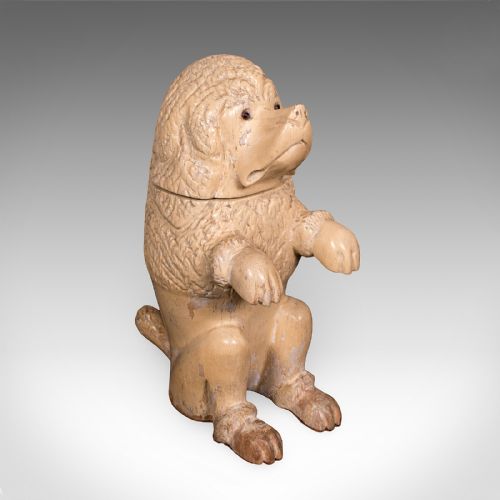
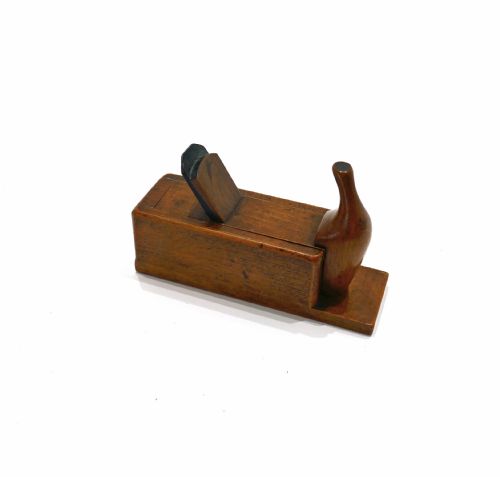
A novelty wooden box brings everyday life and humour into miniature, transforming timber into shoes, books, animals and machinery.
Novelty Wooden Box
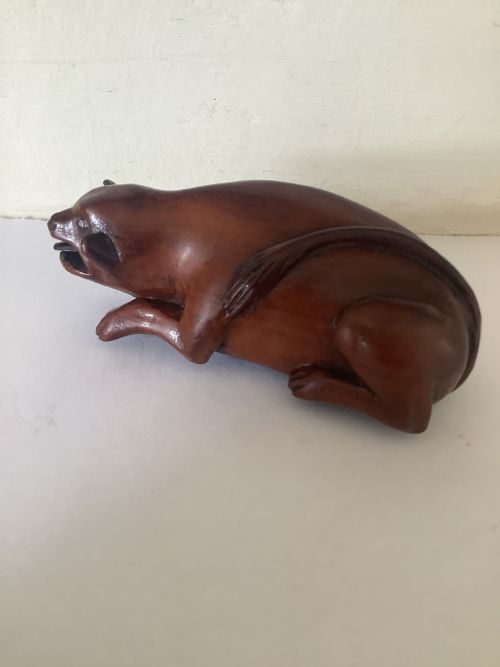
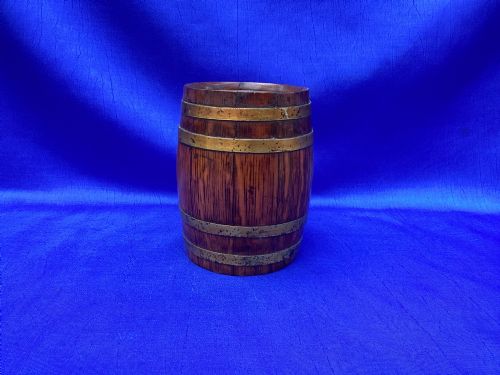
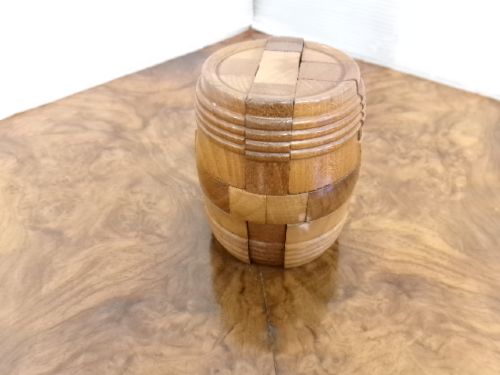
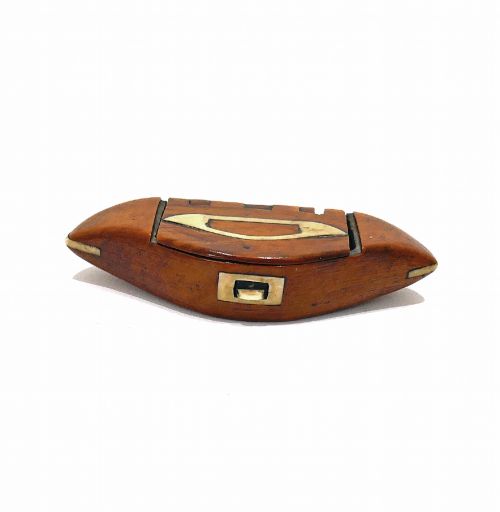
When you search for a novelty wooden box, you encounter items designed to mimic familiar objects, from footwear and animals to books and transport. These pieces span the Georgian, Victorian and Edwardian eras through to the Art Deco period, often taking the form of snuff boxes, money boxes, tea caddies and humidors.
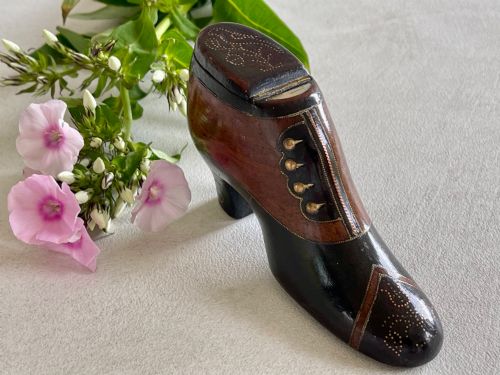
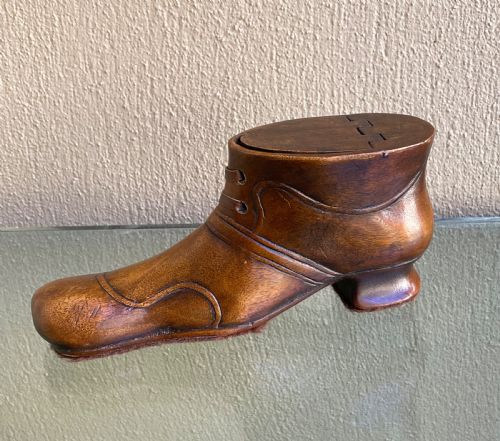
The version you most frequently meet on this page is the shoe or slipper snuff box, carved from fruitwood or hardwood, sometimes featuring double openings or bone inlay. Alongside these podiatnic whimsies sit carved barrels, animals such as dogs and birds, and miniature furniture including sideboards and chests of drawers.
How they were made
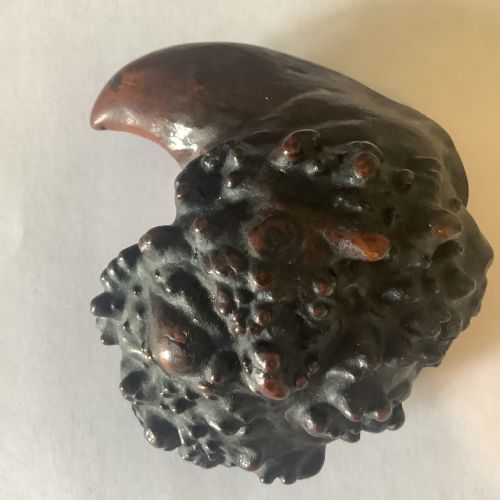
The makers of a novelty wooden box utilised native and exotic timbers such as oak, walnut, mahogany, fruitwood and burr walnut, selecting grain patterns that enhanced the illusion of fur, leather or fabric. Carving was executed by hand, often in a folk art tradition, shaping blocks of wood into miniature boots, animals and railway coal wagons.
Decoration relied on contrasting materials and surface work, incorporating bone inlay, brass pique work, silver plating and marquetry. Surfaces received finishing with oils and waxes that built up a deep patina over decades of handling.
Several items disguise themselves as footwear, proving that past generations genuinely enjoyed carrying tobacco inside a carved wooden shoe.
What varies in quality
Quality in a novelty wooden box rests on the precision of the carving and the cleverness of the transformation from timber to subject. A superior piece captures anatomical or mechanical details with conviction, such as the open toes of a shoe or the working lids of a miniature chest of drawers.
The depth of the patina and the subtlety of supplementary embellishments like bone inlay or brass pique work distinguish workshop pieces from simpler outputs. Condition of hinges, sliding panels and moving parts dictates the integrity of the object.
The Novelty Wooden Box Glossary
- Treen
- Small wooden objects made for domestic or personal use. This term covers everything from small turned boxes to carved shoe snuff boxes.
- Snuff box
- A small container designed to hold powdered tobacco. Examples are often carved into whimsical shapes for social amusement.
- Pique work
- A method of decoration using tiny points or pins of gold, silver or brass inlaid into a surface. This technique appears on footwear boxes to render foliage and flowers.
- Humidor
- A moisture-controlled box used for storing cigars or tobacco. These frequently take imaginative industrial forms such as railway coal wagons.
Novelty Wooden Box: Frequently Asked Questions
What were novelty wooden boxes used for?
These containers held personal commodities such as snuff, tobacco, nutmeg, tea or coins. Their amusing shapes served as conversational icebreakers in polite drawing rooms and smoking rooms.
Owners kept them on desks, sideboards or in pockets, using them daily for practical storage while displaying wit and taste to visitors.
How do I date a wooden novelty box?
Dating relies on stylistic clues, timber choice and the functional purpose of the object. Georgian and early nineteenth century examples lean towards fruitwood shoe forms, while Victorian and Edwardian pieces introduce mechanical items and transport themes.
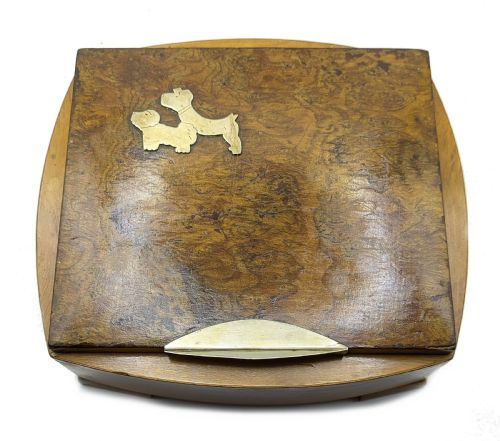
Art Deco items from the nineteen-twenties and thirties display geometric streamlining, such as odeon style secret books and Scottie dog motifs.
Are shoe shaped boxes always for snuff?
The majority of shoe and slipper shaped containers from the eighteenth and nineteenth centuries were manufactured to hold pinches of snuff. Their cavities and sliding lids suited the dry powder perfectly.
Some later or larger examples functioned as trinket holders or general catch-alls, but the classic treen shoe remains fundamentally tied to tobacco habits.
How should I care for antique treen?
Keep wooden objects away from direct heat sources and dramatic humidity fluctuations to prevent splitting or warping. Dust gently with a dry cloth and avoid modern polishes.
Applying a microcrystalline wax occasionally helps protect the surface and preserves the historical patina built up over centuries.