


Novelty Silver Collectables
These novelty silver collectables combine wit and utility, taking familiar forms like animals and objects to serve as pin cushions, walking sticks, and desk accessories.
Novelty Silver Collectables
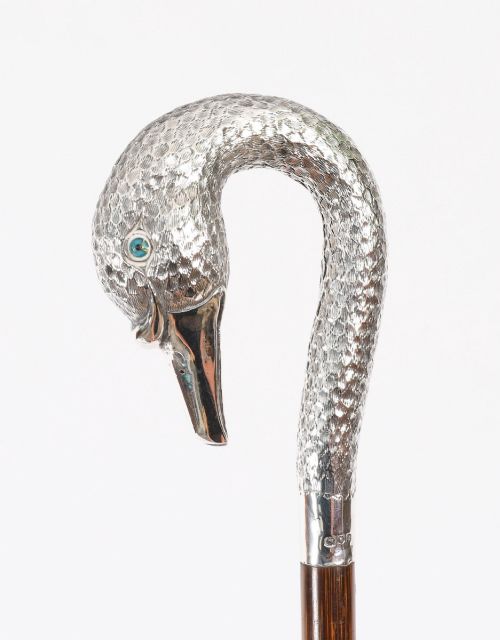
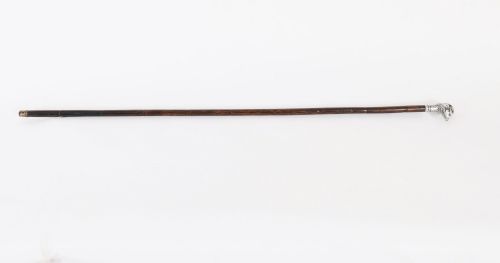
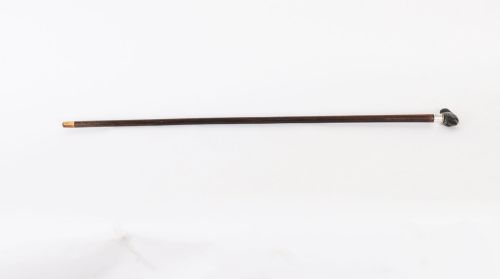
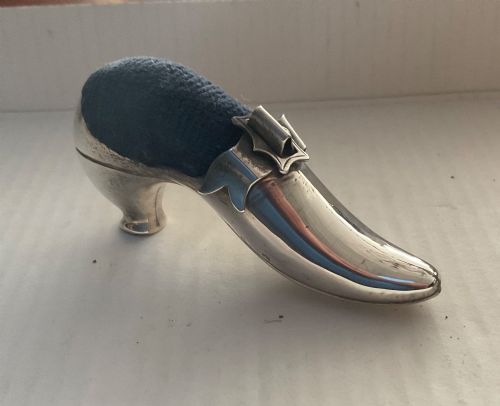
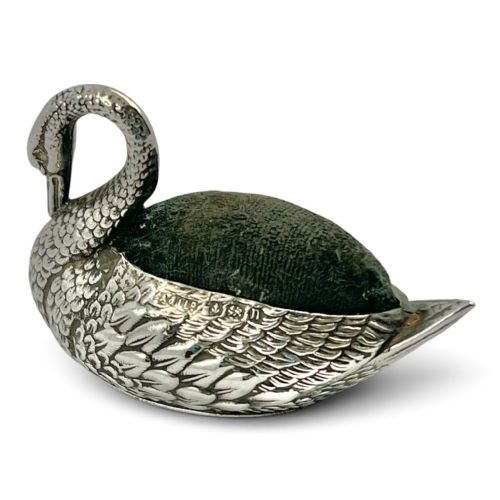
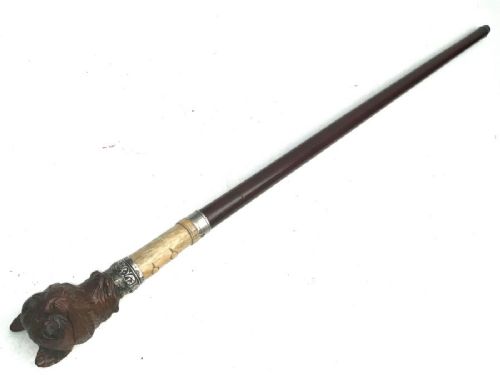
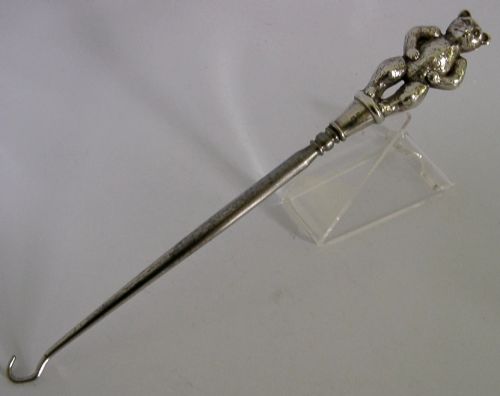
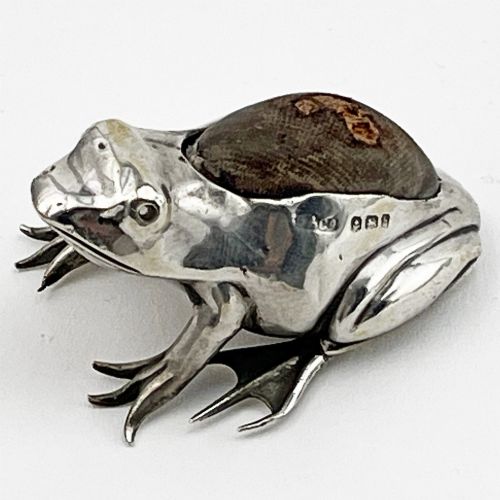
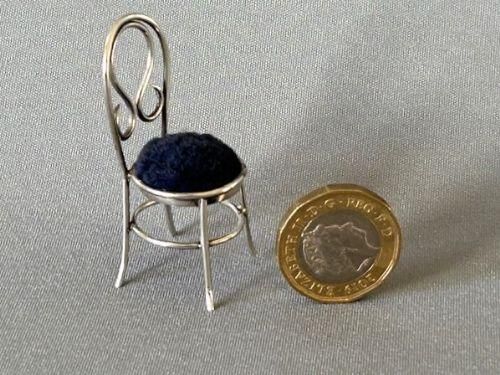
When you search for novelty silver collectables, you encounter miniature figures and functional items shaped into amusing forms, originating predominantly from the Victorian, Edwardian, and Georgian periods. Pin cushions modelled as animals, birds, and shoes appear with notable frequency on this page, alongside walking canes featuring carved silver animal heads.
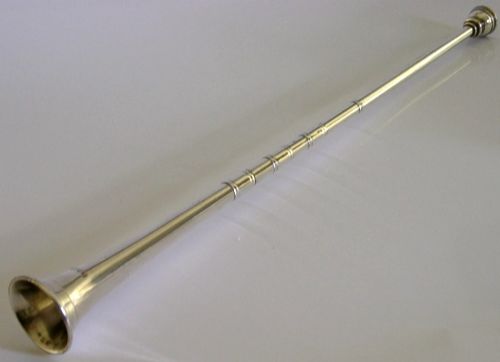
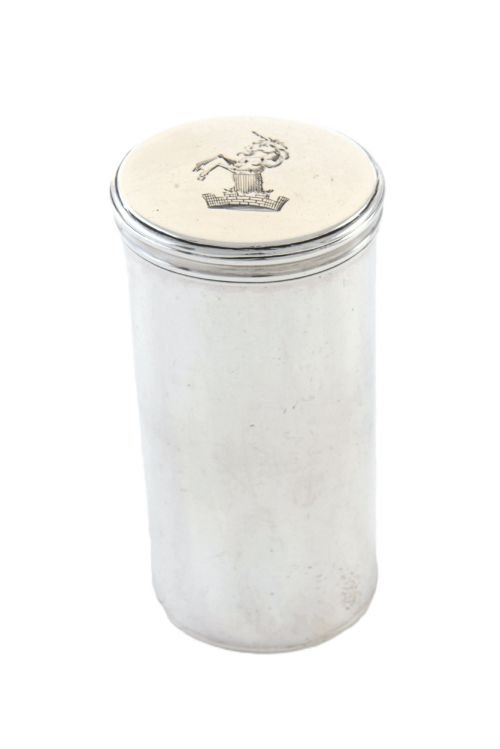
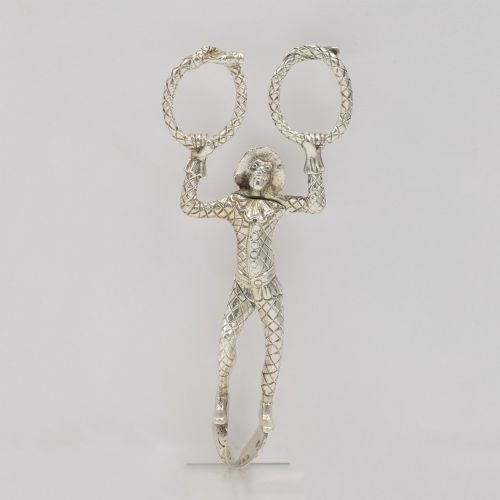
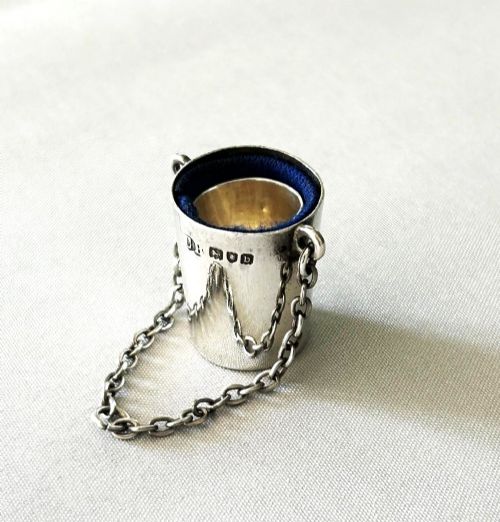
The selection spans domestic desk items and pocket accessories, including silver bookies, thimble buckets, stamp cases, and nutmeg graters. Makers applied silver to everyday objects, turning hunting horns, walking sticks, and inkwells into sculptural pieces with specific functional uses.
Materials and Construction
Silversmiths utilised sterling silver and silver plate, often combining the metal with textile inserts like velvet or fabric for pin cushions, as well as wood, horn, glass, and steel for walking sticks and canes. These mixed media pieces required distinct manufacturing steps, joining metal casings to internal structures or organic materials.
Silver frogs and monkeys sit quietly on this page, waiting to hold sewing pins or house tiny trinkets on your desk.
Assessing Quality and Execution
Integrity of the components also distinguishes pieces, such as the survival of original velvet pads in pin cushions, the secure fit of hinged lids on boxes and vesta cases, and the sturdy attachment of silver handles to wooden walking sticks.
SAMPSON MORDAN·ADIE & LOVEKIN·Dee & Fargus·WILLIAM NEALE·John Bettridge
The Novelty Silver Collectables Glossary
- Pin Cushion
- A small domestic object designed to hold sewing pins, frequently cast in silver as animals, birds, or footwear with an integrated textile pad.
- Sterling Silver
- A standard alloy consisting of silver and other metals to increase durability, commonly stamped with hallmarks indicating origin and date.
- Walking Stick Cane
- A supportive walking aid featuring a decorative handle, often cast in silver as a duck, swan, rabbit, or parrot head.
- Vinaigrette
- A small ornamental box containing a perforated grill, used historically to hold a sponge soaked in aromatic vinegar.
- Hallmark
- A set of official marks stamped on items to guarantee the purity of the metal, the maker, and the year of assay.
Novelty Silver Collectables: Frequently Asked Questions
What were novelty silver items used for?
Many novelty silver collectables served practical household and personal functions while doubling as decorative ornaments. Examples include pin cushions for sewing, nutmeg graters for food preparation, and inkwells for writing desks.
Other pieces were carried on the person as functional accessories. Walking sticks aided mobility, stamp cases held postage, and vinaigrettes provided pleasant scents during travel.
How do I date an antique silver piece?
Dating relies heavily on the hallmarks stamped directly onto the silver surface. These official marks typically include a maker's mark, a purity mark, an assay office symbol, and a date letter.
Comparing the style, form, and manufacturing technique against known periods like the Victorian or Edwardian eras helps confirm the age when hallmarks are rubbed or absent.
How do I care for antique silver?
Antique silver requires gentle handling to preserve surface detail and original patina. Cleaning should occur infrequently using a soft cloth and a specialised silver polish formulated to avoid abrasive scratching.
Pieces containing organic materials such as velvet pin cushion inserts, wood shafts, or horn handles must be kept dry and protected from excessive moisture or direct sunlight.
Why are some animal pin cushions rarer?
Certain animal forms were produced in smaller quantities by specific makers, making them harder to find today. Less common subjects like monkeys, frogs, and specific bird species appear less frequently than standard domestic animals.
Additionally, the survival rate of delicate components, such as original velvet inserts and moving parts, influences how often complete examples surface.