


Novelty Handle Walking Stick
A novelty handle walking stick brings a touch of wit and character to a collection, taking the form of carved animals, hidden blades or clever compartments.
Novelty Handle Walking Stick
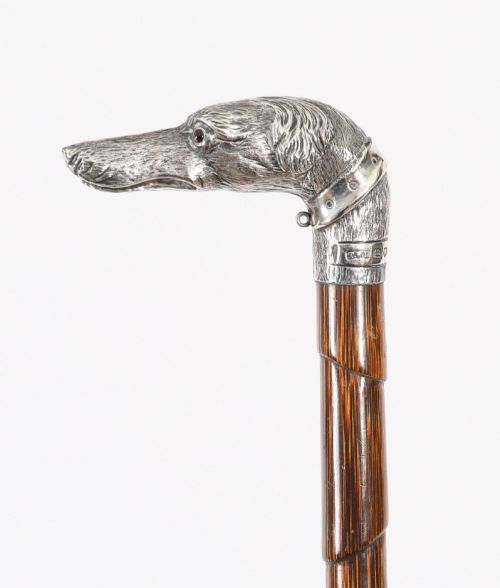
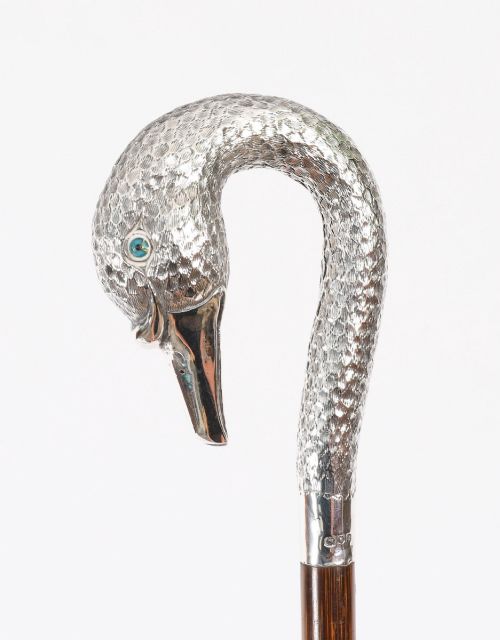
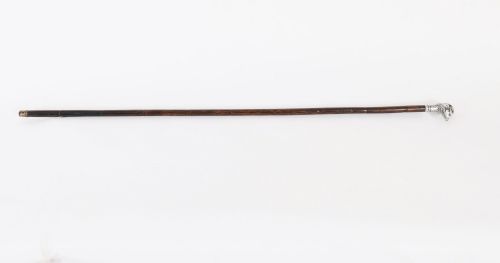
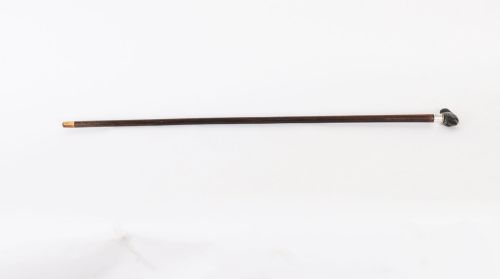
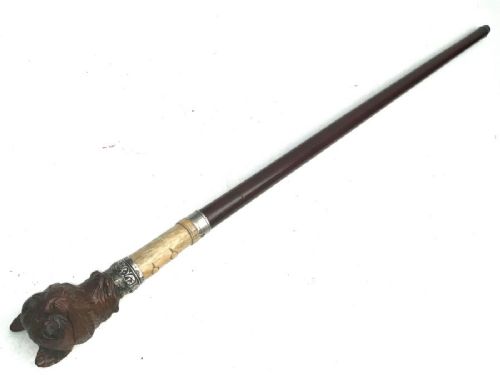
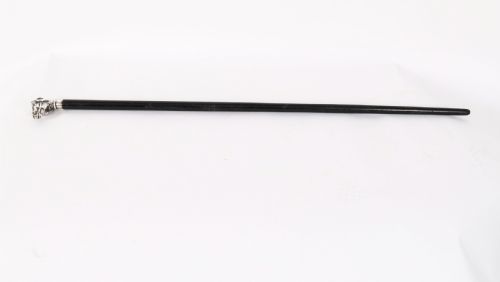
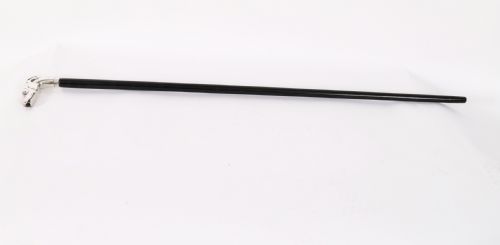
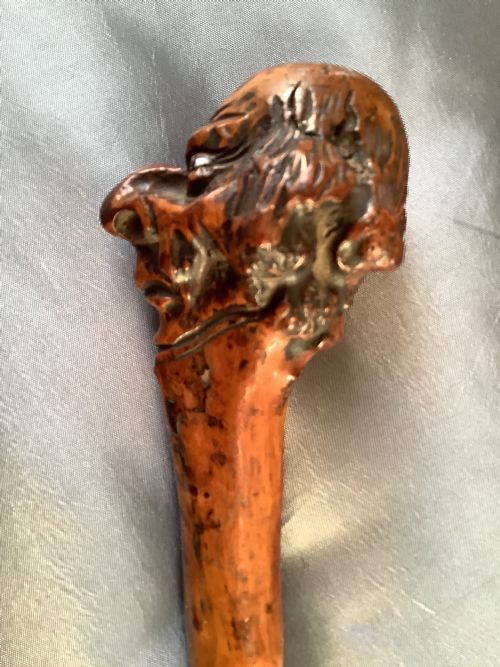
A novelty handle walking stick combines practical support with decorative whimsy, frequently encountered in forms shaped as animal heads, clenched fists or golf clubs. These pieces date primarily from the nineteenth and early twentieth centuries, spanning the Victorian and Edwardian eras.
The selection here includes walking sticks, canes and parasol handles fashioned from diverse materials. Collectors meet everything from gentleman's sword sticks to ladies' parasol handles and folk art swagger sticks.
Makers often incorporated hidden utilities into the design, producing pieces that double as corkscrews, snuff boxes or musical flutes. Animal representations range from greyhounds and swans to ducks, parrots, horses, rabbits and hares.
How they were made
Craftsmen utilised solid hardwoods, ebonised wood and timber shafts paired with handles cast in sterling silver, silver plate or carved from bone, horn and fruitwood. Metal components often received detailed chasing or engraving by hand.
Shafts were frequently turned on a lathe and fitted with subtle mechanisms for concealed sword blades, corkscrews or compartments. Natural materials like horn and bone were shaped through heat and carving before being secured to the wooden shafts.
The listings on this site span the Victorian, Edwardian and Art Deco periods, utilising materials such as silver, horn, glass and ebonised wood.
What varies in quality
The standard of carving and metal casting defines the upper tier of these pieces, where anatomical precision in animal heads or hands shows superior artistic skill. Crisp silver hallmarks and well-integrated hidden mechanisms indicate workshop origins of higher repute.
Simpler folk art pieces display charm through rustic carving, whereas urban examples rely on refined silverwork and sophisticated concealed engineering. The integrity of the joint between handle and shaft largely determines the structural merit of the stick.
The Novelty Handle Walking Stick Glossary
- Pommel
- A rounded knob forming the handle of a walking stick or cane. These often take animal or figural shapes in silver, horn or wood.
- Swagger stick
- A short, light stick traditionally carried by gentlemen or military officers as an accessory. They frequently feature decorative tops rather than functional weight-bearing shafts.
- Sword stick
- A cane fitted with a concealed blade inside the wooden shaft. These require a secure locking mechanism to keep the blade safely housed.
- Gadget cane
- A walking stick incorporating a hidden utility such as a snuff box, corkscrew or flute. They reflect the Victorian fascination with functional ingenuity.
Novelty Handle Walking Stick: Frequently Asked Questions
How do I date a novelty handle walking stick?
Dating relies on stylistic clues, hallmarks on silver mounts and construction techniques typical of the nineteenth and early twentieth centuries. Victorian and Edwardian examples often exhibit distinct aesthetic markers associated with those periods.
Makers' marks or silver date letters provide precise years for pieces featuring precious metal components. Unmarked wooden and horn examples require comparison of carving styles and material preparation methods.
What materials were used for the handles?
Handles were commonly fashioned from sterling silver, silver plate, carved bone, horn, fruitwood and general hardwood. These materials allowed artisans to achieve fine detail in animal and figural sculptures.
Silver handles frequently carry hallmarks indicating the assay office and year of production. Organic materials like horn and bone exhibit natural grain variations unique to each piece.
Are sword sticks legal to own?
Regulations regarding sword sticks vary by jurisdiction, so buyers should check local laws governing concealed blades and edged weapons before purchase. Many antique examples are classed as historical items.
These pieces feature internal blades housed within the wooden shaft, accessible by releasing a hidden catch or screw mechanism.
How should I display walking sticks?
Walking sticks are traditionally displayed upright in umbrella stands, wall-mounted racks or specialised cane stands that showcase the novelty handles. Proper vertical storage prevents warping of the wooden shafts.
Placement should avoid direct sunlight and extreme temperature fluctuations to protect organic materials like horn, bone and wood from drying out or cracking.