
Gentlemans Silver Cane
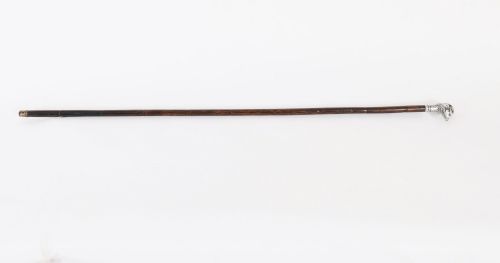
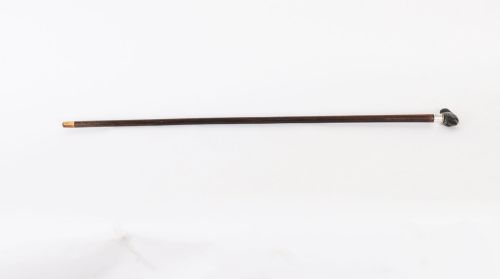
A gentlemans silver cane combines daily support with notable craftsmanship, offering Victorian and Edwardian refinement for modern collectors.
Gentlemans Silver Cane
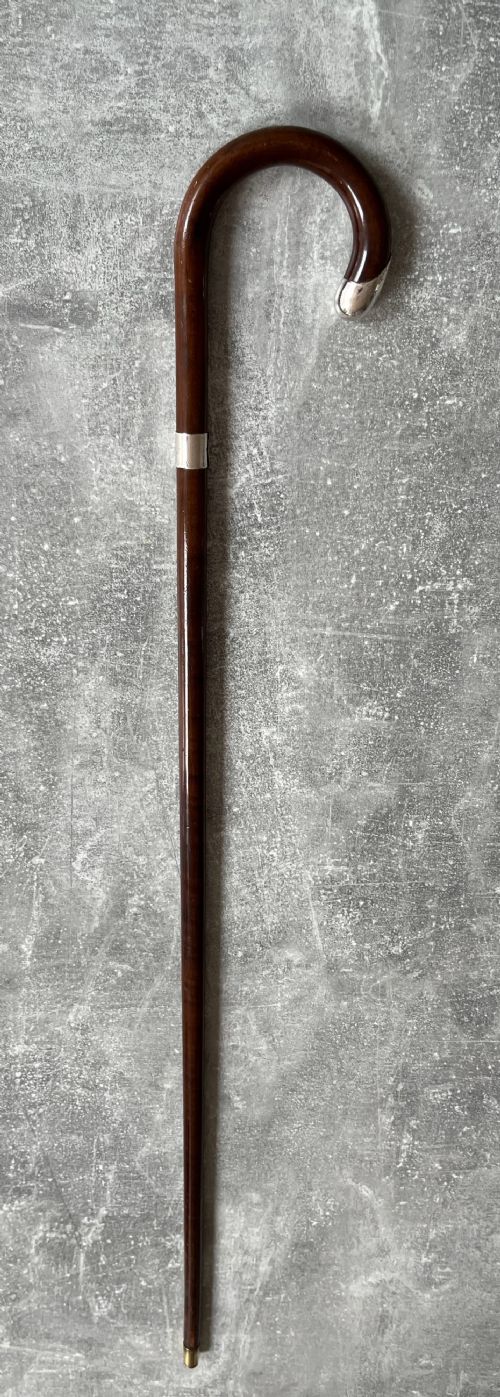
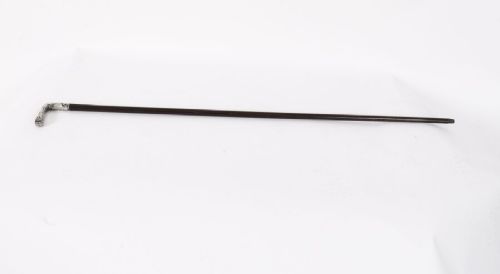
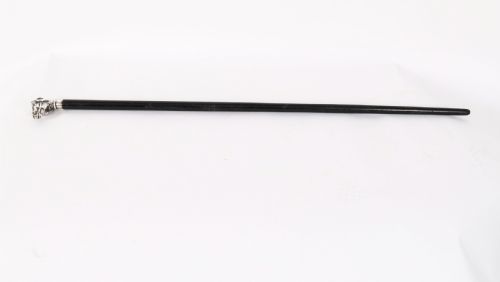
When searching for a gentlemans silver cane, buyers encounter historical walking supports that range from simple silver-mounted shafts to intricate novelty handles. These pieces typically date from the Victorian and Edwardian eras, spanning the late nineteenth century through to the early decades of the twentieth century. The selection includes plain silver tops alongside sophisticated animal heads, functional sword sticks, and specialised gadget canes.
The most common examples on this page are walking sticks fitted with distinct silver handles, paired with shafts made of wood, bamboo, or malacca. Many pieces reflect specific regional origins, such as French, Continental, and English workshops, demonstrating the widespread appeal of these accessories. Collectors also find military-associated items and Masonic examples that incorporate concealed blades or symbolic motifs.
Materials and Construction
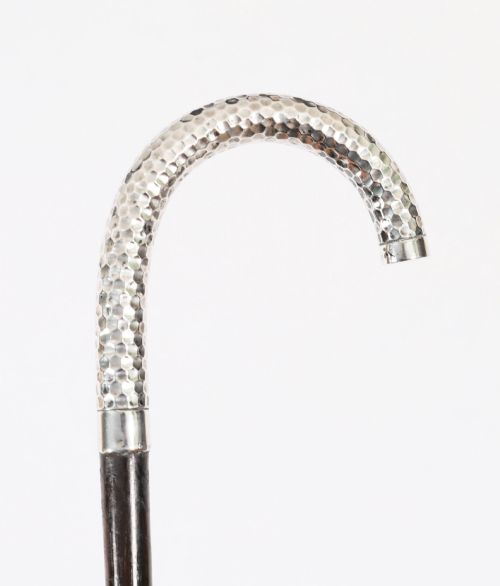
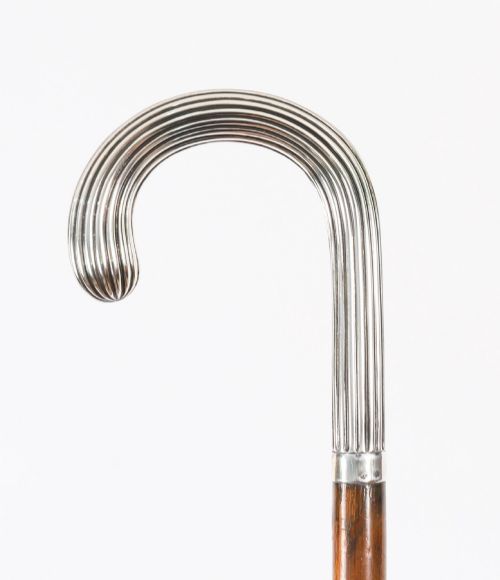
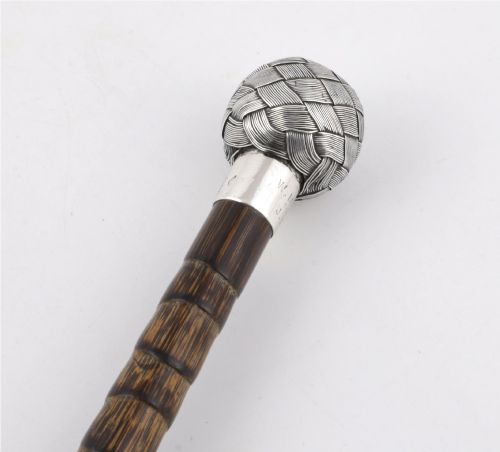
Makers utilised solid silver, silver plate, and white metal for handles, casting or hammering the metal into animal shapes, smooth knobs, or decorated mounts. These grips were then joined to shafts constructed from durable timbers including hardwood, ebonised wood, snakewood, chestnut, and bamboo.
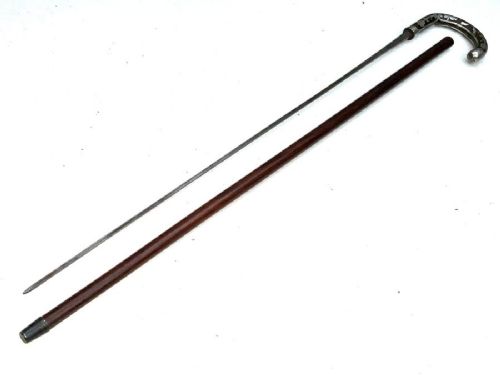
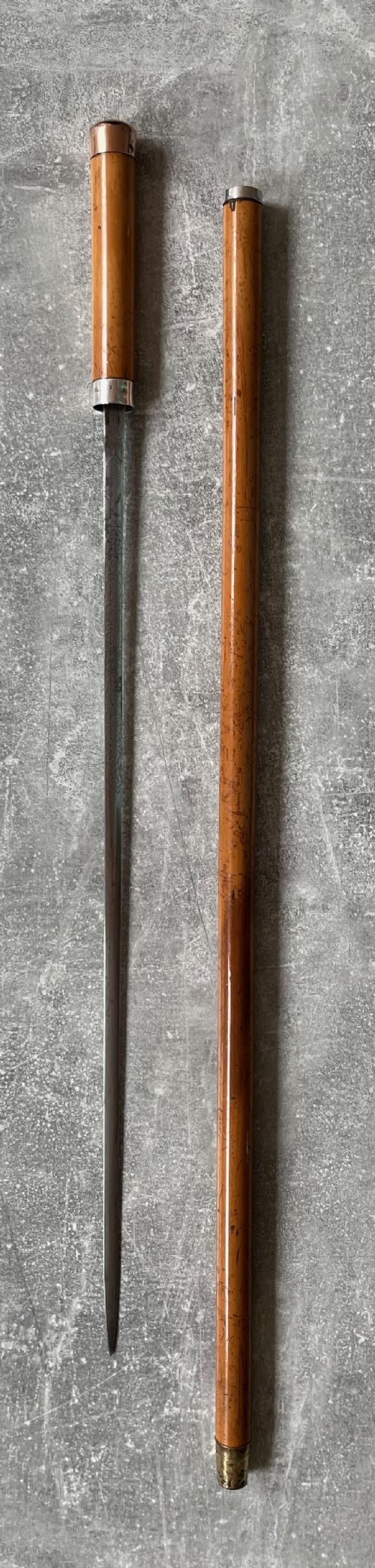
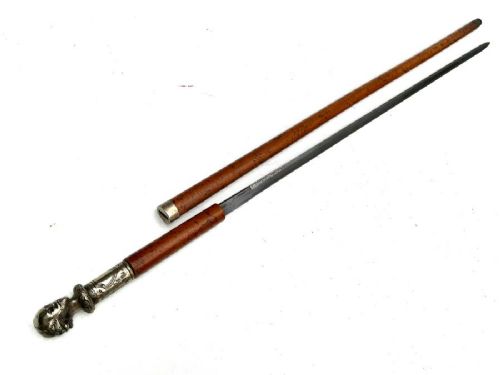
Specialised examples integrate hidden mechanisms within the shaft, housing steel blades from makers like Wilkinson and Toledo, or incorporating small compartments for snuff and timepieces. Silver collars and wire mounts provide structural reinforcement where the handle meets the wooden body.
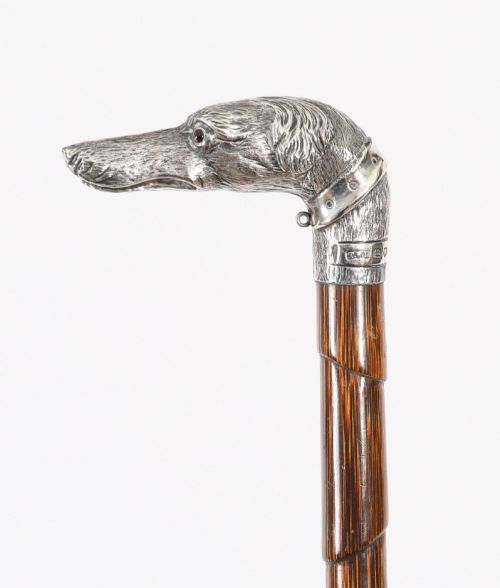
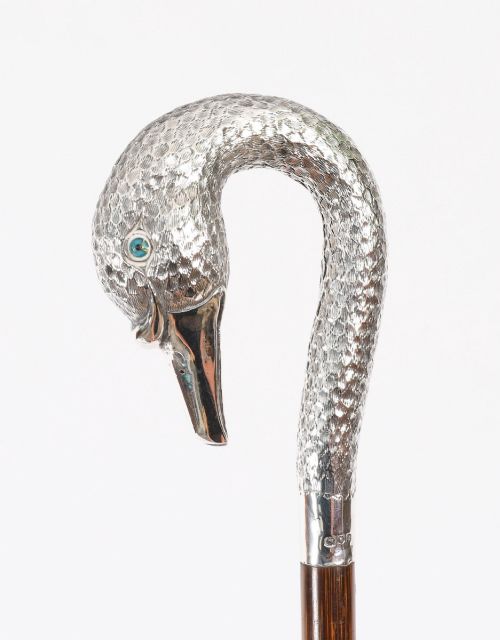
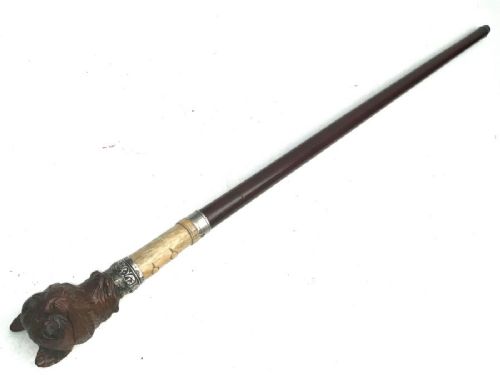
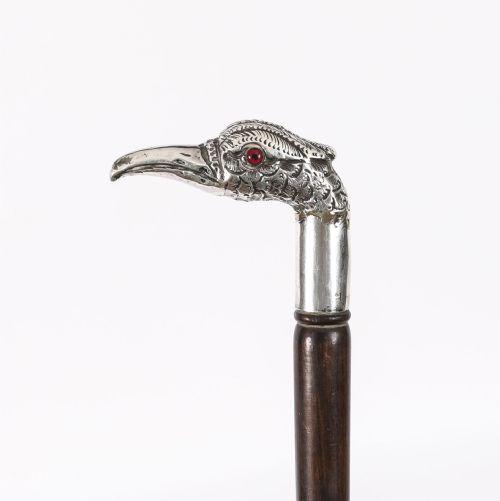
Silver animal heads peer from the tops of walking sticks, bringing a menagerie of metal hounds and ducks to daily strolls.
Evaluating the Pieces
The standard of a piece rests heavily on the detail of the silver work and the integrity of the shaft. Hand-chased animal heads featuring clear hallmarks display a higher degree of artistry than mass-produced, plain silver tops.
Condition and originality dictate overall desirability, particularly when internal mechanisms or concealed blades remain intact and functional within the wooden body.
Wang Hing and Company·Henry Borlase Stevens
The Gentlemans Silver Cane Glossary
- Sword stick
- A walking cane designed with a concealed steel blade housed inside the wooden shaft. This dual-purpose item served for both walking support and personal defence.
- Hallmark
- An official stamp applied to silver items indicating the metal standard, assay office, and year of testing. These marks help verify the age and origin of the silver handle or mounts.
- Malacca
- A type of rattan cane known for its strength, flexibility, and mottled brown surface. It was widely utilised for high-end walking stick shafts during the nineteenth century.
- Gadget cane
- A walking stick that conceals a secondary function, such as a snuff box, watch, or tool within the handle or body. These items highlight the ingenuity of period makers.
- Knop
- A rounded knob or handle fitted to the top of a walking stick. They appear in materials ranging from silver and bone to horn.
Gentlemans Silver Cane: Frequently Asked Questions
How do I date a silver cane?
Dating relies primarily on identifying assay hallmarks stamped onto the silver handle or mounts, which indicate the specific year and office of testing. Stylistic clues, such as Art Deco geometric lines or Victorian floral chasing, also help narrow down the period of manufacture.
Makers' marks provide further context, linking the piece to known workshops or retail houses operating during the nineteenth and early twentieth centuries.
What woods were used for shafts?
Makers selected dense and resilient timbers capable of withstanding daily use as walking supports. Common choices include ebonised wood, snakewood, chestnut, and patterned bamboo or malacca.
Some specialised pieces utilised horn or leather covering over a rigid core to achieve distinct textures and flexibility.
Are sword sticks legal to own?
Regulations regarding concealed blades vary by jurisdiction, so collectors must check local laws governing the possession and transport of antique edged weapons. Historical sword sticks are typically collected as historical artefacts and military or civilian curiosities.
Many examples feature locking mechanisms to secure the blade safely inside the wooden shaft when not in use.
What are novelty handles?
Novelty handles depict carved or cast figures, ranging from animal heads like greyhounds, swans, ducks, and boars to human characters and caricatures. These designs allowed Victorian and Edwardian owners to express personal tastes or humour.
Silver was the primary metal used for these detailed grips, often shaped by skilled artisans in European and Asian workshops.