
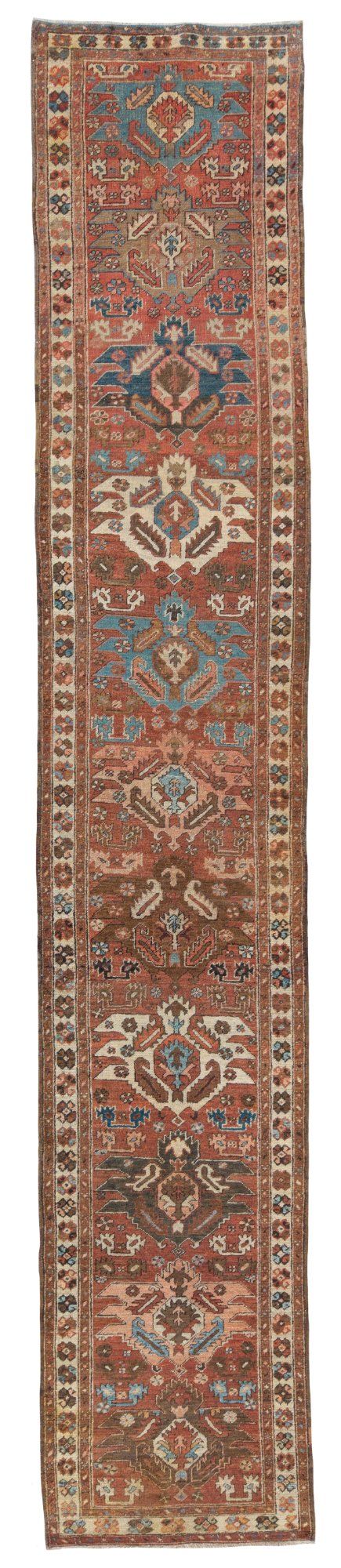
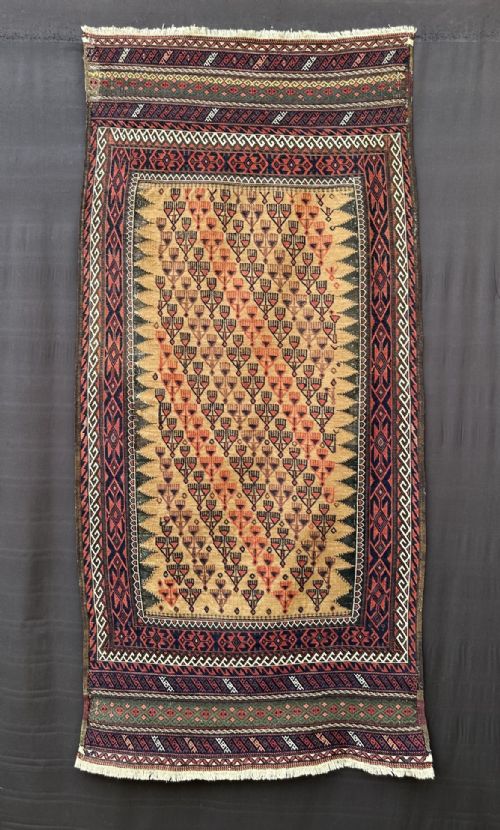
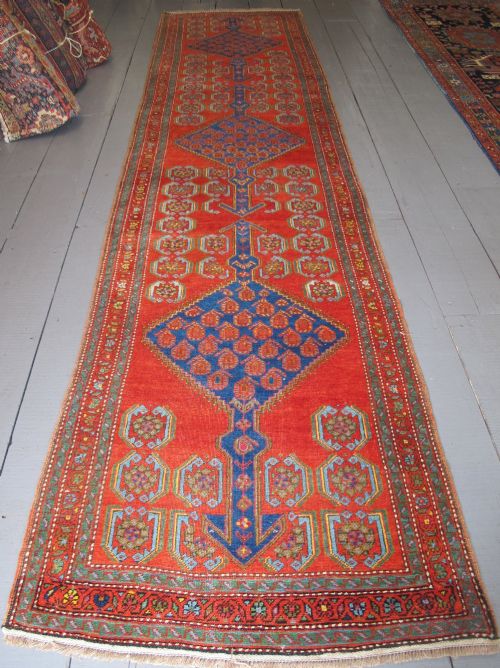


Northwest Persian Runner
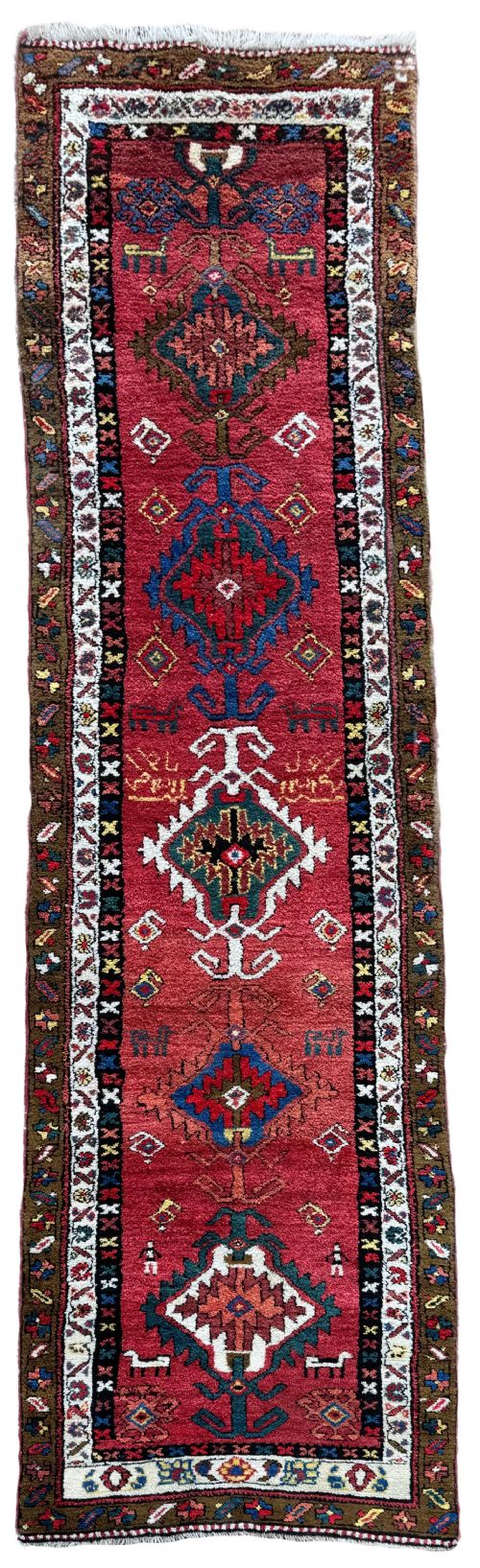
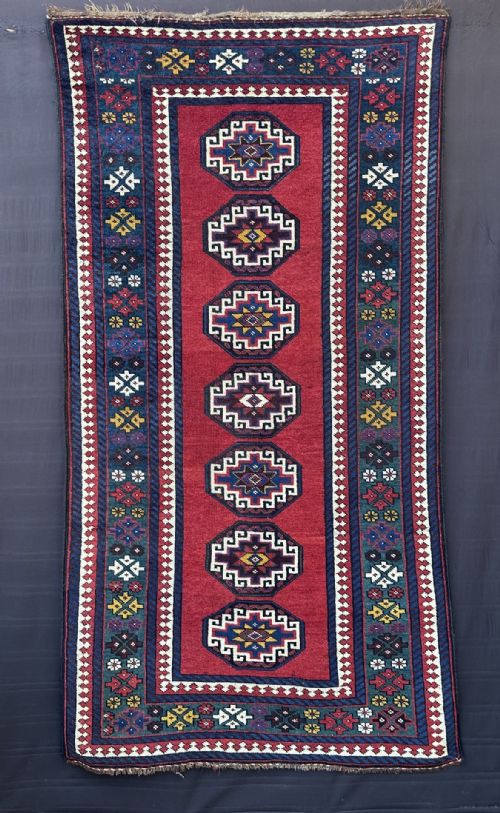
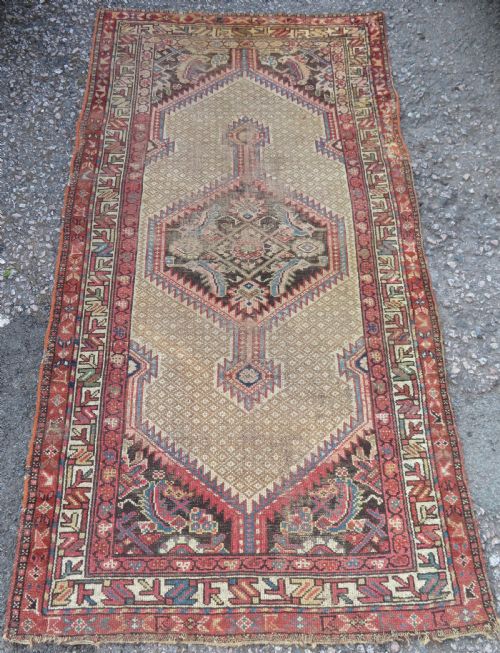
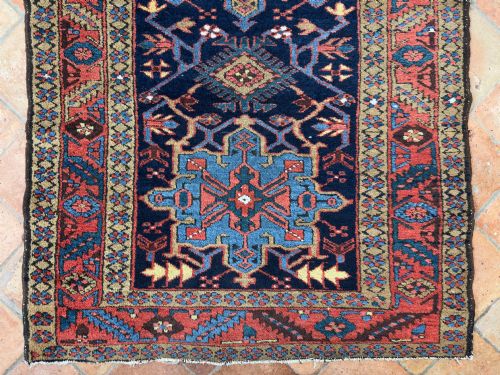
A northwest persian runner brings the geometric punch and rich colour of village workshops directly to a narrow hallway.
Northwest Persian Runner
A northwest persian runner provides a long and narrow format designed specifically for corridors and narrow spaces in country houses and town properties. These floor coverings emerge from regional centres and tribal districts including Heriz, Karaja, Sarab, Bakshaish, and Feraghan.
The format relies on elongated proportions that take repeated geometric motifs, large medallions, and tribal patterns along a central axis. Pieces span the late nineteenth century into the early decades of the twentieth century, carrying traditional village aesthetics rather than court designs.
Makers in this region structure their compositions with sturdy wool pile knotted onto cotton foundations, often incorporating camel hair for natural tone variation. The resulting textiles handle heavy corridor traffic while maintaining a distinct rural character.
Materials and Construction
Weavers construct these runners using hand-spun wool pile secured onto cotton warps and wefts, creating a dense and resilient fabric suited to daily domestic use. Natural dyestuffs yield deep terracotta, indigo, and ivory tones that mellow gracefully over decades.
Certain village pieces integrate un-dyed camel hair within the field or borders, providing a soft golden-brown texture and natural durability. Loom setups in these districts remain traditional, producing firm structures with distinctive abrash colour shifts.
Northwest Persian Runner Retail Price Guide 2026
Typical asking prices for northwest persian runner among the pieces listed under this phrase on Sellingantiques today, from the lower quarter to the upper quarter. They describe what is for sale here now, not the wider market.
Listings feature pieces utilising wool, cotton, and camel hair across production periods spanning 1870 to 1920.
Factors of Quality
Quality rests in the precision of the tribal drawing, the saturation of the natural dyes, and the integrity of the wool foundation. Crisp geometric lines and balanced proportions separate superior weaving from more hurried village production.
The condition of the original outer borders and the crispness of the pile retention determine the structural standing of the piece. Surviving edge finishes and intact ends indicate careful historical maintenance.
The Northwest Persian Runner Glossary
- Abrash
- Natural variation in wool colour caused by changes in dye batches during weaving. This creates subtle horizontal bands of shading across the field.
- Warps
- The vertical threads stretched lengthwise on the loom that carry the tension of the weave. Cotton serves as the standard material in these regional pieces.
- Kelleh
- A long rug format, narrower than a full carpet but broader than a standard corridor runner. These serve traditional placement needs in larger rooms.
- Medallion
- A central ornamental design element placed in the middle of the field. Northwest village pieces often employ bold geometric or stepped versions.
- Sofreh
- A flatwoven or piled spread used for communal dining or food preparation. These textiles often carry tribal symbols associated with nomadic life.
Northwest Persian Runner: Frequently Asked Questions
How do I care for a vintage runner?
Vacuum gently without a rotating brush bar to protect the wool pile and historical side cords. Rotate the piece annually to ensure even wear across high-traffic zones.
Professional washing by a specialist in antique textiles removes embedded grit without damaging natural dyes. Keep the piece away from direct, prolonged sunlight to preserve the original colour depth.
Where should I place a long runner?
Corridors, entrance halls, and narrow landings provide the traditional setting for these elongated formats. They also anchor galley kitchens or line the sides of a large bed.
Use a breathable underlay to keep the textile stable on hard wood or stone floors. This prevents sliding and reduces friction between the wool foundation and the floorboards.
How do I tell Heriz and Sarab runners apart?
Heriz runners typically display bold, architectural medallions with large-scale geometric corners and sturdy saturated palettes. Their drawing is crisp and structural.
Sarab pieces lean towards camel hair fields, repeating boteh motifs, and softer, muted earthy tones. The overall aesthetic feels more relaxed and village-driven than urban.
What period do these runners come from?
Most examples date from the late nineteenth century through to the early decades of the twentieth century. This era represents the height of traditional village production before synthetic dyes became widespread.
Datings rely on stylistic markers, structural analysis, and the specific palette used by the weavers. Each decade carries distinct shifts in wool preparation and border designs.