



North West Persian
These north west persian rugs and carpets offer enduring tribal artistry and rich botanical geometry for floors that need grounded character.
North West Persian
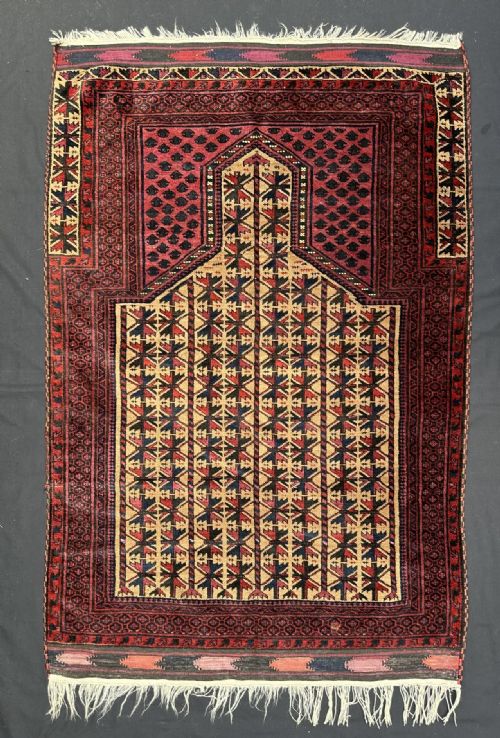
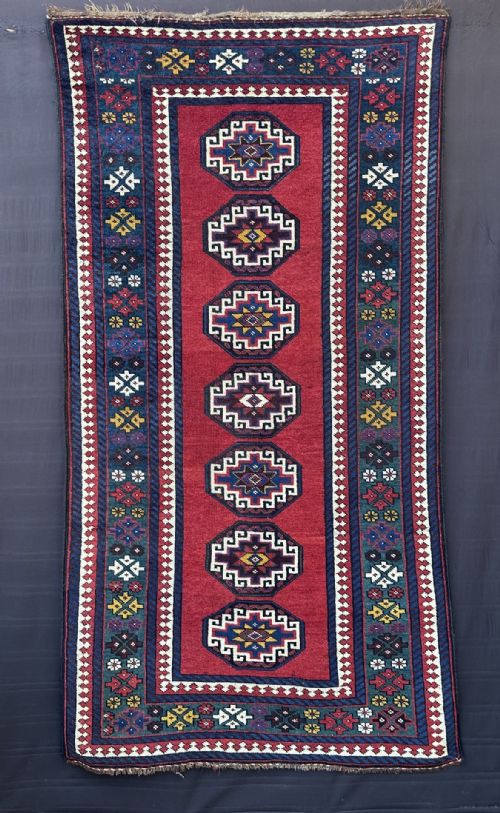
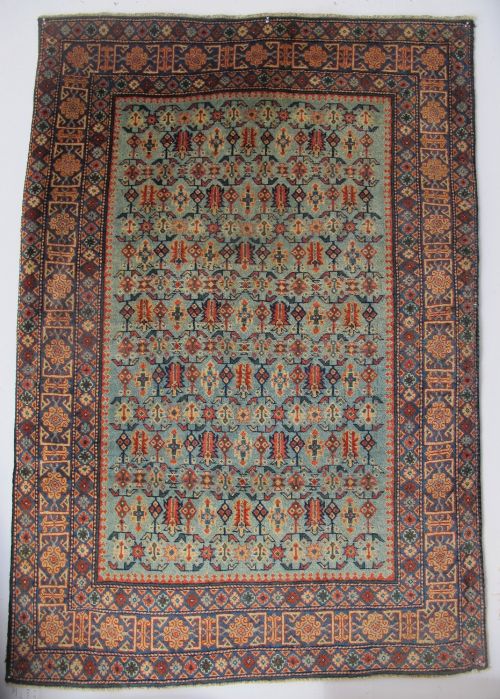
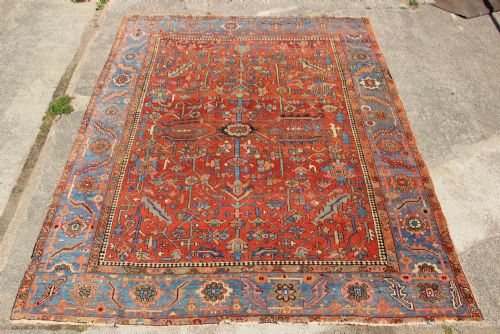
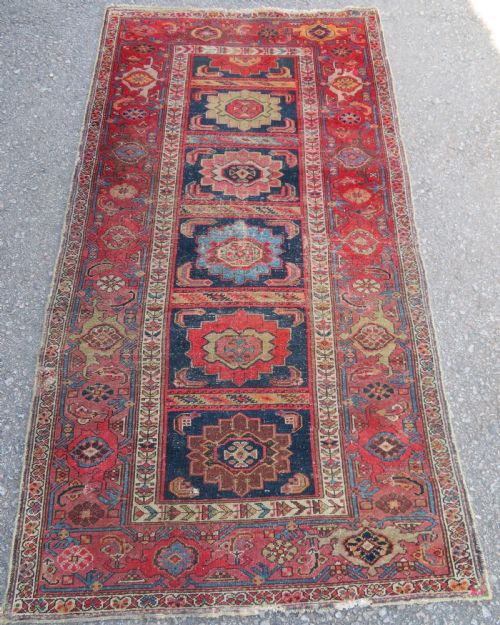
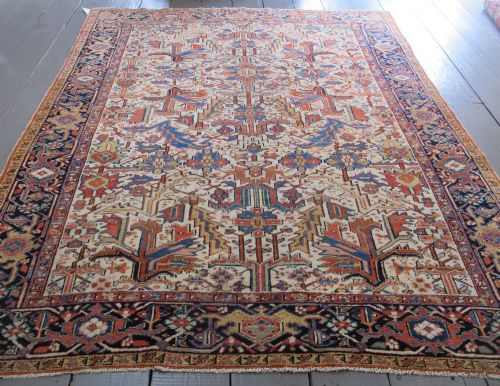
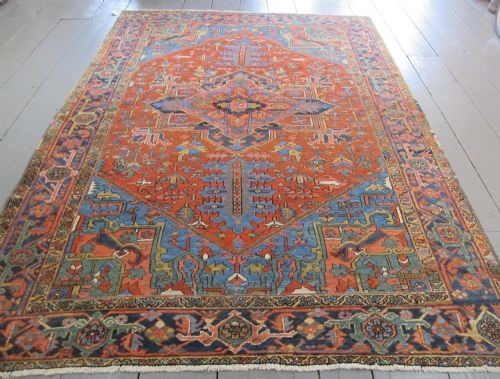
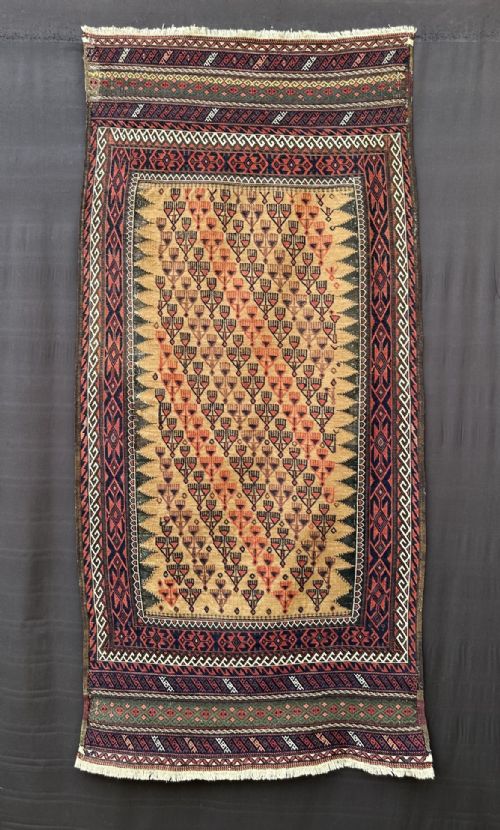
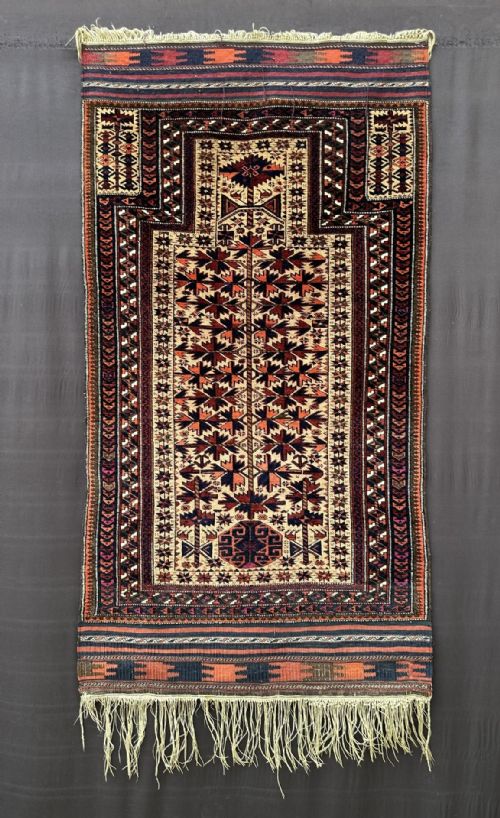
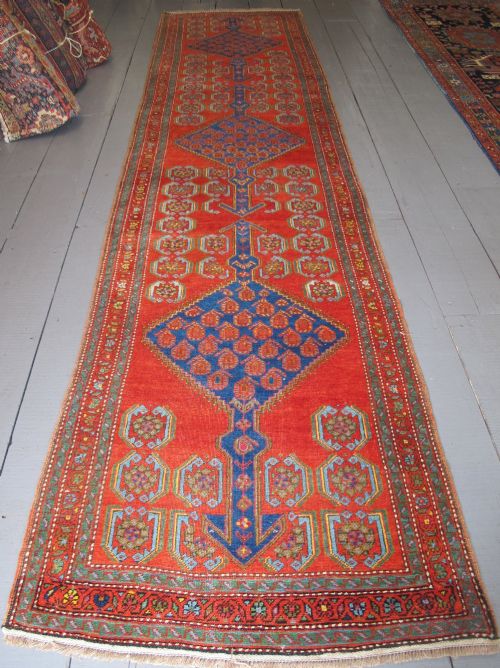
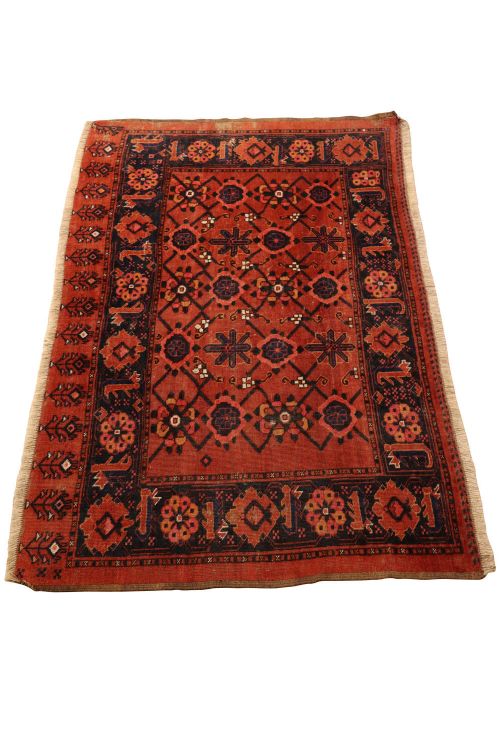
When exploring north west persian pieces, you encounter village and tribal floor coverings originating from storied weaving regions like Heriz, Tabriz, Karaja, and Hamadan. These textiles range from compact mats and prayer rugs to expansive room-size carpets and exceptionally long hallway runners.
The selection frequently includes geometric village formats, Kurdish long rugs, and structured carpets dating from the late nineteenth century into the early twentieth century. Buyers select these works for their robust formats, expressive tribal medallions, and deeply saturated natural dyes.
How they were made
Weavers constructed these textiles primarily using hand-knotted wool pile secured upon sturdy cotton or wool foundations, employing precise knotting techniques passed down through generations. Natural dye stuffs yielded deep indigo blues, madder reds, and warm ivories that age with remarkable grace.
Nomadic and village looms produced sturdy structures designed for daily utility, integrating supplementary flatweave techniques or reinforced selvedges where necessary. The resulting fabrics combine resilient fibre structures with flexible handling suited to active living spaces.
The listings demonstrate wool, cotton, leather, and metal materials across nineteenth and twentieth-century Persian tribal styles.
What varies in quality
Quality rests upon the fineness of the knotting density, the clarity of the drawing within geometric medallions, and the depth achieved by the dye palette. Master weavers executed sharper lines and more balanced proportions, creating greater visual harmony across the field.
The integrity of the foundation warps and the preservation of the original pile depth distinguish superior surviving examples from heavily worn alternatives. Greater precision in regional motifs and balanced abrash transitions elevate individual specimens within the broader weaving tradition.
Waring and Gillow·Benlian
The North West Persian Glossary
- Abrash
- Subtle tonal variations within a single field of colour caused by changes in dye batches or wool lots during weaving.
- Kelleh
- A large rectangular format rug, longer than it is wide, traditionally proportioned for specific placement within Persian interiors.
- Sofreh
- A flatwoven or piled cloth utilised historically for dining, food preparation, or domestic rituals rather than floor display.
- Soumak
- A historic flatweave technique producing a sturdy textile without pile, characterised by wrapped horizontal weft threads on the reverse.
North West Persian: Frequently Asked Questions
Where were north west persian rugs woven?
These textiles originate from historic weaving centres and tribal districts across the north-west region of Persia, encompassing famous towns such as Heriz, Tabriz, Karaja, and Feraghan.
Weavers in surrounding Kurdish and village communities also contributed distinct tribal designs and structural formats to this regional tradition.
How do I style a long runner?
Long runners fit naturally in hallways, corridors, narrow entryways, and alongside large furniture pieces where linear warmth is required.
Their narrow proportions draw the eye through architectural spaces while providing durable wool protection for high-traffic timber floors.
Are these carpets suitable for daily use?
Hand-knotted wool pile on sturdy cotton foundations provides exceptional durability built to withstand generations of regular household foot traffic.
Routine care involving gentle vacuuming without rotary brushes ensures these historic textiles remain functional and vibrant elements in modern homes.
How can I identify a village rug?
Village rugs typically display memory-driven geometric patterns, bold angular medallions, and expressive tribal motifs rather than rigid court-atelier curves.
Asymmetrical details, lively colour transitions, and local wool characteristics often point directly to smaller producing communities rather than urban workshops.